
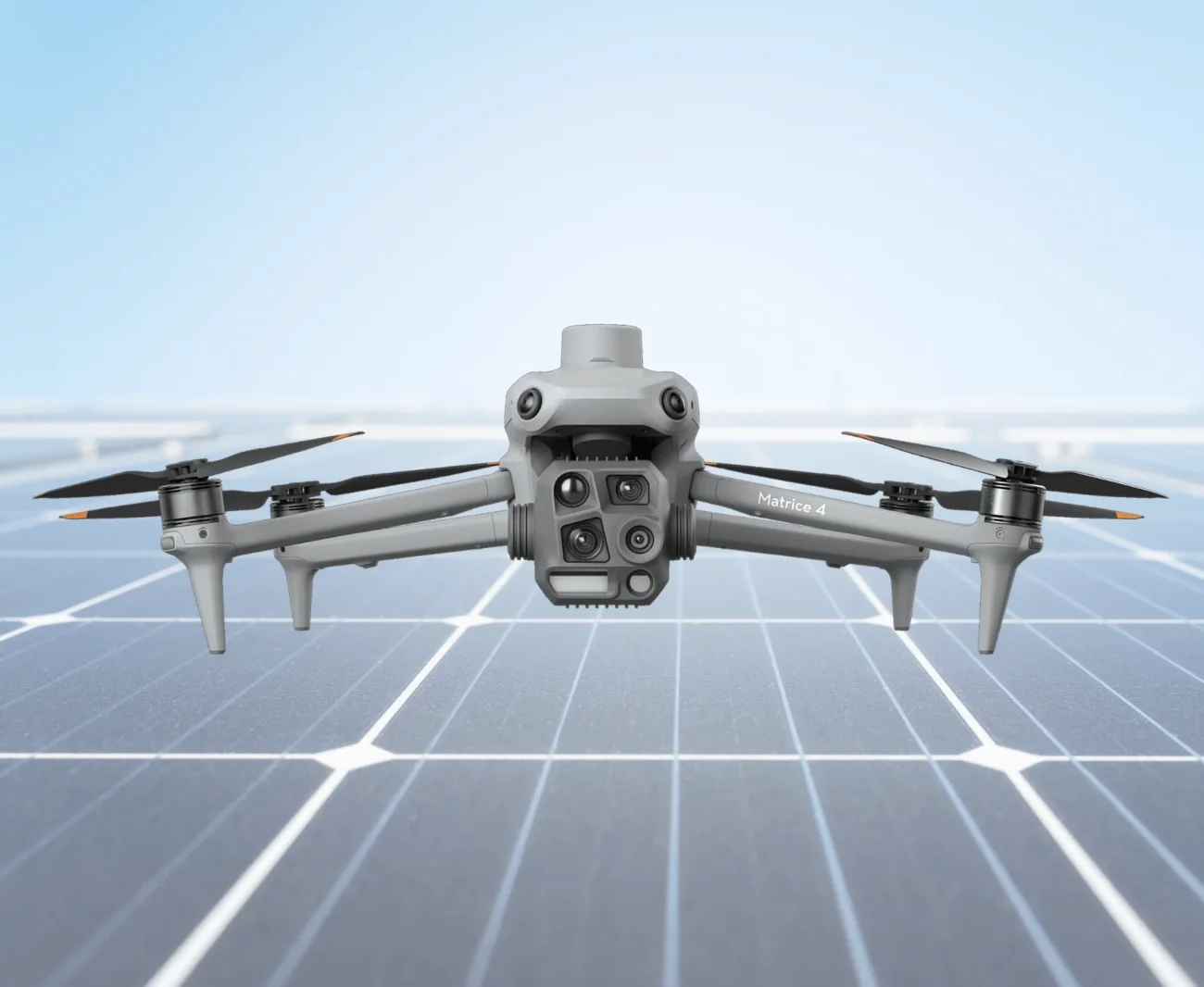
As the global renewable energy sector scales up to meet Net Zero 2030 targets, innovative tech is fundamentally shifting the landscape of the solar industry. In markets like the US, Canada, and Australia, thermal drone inspection has already become the Standard Operating Procedure (SOP) for both solar farms and commercial rooftop PV systems. It’s rapidly replacing the old-school, labor-intensive methods like manual handheld thermography and IV curve tracing, which are far more time-consuming and limited in scope.
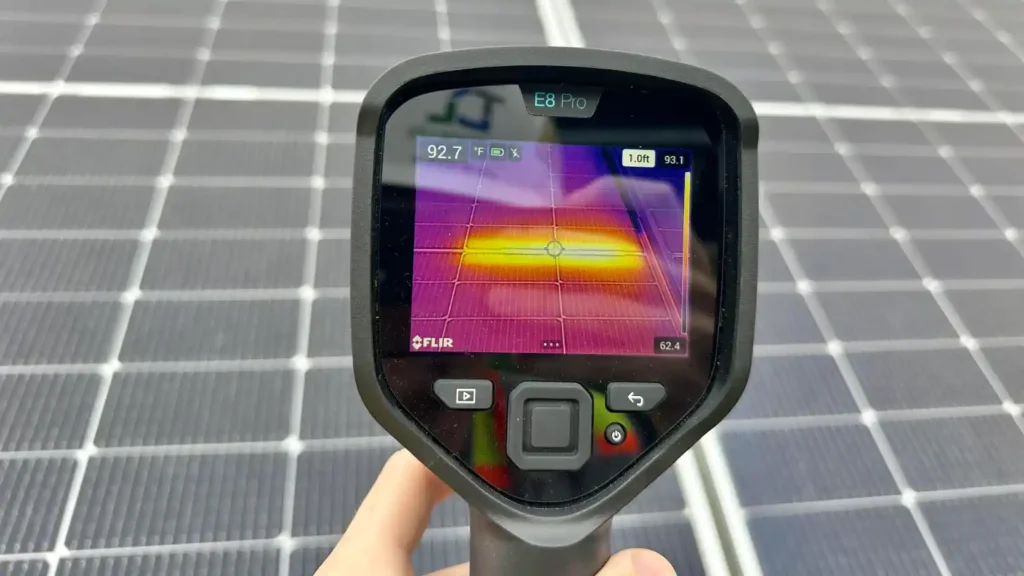
Here in Ireland, however, we are still very much in the early stages. While a few utility-scale solar farms have started using drones to drive efficiency, many crews across the country still rely on handheld gear. For small commercial and residential solar PV rooftops, professional inspections are often written off as ‘grand plans’ that are impractical, or they simply aren’t carried out at all.
Based on our 2024 sales data, three rooftop solar installers in Ireland introduced thermal drone inspections as a premium paid service and secured substantial additional revenue. Their drones are no longer just for pre-installation roof and terrain surveys; they have evolved into a recurring inspection tool that keeps generating income.
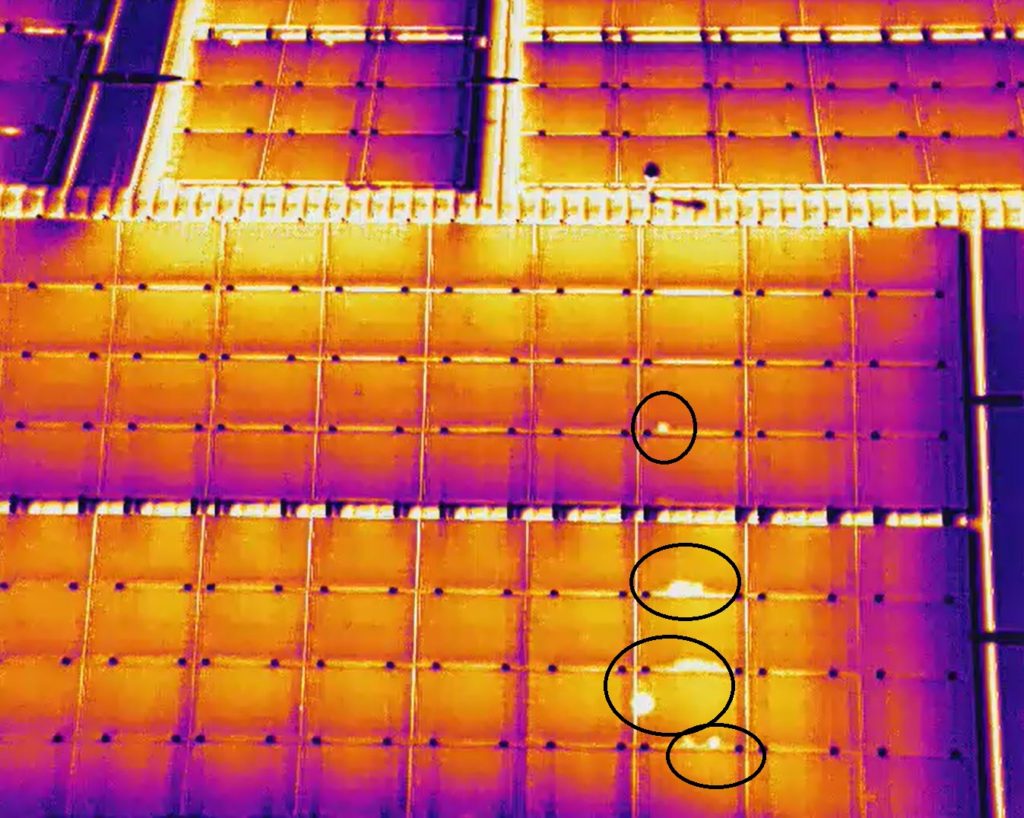
1. How often do solar PV systems need a thermal inspection in Ireland?
Due to Ireland’s frequent rainfall—which naturally helps keep panels clean—most systems generally require a full comprehensive inspection once a year. However, if a client suspects Solar PV System Underperformance, you can offer a targeted, paid inspection service. This provides you with an additional revenue stream and allows you to issue a professional report that reassures the customer of the system’s integrity and performance.
2. Do you have the startup capital ready?
There are two primary equipment routes for those entering the drone solar inspection market:
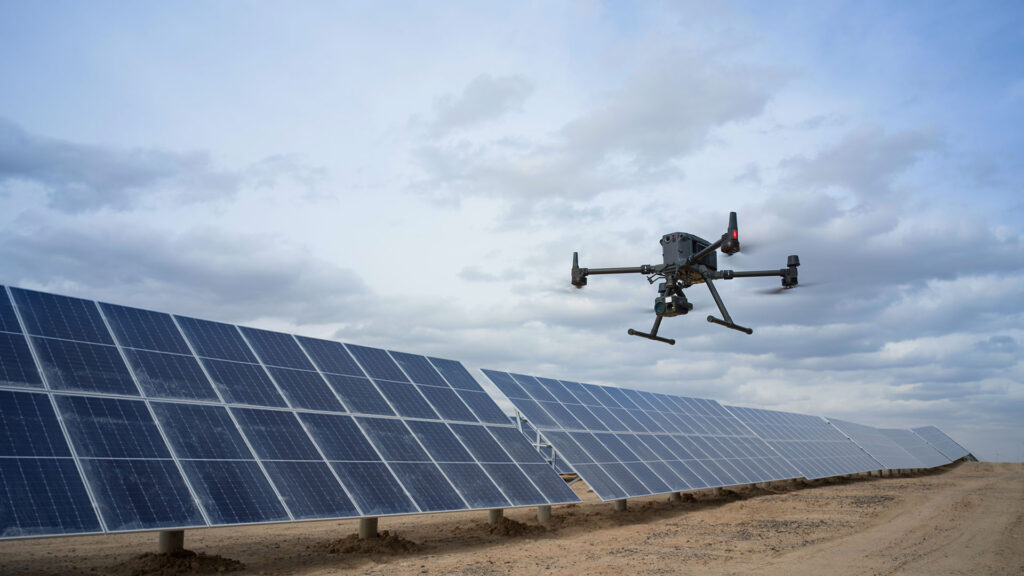
- The Matrice 4T Route: Priced at €5,600 + VAT, the DJI Matrice 4T is the ‘bread and butter’ for installers and service providers. It is ideal for health checks and surveys on systems under 200kW.
- The DJI Matrice 400 + H30T : The DJI Matrice 400 + H30T combo (priced at €9,999 + VAT and €9,900 + VAT respectively) is built for utility-scale sites and large-scale Asset Management for Solar Farms. (Find out more, check out our companion piece: The Ultimate ROI Guide for Solar Farm Drone Inspection).
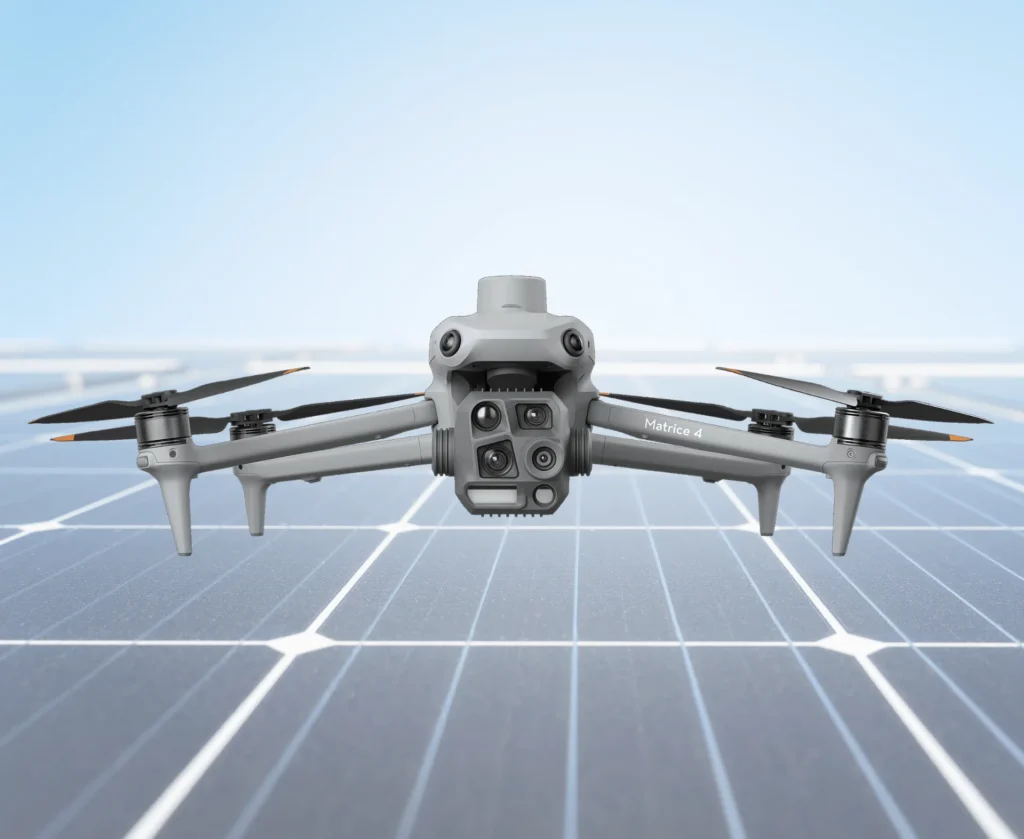
| Specifications / Model | DJI Matrice 4T | DJI Matrice 400 + H30T |
| Best Application | Residential & <200kW Commercial | Solar Farms & >200kW Commercial |
| Thermal Resolution | 640 × 512 (Standard) | 1280 × 1024 (Ultra-High) |
| Zoom Capability | 56× Hybrid Zoom | 400× Max Zoom (Long-range hotspot detection) |
| IAA Compliance | C2 Class (Easy compliance) | C3/C5 Class (Professional/Specific) |
| Deployment Speed | < 1 Minute (Foldable/Portable) | 3-5 Minutes (Heavy Platform) |
| Estimated Payback | ~53 Days (Based on Irish case) | ~2 Months (Based on large projects) |
In Ireland, the IAA drone licence (Open Subcategory A1 and A3) typically costs around €99 + VAT.
3. Do you need to hire extra staff?
For PV projects under 200kW, the Matrice 4T is so intuitive that hiring extra personnel is unnecessary. The system features high levels of automation, including auto-takeoff and landing. Your existing surveyor can easily get comfortable with the kit over a weekend, review the documentation, and complete the IAA online exam without disrupting your daily operations.
For larger platforms like the DJI Matrice 400 + H30, the complexity generally requires a professional pilot or intensive dedicated training for your staff. This learning pathway typically takes one to two months. For that more advanced route, please refer to our separate article: The ROI of Thermal Drone Solar Inspection in Ireland (2026)-Solar Fram
Calculating the ROI: A Real-World Irish Case Study
Step 1: Annual Revenue (The Galway Success Story) Our ROI projections are based on real feedback from a Galway-based solar installer with an annual turnover of €2 million. After just two months of integrating the DJI Matrice 4T into their workflow (by August 2025), they reported the following monthly performance:
- 12 x Residential Inspections (@ €300 each) = €3,600.
- 2 x Commercial Inspections (@ €500 each) = €1,000.
- Total Monthly Inspection Revenue: €4,600.
- (Additionally, the drone supported their core business by performing 53 site surveys and 3D roof models in the same period).
Labor Costs & Net Income: For these 15 inspections, the average time spent was 3 hours each (including travel) at a labor rate of €30/hour.
- Total Labor Cost: €1,350.
- Monthly Net Income: €3,250.
- Projected Annual Net Income: €39,000.
Step 2: Confirm the Initial Investment Compare this income against the cost of an in-house setup. The total initial investment for the Matrice 4T package—including the aircraft, professional training, and software—is approximately €5,699.
Step 3: Calculating the Payback Period Using the figures from our Galway case study:
€5,699 (Investment) ÷ €39,000 (Annual Income) ≈ 0.146 Years(56 Days)
Step 4: Lifetime ROI (5-Year Estimate)
Using the formula: ROI = [(Total Lifetime Revenue − Initial Investment) ÷ Initial Investment] × 100
Assuming a 5-year lifespan and a total revenue of €195,000, the calculation is: (€195,000 − €5,600) ÷ €5,600 × 100 ≈ 33,821%
Assessing Your Business Needs
To determine if thermal drone inspection is the right fit for your operation, focus on these three practical questions:
- Who are your primary clients and what are their expectations? If you are serving Commercial and Industrial (C&I) clients with healthy budgets, many are more than willing to pay €300 to safeguard an investment worth tens of thousands. Offering a complimentary annual thermal health check is also a brilliant way to sharpen your competitive edge in the Irish market. For clients who find basic OpenSolar reports a bit thin, the built-in 3D modeling capabilities of DJI drones provide a high-end, professional reporting package that stands out.
- Is your installation volume steady? Using the drone for every pre-install survey ensures the equipment never sits idle. This gives your team the flight hours needed to build experience while you gradually roll out PV inspection as a standard part of your service offering.
- Do you have an existing base of installed clients? Your “back-book” of past installs is the perfect place to practice and secure your first paid inspection jobs. If a customer calls wondering why their yield isn’t hitting the marks, a paid thermal inspection provides a professional, data-backed answer that reinforces their trust in the system you delivered.
Get Expert Support in Ireland
If you want to learn how thermal drone technology can drive massive returns for solar installers, asset owners, and O&M teams, get in touch today.
As an Official DJI Enterprise Dealer in Ireland, we provide full technical support and local warranty services directly from our Dublin base. We currently have the Matrice 4T in stock and ready for immediate collection.
Email us info@irpc.ie to find the ideal drone solution for your business.
Q: What is the typical ROI for a drone solar inspection in Ireland?
A: Based on our 2026 data, Irish installers can achieve full equipment ROI in approximately 53 days through efficiency gains.
Q: Can the DJI Matrice 4T fly in typical Irish weather?
A: Yes, the Matrice 4T (and M350 RTK) features high IP ratings suitable for the variable weather conditions encountered during Irish field operations.
Q: Is an IAA drone licence required for these inspections?
A: Yes, all commercial drone operations in Ireland must comply with IAA regulations.
Leave a comment