
Ireland Enterprise Drone Guide
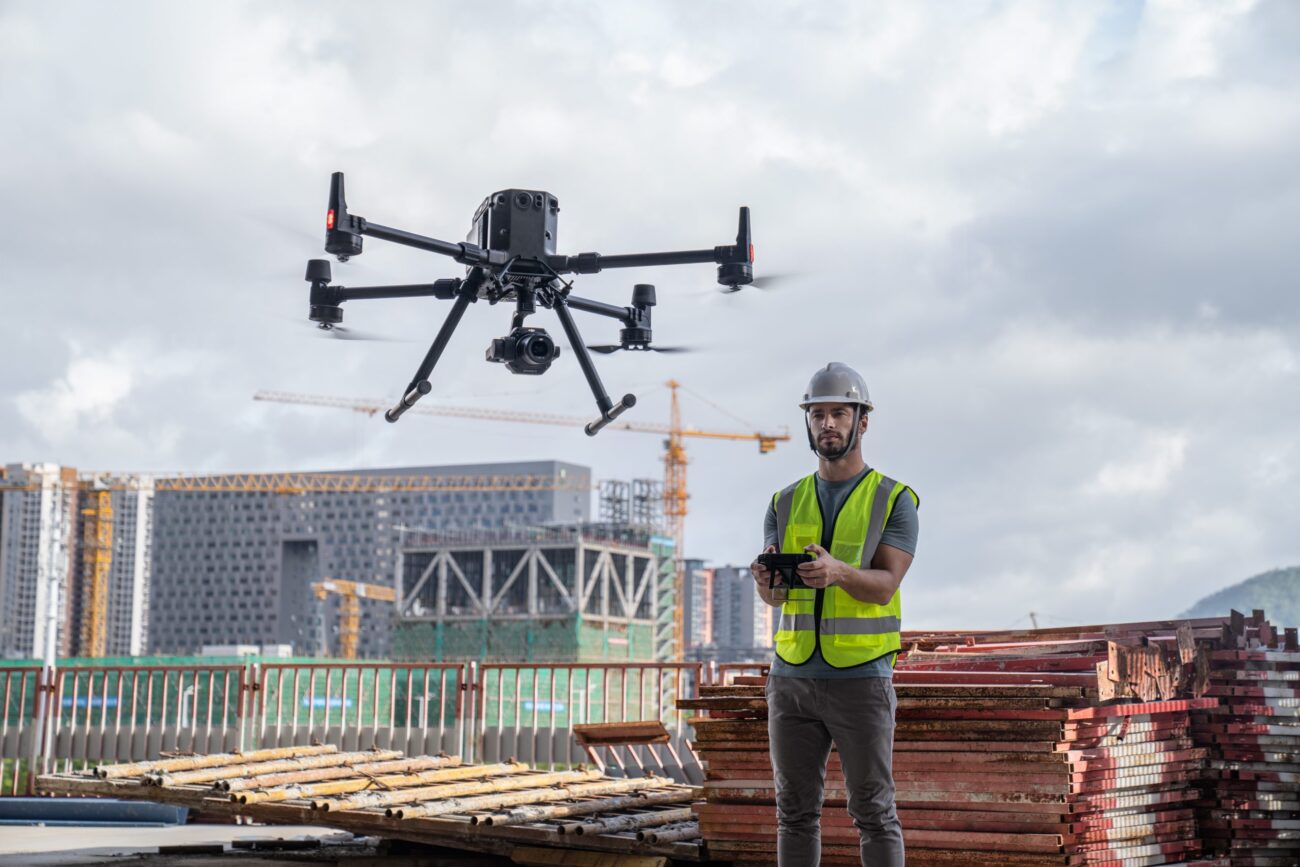
The best enterprise drone for asset inspection is not the same for every Irish business. A telecom mast, wind turbine, substation, bridge, roof, quarry, solar farm and industrial site all need different data. The right decision starts with the asset, the risk level and the report your team needs after the flight.
Quick answer: which drone should you choose?
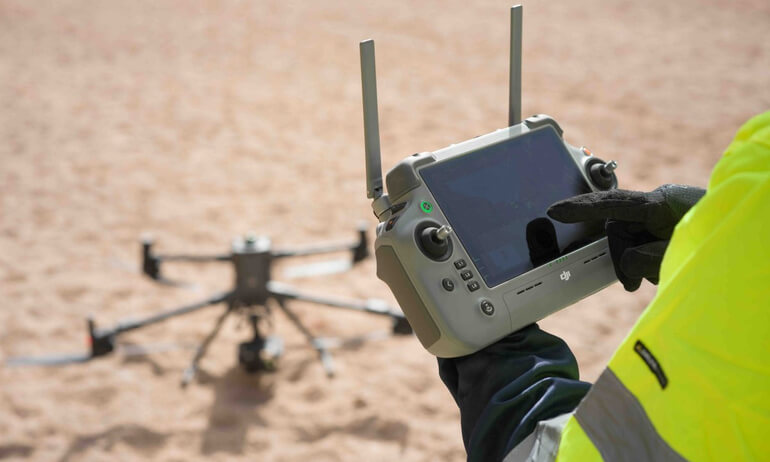
For most serious asset inspection work in Ireland, the strongest overall setup is DJI Matrice 400 with Zenmuse H30T. It gives long endurance, strong payload flexibility, powerful zoom, high-resolution thermal imaging, laser range finding and better room to grow as the inspection programme becomes more complex.
That does not mean every business should buy the biggest platform first. For fast site checks, compact thermal work and everyday inspections, DJI Matrice 4T may be the more practical first aircraft. For fixed sites that need scheduled or remote inspections, DJI Dock 3 with Matrice 4D or Matrice 4TD becomes the more strategic option. For measurable 3D asset modelling, corridor capture and geospatial deliverables, Zenmuse L3 on Matrice 400 should be considered.
Simple buying rule: choose Matrice 4T for fast portable inspection, Matrice 400 + H30T for demanding long-range inspection, Dock 3 for repeatable remote monitoring, and Zenmuse L3 when the deliverable is a point cloud, terrain model or measurable 3D record.
Best drone recommendations by inspection requirement
| Inspection requirement | Best DJI setup | Why it fits |
|---|---|---|
| Large infrastructure, utilities, wind, telecom, bridges, ports and industrial sites | Matrice 400 + Zenmuse H30T | Best all-round option for endurance, safer stand-off capture, zoom inspection, thermal evidence and payload flexibility. |
| Routine visual and thermal checks from a compact aircraft | Matrice 4T | Portable multi-sensor platform for faster deployment, smaller teams and practical everyday inspection work. |
| Remote site monitoring and scheduled repeat missions | DJI Dock 3 + Matrice 4D / 4TD | Designed for automated remote operations where site design, airspace and regulatory approvals support it. |
| LiDAR, 3D modelling, corridor survey and measurable asset documentation | Matrice 400 + Zenmuse L3 | Best suited when inspection data must become a point cloud, 3D model, terrain model or high-value geospatial deliverable. |
| Mapping-led construction, stockpile, site progress and orthomosaic work | Matrice 4E | More mapping-focused compact option when the priority is survey-style imaging rather than thermal inspection. |
Why asset inspection is such a strong drone use case in Ireland
Irish inspection work often involves exposed weather, rural sites, coastal wind, working-at-height risks, live infrastructure, restricted access and assets spread across large areas. A drone does not remove every site visit or engineering assessment, but it can reduce unnecessary climbing, reduce time near hazards and create a clearer visual record before maintenance teams commit people and equipment.
For building owners, utilities, telecom operators, solar farm managers, wind asset managers, civil engineers and contractors, the value is practical: inspect more assets, capture repeatable evidence and make better decisions with fewer access problems. A drone programme also helps teams compare the same asset over time, which is especially useful for roofs, facades, towers, substations, bridge elements, slopes, quarries and coastal structures.
Safer access
Use the aircraft to inspect elevated, remote or risky areas before sending people, lifts or rope-access teams.
Better evidence
Capture visual, zoom, thermal, LiDAR or mapping data that can be reviewed after the job, not just during the site visit.
Repeatable reporting
Repeat similar flight paths and compare results across monthly, quarterly or annual maintenance cycles.
Best overall: DJI Matrice 400 with Zenmuse H30T
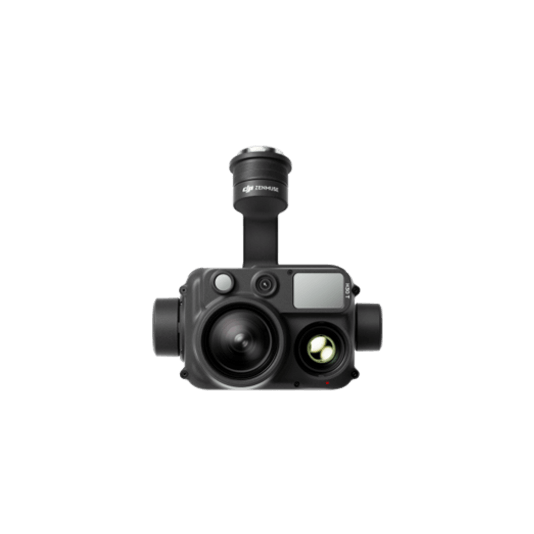
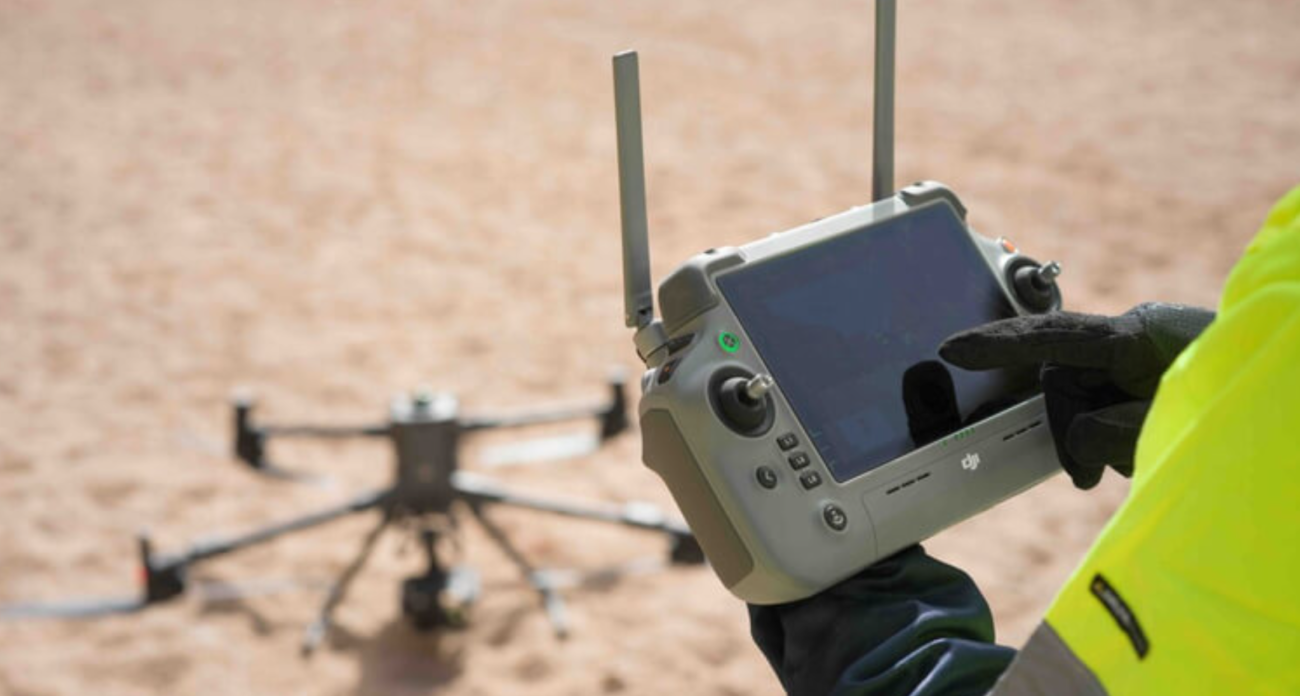
If one setup has to cover the widest range of professional inspection work, DJI Matrice 400 with Zenmuse H30T is the strongest recommendation. Matrice 400 is designed as a heavy-duty enterprise platform with long flight time, payload flexibility and advanced sensing. The H30T adds the inspection camera capability that most asset teams actually need: wide-angle context, long-range zoom, high-resolution thermal imaging, laser range finding and night-support capability through NIR illumination.
In real Irish inspection work, that combination is useful because many defects cannot be captured well from directly above the asset. Telecom tower components, bridge elements, roof details, wind turbine blades, substation equipment, port infrastructure and inaccessible facades often require stand-off viewing from safe positions. The zoom camera helps the operator inspect detail without moving too close to the structure, while the thermal camera adds evidence for heat anomalies, electrical issues, solar module faults and night or low-light context.
| Feature | Inspection value |
|---|---|
| 59-minute flight time | Useful for larger assets, repeat passes, long site days and more complete data capture before changing batteries. |
| Up to 6 kg payload capacity | Allows the same aircraft to support different payload strategies over time, including inspection and LiDAR workflows. |
| H30T zoom and thermal camera | Supports defect review, component checks, thermal anomaly detection and safer stand-off inspection. |
| Laser range finder | Adds distance and position context when inspecting towers, structures, roofs, power assets and emergency scenes. |
| Advanced obstacle sensing | Important around complex industrial assets, wires, bridge structures, tall buildings and confined site layouts. |
Best compact option: DJI Matrice 4T
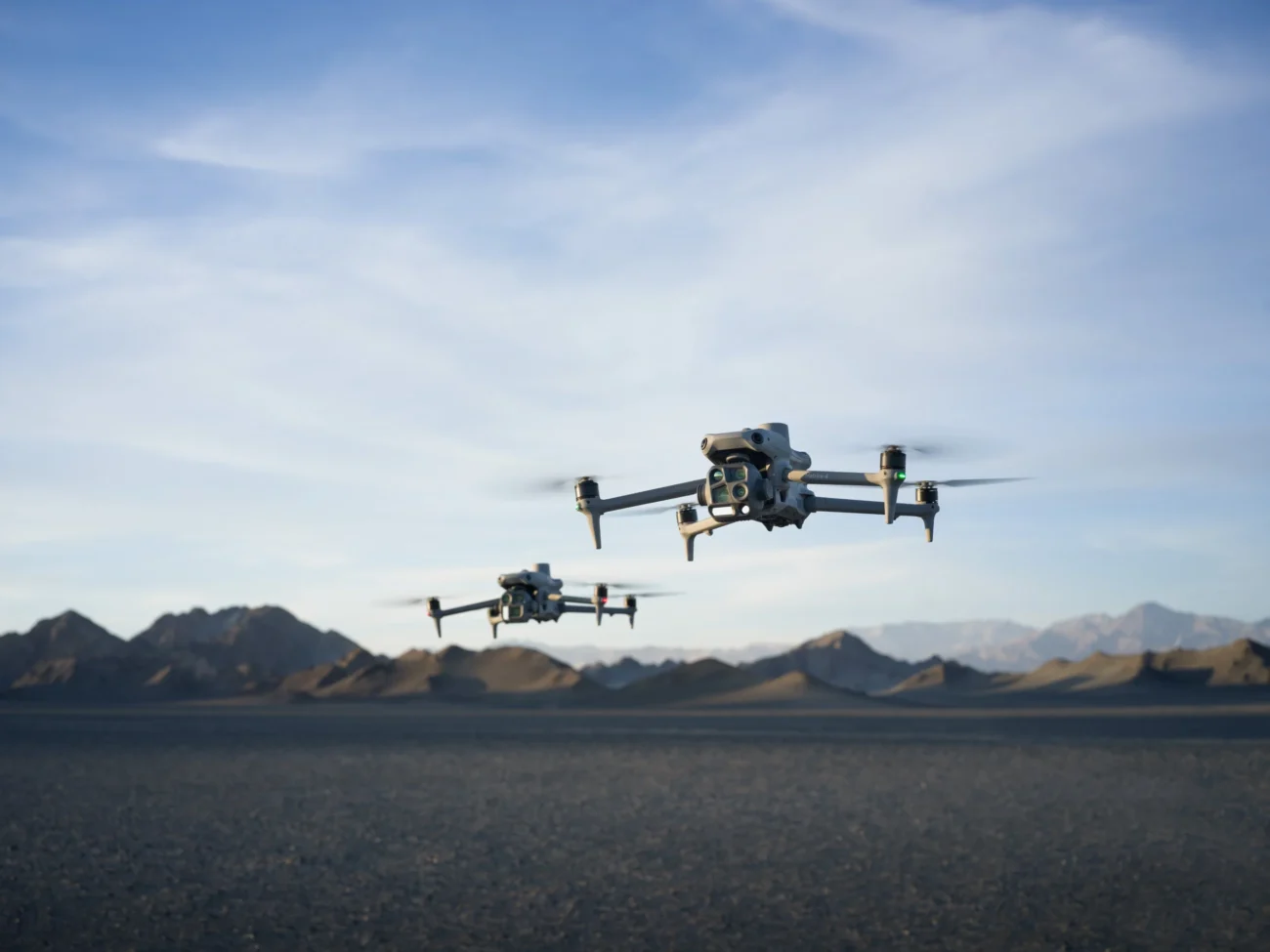
For many Irish companies, DJI Matrice 4T is the more realistic daily inspection aircraft. It is compact, faster to deploy and still gives the team a multi-sensor toolset for visual, zoom, thermal and low-light work. It is a strong fit for roof inspections, building facades, site safety checks, smaller solar sites, industrial yards, emergency call-outs and routine asset condition checks.
Matrice 4T is especially useful when the team needs to move quickly between sites. It will not replace Matrice 400 for the most demanding payload-heavy inspections, but it can become the everyday workhorse for many businesses that need good data without a large enterprise flight setup every time.
Use Matrice 4T when: the job is mobile, the site is smaller, the team needs thermal evidence, and the inspection does not require a specialist payload such as Zenmuse H30T or Zenmuse L3.
Best for remote inspections: DJI Dock 3 with Matrice 4D or 4TD
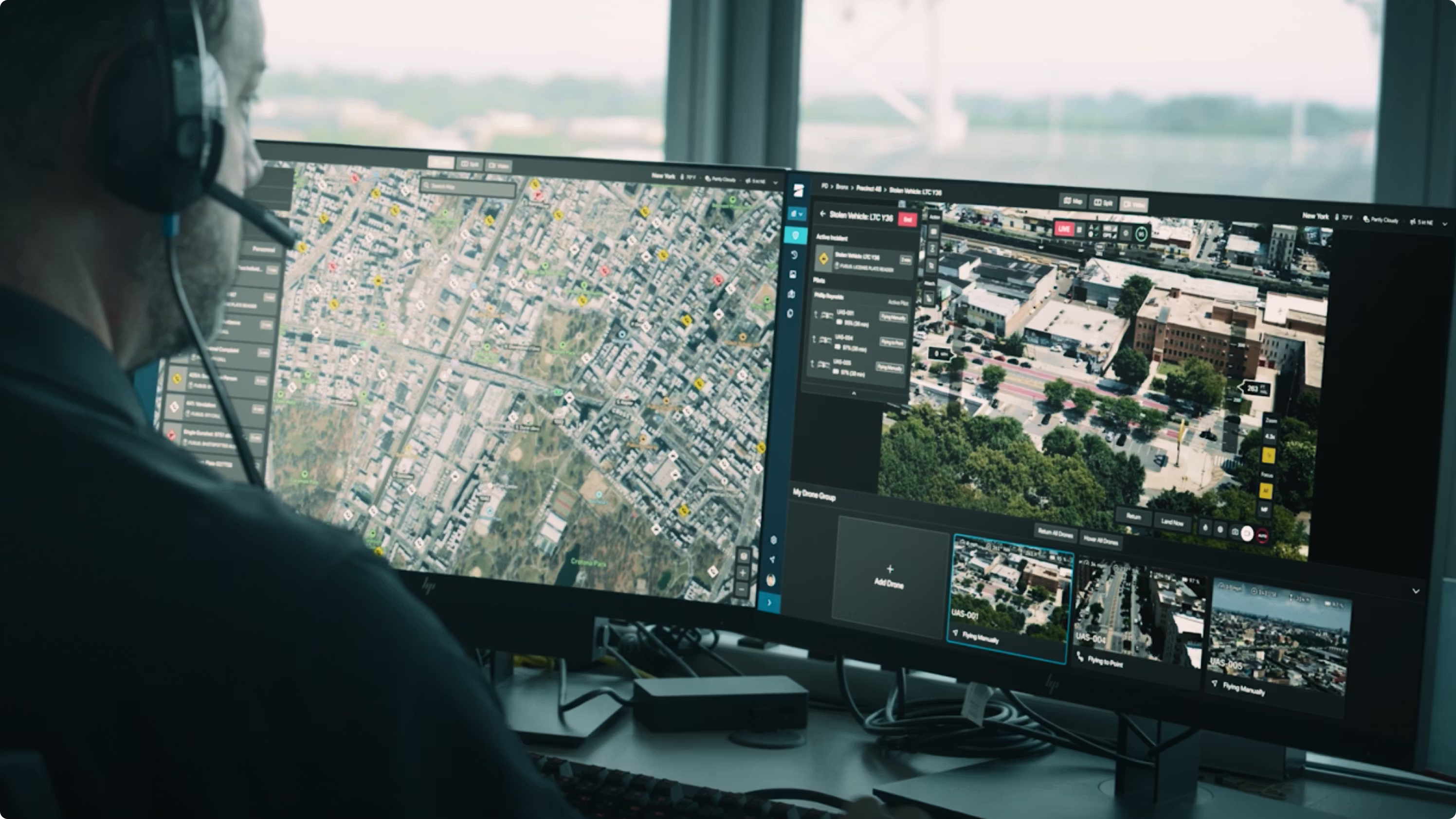
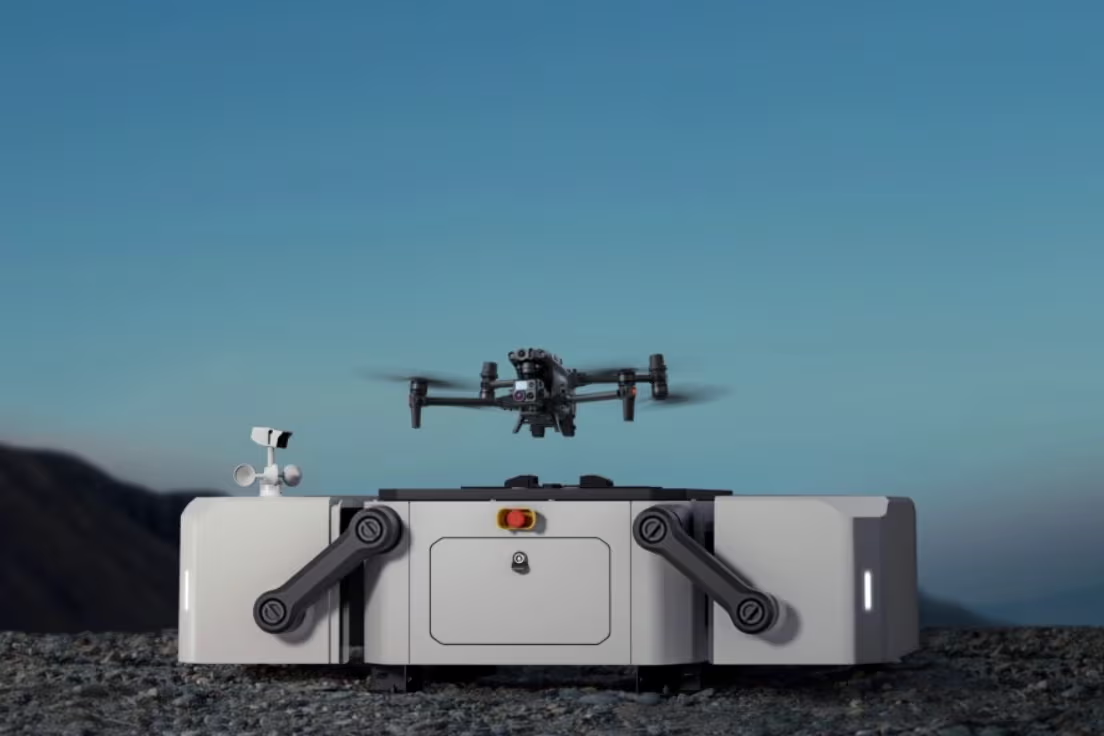
For a fixed asset owner, the future of drone inspection is not only about flying a drone manually. It is about repeatable data capture from a known location. DJI Dock 3 with Matrice 4D or Matrice 4TD is designed for remote operations, scheduled missions and faster response from a docked aircraft.
This is relevant for industrial plants, ports, large construction sites, solar farms, utility compounds, security-sensitive sites and emergency-response locations. The benefit is consistency: the drone can fly the same route, capture the same views and create a repeatable inspection record. However, this type of operation must be planned carefully around site permissions, network connection, security, maintenance, airspace, emergency procedures and Irish operational approval where required.
Important: Dock-based inspection can be powerful, but it should not be sold as a simple plug-and-play replacement for compliance planning. The site, flight route, people risk, airspace and authorisation route must be assessed before deployment.
Best for 3D asset data: Matrice 400 with Zenmuse L3
Some inspections do not end with photos. Engineering teams may need a point cloud, cross-section, terrain model, corridor survey, stockpile calculation, structural context or digital twin-style record. In those cases, Zenmuse L3 becomes a more relevant payload than a camera-only solution.
This is useful for quarries, earthworks, roads, bridges, rail corridors, slopes, forestry edges, coastal structures, powerline corridors and large industrial assets where the output needs to be measured and modelled. The key question is not “Can the drone see the asset?” but “Can the drone produce the dataset the engineer or survey team needs?”
Use Zenmuse L3 when: the inspection programme requires LiDAR capture, measurable 3D documentation, vegetation penetration, corridor modelling or a geospatial deliverable rather than imagery alone.
How to choose by asset type
Powerlines and substations
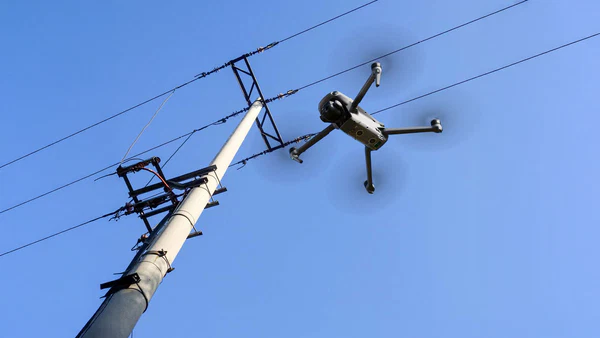
For powerline and substation work, the inspection often requires thermal evidence, component-level visual detail, safe separation from live infrastructure and clear records for engineering review. Matrice 400 with H30T is the strongest choice for higher-value and more complex work. Matrice 4T can handle smaller or faster thermal checks where portability matters.
Solar farms
Solar inspection needs thermal imaging with enough context to identify where the problem is located. Matrice 4T can be a practical option for smaller sites and routine checks. Larger solar farms, mixed terrain and more demanding documentation may justify Matrice 400 with H30T, especially where the operator wants longer endurance and stronger camera flexibility.
Wind turbines
Wind turbine inspection benefits from zoom detail, repeatable capture and safer stand-off positioning. Matrice 400 with H30T is the better fit for serious blade, nacelle and tower inspection programmes. A compact drone may support site overview and fast checks, but the main inspection workflow usually benefits from the larger enterprise platform.
Telecom towers and masts
Telecom inspection often focuses on antenna panels, brackets, cabling, mounts, corrosion, storm damage and general site condition. Matrice 400 with H30T gives excellent stand-off inspection capability, while Matrice 4T is useful where the job is smaller, faster and less complex.
Roofs, facades and commercial buildings
For roofs and building facades, the best drone depends on the building size and required evidence. Matrice 4T is often the practical first choice for roof condition checks, gutter lines, facade anomalies and thermal context. Matrice 400 with H30T is more suitable for larger commercial assets, difficult access, higher stand-off distances or more complex reporting.
Roads, bridges, harbours and industrial infrastructure
Large infrastructure can combine visual inspection, thermal checks, mapping and 3D documentation. Matrice 400 is usually the better core platform because it can support H30T for inspection and L3 for LiDAR workflows. Matrice 4E may be useful for compact mapping tasks, while Dock 3 can support repeat monitoring at fixed sites where the operational conditions are suitable.
Recommended inspection workflow
- Define the asset and risk. Is the job a roof, mast, turbine, substation, solar farm, bridge, harbour, road corridor or industrial plant?
- Define the deliverable. Do you need photos, zoom detail, thermal evidence, video, a map, a point cloud or a repeat inspection route?
- Choose the platform. Use Matrice 4T for compact inspection, Matrice 400 for more demanding work, Dock 3 for remote repeat missions and Zenmuse L3 for 3D geospatial outputs.
- Plan permissions and airspace. Review the site, people risk, property permission, UAS geographical zones, NOTAMs, privacy, insurance and the correct operational category.
- Capture with a reporting structure. Fly a consistent route, name image sets properly and record asset locations so the data can be used after the flight.
- Turn data into decisions. The final output should help maintenance teams prioritise repair, plan access, document condition or compare change over time.
Irish compliance and operational planning
Professional drone inspection in Ireland must be planned within the Irish Aviation Authority and EASA framework. Operators should consider registration, pilot competency, insurance, privacy, site permission, airspace, UAS geographical zones and whether the operation stays within Open Category limits or requires a Specific Category route.
Large enterprise aircraft, industrial sites, restricted locations, BVLOS concepts, flights near uninvolved people, road or rail corridors and dock-based operations can quickly become more complex than a simple low-risk flight. The aircraft is only one part of the solution. A safe operating procedure, competent pilot, correct authorisation route and proper site risk assessment are just as important.
Note: this guide is written for product selection and SEO content. It is not legal advice. Always check current IAA and EASA requirements before flying or purchasing equipment for a regulated inspection programme.
FAQ: enterprise drones for asset inspection in Ireland
What is the best overall enterprise drone for asset inspection?
For demanding professional inspection work, the best overall choice is DJI Matrice 400 with Zenmuse H30T. It gives the strongest balance of endurance, payload flexibility, zoom inspection, thermal imaging and long-term fleet capability.
Is Matrice 4T enough for inspection work?
Yes, for many routine inspection jobs. Matrice 4T is a strong compact option for roof inspections, site checks, smaller utility assets, thermal screening and fast deployment. For larger or higher-risk work, Matrice 400 with H30T is usually the stronger professional setup.
When should I choose Zenmuse L3?
Choose Zenmuse L3 when the deliverable is measurable 3D data, LiDAR, terrain modelling, corridor documentation, stockpile measurement or asset modelling. If the report only needs visual and thermal inspection, H30T may be the better payload.
Is DJI Dock 3 suitable for inspection?
Yes, where the site and regulatory route support remote or automated missions. Dock 3 is best for repeat inspections from a fixed location, such as industrial sites, ports, solar farms, utility compounds and security-sensitive facilities.
Should one company buy one drone for every inspection job?
Not always. Many Irish inspection teams will get a better long-term result from a two-tier fleet: Matrice 4T for fast everyday work, plus Matrice 400 with H30T or L3 for complex inspection and high-value data capture.
Final recommendation
Best overall: DJI Matrice 400 with Zenmuse H30T.
Best compact inspection drone: DJI Matrice 4T.
Best remote inspection setup: DJI Dock 3 with Matrice 4D or Matrice 4TD.
Best LiDAR and 3D asset data option: DJI Matrice 400 with Zenmuse L3.
For most Irish businesses, the smartest buying decision is to define the inspection output first. If the goal is safer visual and thermal evidence, choose the camera platform. If the goal is repeat monitoring, choose the dock strategy. If the goal is measured 3D data, choose the LiDAR workflow. Once the deliverable is clear, the right DJI enterprise drone becomes much easier to choose.
Need help choosing an enterprise drone for inspection?
IrishDrone can help you compare Matrice 400, Zenmuse H30T, Matrice 4T, Matrice 4E, DJI Dock 3 and Zenmuse L3 based on your asset type, site conditions and reporting requirements.
Leave a comment