
Ireland Utilities Inspection Guide
For Irish utilities, renewable energy operators and engineering teams, the best inspection drone is not simply the aircraft with the longest flight time. The right choice depends on the asset, the sensor, the safety distance, the data you need to deliver and the level of repeatability required across each site.
Quick answer: which drone should you choose?
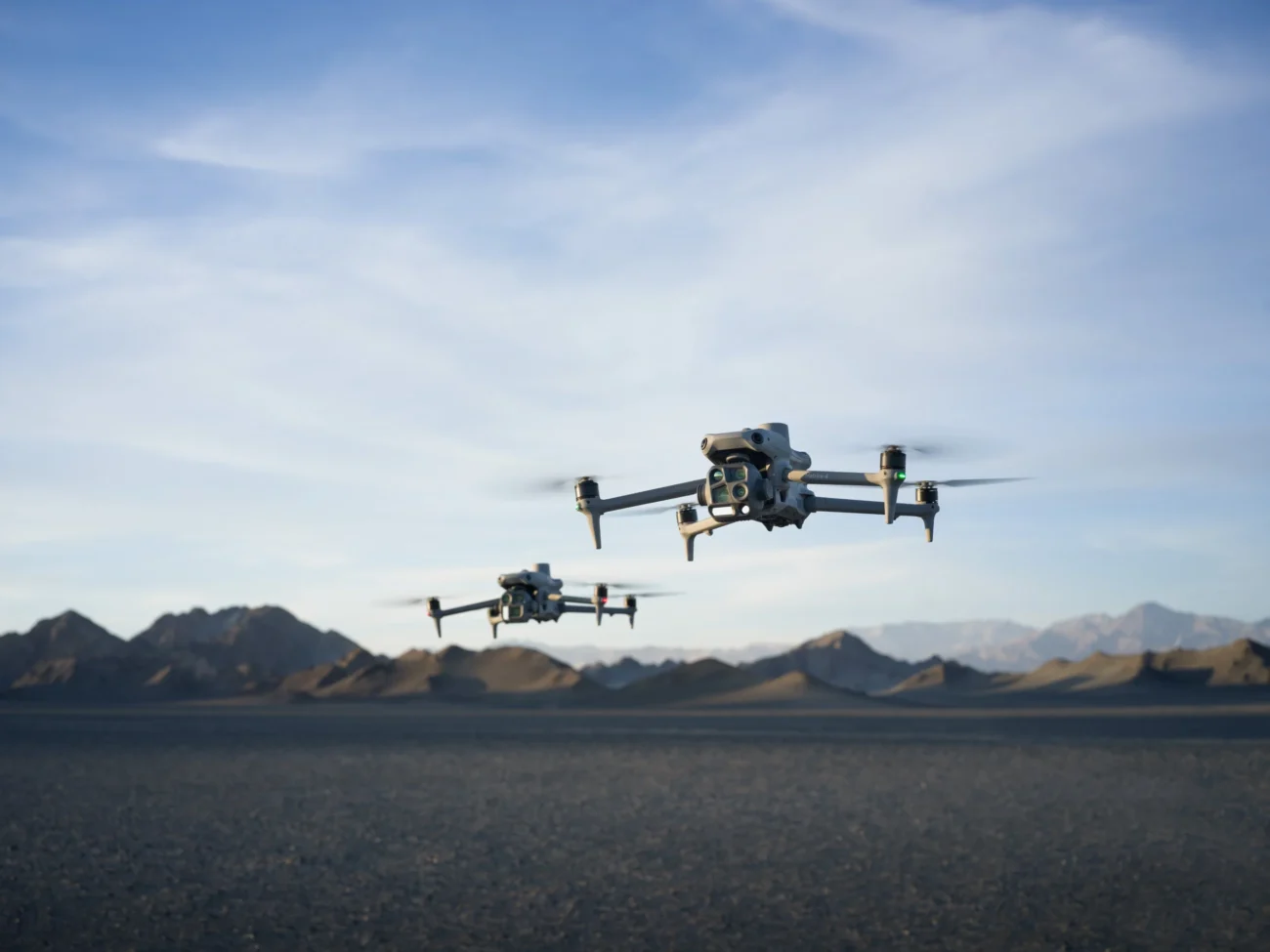
For a serious utilities inspection programme in Ireland, the strongest all-round setup is DJI Matrice 400 with Zenmuse H30T. It is the best fit when the job involves transmission lines, substations, large solar farms, wind turbines, exposed rural sites, long inspection days or a need to capture both visible and thermal evidence from a safer stand-off distance.
Best overall
DJI Matrice 400 + Zenmuse H30T for large-scale utility inspection, thermal work and stand-off zoom inspection.
Best portable option
DJI Matrice 4T for compact day-to-day inspection, faster deployment and small-team thermal missions.
Best remote workflow
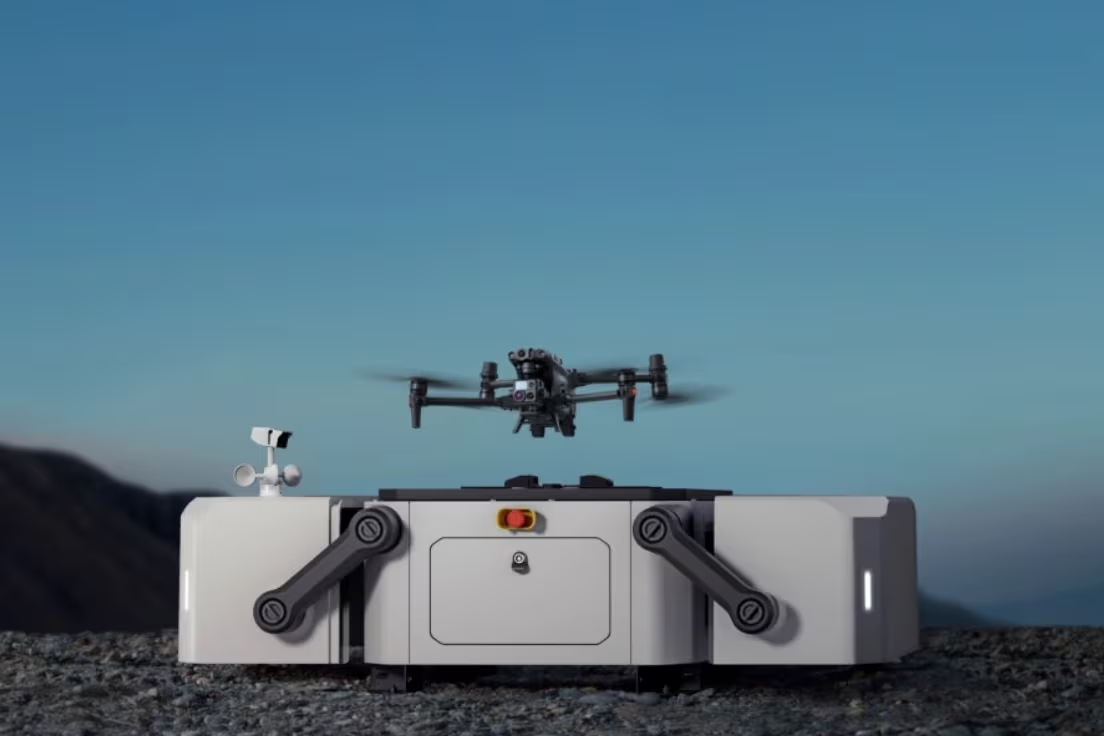
DJI Dock 3 with Matrice 4TD for repeated remote inspections of suitable fixed sites.
Why utility inspection needs a different drone decision
Utility assets are not inspected like normal buildings or simple marketing sites. A powerline inspection may require the operator to read the condition of insulators, crossarms, conductor hardware and vegetation risks without moving too close to live infrastructure. A solar farm inspection may require thermal evidence across many strings and rows, not just a few attractive aerial photographs. A wind turbine inspection may involve documenting blade surface defects, leading-edge erosion and nacelle condition in exposed conditions.
In Ireland, these jobs are shaped by practical site realities: wind, coastal exposure, wet ground, uneven rural access, narrow roads, live electrical assets, restricted airspace, landowner permissions and the need to produce a clear engineering record. That is why the best drone is the one that supports the complete workflow: safe flight planning, suitable sensor selection, repeatable data capture, reliable reporting and compliance with Irish aviation rules.
A lightweight drone can be useful for quick visual checks, but it may not be the right answer for serious utility inspection. Utilities work often needs zoom, thermal imaging, stable flight, robust transmission, RTK positioning, obstacle awareness, strong endurance and a practical way to organise data after the flight.
The main DJI Enterprise options for Irish utilities
| Drone / Setup | Best for | Why it works | When not to choose it |
|---|---|---|---|
| Matrice 400 + Zenmuse H30T | Powerlines, substations, large solar farms, wind turbines, industrial utilities | Long endurance, high payload flexibility, strong zoom, thermal imaging and a professional platform for demanding inspection work. | Too large if the team only needs a compact drone for occasional quick checks. |
| Matrice 4T | Routine inspections, smaller solar sites, first response, smaller teams | Portable thermal inspection drone with visual cameras, laser rangefinding and a fast deployment workflow. | Not the best choice where heavy payload flexibility or the strongest stand-off inspection capability is required. |
| Dock 3 + Matrice 4TD | Remote sites, scheduled patrols, repeated thermal monitoring, fixed industrial locations | Designed for automated and remote operations when the site, permissions and operational model support that workflow. | Not suitable as a simple one-off inspection purchase; requires planning, training, deployment design and compliance review. |
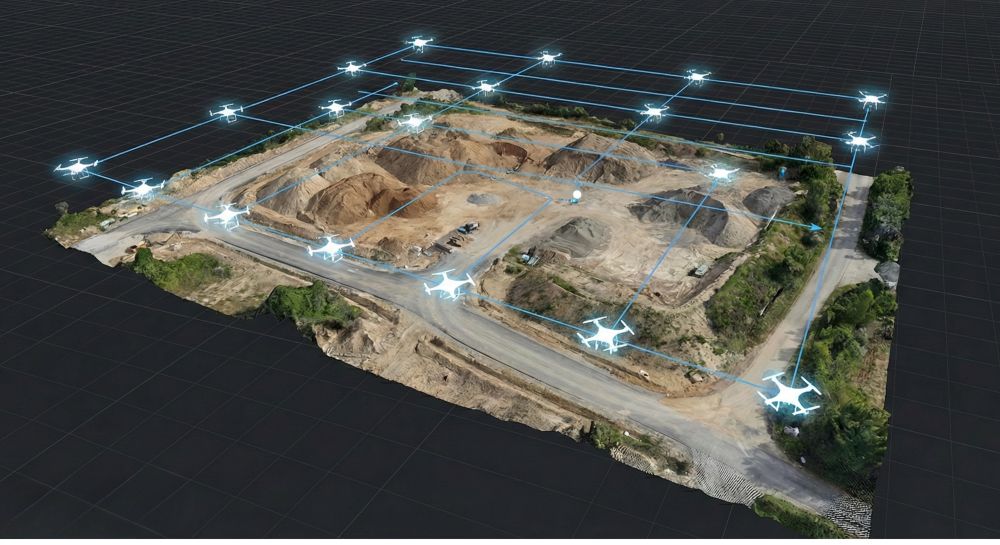
| Matrice 4E | Mapping, survey context, site models, corridor mapping, construction or engineering deliverables | Excellent when the requirement is accurate visual mapping rather than thermal diagnosis. | Not the first choice when thermal inspection is the main requirement. |
1. Best drone for powerline inspection in Ireland
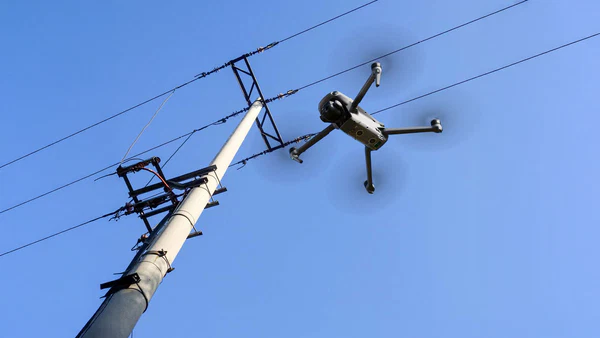
For powerline inspection, the priority is not just getting close. The priority is collecting clear evidence while keeping a safer separation from live infrastructure. Operators need to document visible defects, damaged components, corrosion, vegetation risks, storm damage and heat-related anomalies where thermal inspection is suitable.
Recommended setup: DJI Matrice 400 with Zenmuse H30T. This combination is the best fit for larger transmission and distribution programmes because it combines a strong enterprise airframe with high-resolution zoom, thermal imaging and laser rangefinding in one inspection payload.
What the drone should capture
- Insulators, crossarms, conductor fittings and pole or tower hardware.
- Evidence of corrosion, broken parts, missing fixings or impact damage.
- Vegetation encroachment near lines and access constraints along the route.
- Thermal anomalies that may require follow-up by qualified electrical specialists.
- Wide overview images that help engineers understand the asset location and surrounding risk.
For smaller distribution checks or rapid response after storms, the DJI Matrice 4T is a practical alternative. It is easier to deploy quickly and still gives a strong inspection feature set for small teams. However, where the job requires the strongest zoom, longer endurance and a scalable inspection platform, Matrice 400 with H30T is the more complete solution.
2. Best drone for solar farm inspection
Solar farm inspection is different from general infrastructure photography because the most valuable data is often thermal. The goal is to identify patterns that could indicate faulty modules, string-level problems, soiling differences, diode issues, installation defects or electrical concerns that need further technical investigation.
Recommended setup for larger solar sites: Matrice 400 with Zenmuse H30T. It is suitable for larger solar farms where long endurance, thermal data, visual confirmation and repeatable reporting are important. The zoom camera can support visual review, while the thermal camera helps highlight areas that may need closer engineering assessment.
Recommended setup for smaller solar inspection teams: Matrice 4T. It is a strong portable option for smaller farms, rooftop PV systems, maintenance contractors and quick fault-check missions where a compact thermal drone is more practical than a larger enterprise platform.
Important: Drone thermal data should support maintenance decisions, not replace electrical testing or professional diagnosis. Solar inspection results should be reviewed by qualified solar or electrical professionals before corrective work is planned.
A good solar inspection report should include
- Site overview and flight area record.
- Thermal images linked to the relevant string, row or module area.
- Visual confirmation images where useful.
- Priority categories for suspected anomalies.
- Clear recommendations for ground follow-up and electrical verification.
3. Best drone for wind turbine inspection
Wind turbine inspection requires careful planning because the asset is tall, exposed and often located in windy rural or coastal areas. A drone can help reduce the need for rope access during preliminary inspections, improve the speed of visual data capture and create a repeatable record of blade, nacelle and tower condition.
Recommended setup: Matrice 400 with Zenmuse H30T. For wind turbine inspection, the key value is stand-off observation. Strong zoom helps the pilot capture detailed images while maintaining safer distance from the structure. Thermal imaging can support certain condition checks, but high-quality visible imagery is usually the primary inspection record for blade surface condition.
Typical wind turbine inspection targets
- Blade leading-edge erosion and surface wear.
- Lightning strike evidence or suspected impact damage.
- Cracks, coating defects and visible blade surface anomalies.
- Nacelle, hub and tower external condition.
- Access roads, hardstands and surrounding safety conditions.
For small service providers, Matrice 4T can still be useful for quick site checks and closer range visual/thermal awareness. For demanding wind programmes, however, the larger Matrice 400 platform gives more room to grow into a complete inspection workflow.
When does DJI Dock 3 make sense for utilities?
DJI Dock 3 becomes attractive when the site needs repeated inspections rather than occasional visits. Examples include solar farms that require recurring thermal patrols, industrial energy sites, substations, remote infrastructure compounds, water facilities, ports, logistics sites or security-sensitive locations where rapid aerial awareness is valuable.
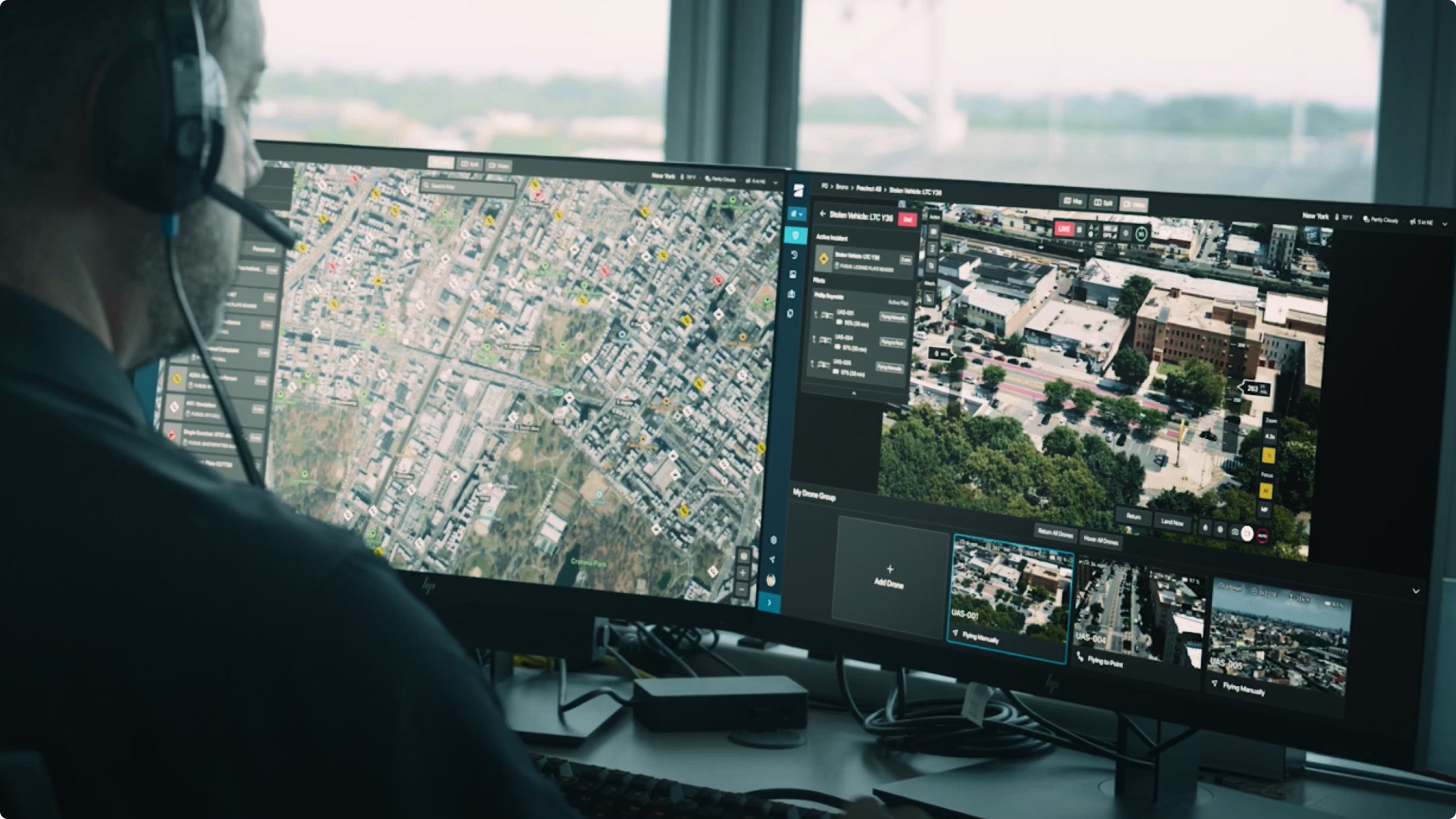
Dock 3 with Matrice 4TD is not simply a replacement for a pilot arriving with a drone case. It is a different operational model. The site needs a suitable dock location, communications planning, maintenance process, safe mission design, clear operating procedures and the correct permissions for the intended flights.
Good fit for Dock 3
- Repeated missions at the same site.
- Remote sites with high travel cost.
- Emergency situational awareness.
- Planned patrol routes and known inspection targets.
Poor fit for Dock 3
- One-off inspections.
- Unclear site permissions.
- Changing locations every day.
- No internal owner for safety and data management.
A practical utilities inspection workflow
A good drone programme is built around a repeatable workflow. The aircraft and payload matter, but the value comes from how the data is captured, labelled, reviewed and used by engineers or maintenance teams.
- Define the inspection question. Are you looking for visible defects, thermal anomalies, storm damage, vegetation risk, asset inventory or progress records? The mission should be designed around the answer.
- Select the right sensor. Use zoom for detailed visual evidence, thermal for heat-related inspection, RTK or mapping tools where repeatable location data is important.
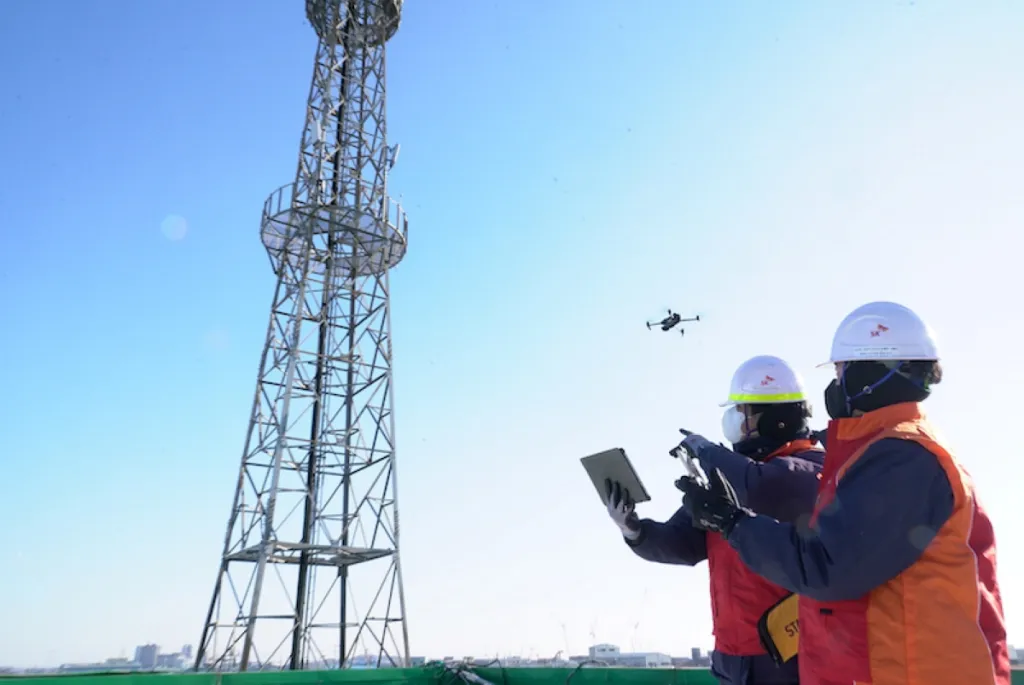
- Plan the site and airspace. Review access, people, roads, livestock, powerline hazards, take-off points, weather, emergency procedures and UAS Geographic Zones before flying.
- Capture overview first, detail second. Start with wide contextual images. Then capture targeted close inspection images or thermal data for each asset.
- Label and organise the data. Images should be useful to the person reviewing them later. Asset ID, location, direction, time and inspection notes matter.
- Create a report that supports action. The final output should help the client prioritise repairs, schedule follow-up checks and compare conditions over time.
Which setup should your team buy?
Choose Matrice 400 + H30T if…
You need one serious enterprise platform for powerlines, substations, wind turbines, large solar sites, emergency response and high-quality inspection evidence.
Choose Matrice 4T if…
You want a compact, fast-deployment inspection drone for small teams, routine site visits, smaller solar work and quick thermal awareness.
Choose Dock 3 + 4TD if…
You have a repeatable fixed-site requirement and want remote or automated inspection capability with the right procedures and permissions in place.
Add Matrice 4E if…
Your utilities work also needs mapping deliverables, site models, construction records or corridor context rather than thermal inspection only.
Ireland compliance considerations
Utilities inspection can involve complex environments, critical infrastructure, restricted airspace, nearby roads, people, buildings, railways or beyond visual line of sight operations. In Ireland, operators should review the relevant IAA requirements, UAS Geographic Zones, NOTAMs, site permissions and insurance before the flight.
For advanced operations, complex sites, BVLOS work or flights in restricted or prohibited airspace, an Operational Authorisation may be required. This should be checked before building a drone programme around a specific workflow, especially for Dock 3 or remote inspection operations.
This article is a buying and workflow guide, not legal advice. Final decisions should be based on your operational category, site risk assessment, pilot competency, aircraft configuration and the current IAA/EASA requirements at the time of operation.
FAQ
What is the best DJI drone for utilities inspection in Ireland?
For demanding utility inspection work, DJI Matrice 400 with Zenmuse H30T is the best all-round choice. It gives the strongest balance of endurance, payload flexibility, zoom, thermal imaging and enterprise workflow capability.
Which drone is best for powerline inspection?
For transmission lines, substations and demanding grid inspections, Matrice 400 with H30T is the recommended setup. For smaller distribution checks or rapid response tasks, Matrice 4T is a practical portable option.
Which drone is best for solar farm inspection?
For larger solar farms, Matrice 400 with H30T is recommended because it supports longer missions and thermal inspection workflows. For smaller sites or contractors who need a compact solution, Matrice 4T can be a strong fit.
Can drones inspect wind turbines?
Yes. Drones can support wind turbine visual inspection by capturing blade, nacelle and tower evidence from the air. Final interpretation should be completed by qualified turbine or blade inspection professionals.
Is thermal imaging necessary for utilities inspection?
Thermal imaging is very useful for solar, electrical and some industrial inspections, but it is not required for every task. Many wind turbine and structural inspections rely primarily on high-quality visible imagery and zoom.
Is DJI Dock 3 suitable for utility companies?
Dock 3 is suitable where a utility or site owner needs repeated remote missions from a fixed location. It is less suitable for one-off inspections or constantly changing job sites.
Do I need Operational Authorisation in Ireland?
It depends on the operation. Complex environments, BVLOS work, restricted airspace or operations outside Open Category limits may require the correct authorisation. Check IAA requirements before flying.
Should I buy Matrice 4T or Matrice 400?
Choose Matrice 4T if portability and quick deployment are your priority. Choose Matrice 400 if you want the stronger long-term platform for larger, more demanding and more varied utility inspection work.
Need help choosing a utilities inspection drone?
Irish Drone can help you compare DJI Matrice 400, Zenmuse H30T, Matrice 4T, Matrice 4E and DJI Dock 3 for real inspection work in Ireland. The right recommendation depends on your assets, inspection frequency, pilot setup, reporting needs and compliance requirements.

Leave a comment