
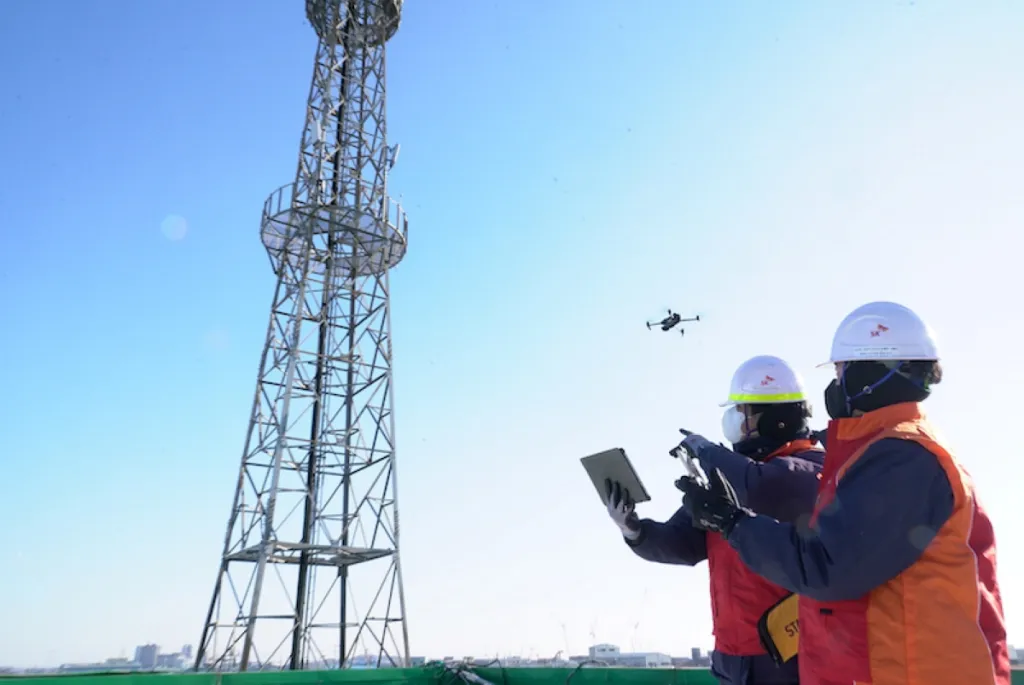
Quick Recommendation
Why Telecom Tower Inspection Needs a Specialist Drone Setup
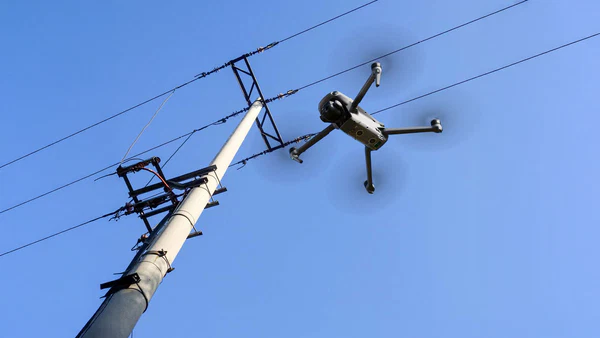
A telecom tower is not the same as a simple roof or field inspection. The aircraft may need to work near guy wires, antennas, rooftop structures, fencing, power cabinets, access roads and exposed hilltop conditions. The operator also needs enough image detail to support engineering decisions without sending a climber onto the mast unless physical work is required.
For Irish sites, this matters even more. Many masts and broadcast assets are located in rural, coastal or elevated areas where weather changes quickly and access is limited. A good drone workflow can reduce unnecessary climbs, shorten site visits, improve safety documentation and help maintenance teams prioritise what needs fixing first.
The real inspection target
Antennas, brackets, dishes, feeders, cable routes, lightning protection, mast paint, corrosion points, compound fencing and cabinet condition.
The real business outcome
A clear report that shows what was checked, where defects are located, what needs follow-up and whether a climbing crew is actually required.
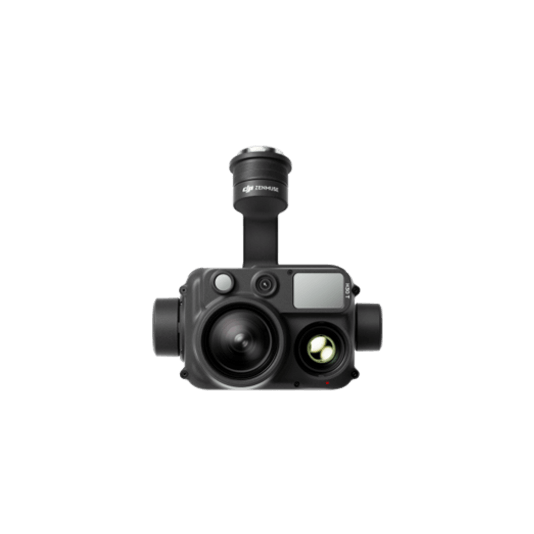
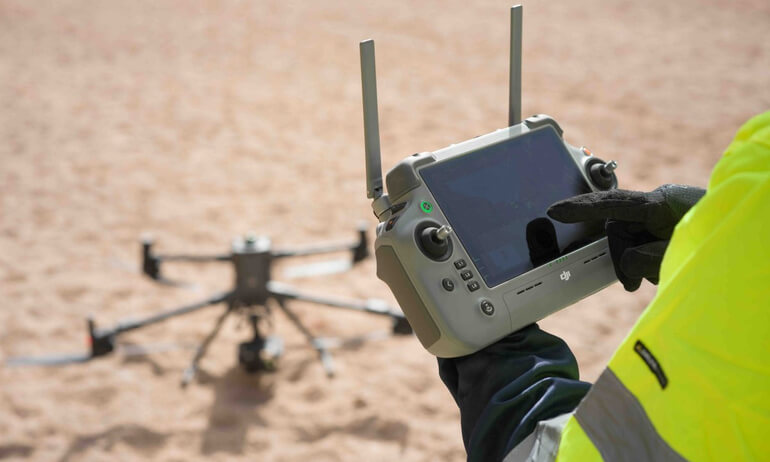
Best Overall: DJI Matrice 400 + Zenmuse H30T
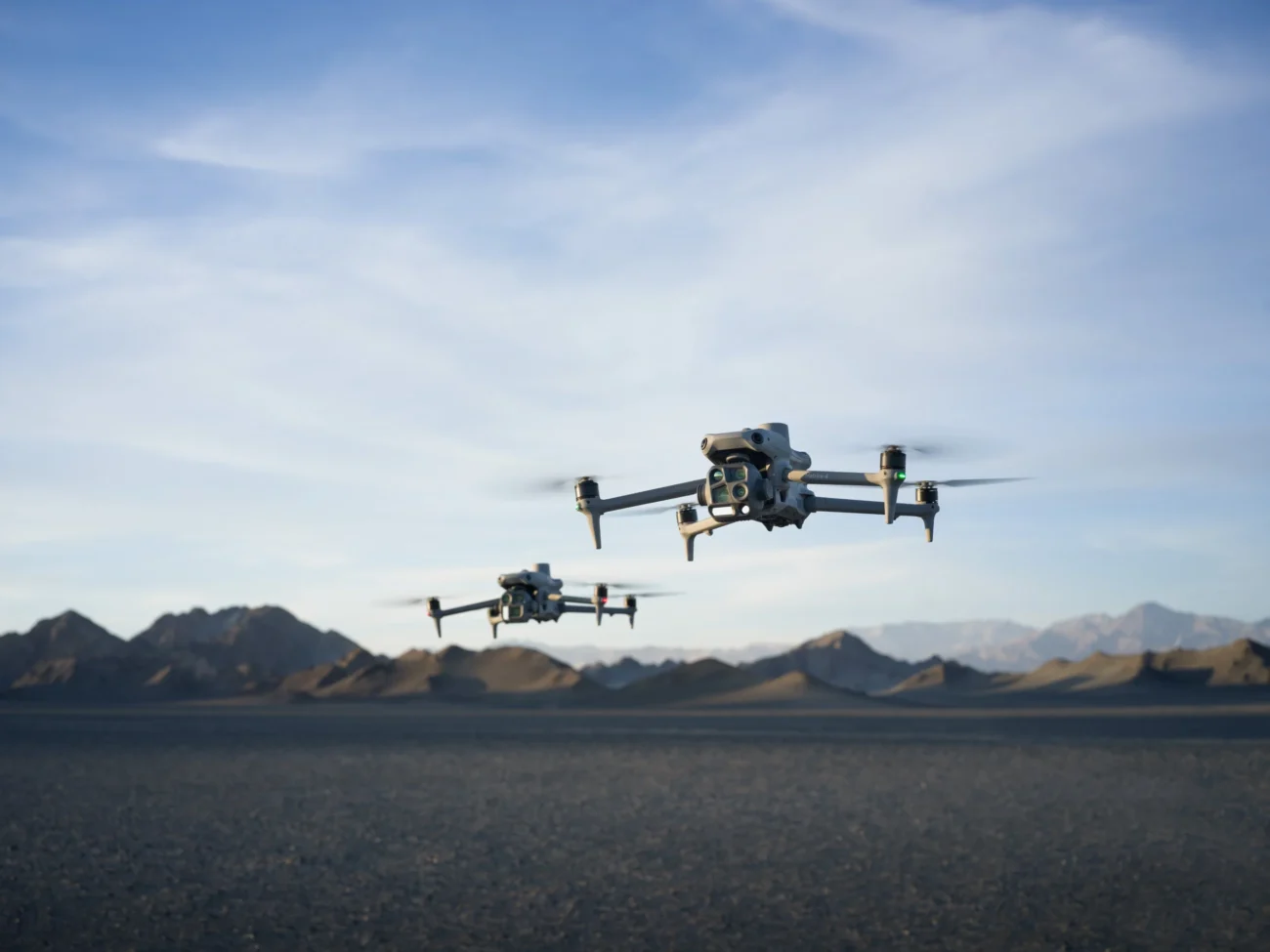
For telecom tower inspection companies that need the most complete capability, DJI Matrice 400 paired with Zenmuse H30T is the strongest recommendation. Matrice 400 gives the team the flight endurance and payload flexibility needed for complex infrastructure work, while H30T provides the zoom, thermal and range-finding data that telecom inspections usually require.
Best fit: telecom tower portfolios, broadcast masts, shared infrastructure sites, coastal masts, hilltop towers, larger compounds and inspection teams that need detailed image evidence without flying unnecessarily close to the structure.
What to Inspect on a Telecom Tower
A strong tower inspection is not just a set of attractive aerial photos. It should follow a consistent checklist so the data can be compared across sites and over time.
| Inspection Area | What the Drone Should Capture | Why It Matters |
|---|---|---|
| Antenna panels and dishes | Alignment, visible damage, mounting points, missing covers and external condition. | Helps identify defects before they become service-impacting issues. |
| Brackets and mounts | Corrosion, loose-looking fixings, deformation, damaged paint and weather exposure. | Supports maintenance planning and targeted climbing work. |
| Cables and feeders | Cable routing, sagging, external abrasion, clips, ties and visible connection issues. | Gives engineers a visual record before a field repair team is sent. |
| Lightning protection | Air terminals, conductors, earth connections and visible damage after storms. | Important for exposed Irish sites and post-storm checks. |
| Compound and cabinets | Fencing, gates, access road, cabinet roof condition, drainage and vegetation growth. | Provides useful site context before dispatching ground teams. |
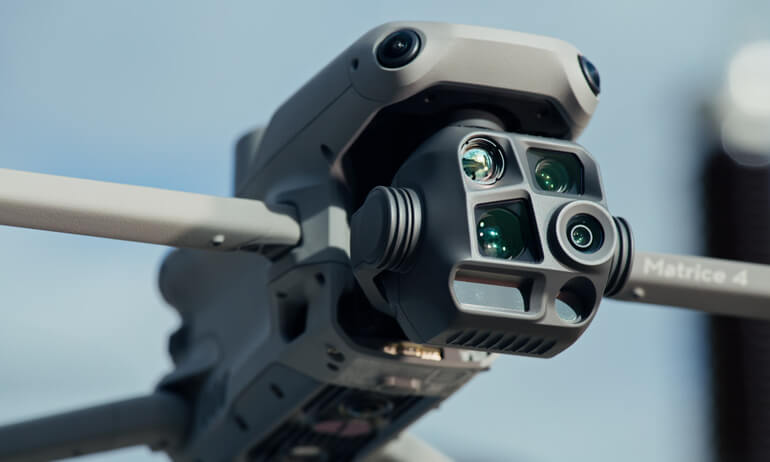
Best Compact Option: DJI Matrice 4T
For many Irish contractors, DJI Matrice 4T may be the more practical day-to-day choice. It is compact, quick to deploy and designed for inspection and public-safety workflows. It does not offer the same payload expansion as Matrice 400, but it gives smaller teams a strong integrated visual and thermal inspection system.
Matrice 4T is especially useful for rooftop telecom sites, smaller masts, compound checks, emergency callouts, private networks, facilities management and mixed inspection work where the same aircraft may be used for towers, roofs, solar, security and general infrastructure checks.
Choose Matrice 4T when…
Your team needs a portable drone for fast deployment, smaller inspection jobs and frequent site visits across Ireland.
Choose Matrice 400 when…
Your team needs stronger endurance, payload flexibility, longer stand-off inspection and a future-proof enterprise platform.
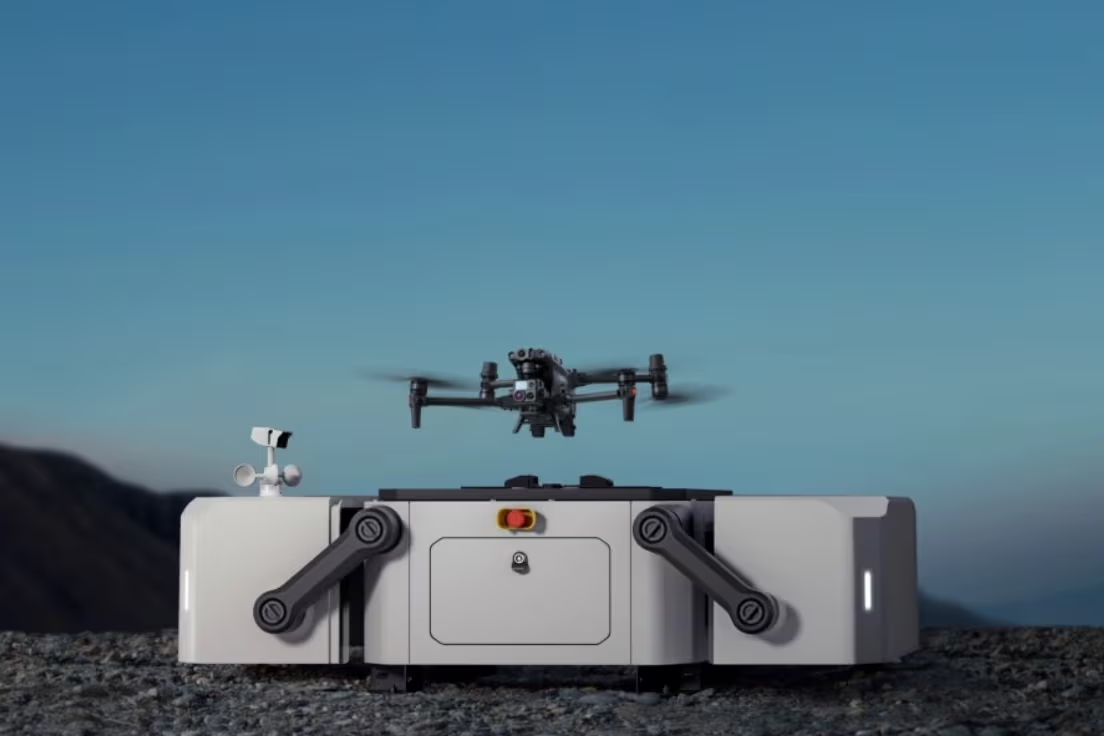
Best for Repeatable Remote Sites: DJI Dock 3 + Matrice 4TD
For telecom businesses managing remote or hard-to-access locations, DJI Dock 3 with Matrice 4TD is the most interesting long-term workflow. It is not the right purchase for every operator, but it becomes valuable when the same sites need to be checked repeatedly.
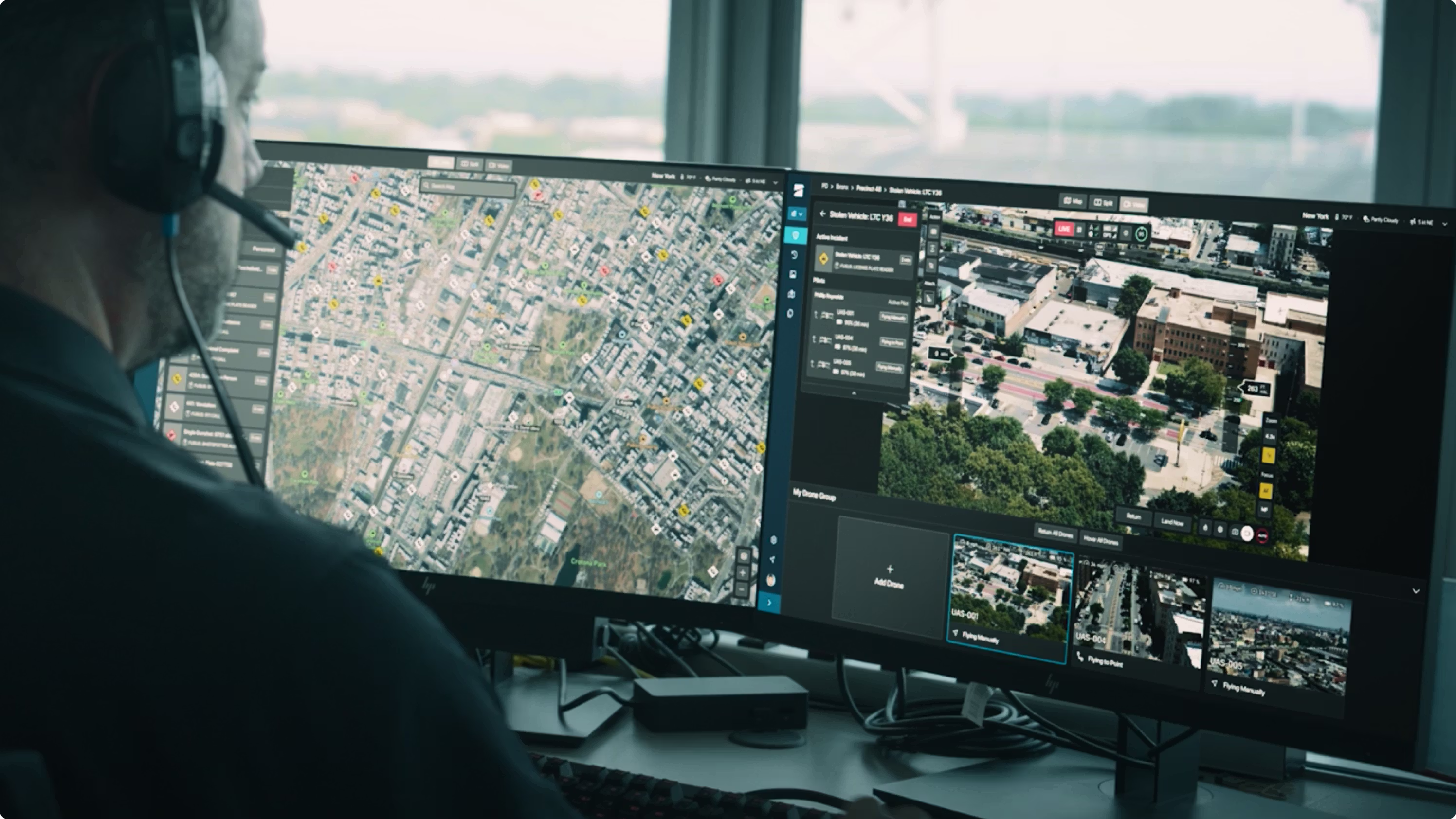
Dock-based operations can support scheduled visual checks, post-storm inspections, perimeter monitoring, access road checks and rapid situational awareness before a ground team travels to the site. For Ireland, this can be useful where masts are located on hills, rural routes, coastal ground or secure compounds where repeated manual visits are expensive.
Important: dock-based and BVLOS-style operations are more complex from a regulatory and operational point of view. Irish teams should confirm IAA/EASA requirements, local airspace restrictions, site permissions and operational authorisation needs before planning remote operations.

Recommended Telecom Tower Inspection Workflow
- Pre-plan the site. Check access, nearby roads, cables, buildings, people, airspace restrictions, launch area, emergency procedures and weather.
- Capture the site overview. Record the mast, compound, access road, cabinets, fencing and surrounding hazards before moving into detail work.
- Inspect the tower in sections. Work from top to bottom or bottom to top so the report follows a logical structure.
- Use zoom before flying close. Use the zoom camera to inspect antennas, brackets and cables from a safer stand-off distance.
- Add thermal when useful. Thermal can support anomaly checks, low-light awareness and broader condition review, but it should not replace detailed visual evidence.
- Create a maintenance-ready report. Export labelled images, video clips and notes in a format that engineers, asset managers and contractors can act on.
Matrice 400 vs Matrice 4T vs Dock 3: Which Should You Buy?
| Option | Best For | Main Advantage | When Not to Choose It |
|---|---|---|---|
| Matrice 400 + H30T | Professional inspection companies and telecom infrastructure programmes. | Highest capability, best payload flexibility and strongest stand-off inspection workflow. | If your team only needs quick, low-frequency inspections and prefers a smaller aircraft. |
| Matrice 4T | Small teams, contractors and mixed inspection work. | Fast deployment, integrated sensors and lower operational complexity. | If you need the most powerful zoom/thermal payload and heavy enterprise flexibility. |
| Dock 3 + Matrice 4TD | Repeatable remote monitoring and planned site programmes. | Scalable remote operations for recurring checks. | If your operation cannot yet support the regulatory, connectivity and site infrastructure requirements. |
Ireland Compliance Notes for Telecom Drone Inspections
Telecom tower work may involve complex environments, restricted areas, people nearby, road corridors, elevated structures or BVLOS-style planning. Operators should check IAA requirements, UAS geographic zones, site permissions and whether the mission falls under Open or Specific category rules. For complex or higher-risk work, an Operational Authorisation may be required.
This guide is written for equipment selection and project planning. It is not legal advice. Always confirm the final operational plan with a competent drone operator and the relevant Irish aviation requirements.
FAQ: Telecom Tower Inspection Drones
What is the best drone for telecom tower inspection in Ireland?
For high-value professional work, DJI Matrice 400 with Zenmuse H30T is the strongest recommendation. For smaller daily jobs, Matrice 4T is often more practical.
Why is zoom important for tower inspection?
Zoom allows the operator to inspect antennas, brackets, feeders and fixings while keeping safer separation from the structure.
Do telecom inspections need thermal imaging?
Not every inspection requires thermal, but it can support anomaly checks, low-light work and broader situational awareness around compounds and equipment.
Can Dock 3 be used for remote telecom sites?
Yes, Dock 3 with Matrice 4TD can support repeatable remote monitoring, but the project must be planned around connectivity, power, site permissions, airspace and operational authorisation requirements.
Can a drone replace tower climbers?
A drone can reduce unnecessary climbs by identifying what needs attention before crews are sent up. It does not replace physical repair work, but it helps plan it more safely and efficiently.
Need help choosing a telecom inspection drone?
Irish Drone can help you compare Matrice 400, Zenmuse H30T, Matrice 4T, Dock 3 and Matrice 4TD for telecom tower inspections, broadcast sites, rooftop masts and remote infrastructure programmes in Ireland.
Contact Irish Drone
Leave a comment