
Quick Answer
The DJI Matrice 4D is the Dock 3 aircraft to choose when your main requirement is repeatable RGB mapping, construction progress capture, quarry documentation, industrial site monitoring or detailed surface inspection.
Choose DJI Matrice 4TD instead if the project needs thermal imaging, night response, security patrols, public safety support or temperature-based inspection. The two aircraft sit in the same Dock 3 ecosystem, but they solve different problems.
What is DJI Matrice 4D in the Dock 3 ecosystem?
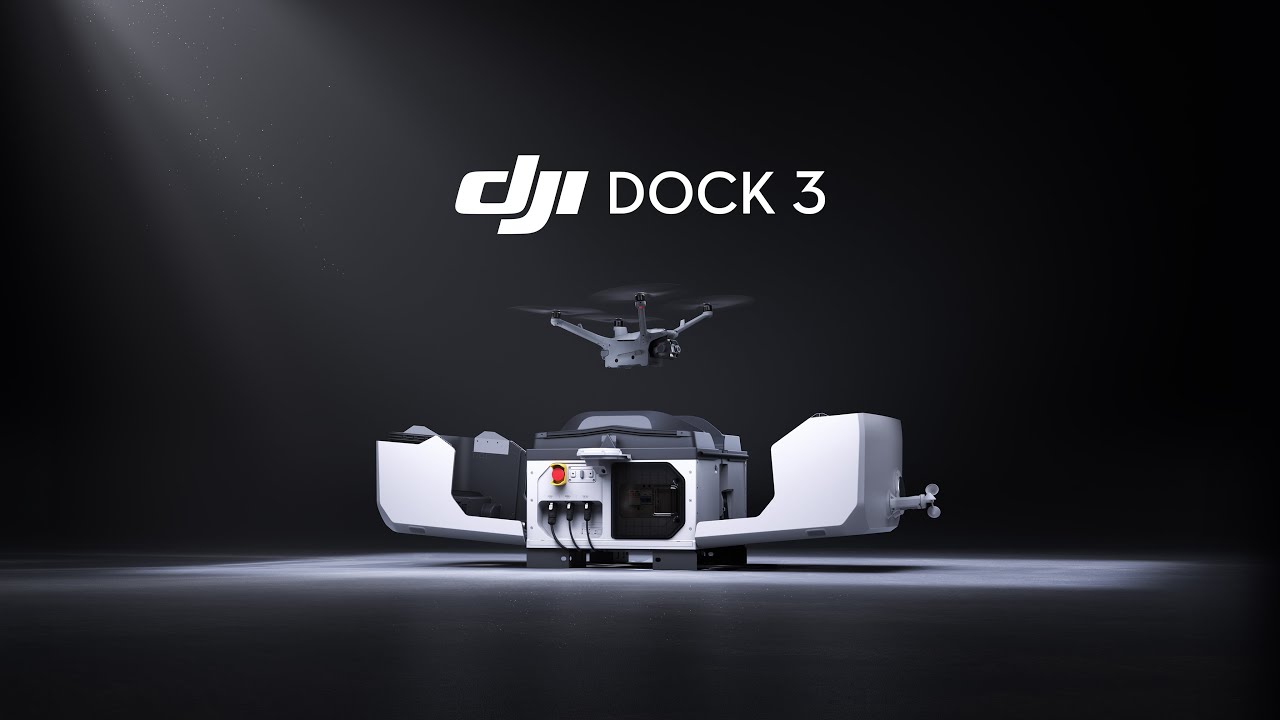
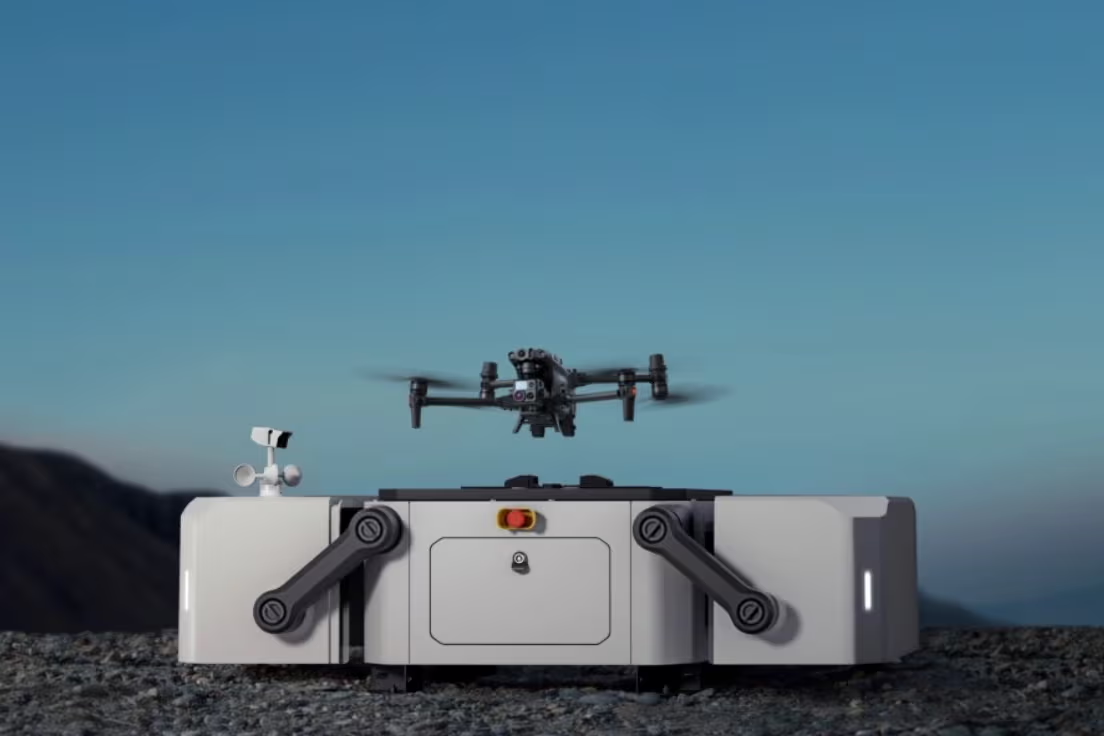
DJI Dock 3 is DJI’s automated drone dock platform for remote operations. It works with the Matrice 4D and Matrice 4TD aircraft, allowing teams to plan, launch, monitor and manage drone missions through a more repeatable workflow.
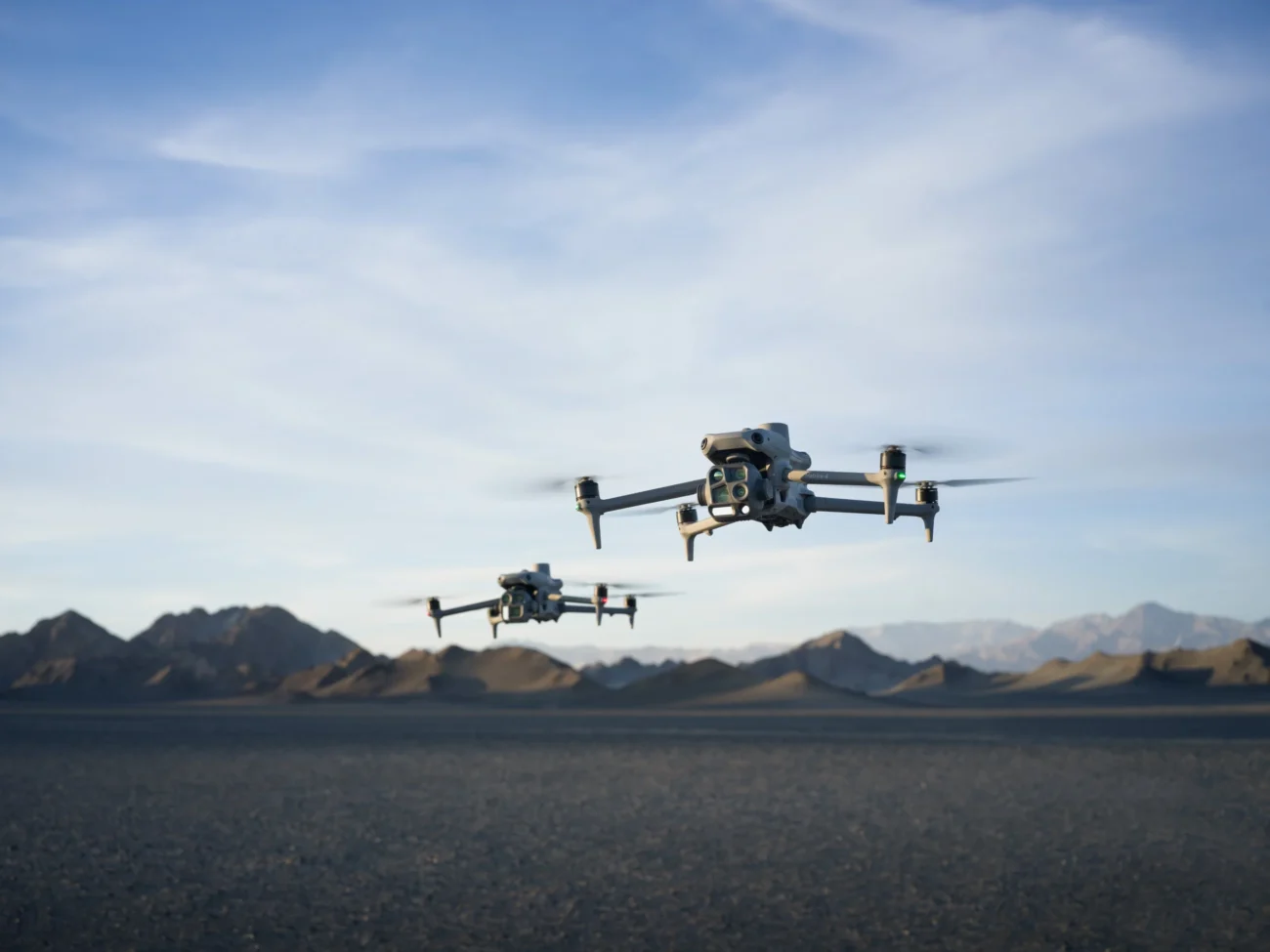
The Matrice 4D is the mapping and visual inspection version. It is built around a 4/3 CMOS 20 MP wide camera with a mechanical shutter, supported by medium tele and tele cameras for closer asset detail. That makes it especially relevant for teams that need consistent visual records of sites, structures and assets.
In simple terms: Dock 3 is the base station, Matrice 4D is the data-capture aircraft, and FlightHub 2 is the mission management layer.
Why dock operations are different from normal drone flights
A standard enterprise drone flight is normally a field task. A pilot travels to the site, prepares the aircraft, checks the battery, launches, captures the data, lands, packs away and transfers the files. This works well for occasional inspections, but it becomes inefficient when the same site needs to be checked every day, every week or after every operational event.
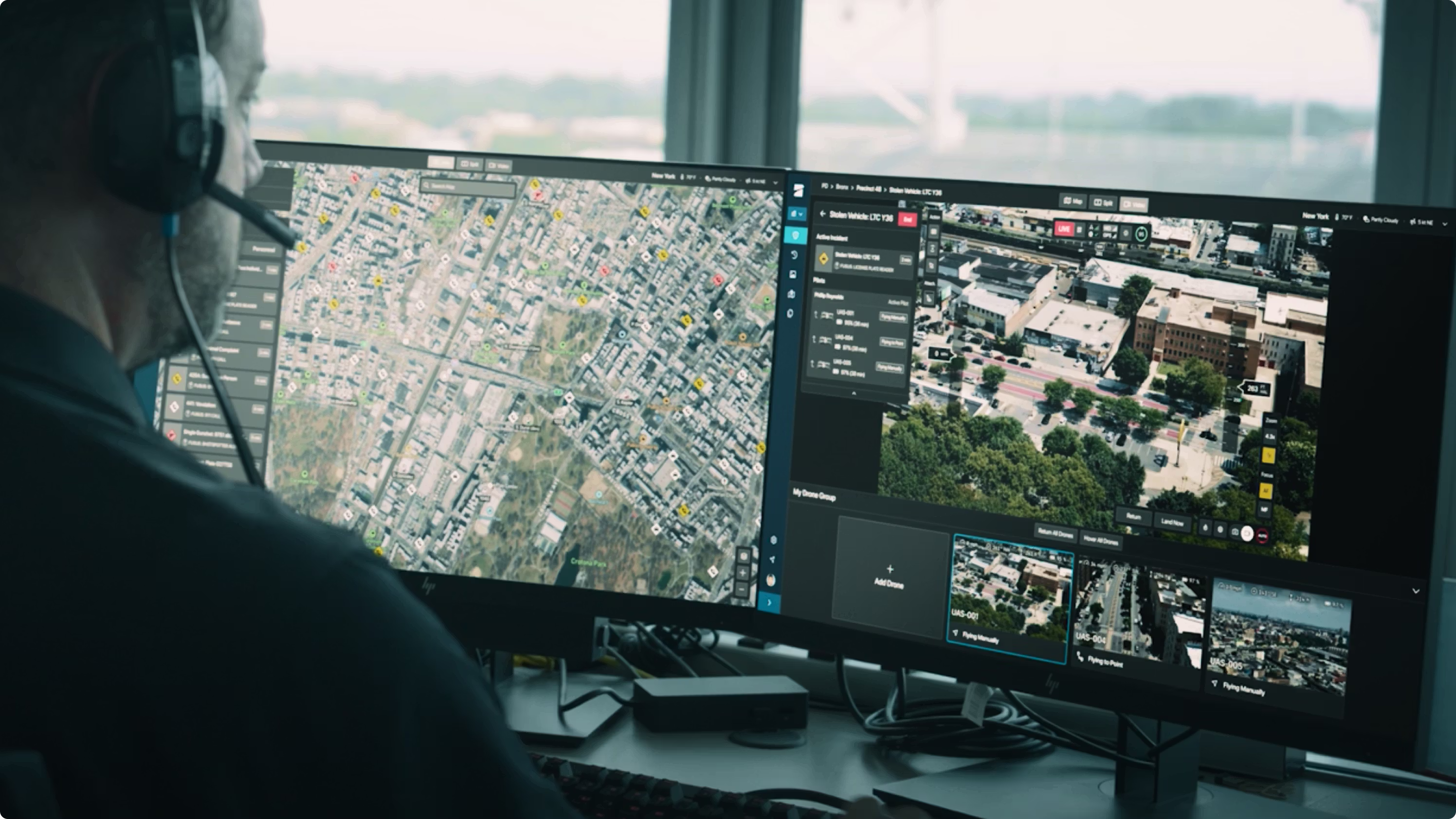
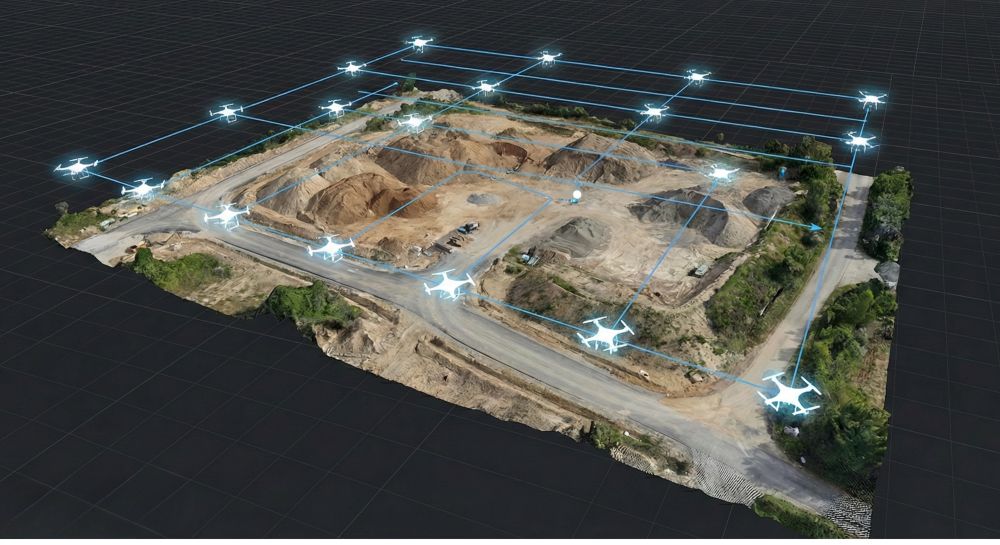
Dock operations change the model. A properly planned dock workflow can provide a fixed launch point, repeatable routes, controlled data collection and centralised oversight. Instead of asking “who can go to site this week?”, a business can ask “what route should run, what data should be captured, and what report should be delivered?”
Repeatability
Same route, same site, same record
Useful for progress monitoring, condition tracking and before/after comparison across large sites.
Efficiency
Fewer routine site visits
Routine checks can be planned around a controlled mission rather than treated as a new field deployment every time.
Control
Central mission oversight
FlightHub 2 helps teams manage mission planning, monitoring and data workflows from one operational layer.

Best Irish use cases for DJI Matrice 4D dock operations
Matrice 4D makes the most sense where a site needs repeat visual data, not where a business simply wants one occasional drone flight. The strongest use cases in Ireland are usually infrastructure, construction and asset-management workflows.
Construction Progress Monitoring
Capture weekly site updates, crane zones, earthworks, roof status, access routes and contractor progress from the same planned flight path.
Quarries & Aggregates
Support stockpile records, haul-road checks, site boundaries, operational safety documentation and repeat survey capture.
Industrial Facilities
Monitor roofs, yards, tanks, pipe corridors, perimeter areas and hard-to-access zones without relying only on ground walkarounds.
Ports & Logistics Sites
Use scheduled missions for yard visibility, berth records, access-route monitoring, storage areas and infrastructure condition checks.
Utilities & Substations
Create repeatable visual records of equipment, access routes and visible asset conditions. For thermal faults, move to Matrice 4TD.
Renewable Energy Sites
Document solar farms, wind-farm access roads, balance-of-plant infrastructure and site changes over time.
A practical Dock 3 workflow for enterprise teams
The best dock deployments start with a business workflow, not with a product list. Before installing equipment, define what the mission needs to deliver and who will use the data.
Define the mission
Decide whether the goal is mapping, inspection, progress monitoring, security, emergency response or asset documentation.
Choose 4D or 4TD
Use Matrice 4D for RGB mapping and visual inspection. Use Matrice 4TD where thermal or night awareness is required.
Build repeatable routes
Test routes for altitude, overlap, camera angle, obstacles, safe landing, network quality and deliverable requirements.
Turn data into reports
Deliver maps, 3D models, progress records or inspection reports that managers can actually use.
Key official specifications that matter
For Irish buyers, the important point is not to list every specification. The important point is to understand which specifications affect deployment, data quality and operational planning.
| Area | Specification | Why it matters |
|---|---|---|
| Dock platform | DJI Dock 3 supports Matrice 4D and Matrice 4TD for remote operations. | The aircraft choice should match the mission: RGB mapping and inspection for 4D, thermal and night-capable use for 4TD. |
| Deployment type | Fixed deployment and mobile vehicle-mounted deployment are supported. | Useful for both permanent sites and mobile inspection teams working across multiple Irish locations. |
| Dock protection | IP56 protection and -30°C to 50°C operating temperature. | Relevant for exposed sites, but launch decisions still need wind, rain, visibility and safety rules. |
| Aircraft protection | Matrice 4D Series aircraft are IP55 rated. | Supports tougher enterprise environments, but does not remove the need for conservative weather thresholds. |
| Flight time | Up to 54 minutes maximum flight time and 47 minutes hovering under DJI test conditions. | Helps longer routes, but Irish sites should plan real-world margins for wind, route complexity and return-to-home reserves. |
| Wide camera | Matrice 4D uses a 4/3 CMOS 20 MP wide camera with mechanical shutter. | A strong fit for mapping, 3D reconstruction and repeat progress documentation. |
| Tele cameras | 70 mm medium tele and 168 mm tele cameras, both listed at 48 MP. | Supports closer visual inspection from safer stand-off distances. |
| Dock charging | DJI lists 27 minutes charging from 15% to 95% under specified conditions. | Important when planning repeated missions, emergency readiness and site monitoring intervals. |
DJI Matrice 4D vs Matrice 4TD: which one should you choose?
The most common buying mistake is choosing Matrice 4D because it is part of the Dock 3 family, then later realising the real requirement was thermal inspection or night operations. Use the table below as a simple decision guide.
| Requirement | Choose Matrice 4D | Choose Matrice 4TD |
|---|---|---|
| Main output | RGB maps, 3D models, construction records, quarry documentation and asset visuals. | Thermal findings, night awareness, emergency response and security monitoring. |
| Best fit | Construction, surveying, ports, quarries, industrial facilities and repeat visual inspection. | Public safety, solar thermal inspection, security patrols, utilities and night operations. |
| Camera logic | Mapping-first wide camera with mechanical shutter. | Thermal imaging and night-support workflow. |
| Avoid if | Temperature data is essential to the business case. | The core deliverable is high-quality RGB mapping and mechanical-shutter capture. |
Practical recommendation: For mapping-led sites, choose Matrice 4D. For thermal-led sites, choose Matrice 4TD. For many enterprise projects, the correct answer depends less on the drone model and more on the report the business needs every week.

Fixed dock or vehicle-mounted dock?
A fixed dock can work well when the same location needs repeat monitoring: a quarry, construction site, port, industrial plant, solar farm or logistics hub. The installation can be planned around power, network, security, safe landing zones and defined mission routes.
A vehicle-mounted dock is different. It is more relevant for mobile teams that inspect multiple locations, such as utility corridors, remote infrastructure, temporary works or emergency response areas. It gives flexibility, but it also increases the need for pre-planned deployment procedures.
Fixed deployment is best when:
- The site needs frequent repeat missions.
- Power and network access are stable.
- The launch area can be secured.
- The same routes can be repeated safely.
Vehicle-mounted deployment is best when:
- The team covers multiple sites.
- The mission area changes often.
- Temporary monitoring is required.
- A mobile response workflow is needed.
Compliance and operational planning in Ireland
Dock operations can look “automatic”, but the responsibility remains with the organisation operating the UAS. Irish businesses should plan operator registration, pilot competency, site permission, airspace checks, emergency procedures, privacy, insurance, maintenance and data governance before deployment.
If the operation remains simple, low-risk and within normal visual-line-of-sight limits, the compliance pathway may be different from a remote or BVLOS-style operation. However, many dock projects involve higher operational complexity, especially when the drone is intended to operate routinely from a fixed site or across a wider area.
Important: Treat a Dock 3 installation as an operational project, not only an equipment purchase. The safest approach is to document the route, responsibility, emergency process, weather limits, maintenance schedule, reporting workflow and authorisation position before live operations begin.
Common mistakes to avoid before buying
- Buying a dock before defining the deliverable. First decide whether the business needs maps, models, progress records, security checks or thermal findings.
- Choosing Matrice 4D when the requirement is thermal. If temperature data is essential, compare Matrice 4TD before purchasing.
- Ignoring site network quality. Remote operations depend on reliable connectivity, live monitoring and data transfer.
- Underestimating weather rules. IP ratings and temperature ranges do not mean every Irish weather condition is suitable for launch.
- Not planning data governance. Site imagery, inspection footage and operational logs should have clear storage and access policies.
- Assuming automation means no authorisation work. More automated operations often need more structured documentation, not less.
Recommended DJI setup for Irish enterprise users
For a mapping and inspection-led site, the recommended starting point is:
- DJI Dock 3 for automated launch, charging and remote operations.
- DJI Matrice 4D for RGB mapping, progress capture and detailed visual inspection.
- DJI FlightHub 2 for mission management and cloud-based oversight.
- D-RTK 3 where positioning accuracy and signal reliability are part of the project design.
- DJI Matrice 4TD instead of 4D when thermal imaging, public safety or night operations are required.
FAQ: DJI Matrice 4D for Dock Operations
Is DJI Matrice 4D designed for DJI Dock 3?
Yes. DJI Dock 3 is designed to work with Matrice 4D and Matrice 4TD aircraft. Matrice 4D is the better choice when the main requirement is RGB mapping, site records and visual inspection.
What is DJI Matrice 4D best used for in Ireland?
It is best used for construction progress capture, quarry mapping, industrial site monitoring, port documentation, utility asset records and repeat visual inspection workflows.
Should I choose Matrice 4D or Matrice 4TD?
Choose Matrice 4D for mapping and visual inspection. Choose Matrice 4TD when thermal imaging, night support, public safety, security monitoring or temperature-based inspection is the main requirement.
Can DJI Dock 3 be vehicle-mounted?
Yes. DJI Dock 3 supports mobile vehicle-mounted deployment as well as fixed deployment, which is useful for mobile inspection teams and multi-site operations.
Does a drone dock remove the need for pilot training or authorisation?
No. A dock can automate parts of the workflow, but the operator still needs the correct registration, competencies, procedures, risk assessment and authorisation position for the operation.
Is Matrice 4D suitable for thermal inspection?
Matrice 4D is not the thermal-first option. For solar thermal inspection, heat loss checks, emergency response or night detection, Matrice 4TD is usually the more suitable Dock 3 aircraft.
Need help choosing the right Dock 3 configuration?
Irish Drone can help compare DJI Dock 3, Matrice 4D, Matrice 4TD, FlightHub 2, D-RTK 3 and DJI Care Enterprise based on your site, mission frequency, compliance pathway and reporting requirements.
Tell us whether your project is construction, quarrying, industrial inspection, utilities, renewables, emergency response or security monitoring — and we can recommend the correct aircraft and workflow.
Contact Irish Drone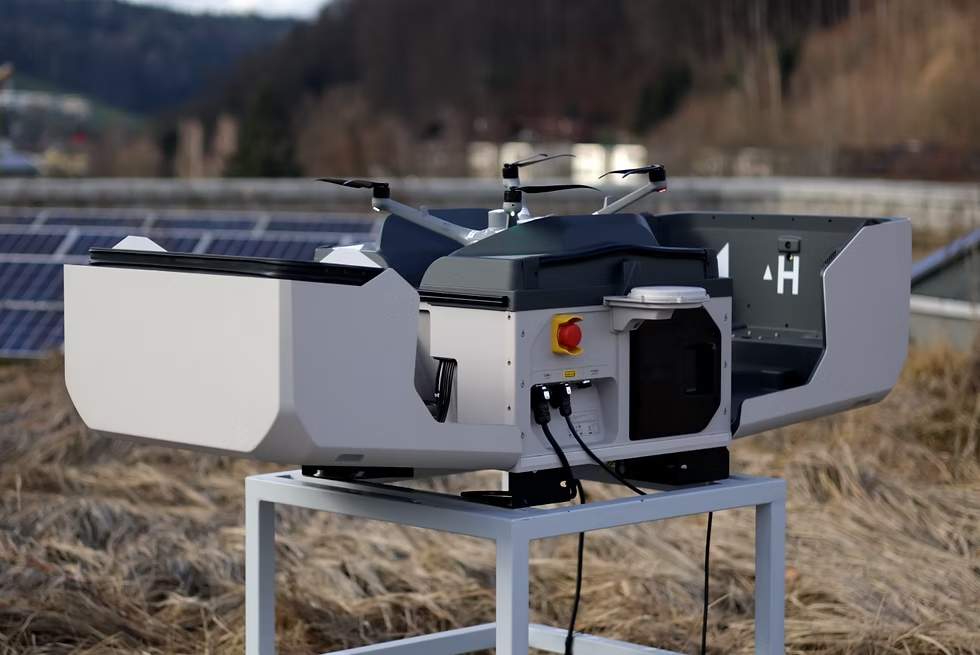
Leave a comment