
Quick Answer: Which Drone Setup Should You Use?
There is no single “best drone” for every energy inspection job. The right setup depends on the asset, the access risk, the distance from the target, and whether the final deliverable is visual evidence, thermal evidence, LiDAR data, a site map or a repeatable remote inspection workflow.
| Inspection Need | Recommended DJI Setup | Best For |
|---|---|---|
| Long corridor and high-detail inspection | DJI Matrice 400 + Zenmuse H30T | Powerlines, pylons, substations, wind turbines and industrial energy assets. |
| Portable thermal inspection | DJI Matrice 4T | Fast response jobs, solar PV checks, substation walkdowns and compact enterprise inspection teams. |
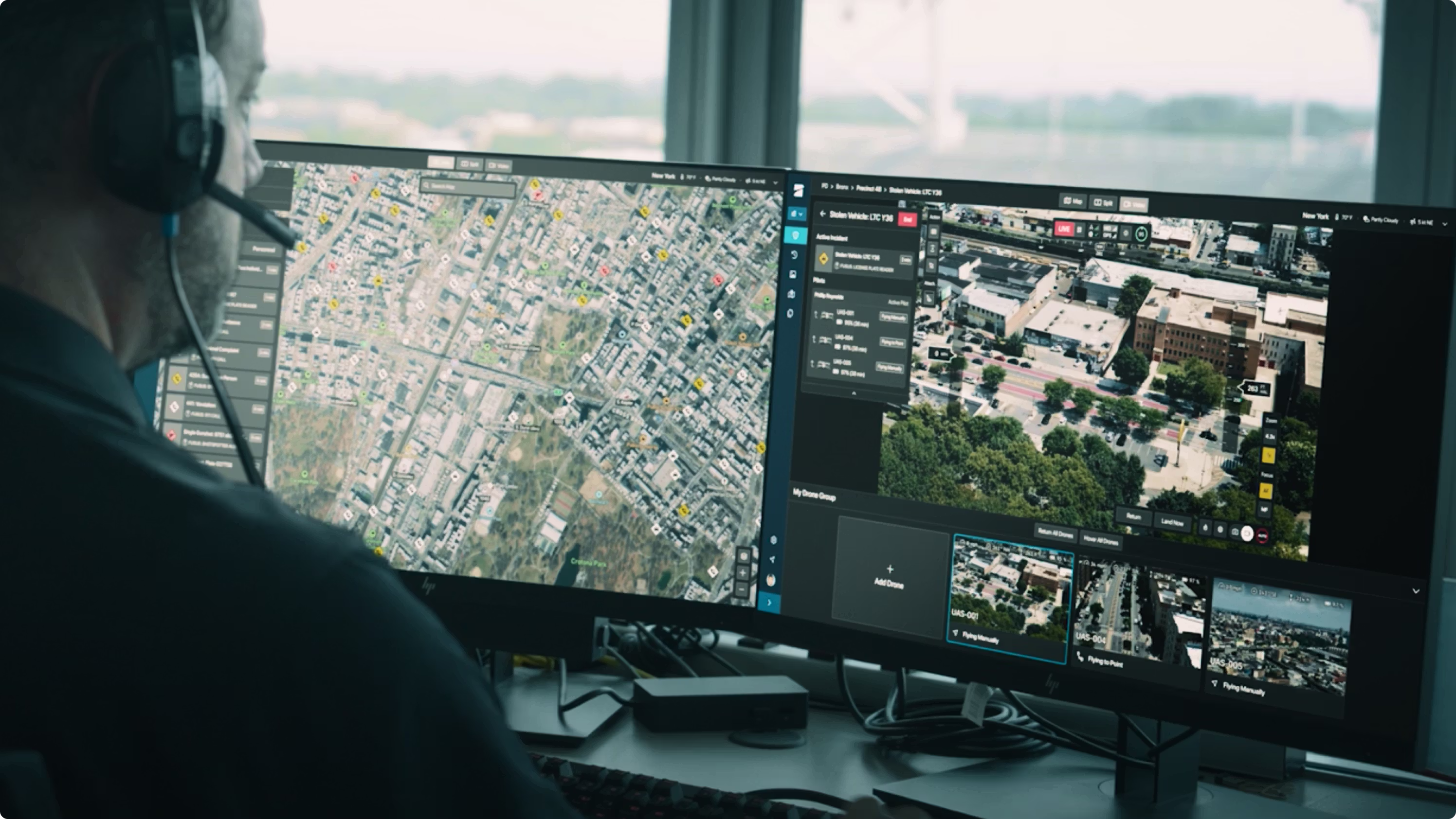
| Repeatable remote inspection | DJI Dock 3 + Matrice 4TD | Solar farms, substations, battery storage sites and fixed energy facilities where repeat routes are valuable. |
| Mapping and site documentation | DJI Matrice 4E | Solar construction records, access road mapping, energy site layouts and geospatial reporting. |
| LiDAR and corridor modelling | Matrice 400 + Zenmuse L3 | Vegetation clearance, terrain context, corridor modelling and 3D infrastructure records. |
Energy infrastructure inspection in Ireland is not just about taking aerial photos. Many sites are exposed, remote, operationally sensitive or difficult to access safely. A drone programme should help teams capture better evidence before people climb, shut down assets or enter hazardous areas.
Why Energy Infrastructure Needs Drone Inspection
Power networks, substations, solar farms, wind turbines and battery storage sites all have one thing in common: they need regular inspection, but manual access is often slow, expensive or risky. Drones help by giving inspection teams an earlier view of asset condition from a safer position.
The value is not only safety. A well-planned drone inspection creates repeatable visual records, thermal evidence, geotagged images, 3D context and structured reports that can be reviewed by maintenance, engineering and operations teams.
Reduce difficult access
Inspect high, remote or hazardous assets before deciding whether rope access, shutdowns or elevated platforms are needed.
Capture better evidence
Combine zoom imagery, thermal data, LiDAR or site mapping depending on the asset and inspection objective.
Plan maintenance earlier
Use inspection records to prioritise defects, plan maintenance windows and compare condition changes over time.
Powerline and Pylon Inspection
Powerline inspection is one of the strongest drone use cases for energy infrastructure. Overhead networks may cross farmland, hillsides, forestry, bogland and difficult terrain. The inspection team needs to see conductors, insulators, fittings, towers, poles, vegetation clearance and access conditions without putting people into unnecessary risk.
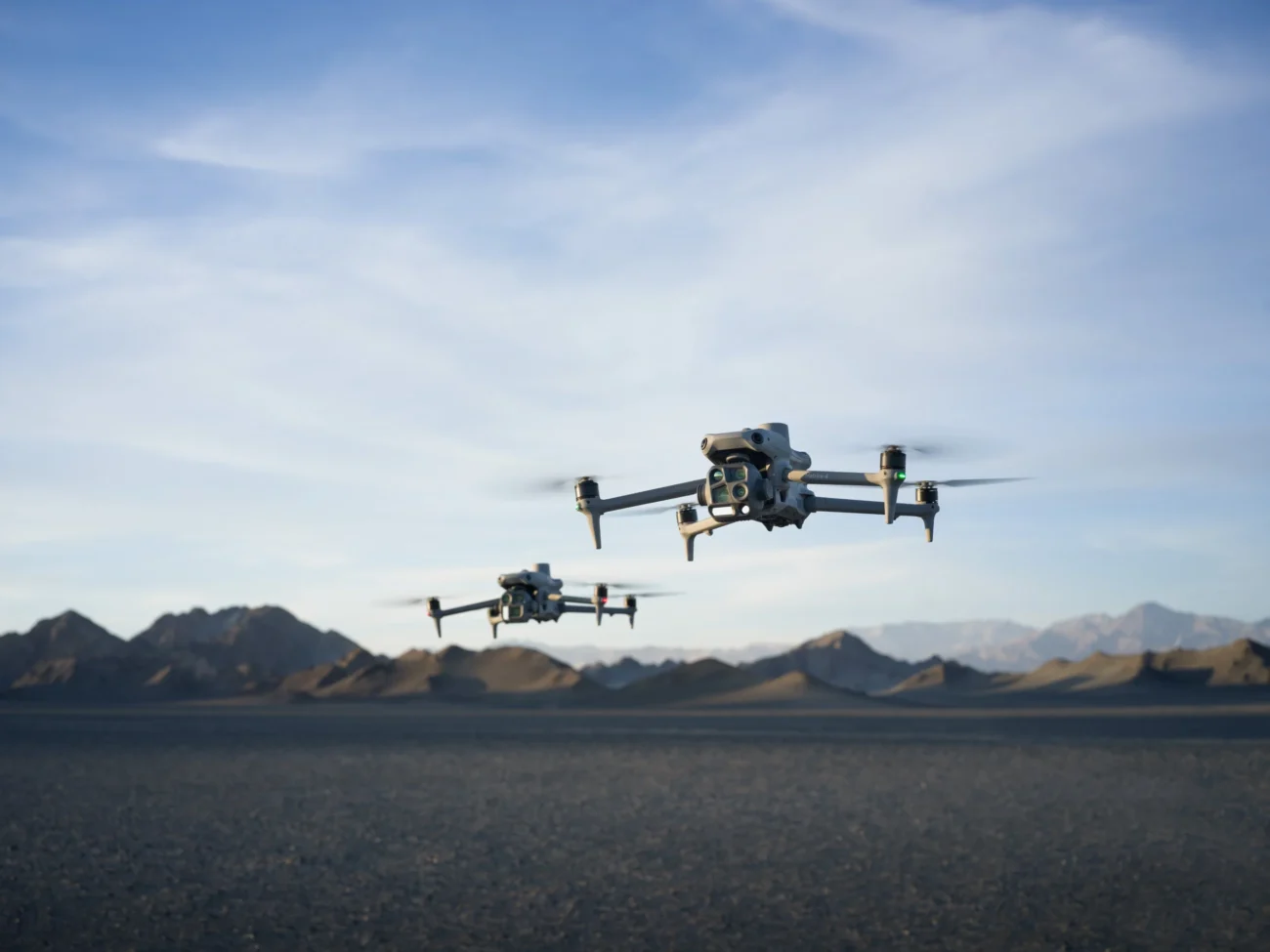
For demanding powerline work, DJI Matrice 400 with Zenmuse H30T or Zenmuse H30 is the most capable choice. Matrice 400 gives the endurance and payload flexibility required for larger inspection programmes, while H30T adds long-range zoom, thermal imaging and laser rangefinding in one payload.
Recommended output: pole/tower reference, asset section, visible defect image, thermal image where relevant, approximate location, severity level, maintenance recommendation and follow-up priority.

Substation and Electrical Asset Inspection
Substations require a different inspection approach. The asset is usually concentrated in a compound, but safety and stand-off discipline are critical. Thermal inspection can help teams identify abnormal heating in selected components, while zoom imagery can document visible condition issues without entering every area on foot.
For substation work, the best choice depends on scale. Matrice 4T is a practical compact option for fast inspections, while Matrice 400 with H30T is better when the project requires higher payload capability, longer endurance or more demanding stand-off imaging.
Typical targets
- Transformers and radiator surfaces
- Switchgear and busbar areas
- Insulators and support structures
- Perimeter fencing and access points
- Battery storage and inverter compounds
Useful deliverables
- Thermal anomaly screenshots
- Zoom image evidence
- Asset-by-asset inspection notes
- Maintenance priority table
- Before-and-after repair records
Solar Farm Inspection
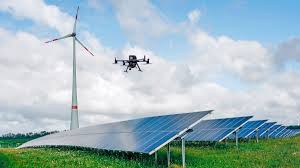
Solar farms are well suited to drone inspection because assets are repetitive, spread across a wide area and often need consistent thermal review. Drone workflows can help identify potential module, string, inverter or layout issues more efficiently than ground-only inspection.
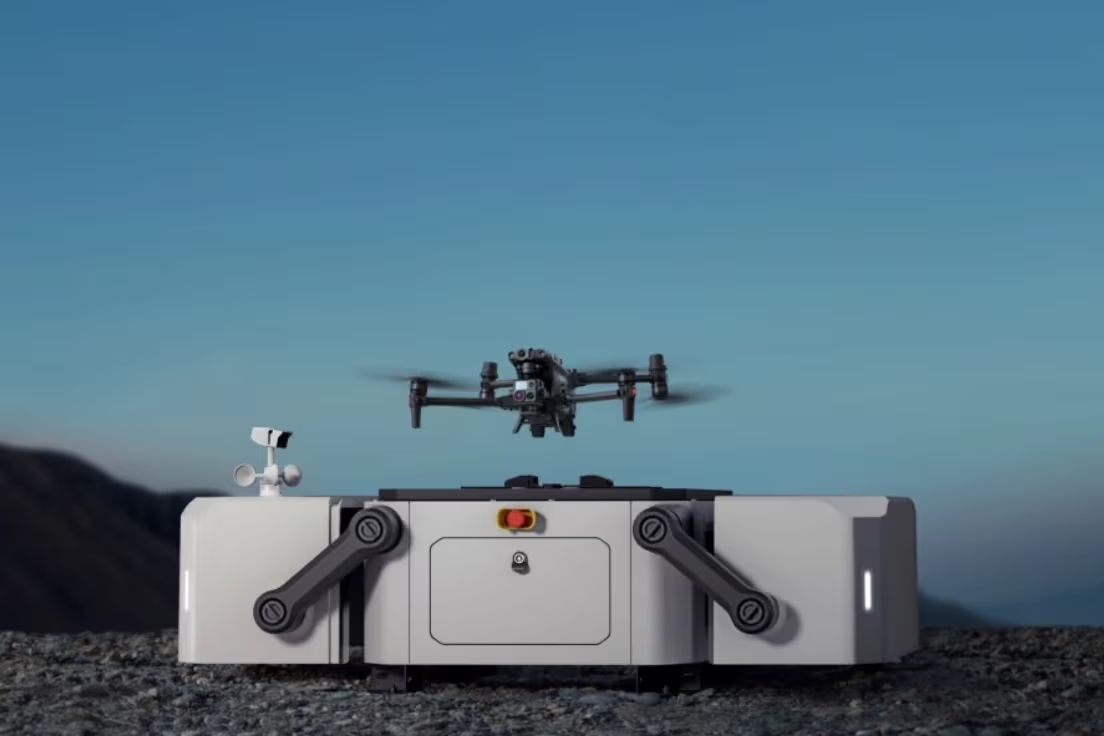
For manual solar farm checks, Matrice 4T is often the most practical portable option. For larger or more demanding inspection programmes, Matrice 400 with H30T provides a stronger multi-sensor workflow. For repeated routes on fixed sites, DJI Dock 3 with Matrice 4TD can make sense where site design, permissions, risk assessment and regulatory requirements support remote operations.
Important: a solar thermal inspection is only useful when the mission is planned correctly. Irradiance, weather, flight height, angle, reporting method and data interpretation all affect the value of the result. A drone is the capture tool; the inspection process must still be designed properly.
Wind Turbine Inspection
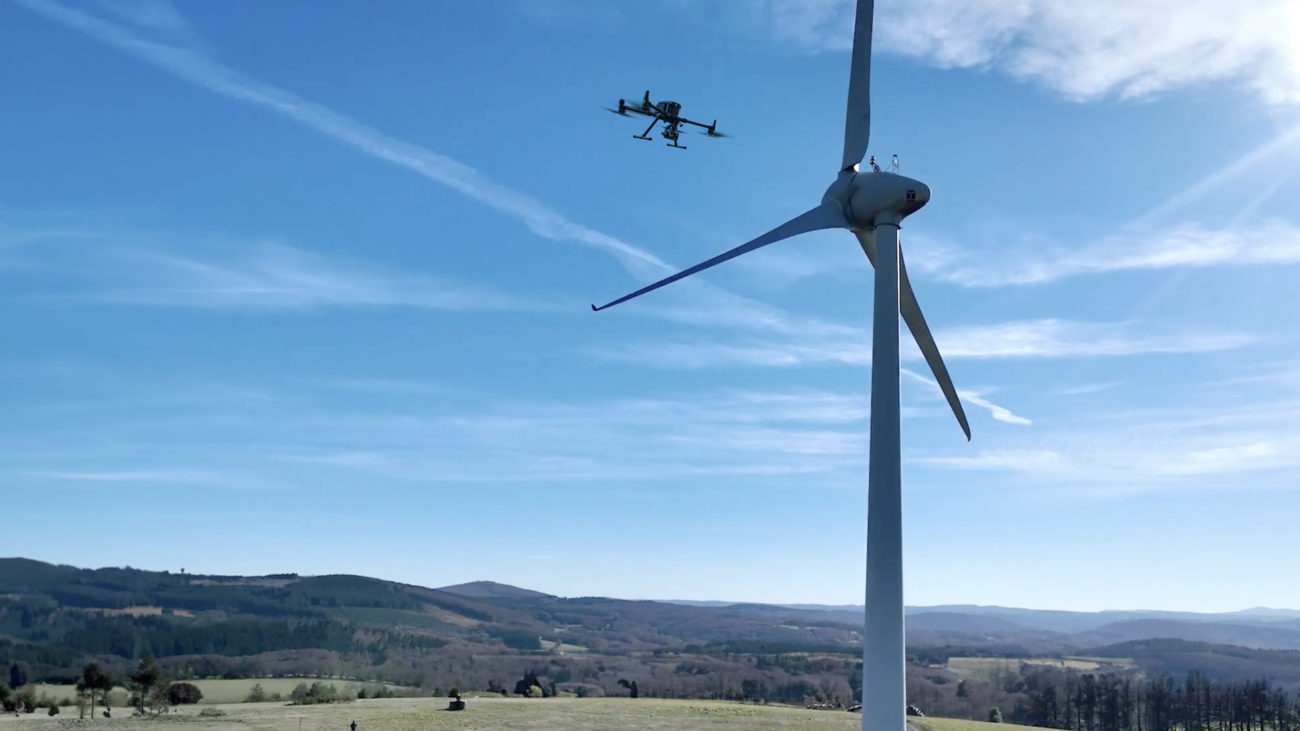
Wind turbine inspection normally involves height, access cost, weather exposure and operational planning. Drones can reduce the need for some manual close-access activity and help teams document blades, towers, nacelles and surrounding infrastructure.
For detailed blade and structure inspection, Matrice 400 with Zenmuse H30 or H30T is the strongest option because stand-off imaging is important. For smaller teams or early condition checks, Matrice 4T can be a more portable option, especially when the inspection does not require the full capability of a larger platform.

Battery Storage, Industrial Energy Sites and Process Facilities
Battery energy storage systems, industrial energy compounds and process facilities often need a mixture of visual, thermal and perimeter inspection. Drones can support routine checks, incident response, site documentation and maintenance planning while reducing the need to immediately send people into every area of the site.
For these environments, Matrice 4T is useful for compact visual and thermal checks, while Matrice 400 with H30T is a better fit where longer endurance, payload flexibility or higher performance inspection is required.
Where LiDAR Fits in Energy Inspection
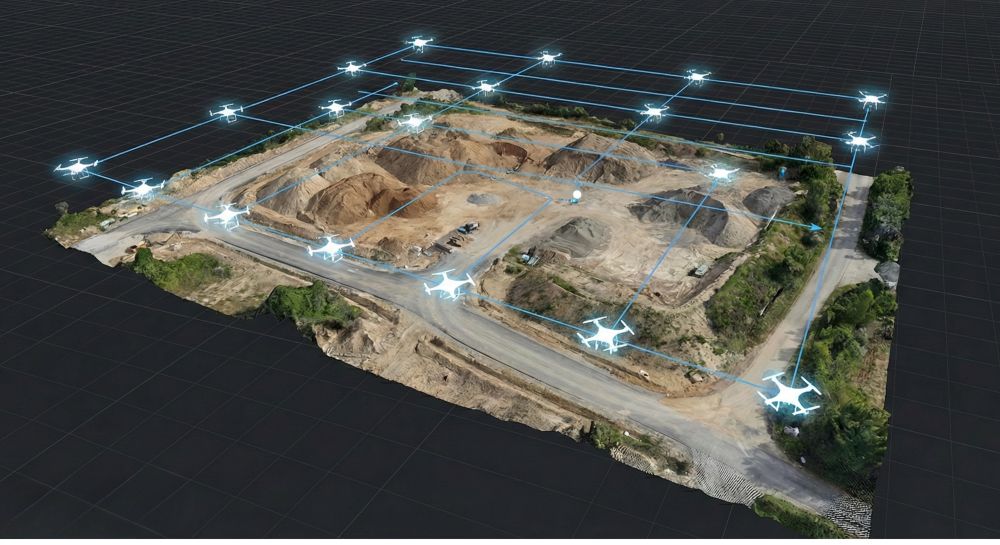
LiDAR is not required for every inspection, but it becomes valuable when the question is about geometry, clearance, terrain or 3D context. In energy projects, this can include vegetation encroachment near overhead routes, terrain around wind farm access tracks, asset corridors, or construction documentation for renewable energy sites.
For LiDAR-led work, Matrice 400 with Zenmuse L3 is the stronger DJI enterprise route. This is not a replacement for thermal inspection; it is a different data layer for mapping, measurement and 3D infrastructure context.
Recommended DJI Configurations
Best overall
Matrice 400 + Zenmuse H30T
Best for powerlines, pylons, substations, wind turbines and complex energy infrastructure where endurance, zoom, thermal and rangefinding are all useful.
View DJI Matrice 400 →Best compact thermal
DJI Matrice 4T
Best for portable thermal inspection, solar PV checks, substations, battery sites and day-to-day energy asset inspection.
View DJI Matrice 4T →Best remote workflow
DJI Dock 3 + Matrice 4TD
Best for fixed sites where repeatable routes, remote supervision and scheduled inspection workflows create real value.
View DJI Dock 3 →Best mapping data
Matrice 4E or Zenmuse L3
Use Matrice 4E for mapping-first site records. Use Zenmuse L3 when LiDAR, corridor context or 3D measurement is the priority.
View Zenmuse L3 →A Practical Energy Inspection Workflow
Define the asset
Powerline, substation, solar farm, wind turbine, battery site or wider industrial asset.
Choose the data
Visual, thermal, zoom, LiDAR, mapping, repeat route or mixed inspection output.
Plan the operation
Check weather, site rules, safe distance, airspace, permissions and emergency procedures.
Capture evidence
Collect consistent images, thermal data and notes with clear asset references.
Report actions
Turn data into defect lists, maintenance priorities and follow-up inspection plans.
Ireland Compliance and Safety Considerations
Energy infrastructure inspection in Ireland should be planned as a professional drone operation, not just a camera flight. Operators must consider IAA registration, pilot competency, airspace, UAS geographical zones, site permissions, privacy, insurance and whether the task falls inside the Open category or requires a Specific category operational authorisation.
Higher-risk missions can include flights close to critical infrastructure, complex industrial sites, controlled airspace, congested areas, night operations, BVLOS workflows or automated dock operations. These should be reviewed carefully before work begins.
FAQ: Energy Infrastructure Drone Inspection
What is the best drone for energy infrastructure inspection?
For the most demanding inspection jobs, DJI Matrice 400 with Zenmuse H30T is the strongest overall choice. For more portable thermal inspections, DJI Matrice 4T is often the better fit.
Can drones inspect powerlines in Ireland?
Yes. Drones can support powerline and pylon inspection by capturing zoom imagery, thermal evidence and corridor context. Operations must still be planned around airspace, permissions, safety procedures and Irish aviation rules.
Which drone is best for solar farm inspection?
For portable solar inspection, Matrice 4T is a practical choice. For higher-performance inspection or larger projects, Matrice 400 with Zenmuse H30T is stronger. Dock 3 with Matrice 4TD can be considered for repeated inspection routes on fixed sites.
Do energy inspections always need thermal cameras?
No. Thermal cameras are valuable for electrical and solar applications, but some projects need high-resolution zoom imagery, mapping, LiDAR or site documentation instead.
When should I use LiDAR?
Use LiDAR when the task involves vegetation clearance, terrain modelling, corridor measurement, 3D records or geospatial documentation. It is not a replacement for thermal inspection; it is a different data layer.
Can Irish Drone help choose the right setup?
Yes. Irish Drone can help assess the inspection task, recommended DJI platform, payload, accessories, software and workflow based on the asset type and operating environment.
Need Help Choosing an Energy Inspection Drone?
Tell us whether you inspect powerlines, substations, solar farms, wind turbines, battery storage or industrial energy assets. Irish Drone can recommend the right DJI platform, payload, software and inspection workflow for your project in Ireland.
Contact Irish Drone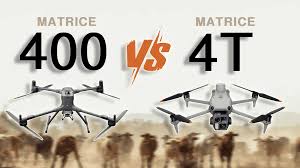
Leave a comment