
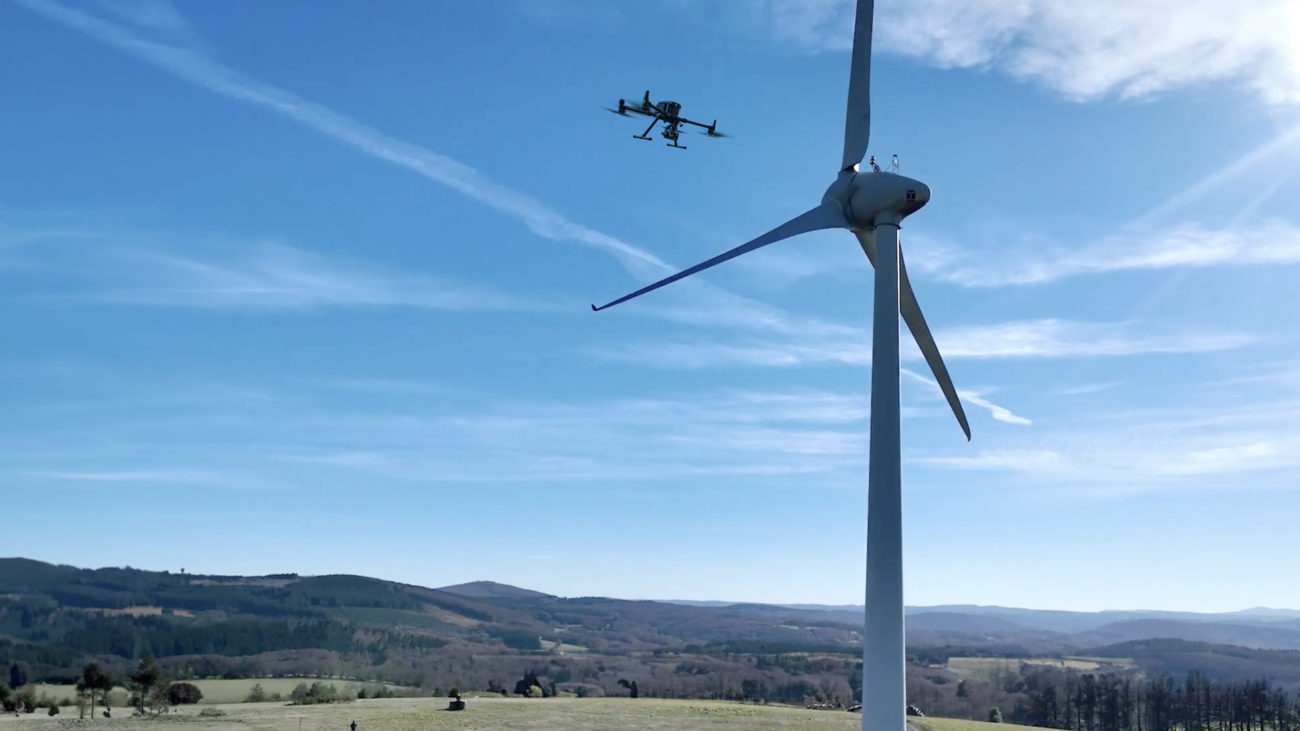

Wind turbine inspection in Ireland is not just a photography task. It is an industrial inspection workflow that must deal with exposed locations, changing Atlantic weather, high structures, maintenance windows, turbine shutdown planning and aviation compliance. The right drone setup helps teams collect useful evidence before sending rope-access technicians, blade engineers or repair crews to the turbine.
Quick recommendation
Best overall setup: DJI Matrice 400 with Zenmuse H30T for detailed blade, nacelle, tower and electrical asset inspection where endurance, zoom, thermal imaging and laser rangefinding are needed.
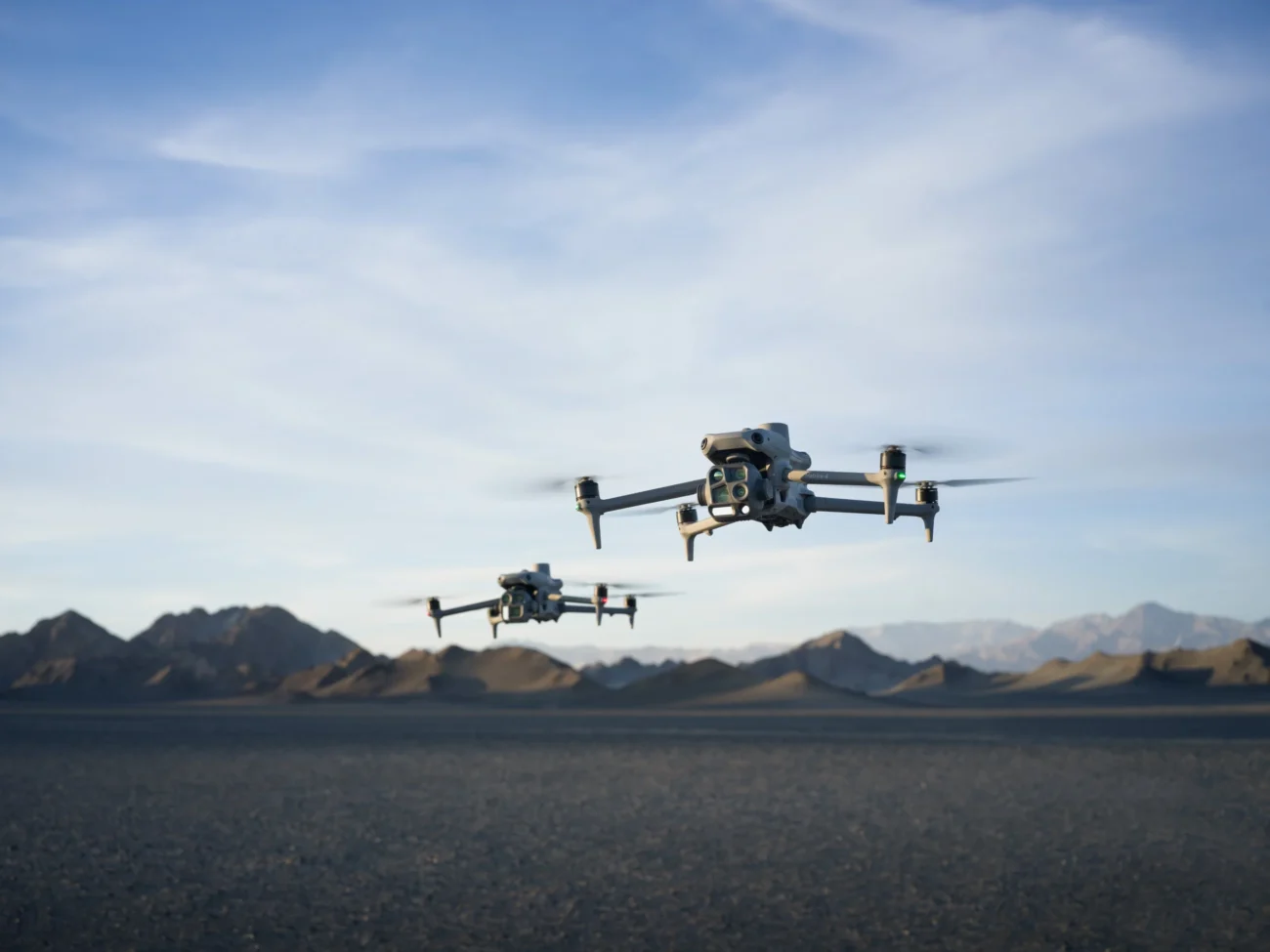
Best compact setup: DJI Matrice 4T for rapid visual and thermal checks where portability and fast deployment matter more than heavy payload flexibility.
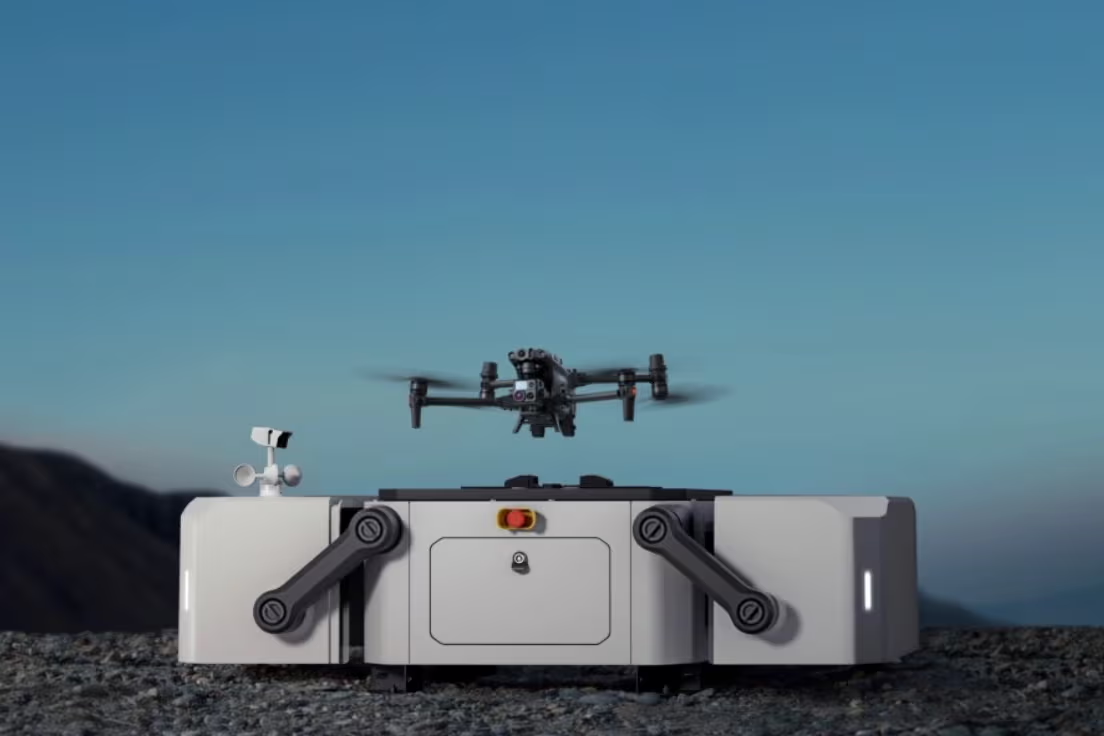
Best remote monitoring setup: DJI Dock 3 with Matrice 4TD for repeatable inspection or security routes on fixed sites, where permissions, connectivity and operating procedures support remote operations.
Why Wind Turbine Operators Use Drone Inspection
Traditional turbine inspection can involve turbine stoppage, rope-access teams, cranes, elevated platforms and long mobilisation times. A drone does not replace engineering judgement or physical repair work, but it gives the maintenance team a fast visual record that can be reviewed before more expensive access methods are scheduled.
For Irish wind farms, this is especially useful after storms, lightning events, blade-strike concerns, suspected leading-edge erosion or scheduled O&M review. Instead of waiting until a full manual inspection is organised, a drone crew can document the asset condition and help decide what needs urgent follow-up.
Reduce working-at-height exposure
A drone can complete the first condition check while people remain on the ground, reducing unnecessary rope-access exposure.
Inspect more turbines per visit
When wind and site conditions allow, a trained drone team can document multiple turbines in one inspection window.
Improve defect records
High-resolution imagery helps record blade position, defect location, severity notes and maintenance priority.
Plan repair work earlier
Drone evidence helps the asset owner decide whether to monitor, repair, schedule rope access or request engineering review.
What a Drone Can Inspect on a Wind Turbine
A wind turbine drone inspection should be planned around clear targets. The pilot should not simply “fly around the turbine”; the capture route should match the reporting requirement.
| Inspection area | What to document | Best sensor approach |
|---|---|---|
| Blade leading edge | Erosion, coating wear, chips, rain damage and surface breakdown. | High-resolution visible imagery and controlled close-up passes. |
| Blade tip and trailing edge | Tip wear, trailing-edge cracking, delamination signs and impact damage. | Zoom camera plus repeatable blade-side capture. |
| Lightning strike evidence | Burn marks, discolouration, punctures and surface disturbance. | Visible imagery with annotated reporting and follow-up engineering review. |
| Nacelle and hub | Panel condition, vents, seals, access hatches, corrosion and exterior fittings. | Zoom camera; thermal only where heat-related checks are appropriate. |
| Tower, base and nearby assets | Coating condition, foundation area, access route, substation and transformer context. | Wide camera, zoom camera and optional thermal inspection for electrical assets. |
Recommended DJI Equipment for Wind Turbine Inspection
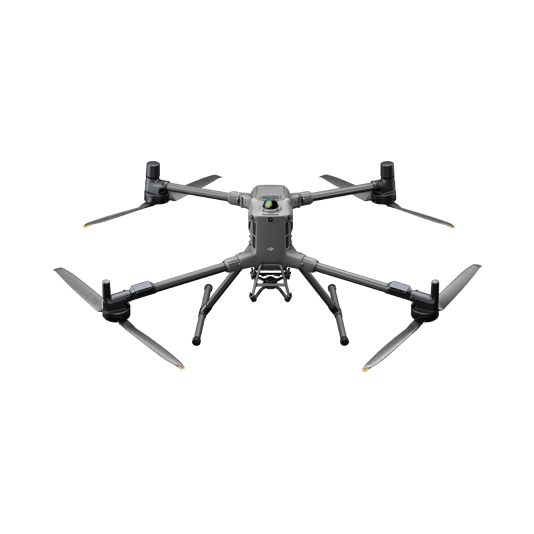
DJI Matrice 400
Best for larger inspection programmes where endurance, payload flexibility and operational headroom matter.
- Up to 59 minutes maximum flight time under DJI test conditions.
- Up to 6 kg maximum payload capacity.
- Suitable for H30/H30T and advanced enterprise payload workflows.
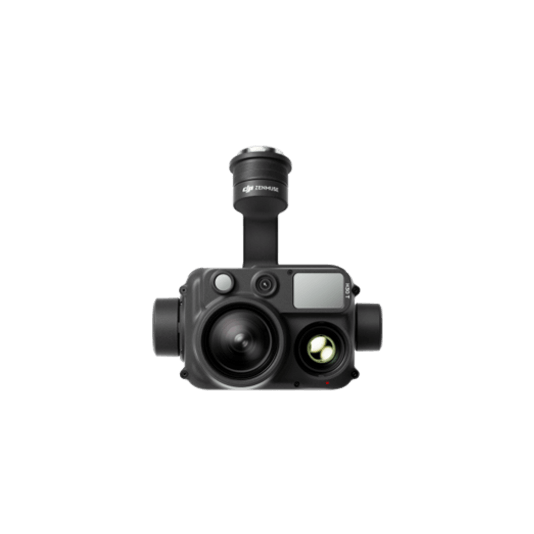
Zenmuse H30T
Best payload for detailed visual and thermal inspection from a safer stand-off distance.
- Zoom camera with up to 34× optical zoom and 400× digital zoom.
- Infrared thermal camera up to 1280 × 1024.
- Laser range finder measurement range from 3 m to 3000 m.
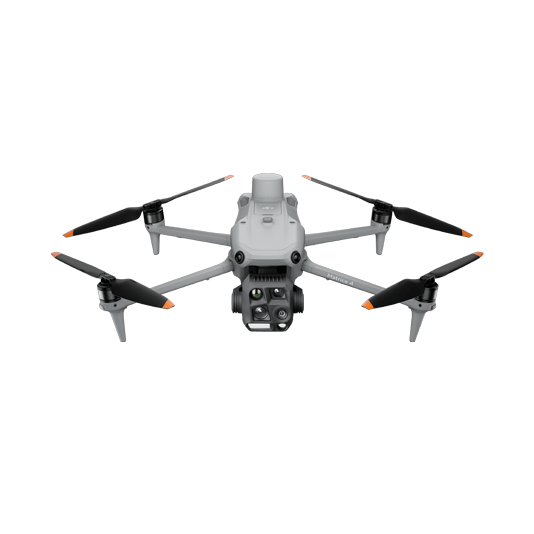
DJI Matrice 4T
Best compact option for rapid condition checks and portable visual/thermal assessment.
- Compact enterprise platform with multi-sensor capture.
- Thermal camera resolution 640 × 512, with super-resolution output available.
- Useful for quick checks around turbines, compounds and associated assets.
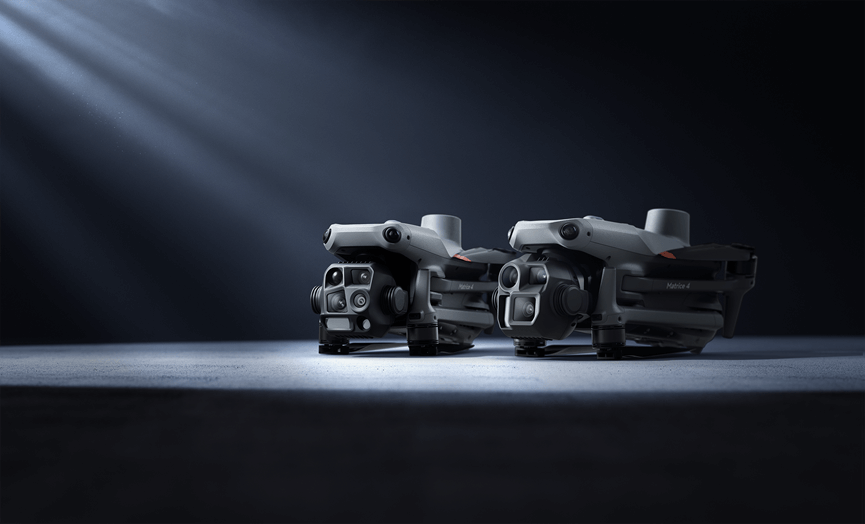
Dock 3 + Matrice 4TD
Best for repeatable remote monitoring on fixed sites where the operation is properly authorised.
- Designed for remote operations with Matrice 4D/4TD aircraft.
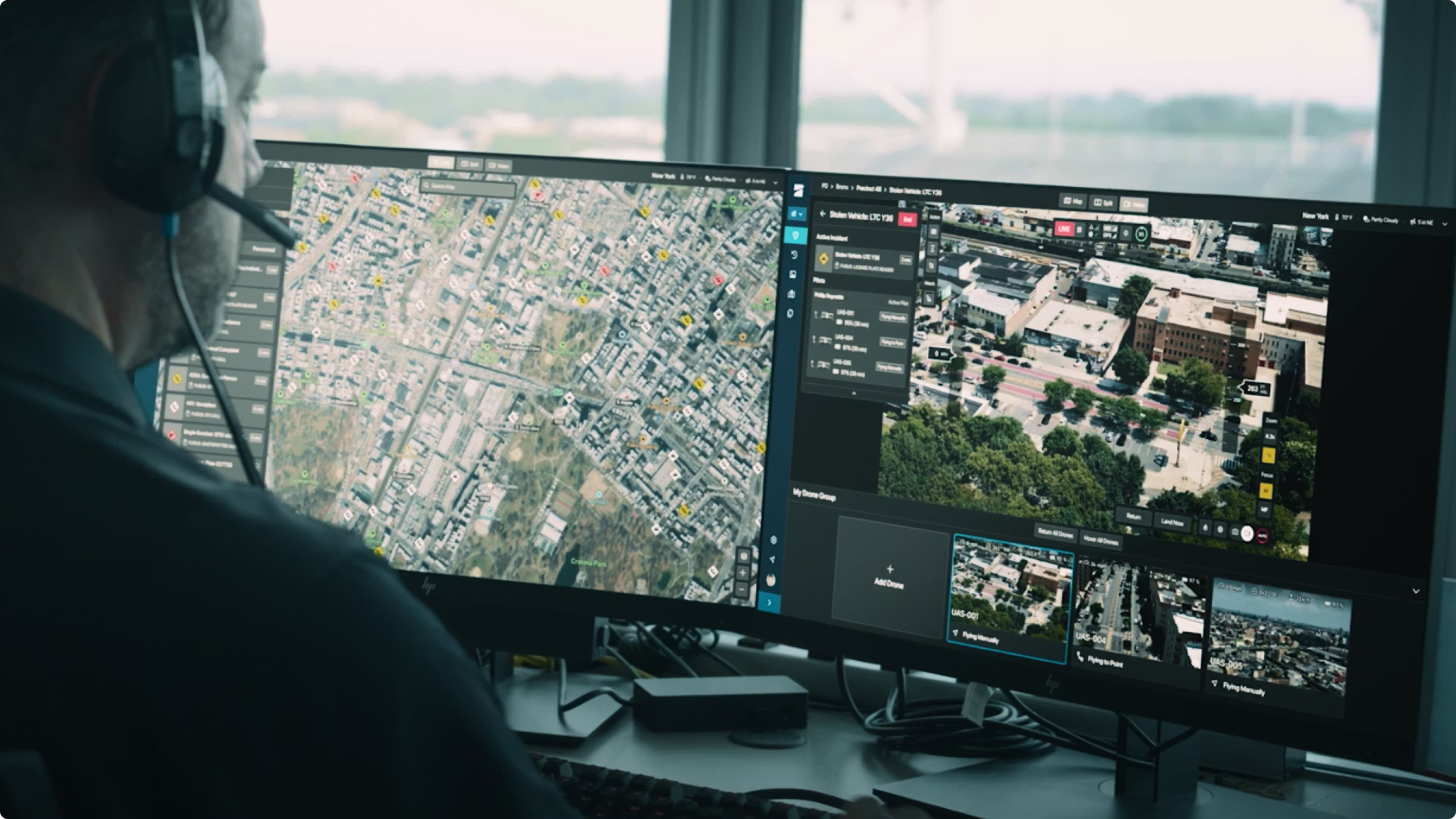
- Useful for repeat routes around compounds, access roads and selected site assets.
- Requires careful planning, connectivity and aviation compliance.
Recommended Wind Turbine Inspection Workflow
The workflow below is the part that many weak articles miss. A good turbine inspection is not just “fly the drone and take photos”. It should create a repeatable record that maintenance teams can act on.
Define the inspection scope
Confirm whether the job covers blades, nacelle, hub, tower, foundation, transformer, substation or post-storm review.
Plan turbine status and safety
Agree turbine stoppage, yaw orientation, blade position, exclusion area, weather limits and emergency procedures with the site team.
Capture blade passes consistently
Record each blade root-to-tip and tip-to-root with a consistent angle, safe stand-off distance and sufficient overlap for review.
Document defects clearly
Capture additional zoom images from multiple angles when erosion, cracks, lightning marks, chips or coating loss are identified.
Organise the evidence
Name files by wind farm, turbine ID, blade, side and inspection date. This prevents confusion when many turbines are inspected in one project.
Deliver a usable report
The report should include annotated images, defect categories, recommended follow-up and repair priority rather than just a folder of photos.
Where Thermal Imaging Helps — and Where It Does Not
Thermal imaging can be valuable around wind farm electrical infrastructure, nacelle-related heat checks, transformers, substations and battery or power-conversion equipment. It can help identify abnormal temperature differences when conditions are suitable.
For blade surface issues such as leading-edge erosion, cracks, chips and lightning marks, high-resolution visible imagery remains the main inspection method. Thermal data should be treated as an additional evidence layer, not a promise that every internal defect will be detected from the air.
Important: drone inspection is an evidence-gathering method. Final defect classification, repair decisions and structural conclusions should be made by qualified turbine/blade specialists using the drone data, maintenance history and site context.
Which DJI Setup Should You Choose?
| Requirement | Recommended setup | Why |
|---|---|---|
| Detailed blade and nacelle inspection | Matrice 400 + Zenmuse H30T | Best combination of endurance, zoom, thermal capability and laser rangefinding. |
| Rapid turbine condition check | Matrice 4T | Compact, fast to deploy and suitable for visual/thermal assessment. |
| Wind farm access roads and site mapping | Matrice 4E | Better when the deliverable is mapping, route planning or site documentation rather than thermal inspection. |
| Repeated remote monitoring | Dock 3 + Matrice 4TD | Useful for scheduled routes around fixed sites, subject to authorisation and connectivity. |
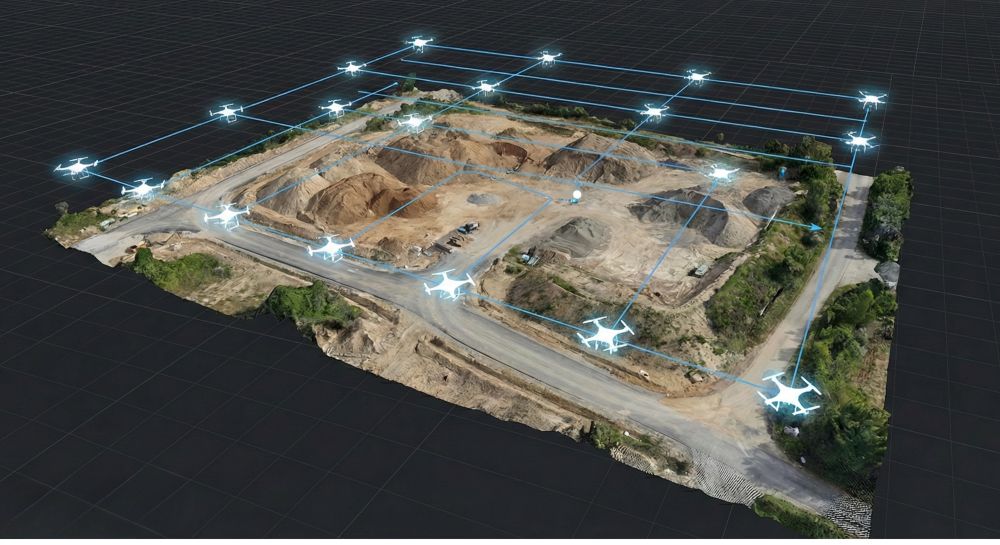
| Wind farm terrain or corridor modelling | Matrice 400 + Zenmuse L3 | Useful where LiDAR, 3D terrain, vegetation or access-route modelling is required. |
What a Good Wind Turbine Drone Report Should Include
The value of the inspection is in the report, not only in the flight. A useful report should help the wind farm owner decide what action to take next.
- Wind farm name, turbine ID, inspection date and weather conditions.
- Aircraft, payload and camera settings used for the inspection.
- Turbine status, blade position and capture method.
- Annotated images of each defect or point of interest.
- Defect category, severity estimate and location reference.
- Recommended next step: monitor, repair, rope-access check or engineering review.
- Comparison with previous inspection records where available.
- Clear image and file naming for asset management systems.
Irish Operating and Compliance Considerations
Wind turbine inspection is usually a professional industrial operation. In Ireland, operators must consider IAA/EASA requirements, site safety rules, airspace, public access, ground risk, nearby roads, local communities, privacy, insurance and emergency procedures.
Some wind turbine inspection projects may require more advanced planning or operational authorisation, especially when the site involves complex environments, restricted airspace, beyond visual line of sight, night work, remote operations or higher ground risk. The drone provider should be able to explain the operating category and risk controls before the project starts.
FAQ
Can drones inspect wind turbine blades without stopping the turbine?
For detailed blade inspection, the turbine is normally stopped or safely positioned so the drone can capture repeatable imagery. The exact method should be agreed with the wind farm operator and safety team.
Is Matrice 400 better than Matrice 4T for wind turbine inspection?
For large-scale turbine inspection programmes, Matrice 400 with Zenmuse H30T is the stronger setup because it offers more endurance and payload capability. Matrice 4T is better when portability and rapid deployment are the priority.
Do wind turbine inspections always need thermal imaging?
No. Thermal imaging is useful for selected electrical and heat-related checks, but high-resolution visual imagery is still the main requirement for many blade surface inspections.
Can drones replace rope access inspection?
Drones can reduce how often rope access is needed, but they do not fully replace hands-on inspection or repair. They are best used for first-line evidence gathering and maintenance planning.
What is the best drone payload for turbine inspection?
For modern DJI enterprise workflows, Zenmuse H30T is a strong choice because it combines wide-angle capture, long-range zoom, thermal imaging and laser rangefinding in one payload.
Need Help Choosing a Wind Turbine Inspection Drone?
Tell Irish Drone about your wind farm size, turbine type, inspection goal, reporting requirement and operating environment. We can help you choose the right DJI aircraft, payload and workflow for wind turbine inspection in Ireland.
Contact Irish Drone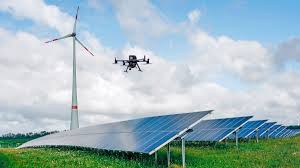
Leave a comment