
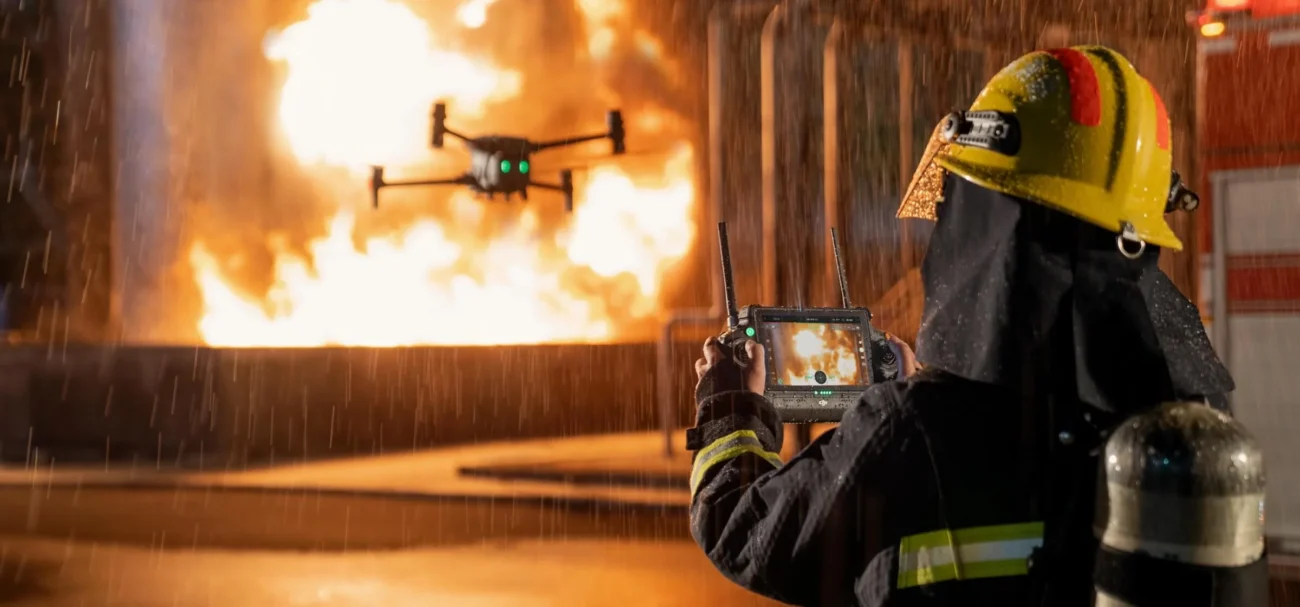
Enterprise drones are becoming a practical safety tool for Irish construction firms, utilities, energy operators, public bodies and industrial site managers. Used correctly, they reduce the need for people to climb, enter hazardous zones or inspect assets from unsafe positions, while giving teams faster visual evidence for decisions.
Quick Answer
Enterprise drones improve site safety by moving inspections, progress checks, emergency assessments and hazard reviews away from risky physical access. Instead of sending workers onto roofs, towers, scaffolding, live utility corridors, unstable ground or busy plant areas, a trained drone team can capture high-resolution visual, zoom, thermal or mapping data from a controlled take-off point. The strongest results come when drones are built into a formal safety workflow, not treated as a one-off camera tool.
Why Site Safety Is Difficult to Manage from the Ground
Many Irish work sites are difficult to inspect safely using only ground teams. Construction sites change every day. Utility corridors can include live electrical assets, water crossings, uneven terrain or restricted access points. Wind farms, solar farms, ports, warehouses, quarries and industrial plants often involve height, traffic movement, weather exposure or confined areas. Even a routine inspection can require ladders, scaffold towers, MEWPs, rope access, road closures or manual walking routes.
The safety problem is not only the hazard itself. It is also the delay between identifying a risk and giving the right people enough evidence to act. A site manager may hear that a roof edge looks exposed, a contractor may report that a crane zone is becoming congested, or a facilities team may suspect heat build-up around electrical equipment. Without clear visual evidence, decisions can be slow, and teams may need to physically revisit the area.
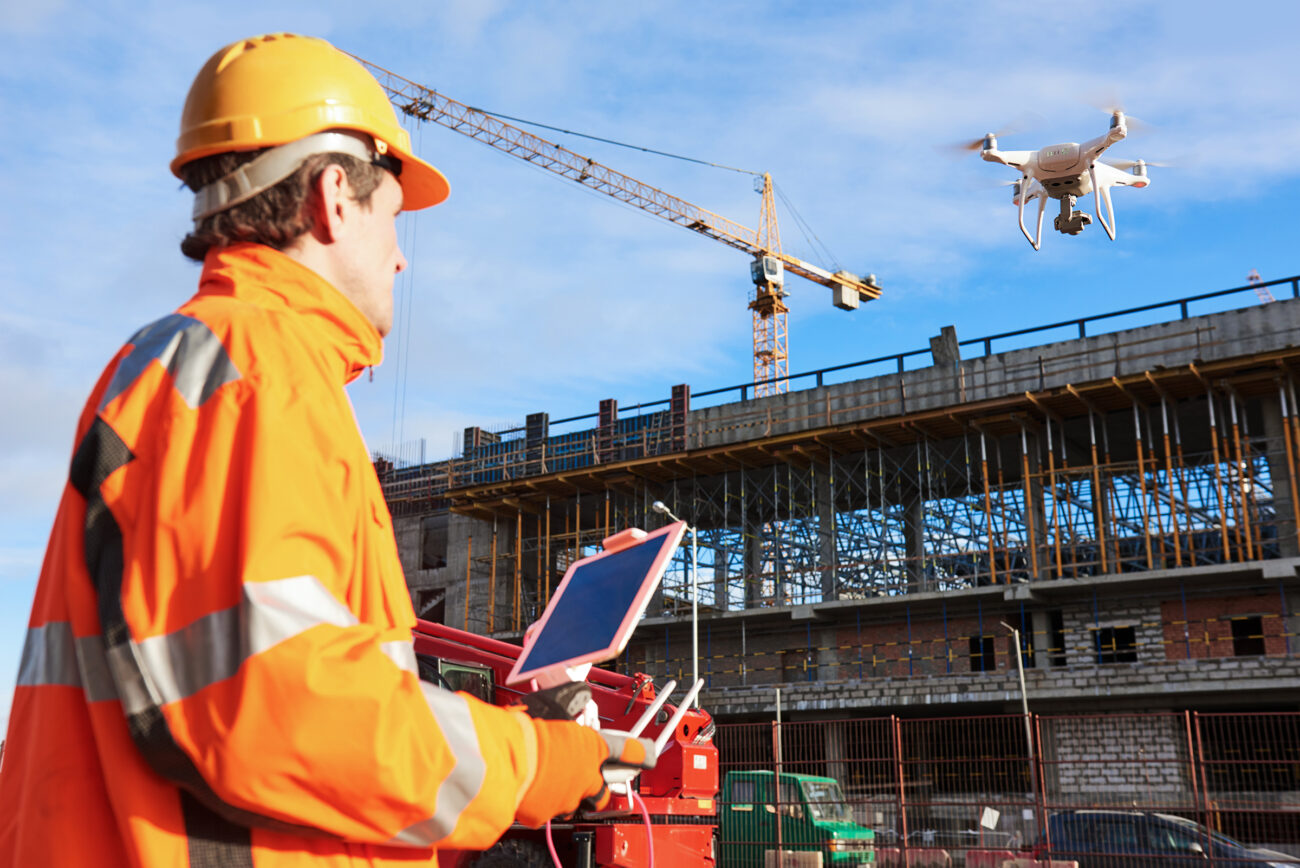
An enterprise drone does not replace a safety officer, engineer or competent inspection team. Its value is that it gives those people a faster and safer way to see the site. When drone data is planned properly, teams can review hazards from above, confirm site conditions, document changes and decide whether a person really needs to access the risk area.
What Enterprise Drones Change in Daily Safety Operations
A basic camera drone can take photos. An enterprise drone programme does more than that. It creates a repeatable process for collecting safety information, comparing changes over time and sharing evidence with project managers, engineers, contractors and emergency teams.
1. Plan
Define the asset, hazard, access limitations, flight area, exclusion zones, privacy considerations and required output before the drone leaves the ground.
2. Capture
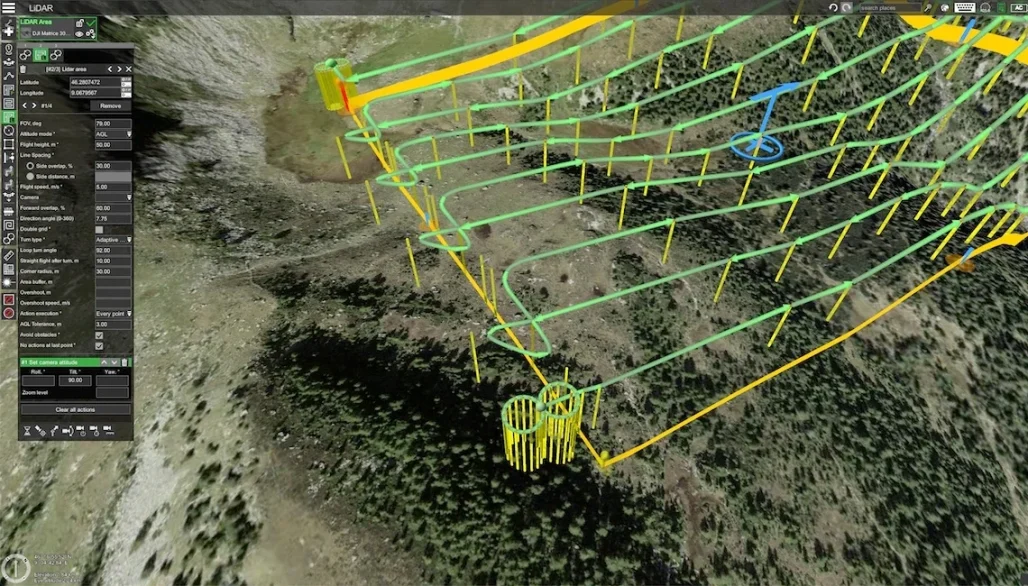
Use visual zoom, wide-angle overview, thermal imaging, mapping routes or automated missions to collect consistent site evidence.
3. Assess
Review images, video, thermal data or maps with the site team and classify findings by urgency, location and required corrective action.
4. Act
Issue work orders, update RAMS, improve site layout, isolate hazards or schedule maintenance using clear visual evidence.
The key improvement is repeatability. If a drone captures the same area weekly, after severe weather, before a lift plan, or during a high-risk phase of construction, the safety team can identify change quickly instead of relying only on memory, verbal reporting or isolated photos from ground level.
Seven Practical Ways Drones Improve Site Safety
1. Reduce Work at Height
Roofs, facades, chimneys, telecom towers, bridge components, wind turbine structures and high warehouse areas are often difficult to access safely. A drone can perform an initial visual inspection before sending a person to height. If the issue is minor, the team may avoid unnecessary access altogether. If a close inspection is needed, the drone data helps the team plan the safest access method before anyone climbs.
2. Keep People Away from Live or Energised Assets
Utilities, substations, electrical infrastructure, solar farms and industrial plants can include live equipment and restricted areas. Thermal drones can help identify abnormal heat patterns, damaged components or potential faults from a safe distance. The drone does not remove the need for qualified electrical assessment, but it can reduce unnecessary physical exposure during the early detection stage.
3. Improve Visibility Across Large or Moving Sites
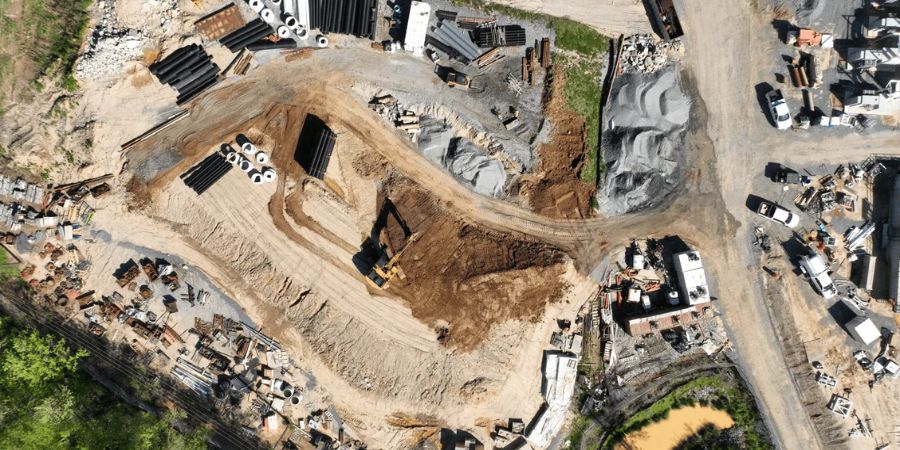
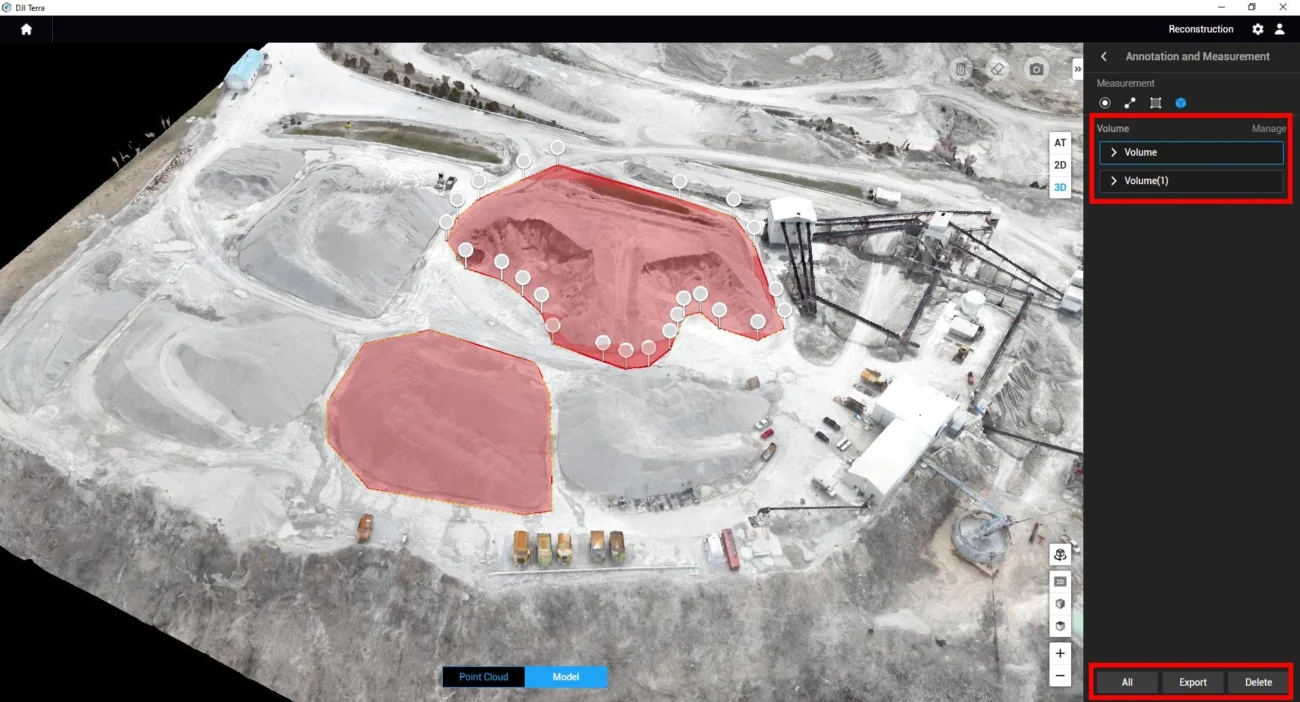
On construction, quarry, port and logistics sites, risks often develop because equipment, materials, traffic and people move throughout the day. Aerial views help managers see blocked routes, poor segregation between people and vehicles, stockpile movement, temporary works risks, standing water, damaged fencing or unsafe access paths. This wider view is difficult to achieve from ground level.
4. Speed Up Incident Assessment
After storms, flooding, fire, structural damage or suspected equipment failure, the first question is often whether it is safe for people to enter. A drone can provide a rapid overview before responders, engineers or maintenance teams move closer. This is especially useful where debris, unstable surfaces, water, smoke, heat or falling-object risks may be present.
5. Support Better Toolbox Talks and Contractor Briefings
Safety briefings are more effective when people can see the actual site conditions. Drone photos and short video clips can be used to show access routes, exclusion zones, lifting areas, temporary edge protection, restricted areas and recent changes. This makes toolbox talks more specific and helps subcontractors understand risks before they start work.
6. Create Better Safety Records
Aerial records help prove that a site was inspected, a hazard was visible, an area was restricted or a corrective action was completed. For large projects, this can be useful for internal safety reviews, contractor coordination, insurance discussions, maintenance records and handover documentation. The important point is to label data clearly by date, location, asset and finding.
7. Enable Remote Collaboration
Enterprise drone platforms can support live viewing and structured sharing, allowing safety managers, engineers or decision-makers to review conditions without standing beside the hazard. This is helpful when the responsible person is off-site, when a specialist needs to assess a condition quickly, or when several teams need the same visual evidence.
Where Drones Fit Across Irish Sites
The strongest drone safety programmes start with clear use cases. Below are practical examples for Irish companies.
| Site Type | Typical Safety Challenge | How a Drone Helps |
|---|---|---|
| Construction sites | Working at height, temporary works, changing access, plant movement | Progress views, roof and facade checks, exclusion zone verification, traffic route review |
| Utilities and power networks | Live assets, remote corridors, difficult terrain, storm response | Zoom inspection, thermal checks, route documentation, faster fault triage |
| Solar and wind farms | Large areas, electrical assets, blade or panel defects, weather exposure | Thermal inspection, component overview, safer access planning, maintenance prioritisation |
| Ports, quarries and industrial sites | Moving machinery, uneven ground, stockpiles, restricted zones | Aerial site review, boundary checks, incident assessment, safe route planning |
| Public safety and emergency response | Smoke, heat, darkness, unstable areas, missing persons | Thermal search, overwatch, live situational awareness and safer deployment of ground teams |
Which DJI Enterprise Drone Fits Each Safety Task?
Choosing the right drone depends on the size of the site, the hazard type, required sensor, flight duration, weather exposure and reporting needs. For many Irish companies, the best answer is not simply “the most expensive drone”. The right system is the one that captures the safety evidence reliably and fits the team’s operational permissions.
DJI Matrice 4T
Best for portable thermal and zoom inspections where the team needs fast deployment, thermal awareness, night support and clear documentation.
View Matrice 4T in Ireland →DJI Matrice 400
Best for larger sites, longer missions and multi-payload work where endurance, payload flexibility and stronger sensing are important.
View Matrice 400 →Zenmuse H30 / H30T
Best for long-distance zoom, thermal inspection, incident assessment and detailed asset observation from safer standoff positions.
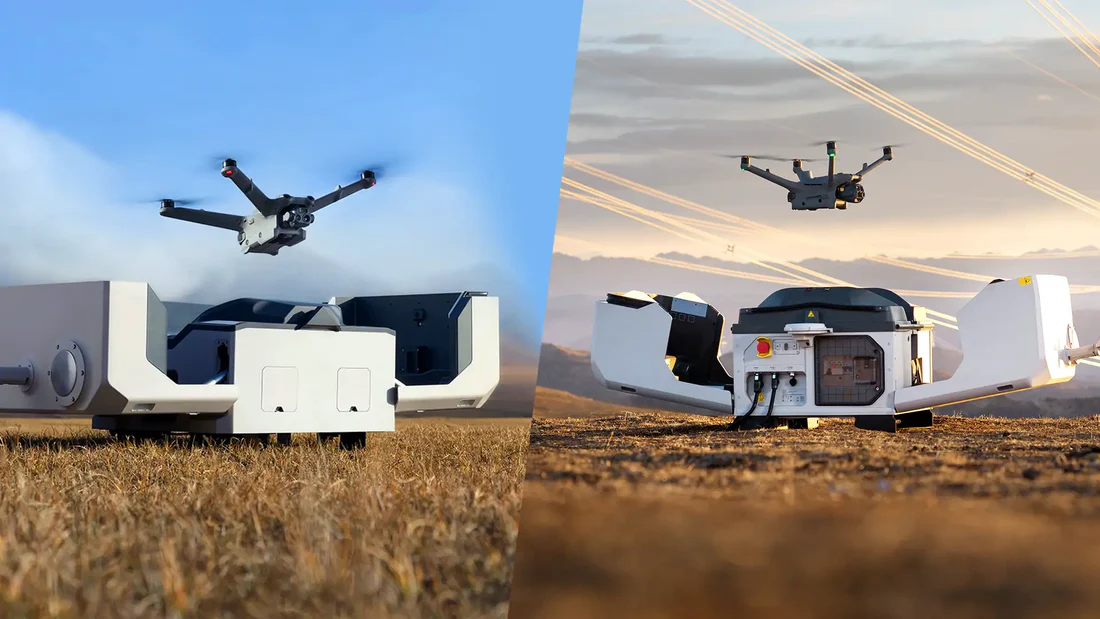
View Zenmuse H30T →DJI Dock 3
Best for recurring remote site monitoring when a fixed location requires scheduled inspection, repeatable data collection and remote visibility.
View DJI Dock 3 →A Safe Drone Inspection Workflow for Irish Companies
Drone safety improves only when the drone operation itself is planned safely. The workflow below gives companies a practical structure.
- Define the inspection purpose. Decide whether the flight is for hazard identification, incident assessment, progress review, thermal inspection, roof access planning, asset inspection or emergency support.
- Check airspace and site restrictions. Confirm whether the location is near controlled airspace, restricted areas, sensitive sites, public roads, residential areas or privacy-sensitive zones.
- Confirm operator competence and authorisation. Ensure the drone operator has the correct registration, training, insurance and operational approval for the mission type.
- Prepare a site-specific risk assessment. Include take-off and landing area, emergency procedures, people on site, moving plant, weather, battery management, communication and exclusion zones.
- Capture repeatable evidence. Use consistent angles, routes, naming conventions and inspection checklists so the data can be compared over time.
- Review findings with the responsible person. Drone data should be interpreted by competent site personnel, engineers, asset owners or safety managers.
- Close the loop. Record corrective actions, re-inspect where necessary and store the final evidence in the project safety file or maintenance record.
Compliance Considerations in Ireland
Irish companies should treat drone operations as a controlled work activity. The drone may reduce physical risk, but it also introduces aviation, privacy, data and site-management responsibilities. As a general starting point, operators in Ireland must consider Irish Aviation Authority requirements, operator registration, pilot competency, airspace limitations and whether the mission falls into the Open or Specific category.
Routine low-risk flights may be simpler to plan, but more complex operations can require additional authorisation. This may include flights in complex environments, beyond visual line of sight, near restricted airspace, or close to people and infrastructure. Before using a drone for safety-critical site work, companies should confirm that the operator is appropriately registered, trained and authorised for the mission.
30-Day Implementation Plan
A company does not need to start with a complicated drone department. A simple 30-day rollout can prove value quickly.
| Stage | Action | Output |
|---|---|---|
| Week 1 | Select three high-value safety use cases such as roof inspection, traffic management review or thermal asset check. | Drone safety use-case list |
| Week 2 | Create a simple flight checklist, evidence naming system and reporting template. | SOP and report template |
| Week 3 | Run controlled pilot flights with responsible managers present. | First inspection reports and findings |
| Week 4 | Review outcomes, update the workflow and decide whether to buy equipment, use a service provider or combine both. | Business case and next-step plan |
Safety KPIs to Track
To prove value, track more than flight time. The most useful indicators connect drone activity to safety outcomes.
- Reduced physical access: number of roof, tower, scaffold, MEWP or confined-area visits avoided after drone review.
- Inspection speed: time from hazard report to visual confirmation.
- Corrective action rate: number of hazards confirmed, assigned and closed after drone inspection.
- Repeat inspection consistency: whether the same route, angle and asset references are captured each time.
- Incident response improvement: time saved when assessing storm, fire, flood or structural damage.
- Training value: how often drone visuals are used in toolbox talks, contractor briefings and safety reviews.
Recommended DJI Enterprise Systems for Site Safety
| Safety Need | Recommended System | Why It Fits | IrishDrone Link |
|---|---|---|---|
| Portable thermal inspection | DJI Matrice 4T | Compact thermal and zoom platform for fast site checks and incident awareness. | View product |
| Large industrial inspection | DJI Matrice 400 | Long-endurance enterprise platform for larger sites, heavier payload requirements and complex inspection work. | View product |
| Thermal and long-distance zoom | Zenmuse H30T | Multi-sensor payload for thermal observation, zoom inspection and safer standoff assessment. | View product |
| Recurring remote monitoring | DJI Dock 3 | Automated dock option for scheduled site monitoring and remote visual checks. | View product |
| Fleet visibility and mission records | DJI FlightHub 2 | Helps teams plan missions, supervise operations and share drone data for faster decision-making. | View software |
Need Help Choosing a Site Safety Drone?
Irish Drone can help Irish companies match DJI enterprise drones, payloads and software to real safety use cases such as roof inspection, industrial monitoring, utility inspection, thermal asset checks, emergency response and remote site visibility.
Contact Irish DroneFAQ: Enterprise Drones and Site Safety in Ireland
Do drones replace safety inspections?
No. Drones support safety inspections by providing safer visual access and better evidence. A competent person still needs to interpret findings, decide corrective actions and manage the site risk.
Can drones reduce work at height?
Yes, especially for initial roof, facade, tower, bridge, solar and wind asset checks. A drone can confirm whether physical access is required and help teams plan safer access if it is needed.
Is a thermal drone useful for site safety?
Thermal drones are useful where temperature differences matter, such as electrical assets, solar panels, heat sources, fire response, insulation issues, night search or equipment monitoring. Thermal findings should be reviewed by the relevant technical specialist.
What is the best drone for construction site safety?
For many construction safety tasks, the DJI Matrice 4T is a practical choice because it combines portability, visual zoom and thermal awareness. For larger projects or multi-sensor inspections, the DJI Matrice 400 may be more suitable.
Do Irish companies need permission to fly drones for site safety?
It depends on the drone, location and mission type. Operators in Ireland should check IAA requirements, operator registration, pilot competency, airspace restrictions and whether the operation needs authorisation under the relevant category.
Should a company buy a drone or use a drone service provider?
If drone work is occasional, a qualified service provider may be the simplest route. If inspections are frequent, repeatable and safety-critical, buying an enterprise drone and training an internal team may deliver better long-term control.
Leave a comment