
Quick Answer: Who Is This Guide For?
This guide is written for Irish industrial operators that need recurring visibility over large, difficult or safety-critical sites. Typical users include utilities, renewable energy operators, quarries, construction firms, data centres, ports, water infrastructure teams, manufacturing plants, logistics yards and public infrastructure contractors.
For most sites, the best starting point is to define the inspection problem first. A dock-based drone is useful for repeatable monitoring. A Matrice 400 system is better for demanding payload work. FlightHub 2 helps manage routes, live oversight and operational records. The right choice depends on the site, the risk level and the data deliverable.
1. What Remote Drone Operations Actually Mean
Remote drone operations are often misunderstood. They do not simply mean “flying a drone from far away”. For an industrial site, remote operations usually mean one of three workflows.
Remote-Supported Manual Operation
A qualified pilot remains responsible for the flight while engineers, safety teams or managers view the live feed remotely. This is useful for inspections where multiple stakeholders need to see the same asset in real time.
Scheduled Repeatable Inspection
The same route is flown repeatedly over roofs, yards, substations, solar farms, stockpiles or perimeter lines. The goal is consistent comparison over time, not just one-off imagery.
Dock-Based Remote Operation
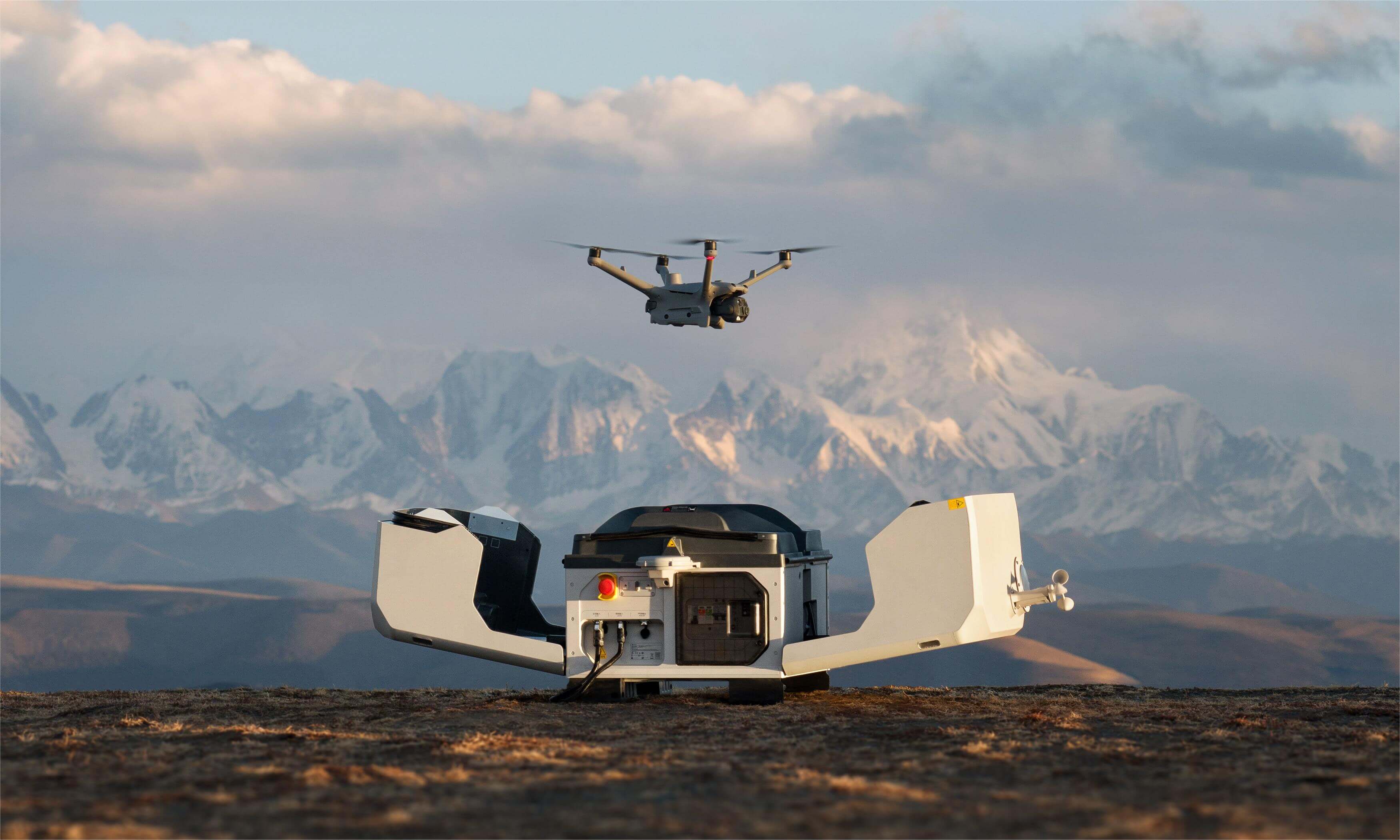
A drone is stored in a protected dock and launched for planned or urgent missions under approved procedures. This is the model most relevant to DJI Dock 3 and industrial site monitoring.
A strong remote drone programme should define who can launch the aircraft, who supervises the mission, how routes are approved, what happens during link loss, how emergency landing areas are handled, how data is stored and when a flight must be cancelled.
2. Why Remote Drone Operations Fit Irish Industrial Sites
Ireland has many industrial sites where frequent inspection is valuable but site access can be difficult, expensive or weather-dependent. A quarry in Wicklow, a wind farm in Donegal, a solar farm in Meath, a port facility in Dublin, a manufacturing site in Cork and a utility substation in Galway all have different risks. But they often need the same thing: fast, reliable visual information.
- Short weather windows: Irish sites often work around rain, wind, low cloud and limited winter daylight. A drone already on site can use safe windows more efficiently.
- Large or dispersed assets: Utilities, renewables, quarries and industrial estates may cover wide areas or multiple locations.
- Reduced working-at-height exposure: Drones can provide first-look visibility before workers access roofs, towers, bridges, high walls or restricted areas.
- Better maintenance records: Repeatable routes help teams compare the same asset week by week or after storm events.
- Faster response: After an alarm, flood, fire, storm or suspected equipment fault, aerial awareness helps teams decide what to do next.
3. Recommended DJI Systems for Remote Industrial Operations
The right system depends on whether the site needs repeatable monitoring, heavy-duty inspection, thermal awareness, LiDAR mapping or emergency response. These are the main DJI options Irish teams should compare.
DJI Dock 3 + Matrice 4D / Matrice 4TD
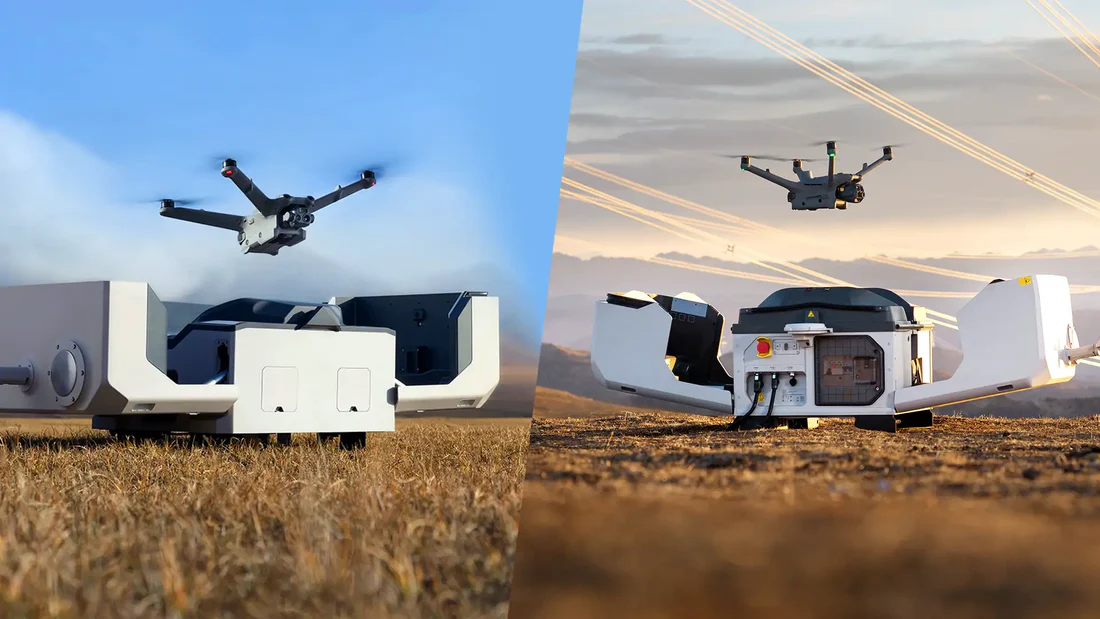
DJI Dock 3 is the most relevant solution for repeatable remote missions. It is designed for 24/7 remote operations and supports Matrice 4D and Matrice 4TD aircraft. For Irish industrial sites, it is best suited to routine site visibility, perimeter checks, substation monitoring, solar farm patrols, construction progress records and rapid response after site events.
Choose Matrice 4D when the priority is high-quality visual inspection, mapping-style site documentation and repeatable progress records. Choose Matrice 4TD when thermal awareness, low-light response, night operations, public safety support or hotspot checks are important.
View DJI Dock 3 on IrishDrone.ie · View Matrice 4D · View Matrice 4TD

DJI FlightHub 2
FlightHub 2 is the command and workflow layer. It helps teams manage flight routes, schedule tasks, supervise remote operations, share live information and connect drone data to operational workflows. For industrial sites, FlightHub 2 is especially important because the drone programme needs traceability: who planned the route, when it was flown, what was captured and how the data was used.
DJI Matrice 400
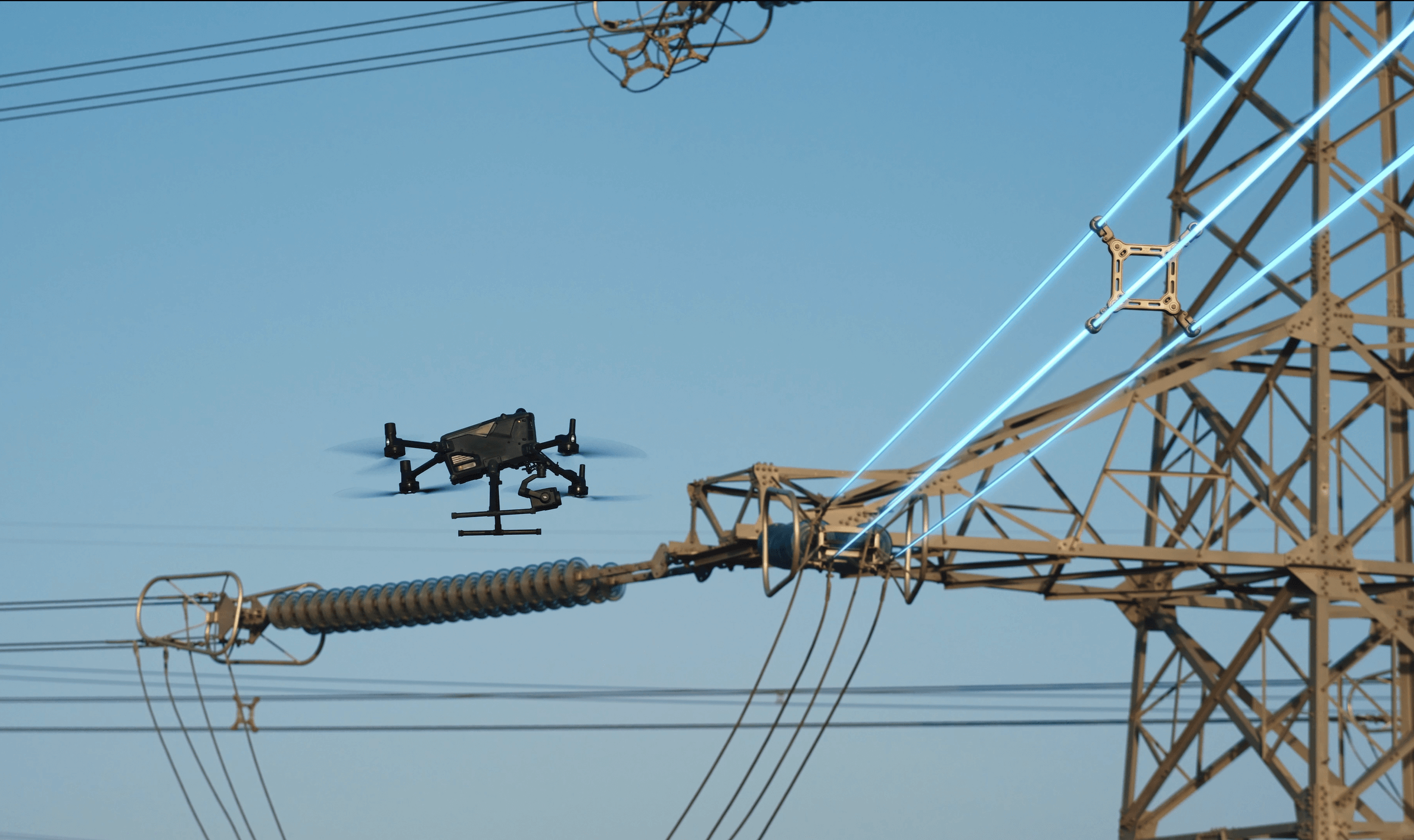
Matrice 400 is the better choice for heavy-duty industrial missions where a dock-based system is not enough. It is suitable for powerlines, wind turbines, bridge inspection, large infrastructure surveys, ports, emergency response and projects that need specialist payloads such as Zenmuse H30T or Zenmuse L3.
View DJI Matrice 400 on IrishDrone.ie
Zenmuse H30T and Zenmuse L3 Payloads
For industrial inspection, the payload is often more important than the drone body. Zenmuse H30T supports visual zoom, thermal inspection and laser rangefinding for utilities, energy assets, towers, bridges, industrial roofs and emergency response. Zenmuse L3 is the better option for LiDAR mapping, quarry modelling, terrain capture, vegetation penetration and digital twin workflows.
4. High-Value Use Cases for Irish Industrial Sites
Utility Substations and Powerline Corridors
Electrical infrastructure is one of the strongest use cases for remote drones. A dock-based system can support routine visual patrols around substations and compounds, while Matrice 400 with H30T is better for long linear assets, towers, conductors, insulators, vegetation risk and thermal anomalies. For Irish utility teams, the main benefit is safer first-look visibility before field crews enter difficult or restricted areas.
Wind Farms and Renewable Energy Sites
Remote drones can help inspect turbine blades, nacelles, towers, access roads, substations, solar rows, inverters, fencing and drainage. For wind farms, Matrice 400 with H30T is stronger for detailed stand-off inspection. For solar farms, Dock 3 with Matrice 4TD can support regular visual and thermal checks over repeatable routes.
Quarries, Aggregates and High-Wall Monitoring
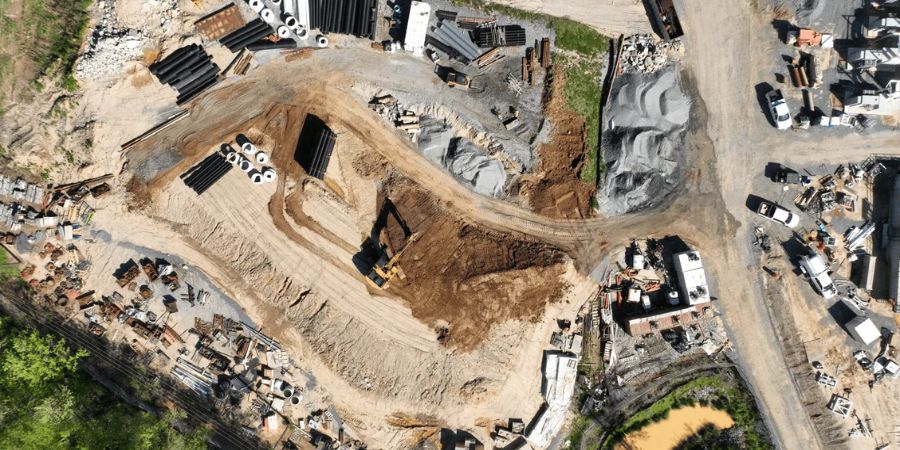
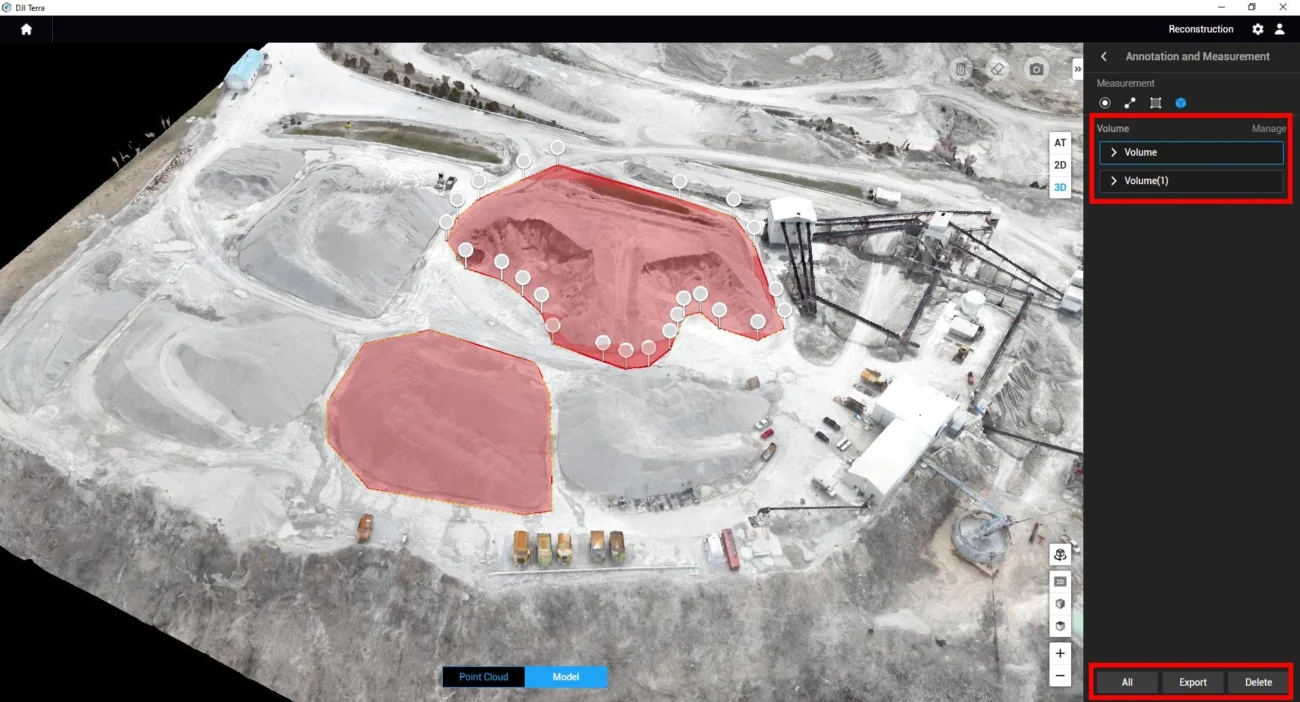
Quarries change every day. Remote drone workflows help monitor stockpiles, haul roads, drainage, benches, high walls, machinery areas and restricted zones. For volume calculations and terrain models, Matrice 400 with Zenmuse L3 and DJI Terra can support high-quality mapping outputs. For routine site awareness, a dock-based system may be enough.
Construction, Data Centres and Large Commercial Campuses
Large projects often need the same information repeatedly: site progress, roof works, plant areas, laydown zones, access roads, drainage, cranes, contractor areas and safety controls. A repeatable drone route gives managers a consistent visual record that can support meetings, progress claims, safety reviews and contractor coordination.
Ports, Coastal Facilities and Maritime Infrastructure
Ports and coastal industrial sites often include restricted zones, moving vehicles, vessels, cranes, exposed structures and difficult access. Drones can help inspect quay walls, roofs, lighting, yards, storm damage, sea-facing structures and safety zones. In this environment, the operational plan must account for wind, corrosion exposure, vessel traffic and airspace restrictions.
Emergency Response, Security and Site Safety
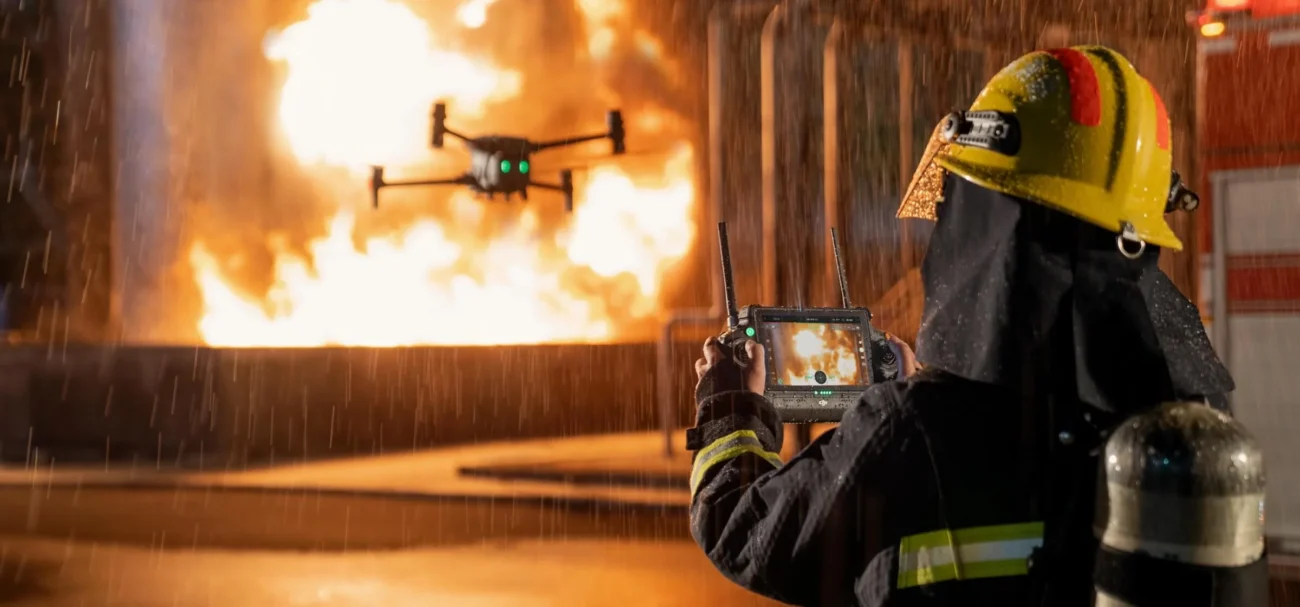
For flooding, fire, storm damage, perimeter alerts or hazardous incidents, a remote drone can provide situational awareness before people enter the area. Matrice 4TD and H30T are especially useful where thermal imaging, low-light awareness or long-range observation are required. Payloads such as spotlights and loudspeakers may also support controlled response workflows when used within approved procedures.
5. How to Choose the Right Remote Drone Setup
Start with the inspection deliverable, not the aircraft. Ask what the site needs to see, how often, at what resolution, in what lighting, under what operating limitations and who will use the data afterwards.
| Site Requirement | Recommended Setup | Why It Fits |
|---|---|---|
| Daily site overview | DJI Dock 3 + Matrice 4D + FlightHub 2 | Best for repeatable visual records, construction progress, site monitoring and planned patrol routes. |
| Thermal monitoring and security | DJI Dock 3 + Matrice 4TD | Useful where hotspot checks, low-light response, perimeter awareness or emergency visibility are needed. |
| Powerline, tower, bridge or wind turbine inspection | Matrice 400 + Zenmuse H30T | Better for stand-off inspection, zoom imaging, thermal checks, long-range observation and complex infrastructure. |
| Quarry mapping and terrain models | Matrice 400 + Zenmuse L3 + DJI Terra | Best for LiDAR point clouds, terrain modelling, stockpile analysis, high-wall data and vegetation/terrain capture. |
| Multi-site operational management | FlightHub 2 with standard route templates | Helps central teams manage missions, route planning, live oversight and data handover across several sites. |
Choose Dock 3 When…
- The same site needs regular monitoring.
- Routes can be repeated safely.
- The site has controlled launch and recovery areas.
- The operation has suitable procedures and authorisation.
- The value is rapid visibility and repeatable records.
Choose Matrice 400 When…
- The project needs heavy or specialist payloads.
- The assets are large, tall, linear or complex.
- H30T, L3, spotlight or loudspeaker capability is required.
- The output needs survey-grade or engineering-grade data.
- The mission is too demanding for a compact dock drone.
6. A Practical Workflow Before Deployment
A safe remote drone programme should be built in stages. Do not start by buying a dock and then trying to design the operation around it. Start with the site, the risk and the decision-making process.
Step 1: Define the Assets
List the roofs, towers, substations, solar arrays, pipelines, fencing, stockpiles, drainage areas, high walls, yards or process areas that need monitoring. Decide whether each asset needs RGB imagery, thermal imagery, video, LiDAR, zoom inspection or mapping data.
Step 2: Separate Routine and Urgent Missions
Routine flights may include weekly solar farm checks, daily construction progress routes or monthly stockpile records. Urgent flights may include post-storm assessment, alarm response, flooding, fire support or suspected equipment failure. Each mission type needs its own launch approval and stop rules.
Step 3: Create Route Templates
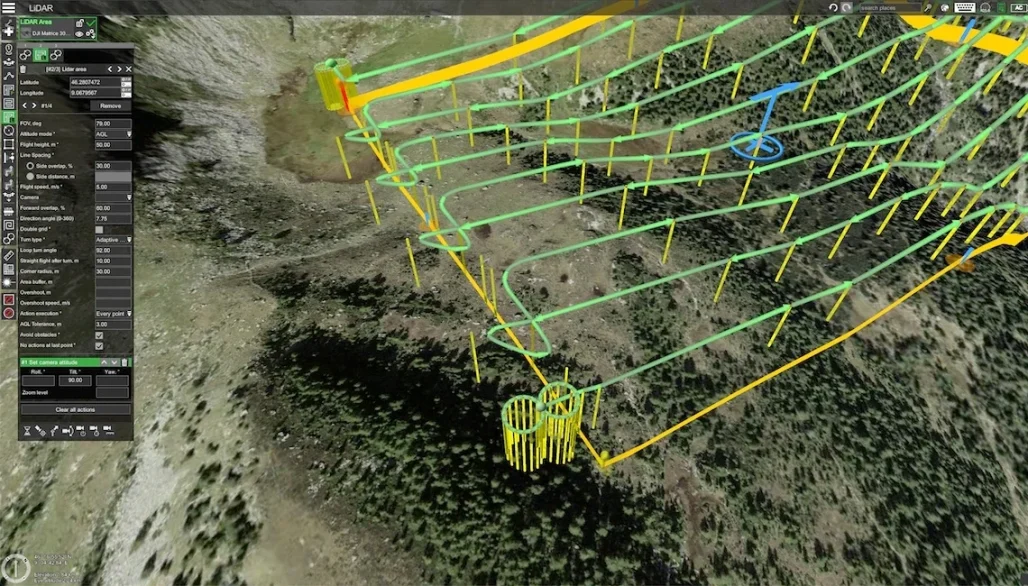
Remote operations become valuable when routes are consistent. Keep altitude, angle, speed, image overlap and camera settings consistent where comparison over time matters. For mapping, maintain a controlled data capture workflow. For inspection, ensure the route captures each asset from the correct distance and angle.
Step 4: Establish Go/No-Go Rules
Weather, visibility, site activity, cranes, emergency services, nearby aviation activity, public access and temporary restrictions can change the risk. The best drone programmes are comfortable cancelling flights when conditions are not right.
Step 5: Connect Data to Maintenance Decisions
Drone data should not sit in random folders. Build a process for naming files, storing imagery, comparing results, raising maintenance tickets and attaching findings to asset records. This is how remote drone operations become part of industrial asset management.
7. Irish Compliance Considerations
This is general guidance, not legal advice. Drone operations in Ireland are overseen by the Irish Aviation Authority and sit within the EU drone framework. Remote, dock-based, complex industrial or BVLOS operations may require a Specific Category pathway, risk assessment, documented procedures and an Operational Authorisation.
Before deploying any remote drone system, an Irish business should confirm:
- whether the operation is VLOS or BVLOS;
- whether the site is inside or near controlled, restricted or sensitive airspace;
- whether uninvolved people, roads, rail lines, neighbouring sites or public areas are nearby;
- who is the UAS operator and who has pilot responsibility;
- what emergency, link loss, weather and abort procedures apply;
- how operator registration, insurance, maintenance records and training are handled;
- how data privacy and site security are managed.
8. Business Benefits When It Is Done Properly
The business case for remote drone operations is strongest when the drone is integrated into normal site management. A dock or aircraft should not be treated as a novelty. It should become a repeatable inspection tool linked to safety, maintenance and reporting.
Faster Awareness
Teams can review aerial information earlier instead of waiting for access equipment, site walks or travel between locations.
Safer Inspection
Drones can reduce unnecessary exposure to working at height, unstable ground, restricted areas and hazardous environments.
Consistent Records
Repeated routes show changes over time, including drainage issues, panel faults, asset damage, site progress or vegetation risk.
Reduced Travel
Multi-site operators can reduce repeat visits for routine checks, while reserving field teams for higher-value intervention.
FAQ: Remote Drone Operations for Industrial Sites
Are remote drone operations legal in Ireland?
They can be legal when planned under the correct operating category, authorisation, procedures and risk controls. Simple VLOS tasks may be different from BVLOS, dock-based or complex industrial operations. Always confirm the correct IAA pathway before deployment.
Does every remote operation require BVLOS approval?
No. Some workflows may still be supervised locally within visual line of sight. However, once the aircraft is operated beyond visual line of sight, near higher-risk areas or through a dock-based automated workflow, the regulatory pathway usually becomes more complex.
Which DJI system is best for remote industrial monitoring?
For repeatable site monitoring, DJI Dock 3 with Matrice 4D or Matrice 4TD is the strongest fit. For demanding inspection, towers, powerlines, wind turbines, bridges or LiDAR mapping, Matrice 400 with Zenmuse H30T or Zenmuse L3 is usually more appropriate.
Can a drone dock replace site inspectors?
No. A dock should support inspectors, engineers, safety teams and security teams. It can reduce unnecessary travel and provide faster visibility, but findings still need trained review, maintenance decisions and documented procedures.
What industries benefit most in Ireland?
Utilities, renewable energy, construction, quarries, ports, water infrastructure, data centres, logistics yards, manufacturing, pharma and public infrastructure are strong candidates because they need recurring inspection and safer access to difficult assets.
Planning a Remote Drone Workflow for an Irish Industrial Site?
Irish Drone can help you compare DJI Dock 3, Matrice 4D, Matrice 4TD, Matrice 400, Zenmuse H30T, Zenmuse L3 and related enterprise payloads based on your site, inspection objectives, authorisation pathway and data requirements.
Talk to an Enterprise Drone Specialist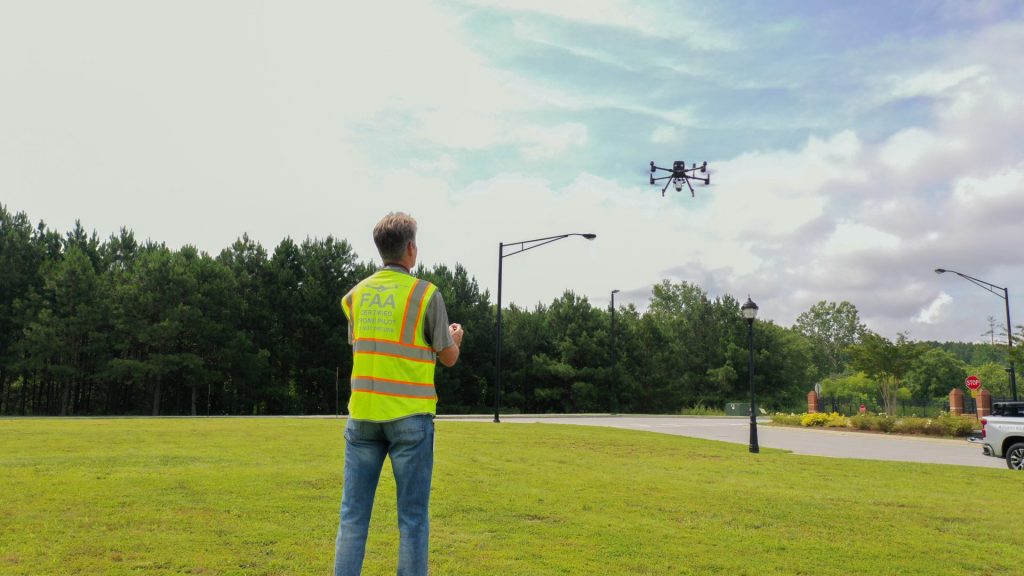
Leave a comment