
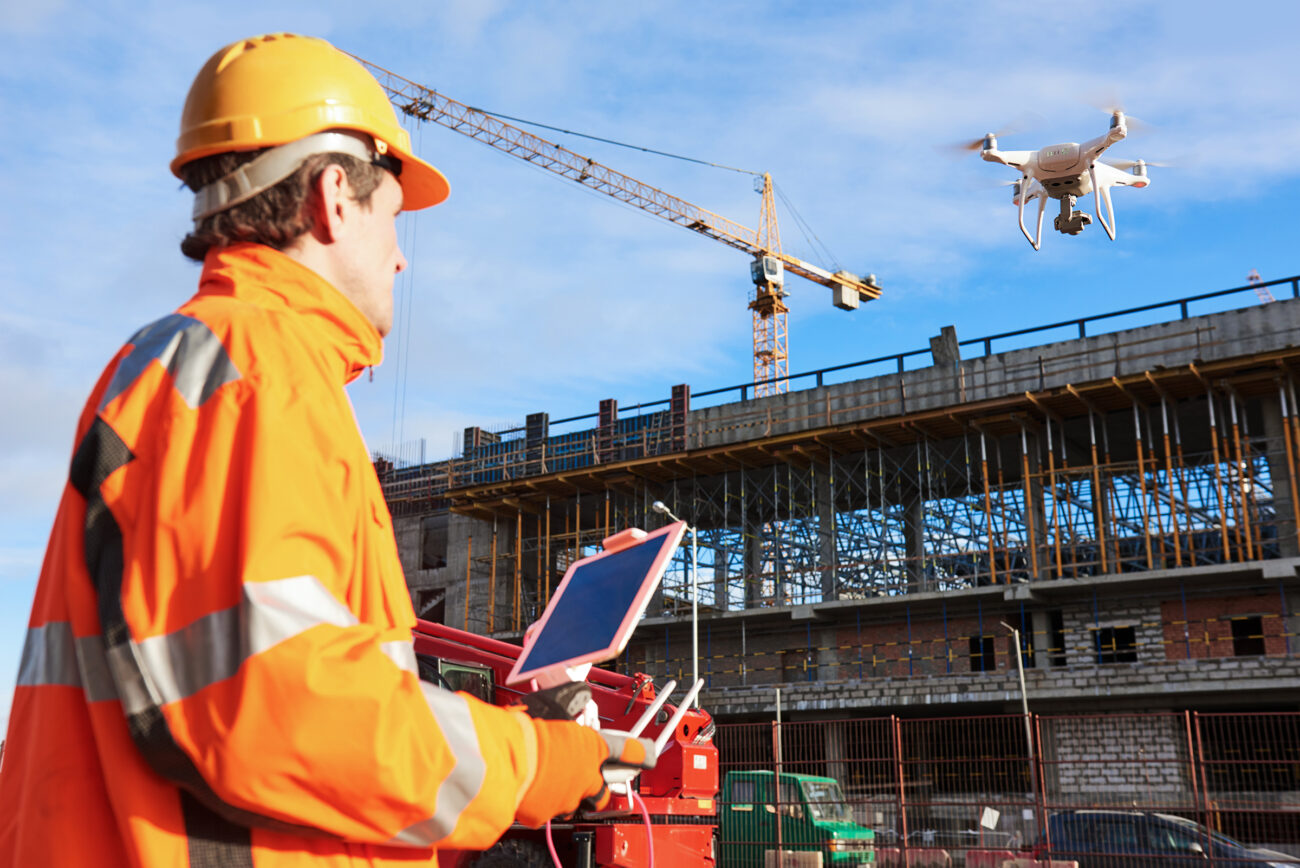
Use DJI enterprise drones to inspect difficult areas, document site conditions, monitor changing risks and support safer decisions before workers enter high-risk zones.


Why Construction Safety Teams Need Better Site Visibility
Construction sites change every day. Access routes move, scaffolding is adjusted, roof edges open up, trenches are excavated, materials are delivered and weather can quickly turn a normal inspection into a higher-risk task. A drone gives project managers, safety officers and engineers a faster way to see the site before sending people into exposed, elevated or difficult areas.
For Irish contractors, developers, civil engineering teams and infrastructure operators, the purpose of an enterprise drone is not to replace competent site supervision. Its value is to support safer decisions with clearer visual evidence. A short flight can help confirm whether an exclusion zone is still in place, whether emergency access is blocked, whether a roof area needs a closer inspection, or whether heavy rain has changed ground conditions around earthworks and temporary drainage.
Where Drones Support Construction Site Safety

Roof, facade and scaffold checks
Drones can give teams an early visual view of roof edges, facade elevations, scaffolding, temporary platforms and difficult access points before arranging physical access.

Traffic routes and exclusion zones
An aerial view helps supervisors check pedestrian routes, delivery areas, crane zones, loading points and restricted work areas from a safer distance.
Earthworks, drainage and access
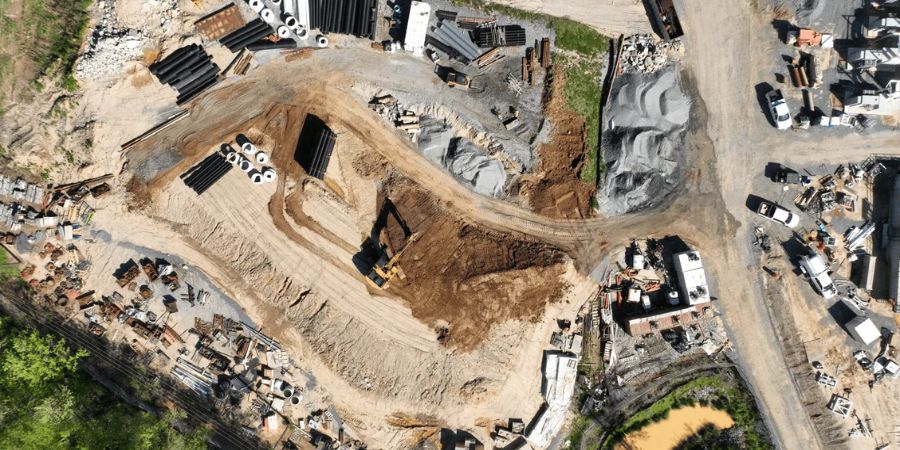
After rain or major site changes, drones can help identify standing water, slope movement, blocked access, unstable surfaces or changes around excavations.
Practical Drone Safety Workflows for Irish Construction Sites

1. Reducing unnecessary work at height
Work at height remains one of the most important risks on construction projects. A drone cannot replace proper access equipment, fall protection or competent inspection, but it can reduce the number of times someone needs to climb simply to understand the condition of an area.
- Initial roof, gutter and parapet checks before physical access
- Visual review of scaffolding, facade zones and edge protection
- Storm-damage review before sending people into exposed areas
- Photo evidence for safety meetings and contractor follow-up
2. Reviewing exclusion zones and moving site risks
Ground-level checks can miss the full picture on large or congested sites. Drone footage helps safety teams understand whether site routes, barriers, material storage, lifting areas and delivery points are working as intended.
For project managers, this means faster evidence when a traffic plan needs to change. For safety officers, it provides a visual record of why a corrective action is required.


3. Checking earthworks, excavations and drainage after weather
Irish construction projects often deal with wet ground, temporary drainage and changing access routes. Drone flights after heavy rain can help teams identify water pooling, damaged tracks, unsafe slopes, blocked drainage or changes around open excavations.
This is especially useful for housing developments, road schemes, utilities, data centres, quarries and civil engineering sites where earthworks change quickly.
4. Incident response and post-incident documentation
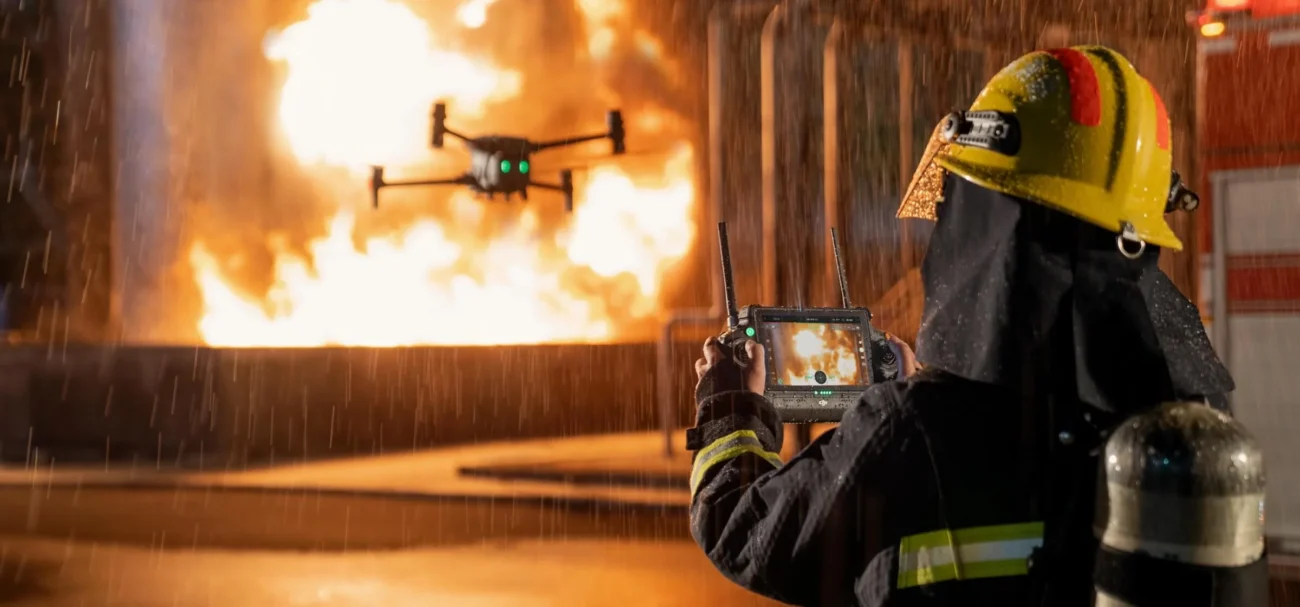
After an incident, the priority is always people and making the area safe. Once controlled, a drone can help document the area without disturbing evidence or sending additional people into a risky location.
- Flooded excavations or storm-damaged temporary works
- Vehicle incident areas or blocked access routes
- Collapsed or damaged structures after isolation
- Visual records for management, engineers, insurers or clients

Recommended DJI Enterprise Solutions for Construction Safety
The right setup depends on the site size, inspection risk, data requirement and operating environment. A small site may only need a compact inspection drone. A large infrastructure project may need scheduled patrols, thermal imaging, longer endurance or a heavier payload platform.

DJI Matrice 4T
Best for quick site inspection, thermal awareness, roof checks, facade review, security response and difficult-area visual assessment.
View Matrice 4T
DJI Matrice 4E
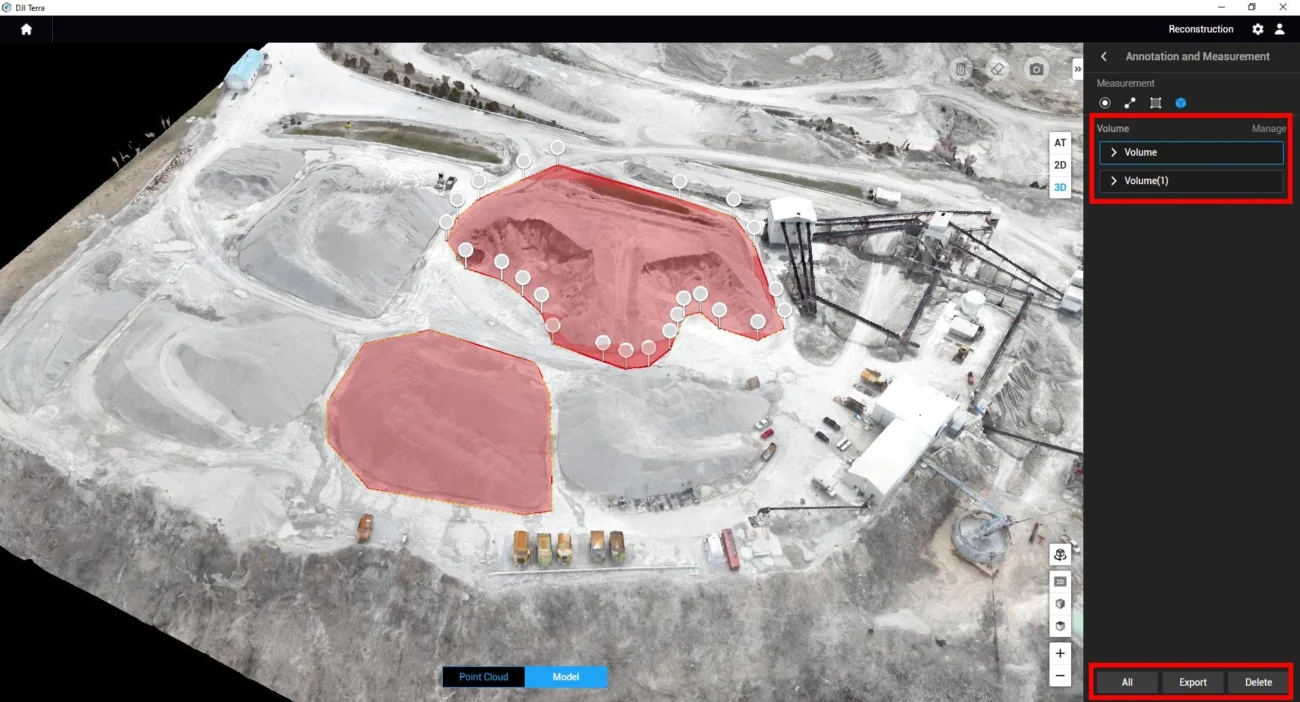
Best for construction mapping, progress records, site layout documentation, stockpile evidence and repeatable aerial records.
View Matrice 4E
DJI Dock 3 + Matrice 4D/4TD
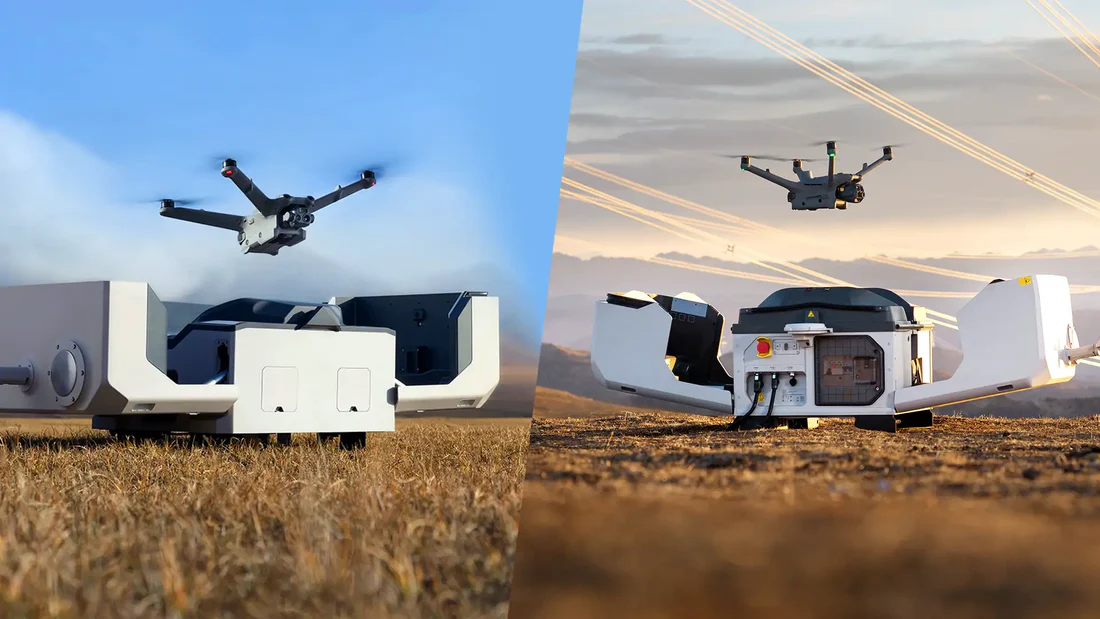
Best for scheduled patrols, remote compounds, repeated inspection points and larger sites where legally approved operations are possible.
View DJI Dock 3
DJI Matrice 400
Best for large construction sites, infrastructure inspection, heavier payload workflows, longer missions and demanding industrial environments.
View Matrice 400
DJI FlightHub 2
Useful for planned routes, remote viewing, site records, team collaboration and repeatable inspection workflows across larger projects.
Ask About FlightHub 2
Spotlight, Speaker and Controllers
Speaker, spotlight and controller options can support low-light inspection, controlled communication and live review from a safe position.
Ask About AccessoriesWhich Drone Workflow Fits Your Site Safety Task?
| Safety Task | Recommended Workflow | Suitable DJI Solution | Why It Helps |
|---|---|---|---|
| Roof and facade pre-checks | Short visual inspection flight before physical access | Matrice 4T | Reduces unnecessary access and helps plan safer inspection routes. |
| Weekly site progress records | Repeatable route with consistent visual capture | Matrice 4E | Creates clearer evidence for progress, site layout and changing work zones. |
| Earthworks and drainage checks | Aerial review after weather or major ground changes | Matrice 4E or Matrice 4T | Helps identify water pooling, damaged tracks, slope changes and access issues. |
| Large infrastructure inspection | Longer inspection mission with advanced payload options | Matrice 400 | Supports larger sites, more demanding inspection work and heavier sensor workflows. |
| Remote or repeated site patrol | Scheduled inspection route from a fixed dock location | DJI Dock 3 + Matrice 4D/4TD | Supports regular monitoring where the operating environment and permissions allow. |
| Incident documentation | Controlled image and video capture after the area is made safe | Matrice 4T, Matrice 4TD or Matrice 400 | Provides fast visual evidence without adding unnecessary people to the incident area. |
How to Build a Safer Drone Workflow
Define the safety question
Start with a clear objective: roof edge review, traffic route check, drainage inspection, progress evidence or incident documentation.
Select the right platform
Choose inspection, mapping, dock-based or heavy-payload workflows based on site size, access risk and data needs.
Plan the flight safely
Check airspace, site hazards, weather, take-off area, people on site and communication with workers before flying.
Capture consistent evidence
Use planned routes and repeatable viewpoints so progress and risks can be compared over time.
Report findings clearly
Share images, video, maps or annotated records with the relevant site manager, subcontractor or engineer.
Link evidence to action
A drone report should lead to a decision: isolate, repair, reinspect, brief the team, change the route or arrange physical access.
Drone Compliance for Construction Sites in Ireland
Drone use on construction sites must be planned around Irish and European drone rules. Operators should check airspace restrictions and UAS geographic zones before each flight. Construction sites may also include roads, cranes, nearby buildings, members of the public, controlled areas or other site-specific risks.
More complex operations, including BVLOS, restricted airspace, automated operations or flights in complex environments, may require additional authorisation. Irish Drone can help with equipment selection and workflow planning, but the operator remains responsible for safe and legal operation.
FAQ: Construction Site Safety Drones
Can drones improve safety on construction sites?
Yes, when used correctly. Drones help teams inspect difficult areas, document changing site conditions and make better decisions before people enter higher-risk zones.
Can a drone replace a safety inspection?
No. A drone supports the inspection process by providing visual evidence. Competent site management, risk assessment and physical checks are still required where appropriate.
Which DJI drone is best for construction safety checks?
For quick inspection and thermal awareness, Matrice 4T is often suitable. For mapping and repeatable site records, Matrice 4E may be better. For large sites or heavier payload workflows, Matrice 400 may be more appropriate.
Can drones help with work at height risk?
Drones can reduce unnecessary access by giving teams an early visual view of roofs, facades, edge protection and scaffolding. They do not remove the need for proper access equipment when physical work is required.
Can DJI Dock 3 be used on construction sites?
Dock 3 can support scheduled and remote monitoring workflows where the site, permissions, connectivity and operating model are suitable. It should not be treated as permission to fly BVLOS automatically.
Do construction drone operations in Ireland need permission?
Some operations may be possible under standard rules, while more complex missions may need additional authorisation. Operators should check IAA/EASA requirements and UAS geographic zones before flying.
Need a Construction Safety Drone Setup in Ireland?
Tell Irish Drone whether your priority is roof inspection, site progress records, remote monitoring, thermal checks, incident response or large infrastructure inspection. We can help you choose the right DJI enterprise drone, payload and workflow.
Leave a comment