

Many companies compare drone specifications first: flight time, camera resolution, thermal capability, RTK accuracy or payload capacity. Those details matter, but they are only part of the buying decision. A professional drone becomes useful only when the team can operate it safely, keep it ready for work, process the data correctly and get support quickly.
This guide is written for Irish construction companies, surveyors, utility contractors, energy teams, public safety organisations, security operators and infrastructure managers considering DJI Enterprise systems such as DJI Matrice 4E, DJI Matrice 4T, DJI Matrice 400 RTK and DJI Dock 3.
A business should not buy an enterprise drone as a single product. It should buy a complete operational setup: aircraft, payload, batteries, controller, software, training, maintenance schedule, insurance review, data workflow and support contact. This is the difference between a drone that sits in a case and a drone that produces repeatable business value.
1. Start with the job, not the drone model
The most common buying mistake is choosing the most impressive aircraft before defining the job. A surveying company, a solar inspection team, a quarry operator, a fire service and a security contractor do not need the same setup. Each one has different requirements for accuracy, zoom, thermal imaging, flight endurance, automation, data processing and support.
Before buying, write down the primary output you need. Examples include: an orthomosaic map, a 3D model, a thermal inspection report, a LiDAR point cloud, a powerline inspection record, a site security patrol, a construction progress report or emergency situational awareness. The output determines the aircraft, payload, training and support plan.
| Business need | Recommended DJI direction | Support planning priority |
|---|---|---|
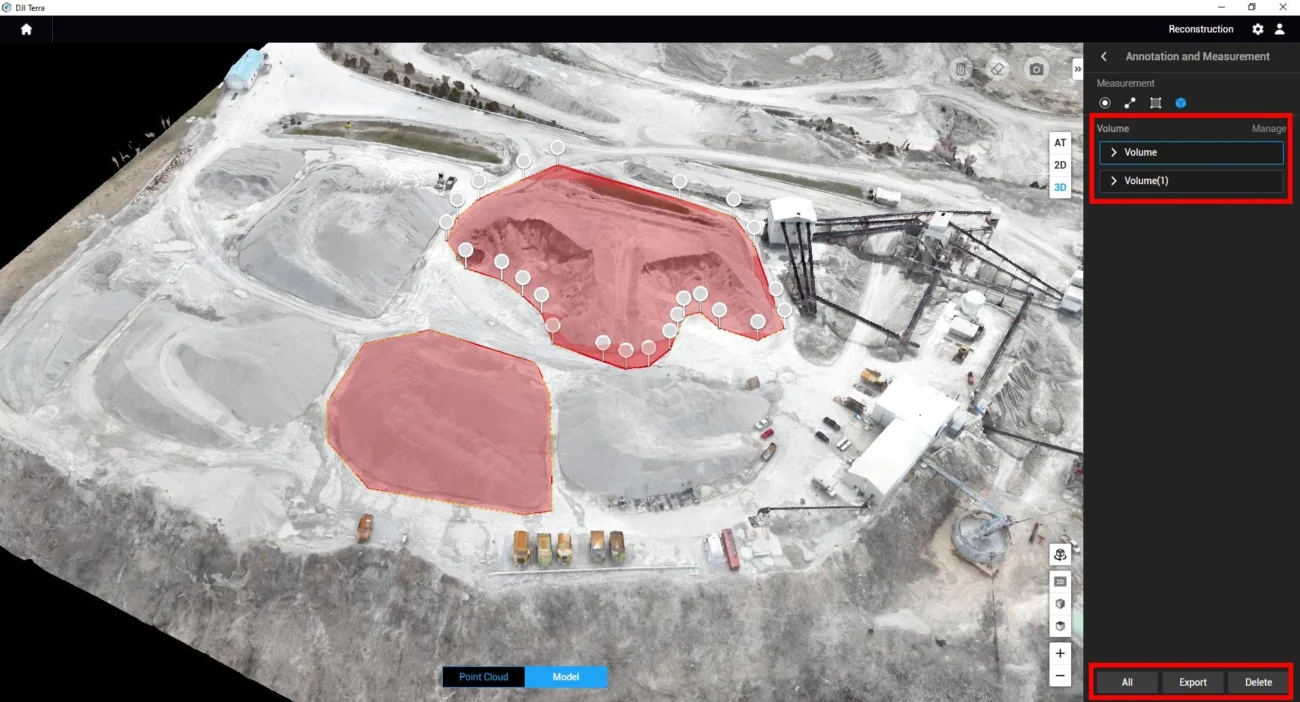
| Mapping, surveying and construction progress | Matrice 4E, D-RTK 3 and DJI Terra for repeatable mapping workflows. | RTK setup, camera calibration, overlap settings, data naming and repeatable processing. |
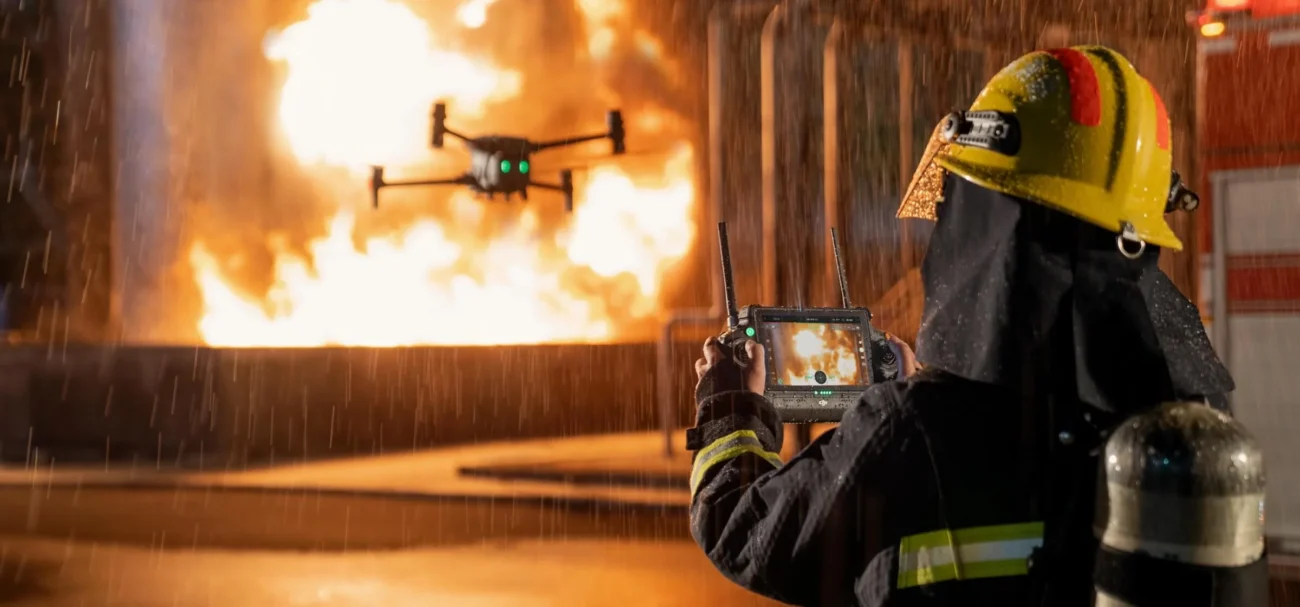
| Thermal inspection and public safety support | Matrice 4T for compact thermal missions or Matrice 400 with H30T for more demanding operations. | Thermal interpretation, evidence handling, low-light procedures and sensor care. |
| Large infrastructure inspection | Matrice 400 RTK with suitable payloads for longer-duration inspection and higher payload flexibility. | Payload mounting, battery station workflow, transport, firmware discipline and mission logs. |
| Automated remote monitoring | DJI Dock 3 with Matrice 4D or Matrice 4TD where remote operations are operationally justified. | Site installation, power, internet, cleaning, remote supervision, maintenance access and authorisation pathway. |
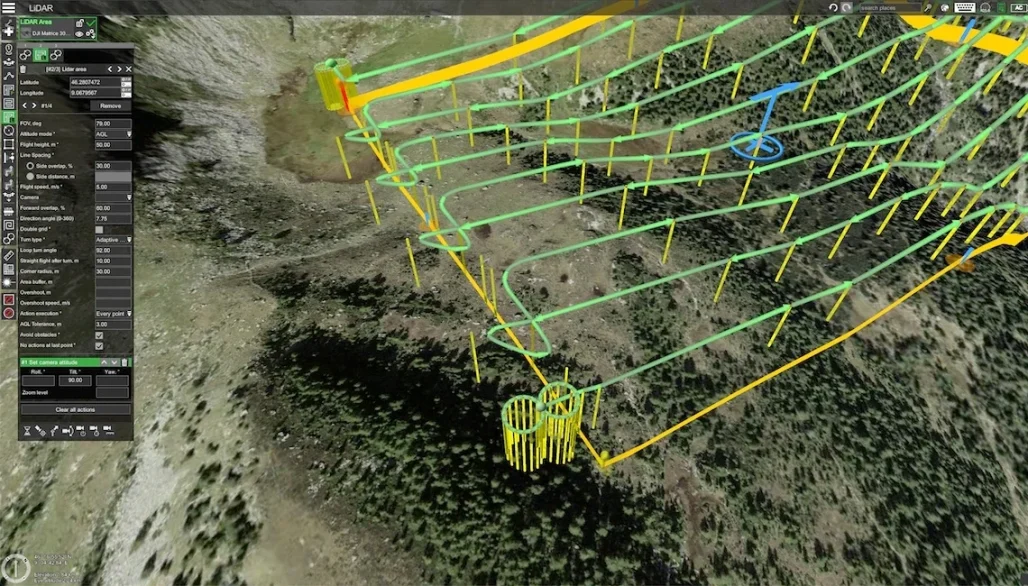
| LiDAR deliverables | Matrice 400 with a compatible LiDAR payload such as Zenmuse L3 for advanced point-cloud workflows. | GNSS/IMU discipline, calibration, ground control planning, point-cloud QA and storage capacity. |
2. Build maintenance into the purchase from day one
Enterprise drones work in real environments: Irish wind, drizzle, coastal air, construction dust, quarries, farms, industrial estates and remote utility sites. Small issues such as damaged propellers, dirty sensors, inconsistent firmware, battery warnings or loose payload mounting can turn into job delays.
A strong maintenance plan should answer four questions: who checks the drone before each job, who logs faults, who decides whether the aircraft is fit to fly, and how quickly the team can access repair or replacement support.

Pre-flight readiness checks
- Inspect propellers for cracks, chips, warping and correct installation.
- Check arms, landing gear, locks, payload mount and gimbal movement.
- Confirm battery charge, temperature, cycle count and visible condition.
- Check controller login, maps, firmware, storage cards and mission files.
- Confirm weather, site hazards, crew roles and return-to-home settings.
Maintenance records to keep
- Aircraft serial number, payload serial number and controller details.
- Flight hours, battery cycles and last inspection date.
- Firmware version, calibration notes and warning messages.
- Crash, hard landing, repair or replacement history.
- Responsible pilot sign-off before commercial jobs.
DJI Care Enterprise and warranty support can reduce risk, but they do not replace operational discipline. A business still needs safe procedures, maintenance logs, trained pilots, battery care, transport protection and a plan for downtime.
3. Training should match the real mission
Basic flight ability is not enough for enterprise work. A pilot who can fly safely may still produce poor mapping data, unreliable thermal findings or inconsistent inspection reports if the workflow is not understood. Training should be specific to the business use case.
| Training area | What the team should learn | Why it matters |
|---|---|---|
| Regulatory awareness | IAA registration, remote pilot competency, Open vs Specific Category concepts, UAS geographical zones and site permissions. | Avoids unsafe or non-compliant commercial operations. |
| Aircraft control | Manual control, wind judgement, obstacle sensing limits, return-to-home, emergency landing and lost-link response. | Keeps the aircraft safe when site conditions change. |
| Mapping workflow | RTK setup, overlap, altitude, ground sample distance, ground control and DJI Terra processing. | Improves consistency for survey, construction and engineering outputs. |
| Thermal workflow | Thermal camera settings, environmental limitations, reporting language and when expert interpretation is required. | Reduces the risk of overstating thermal findings. |
| Data handling | File naming, storage, backup, client sharing, GDPR awareness and report structure. | Turns flights into professional deliverables. |
4. Battery and charging workflow often decides the working day
Enterprise drone downtime often starts with battery planning. A team may have the right aircraft, but too few batteries, no clear charging plan, no battery log or no allowance for cold weather and reserve power.
For smaller Matrice 4 Series operations, plan enough batteries for the full job plus weather delays and repeat flights. For larger Matrice 400 operations, plan the battery station, transport case, charging location, battery rotation and end-of-day storage process before the first job.
Never schedule a commercial inspection based only on maximum advertised flight time. Include travel, setup, airspace check, safety briefing, weather delay, flight reserves, battery swap, data verification and a backup plan.
5. DJI Dock 3 needs a different support plan
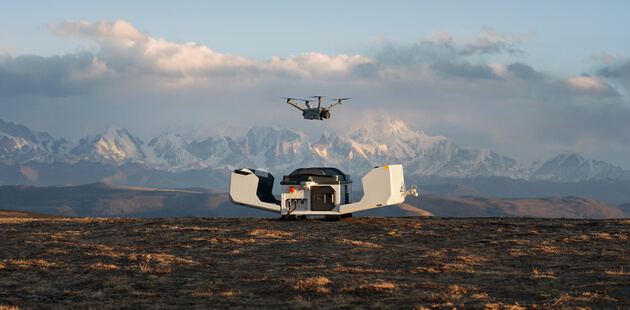
A docked drone system is not just a drone in a box. It is a remote operating station with power, connectivity, charging, weather exposure, physical security, maintenance access, remote supervision and operational authorisation considerations.
For Irish sites such as quarries, ports, industrial estates, utility sites, renewable energy assets or security routes, DJI Dock 3 can support repeatable monitoring. But it should only be considered after the business has a mature plan for maintenance, remote flight procedures, fault handling and compliance.
6. Software support: where drone data becomes business value
A drone flight is only the start. Surveyors may need DJI Terra processing. Managers may need repeatable site reports. Remote operations may need FlightHub 2 planning and oversight. Public safety teams may need clear evidence handling. Security teams may need consistent patrol routes and incident records.
Before purchasing, decide who will own the software workflow. Who creates missions? Who processes data? Who checks quality? Who stores outputs? Who gives clients access? Without these answers, even good flight data can become disorganised.
7. A simple 90-day rollout plan for Irish businesses
Setup and training
Confirm operator responsibilities, train pilots, set up aircraft, update firmware, create checklists and run non-critical test flights.
Pilot workflow
Run controlled jobs, validate data quality, refine report templates, record maintenance logs and identify battery or accessory gaps.
Scale safely
Expand to regular operations, review insurance and compliance, add spare parts, plan scheduled maintenance and define escalation support.
8. Common buying mistakes to avoid
- Buying the aircraft before defining the deliverable.
- Ignoring pilot training and relying only on product demonstrations.
- Underestimating the number of batteries and charging equipment needed.
- Assuming a thermal drone automatically produces a professional thermal report.
- Using a docked system before the manual workflow, compliance route and support process are mature.
- Not keeping maintenance, flight, battery and incident logs.
- Not planning how data will be processed, stored and delivered to clients.
FAQ: Enterprise drone maintenance, training and support in Ireland
What should an Irish business check before buying an enterprise drone?
Check the use case, operating category, pilot competency, insurance position, maintenance plan, battery workflow, payload requirements, software workflow and local support route. The drone model should follow the business requirement, not the other way around.
Is training as important as the aircraft?
Yes. A powerful enterprise drone can still produce poor results if the team does not understand mission planning, RTK, thermal limitations, LiDAR workflow, data handling, emergency procedures and maintenance discipline.
How often should enterprise drones be maintained?
The schedule depends on flight hours, mission type, operating environment and manufacturer guidance. A drone used weekly on construction, utility or coastal sites should have more disciplined checks than a lightly used demo aircraft.
When should a company consider DJI Dock 3?
Consider Dock 3 when the site needs repeatable remote monitoring and the business already has a mature plan for maintenance, connectivity, authorisation, remote supervision, cleaning and incident response.
What is the best first DJI Enterprise setup for a new business user?
For mapping and surveying, Matrice 4E with RTK workflow and DJI Terra is a practical starting point. For inspection or public safety support, Matrice 4T is a compact thermal option. For more demanding inspection, longer endurance or heavier payload work, Matrice 400 RTK is the stronger enterprise platform.
Need help choosing a DJI Enterprise setup in Ireland?
Irish Drone can help you match the aircraft, payload, training and support plan to your real project: surveying, inspection, public safety, security, construction, utilities, energy or automated monitoring.
Official references used: DJI Enterprise Maintenance Program, DJI Care Enterprise, DJI Matrice 400, DJI Matrice 4 Series, DJI Dock 3, DJI Terra, DJI FlightHub 2 and Irish Aviation Authority drone registration/training guidance.
This guide is informational only and is not legal advice. Always confirm the latest IAA, EASA and DJI documentation before operating enterprise drones in Ireland.


Leave a comment