
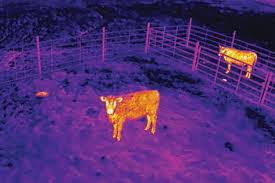
Thermal inspection is one of the clearest business cases for enterprise drones in Ireland. A good thermal workflow can help teams identify abnormal heat patterns, reduce risky manual access, prioritise maintenance, and create a documented record before sending engineers, roofers, electricians or emergency teams into the field. The key is choosing the right drone for the job and using the data carefully.
Quick answer: DJI Matrice 4T is best for Irish teams that need a compact, portable thermal inspection drone for solar farms, roofs, building heat loss, electrical assets, public safety, private security, industrial sites and night-time search support. For longer-range, higher-volume or more demanding thermal inspection, DJI Matrice 400 with Zenmuse H30T may be the stronger high-end option.
What makes Matrice 4T different from a normal camera drone?
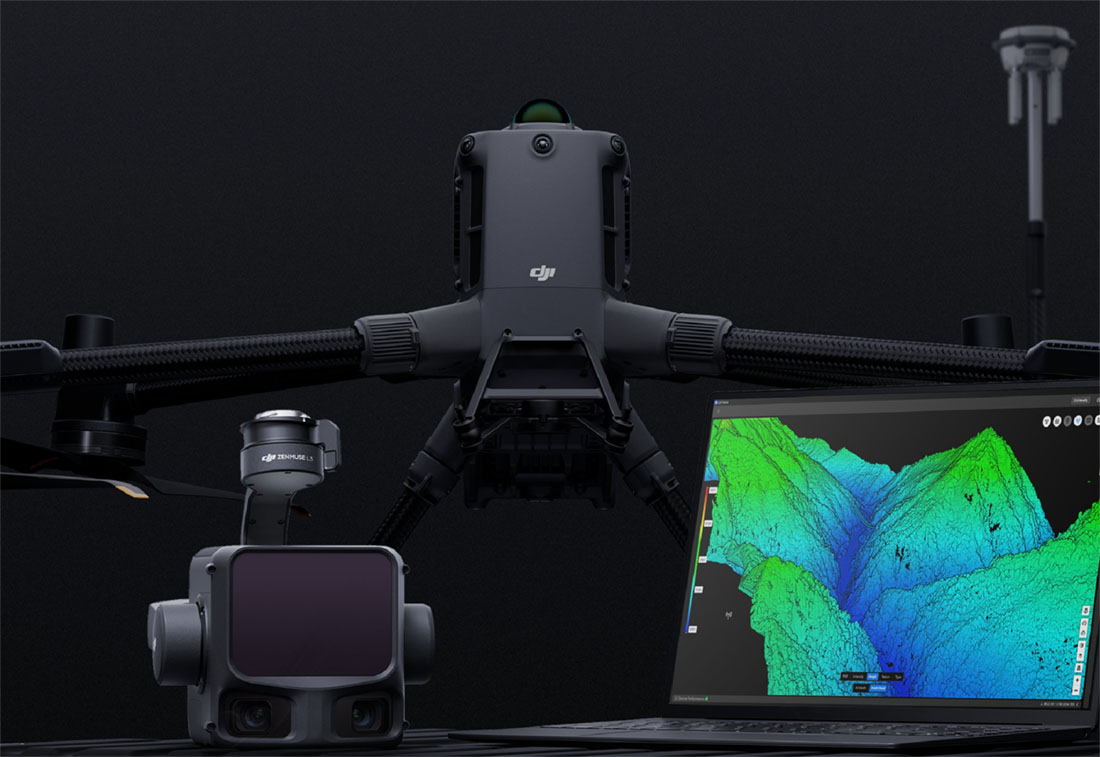
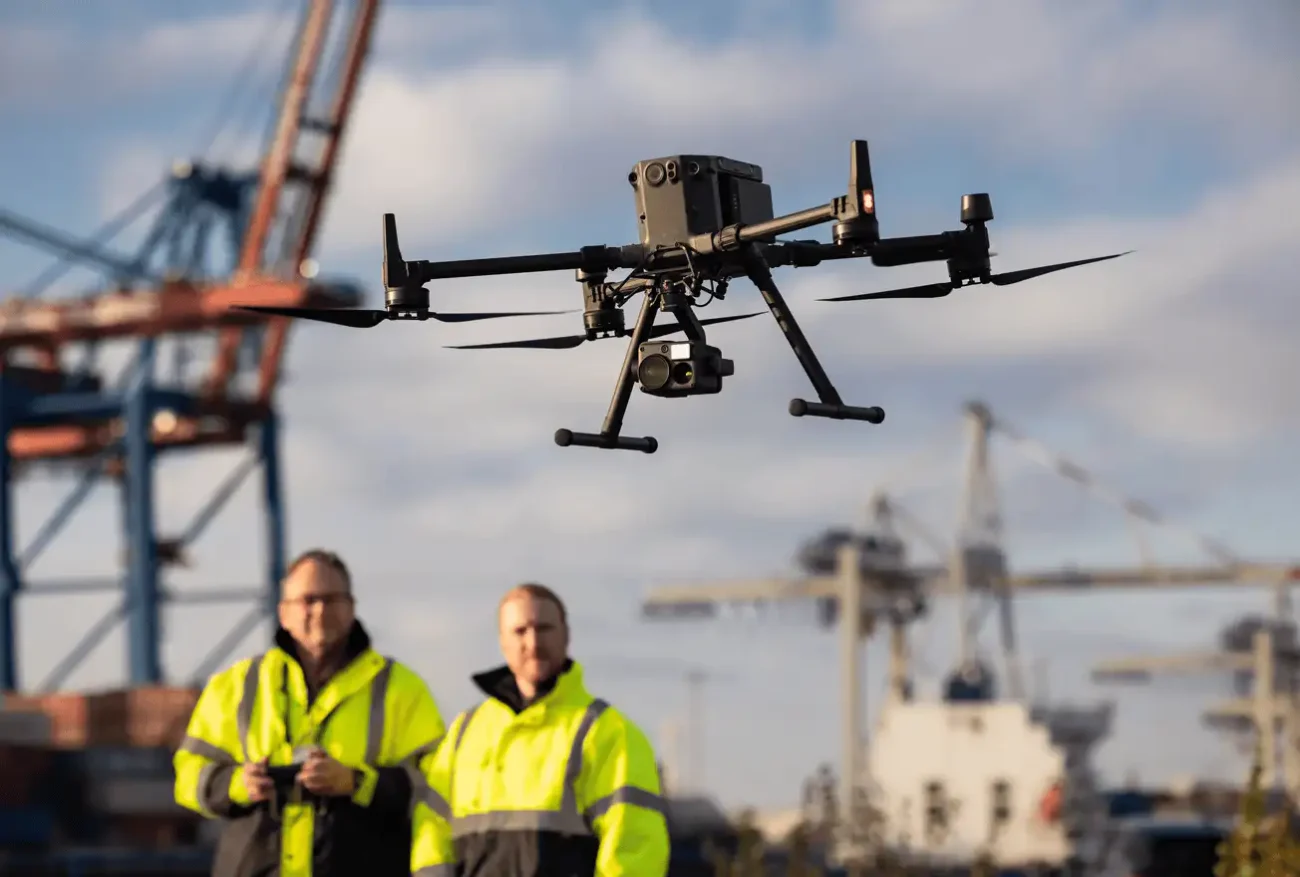
The Matrice 4T is not just a drone with a standard camera. DJI describes it as the thermal and night-capable model in the Matrice 4 Series. It combines multiple sensors in one compact aircraft: a 48 MP wide-angle camera, a 48 MP medium telephoto camera, a 48 MP telephoto camera, a thermal imaging camera, an NIR auxiliary light and a laser rangefinding module.
This matters because thermal inspection rarely works from thermal imagery alone. A practical report usually needs the thermal view, a normal RGB image, the asset location, the distance or position, and enough visual context for another person to understand the finding. Matrice 4T gives Irish teams a compact way to collect these layers of evidence in one field workflow.
Thermal + visual + range data
For Irish inspection teams, the real value of Matrice 4T is the combination of thermal information, visual inspection imagery and laser rangefinding. That makes it more useful than a single-purpose thermal camera when teams need to document a defect, anomaly or incident location.
Compact multi-sensor workflow
The Matrice 4T is most useful where a team needs to arrive on site, capture thermal and RGB evidence quickly, then report findings to engineers, facilities managers, security teams or incident leads without building a heavy payload system around every job.
Official DJI features that matter for inspection
| Feature | DJI official detail | Why it matters in Ireland |
|---|---|---|
| Thermal imaging camera | Supports High-Res Mode up to 1280 × 1024 pixels in DJI’s Matrice 4T release information. | Helps reveal smaller thermal details on solar panels, building surfaces, industrial assets and emergency scenes. |
| Wide-angle camera | 24 mm wide-angle lens, 1/1.3-inch CMOS, 48 MP, f/1.7, with IR-Cut Filter. | Provides visual context, site records and daylight or low-light reference imagery. |
| Medium telephoto camera | 3× optical 70 mm medium telephoto lens, 1/1.3-inch CMOS, 48 MP, f/2.8. | Useful for identifying screws, cracks and components from a practical stand-off distance. |
| Telephoto camera | 7× 168 mm telephoto camera, 1/1.5-inch CMOS, 48 MP, f/2.8. | Useful for longer-range asset checks where flying too close would increase risk. |
| NIR auxiliary light | DJI states that the NIR auxiliary light can illuminate distances up to 100 m. | Supports low-light operations such as security, search support and incident response. |
| Laser rangefinder | DJI states that the laser rangefinder can take measurements up to 1,800 m. | Helps document location, distance and context during inspection and emergency response. |
| European C2 certification | DJI FAQ states that the Matrice 4 Series is C2 certified by EASA. | Important for Irish buyers planning compliant operations under EU drone rules. |
Best use case 1: Solar farm thermal inspection
Solar farms are one of the strongest business cases for Matrice 4T in Ireland. Thermal inspection can help identify panels or strings that show abnormal heat patterns. These may indicate issues such as damaged cells, disconnected strings, shading problems, soiling, module defects or electrical faults. The drone does not replace an electrical engineer, but it can help the operator prioritise where to look first.
For smaller and medium solar sites, Matrice 4T is attractive because it is compact and quick to deploy. It can capture both visual imagery and thermal data so the maintenance team can compare a suspected hot spot with the physical panel layout. For larger utility-scale solar farms, the workflow becomes more important: standardised flight height, consistent irradiance conditions, image naming, reporting method and follow-up inspection process.
Irish workflow tip: schedule solar thermal inspections when the site has suitable irradiance and stable conditions. Avoid treating every warm panel as a confirmed failure. Thermal findings should be reviewed with site context, electrical data and maintenance history.
Best use case 2: Roof and building heat-loss surveys
For commercial buildings, warehouses, schools, apartment blocks and public facilities, thermal drone data can help identify areas where heat patterns are unusual. This may support roof investigation, insulation checks, water ingress investigation, heating system reviews or post-storm inspection. In Ireland’s damp climate, thermal imagery can be useful when it is captured under the right environmental conditions and interpreted with care.
Matrice 4T can also reduce the need for ladders, roof walks or scaffolding during early assessment. Instead of sending a person onto a roof simply to check whether an issue is worth investigating, a facilities team can collect a preliminary visual and thermal record from the air.
Best use case 3: Powerline and electrical asset checks
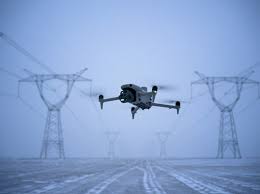
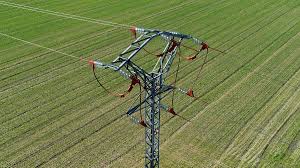
Utilities and electrical contractors can use Matrice 4T for selected thermal and visual inspection tasks. Typical targets include overhead components, transformers, substations, connectors, insulators and other assets where heat differences may indicate an issue. The zoom cameras help the pilot keep a safer distance from the asset while still collecting useful imagery.
For major utility inspection programmes, Matrice 400 with Zenmuse H30T may be a better high-end platform because of longer endurance and a more advanced dedicated payload. But for compact teams that need a portable thermal inspection solution, Matrice 4T can be a strong operational fit.
Best use case 4: Fire and emergency response support
Public safety teams and emergency response partners can use thermal drones to support situational awareness. Matrice 4T is not a replacement for incident command judgement, but it can help teams see heat signatures, monitor inaccessible areas, support search activity and understand site conditions from a safer position.

In Irish conditions, this may include coastal searches, upland searches, industrial incidents, rural missing-person support, large outdoor events and fireground perimeter monitoring. The aircraft’s thermal, low-light and visual sensors make it more suitable than a standard RGB drone for time-critical operations.
Best use case 5: Industrial site monitoring
Manufacturing sites, logistics yards, recycling facilities, ports, quarries and utilities depots can use Matrice 4T for routine monitoring. Thermal inspection may help identify overheating machinery, abnormal stockpile heat, equipment issues, unusual activity or safety hazards. The value is not only in the image itself; it is in building a repeatable site record that operations managers can review and act on.
Industrial teams should create checklists by asset type. A thermal inspection of a boiler room roof, a conveyor, a transformer yard and a storage area will not follow the same capture pattern. Consistency is what turns drone imagery into useful operational evidence.
Best use case 6: Security and night-time site awareness
Matrice 4T is well suited to large site awareness where teams need a quick view of yards, perimeters, access roads or remote areas. Thermal and low-light capabilities are useful for private security, event support, vacant property monitoring, farms, energy sites and construction sites. The NIR auxiliary light and low-light imaging features can help when a standard daylight drone would provide limited value.
Security teams should be careful with privacy, data handling and local permissions. Thermal capability does not remove GDPR or site-security responsibilities. A clear policy for recording, storing and deleting footage should be part of the operating procedure.
Best use case 7: Agriculture, livestock and forestry support
For agriculture and forestry, Matrice 4T can help with selected thermal and visual tasks such as checking livestock locations, supporting night searches, monitoring farm infrastructure, reviewing drainage or access routes, and identifying fire or heat risks in certain conditions. It is not the same as a multispectral crop-analysis drone, but it can be a practical tool for mixed rural operations.
For forestry mapping, vegetation structure or terrain modelling, Matrice 4T is not the primary answer. A mapping or LiDAR workflow is more suitable. But for thermal awareness, search support and rural asset monitoring, Matrice 4T can still be useful.
Matrice 4T vs Matrice 4E: which one should Irish buyers choose?
| Question | Choose Matrice 4T | Choose Matrice 4E |
|---|---|---|
| Main deliverable | Thermal evidence, visual inspection, night awareness, incident support. | Mapping, surveying, orthomosaics, 3D models and site progress records. |
| Best business users | Facilities teams, security teams, public safety, solar maintenance, industrial sites and utilities contractors. | Surveyors, construction firms, engineers, quarry operators and environmental mapping teams. |
| Core sensor strength | Thermal imaging plus visual zoom and rangefinding. | 4/3-inch 20 MP wide-angle camera with mechanical shutter for mapping-focused workflows. |
| Not ideal for | Survey-grade mapping where precision RGB photogrammetry is the main requirement. | Thermal inspection, night search and temperature-based fault detection. |
Matrice 4T vs Matrice 400 + Zenmuse H30T
Matrice 4T is the compact thermal choice. Matrice 400 with Zenmuse H30T is the more advanced high-end inspection route. Irish buyers should not treat them as identical products. Matrice 4T is easier to deploy and cost-efficient for many routine jobs. Matrice 400 with H30T is better suited to long-duration, high-value infrastructure and demanding industrial inspection programmes.
- Choose Matrice 4T for compact team deployment, mixed inspection, facilities work, routine thermal checks and fast response.
- Choose Matrice 400 + H30T for utilities, large industrial sites, long-range zoom inspection, more demanding thermal work and specialist teams.
How to run a professional thermal inspection workflow
Define the inspection question
Are you looking for overheated panels, roof heat loss, electrical anomalies, missing persons, fire hot spots or equipment issues? Each use case needs a different capture plan.
Check conditions before flying
Thermal readings can be affected by weather, wind, reflections, moisture, angle, distance and time of day. Irish conditions can change quickly, so record the context.
Capture thermal and RGB together
A thermal image without visual context can be difficult to interpret. Pair thermal frames with normal images, asset references and site notes.
Use consistent routes and settings
Repeatability matters. For solar, roofs or industrial assets, use standardised heights, camera angles, naming rules and reporting templates.
Review findings carefully
Classify findings as suspected anomalies, not automatic failures. Confirm with engineering, electrical, roofing or public safety specialists where required.
Create a report that teams can act on
Include visual image, thermal image, location, asset ID, severity, recommendation and follow-up action. The value is in decision support, not just the drone flight.
Compliance and operating notes for Ireland
Irish businesses should plan Matrice 4T operations around IAA and EASA requirements. The IAA states that operators using drones over 250 g or drones with a camera must register. Companies should also ensure that staff have suitable remote pilot competency for the operation type and that flights are planned with airspace, people, property, site permission, insurance and data protection in mind.
DJI also states that the Matrice 4 Series is not waterproof. For Irish operators, that is important. A thermal inspection may be urgent, but flights should still be planned around safe weather windows. If rain begins during a flight, the aircraft should return and land as soon as possible.
Important limitation: thermal data is not a final diagnosis by itself. It is evidence that supports better inspection decisions. For solar, electrical, roof, structural or emergency work, the final judgement should come from the relevant qualified person or incident commander.
Who should buy DJI Matrice 4T in Ireland?
Building and roof teams
For roof checks, building heat-loss reviews, hard-to-access areas and early-stage maintenance planning.
Solar farm operators
For compact visual and thermal inspections where suspected hot spots need to be documented quickly.
Electrical contractors
For selected thermal and zoom checks on electrical components, sites and overhead assets.
Emergency teams
For search support, incident monitoring, low-light awareness and safer situational assessment.
Large-site monitoring
For yards, perimeters, vacant properties, farms, energy sites and event support.
Operational inspection
For manufacturing, logistics, ports, depots, waste facilities and industrial safety checks.
Final verdict
DJI Matrice 4T is one of the most practical compact enterprise thermal drones for Irish inspection work in 2026. It is not the largest or most specialist thermal platform in the DJI Enterprise range, but it offers an excellent balance of portability, sensor capability and real-world usefulness. For many Irish businesses, that balance is exactly what matters.
If your work is mainly mapping and surveying, choose Matrice 4E. If your work is mainly routine thermal inspection, site monitoring, emergency response support or visual/thermal asset checks, Matrice 4T is the better fit. If your organisation needs long-range, high-volume or mission-critical inspection at scale, consider Matrice 400 with Zenmuse H30T as the next step up.
Need help choosing a thermal drone setup?
IrishDrone.ie can help Irish businesses compare Matrice 4T, Matrice 4E, Matrice 400, Zenmuse H30T, DJI Terra, FlightHub 2 and related accessories based on your actual inspection workflow. The right answer depends on your asset type, operating environment, compliance requirements and reporting needs.
Leave a comment