
SEARCH & RESPONSE · WORKFLOW GUIDE
Use a controlled exercise to assess equipment handling, image review, field logistics and the information handover before extending a response workflow.
Evidence reviewed 3 November 2026 · Ireland
The practical answer
Define the task and acceptance criteria before the demonstration. Exercise the actual supplied aircraft, accessories, people and reporting process, then record what worked and what needs improvement. Use equipment training as one part of the organisation’s competence programme, with operational authority and mission qualification established separately.
Choose one useful question to test
A readiness exercise is most useful when it answers a purchasing or training decision. Can the team prepare the supplied configuration consistently? Can it produce the requested observation record? Can another member understand the handover? Select a manageable question and describe the evidence you will accept.
Give the exercise an owner, a suitable setting and a clear distinction from a real incident. The organisation should agree the operating arrangements, participants and conditions in advance. A successful exercise can establish that a particular task worked in those circumstances. Further tasks and conditions should be evaluated on their own terms rather than inferred from a single demonstration.
Separate measured tasks from the team scenario
NIST describes repeatable tests for system capability and pilot proficiency, with organisations setting their own acceptable thresholds. [1] A measured task can help compare like with like. A broader scenario can then examine whether the resulting information reaches the right person in a useful form.
Decide which part you are assessing. Aircraft handling, camera use, interpretation and reporting can fail for different reasons. Record them separately so a weaker result leads to a relevant improvement. Keep the test description and conditions with the results. That makes the next exercise a meaningful comparison rather than a different demonstration given the same name.
Give each participant a clear responsibility
Agree who operates, who observes the exercise, who records the evidence and who receives the output. Use the organisation’s actual operating roles and avoid giving one person so many exercise tasks that the assessment loses its meaning. Allow the reviewer to ask questions about the handover.
NIST’s published scoring materials distinguish pilot, observer and recording roles. [2] Treat that as an example of a structured test record, not a prescribed staffing arrangement for an Irish incident. For your exercise, make responsibilities explicit and record who assessed each element. The aim is to understand how the team works with the supplied equipment.
Exercise the complete field arrangement
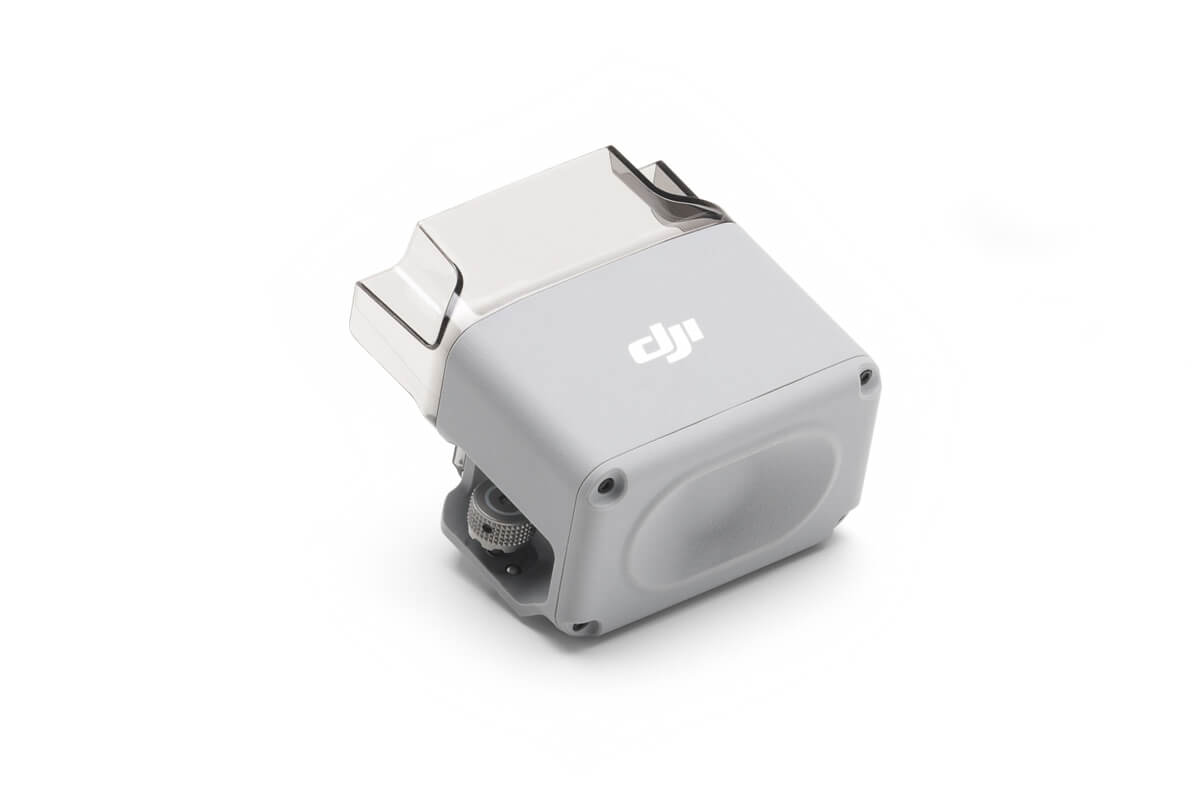
Prepare the exact package list and identify its flight batteries, controller batteries, charging equipment and accessories. All six PS configurations supply five total flight batteries. Matrice 4T and Matrice 4TD packages have their respective matched battery and charging arrangements.
PS-04, PS-05 and PS-06 include Power 2000. Test the planned field charging through compatible supplied equipment, alongside packing, access and session organisation. Record interruptions and practical handling issues as part of the result. Review the AL1 and AS1 instructions with the actual configuration; the selection guide identifies an important sensing precaution. A realistic rehearsal includes the working arrangement, not only the aircraft in flight.
Assess the delivered information
Ask the receiving member to review the observation or dataset using the intended working method. They should be able to identify its time, location, source files and unresolved questions. Give them the same context a future recipient would reasonably have, rather than explaining every point informally during the test.
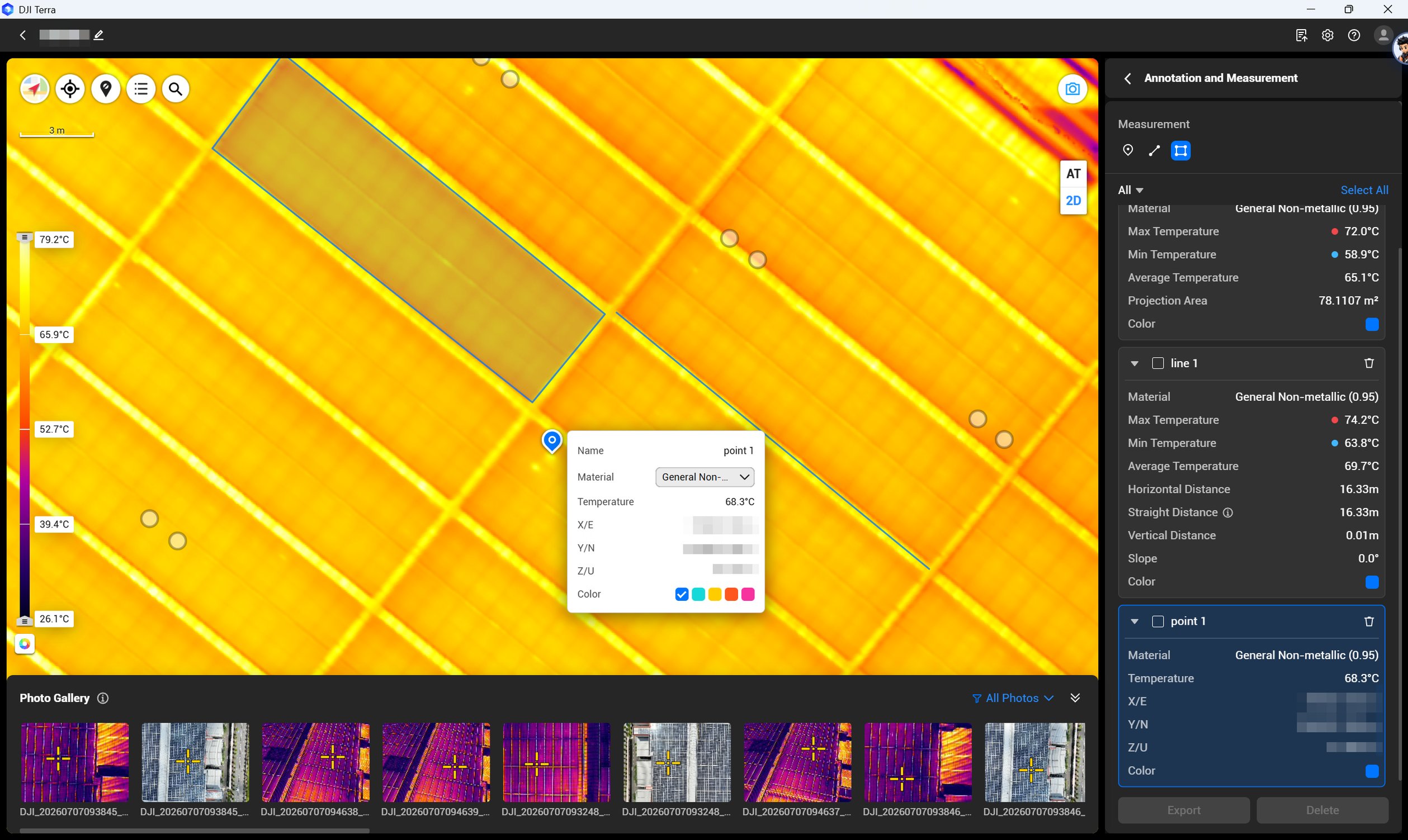
For the search configurations, use the observation-handover brief. PS-01/02/05/06 exclude processing software, so arrange any required processing separately. For PS-03/04, test the proposed Terra Flagship workflow against a sample output and agreed review. Record the software and file versions used. This helps distinguish an equipment question from a processing or communication problem.
Include coordination and a change of plan
Discuss how the team receives a changed task, pauses work or hands over to another member. In a controlled exercise, the coordinator can introduce an agreed change and assess whether the information reaches everyone who needs it. Keep the exercise proportionate and within the approved arrangements.
The UK CAA has documented disruption caused by drones near emergency helicopters. [3] For an Irish team, use the applicable Irish requirements and organisational procedures when planning coordination with other aircraft and responders. The training question is whether people understand those arrangements before deployment. A product feature or a successful camera test cannot establish that coordination on its own.
Turn the review into a focused training plan
After the exercise, record the task, conditions, configuration, observations and agreed actions. Identify which issues need equipment familiarisation, a clearer reporting format or further organisational training. Assign a person and review date to each practical action, then repeat the relevant part of the exercise.
The search packages provide four hours of application training for up to three people and six months of introductory email support. PS-03/04 provide eight hours for up to four people, twelve months of support and three dataset-quality reviews, subject to agreement. Use this introduction within the wider training plan. NIST itself develops test methods rather than certifying operators. [1] Describe the actual training and assessment completed accurately.
Questions about readiness and acceptance
Does a good exercise result guarantee mission success? It records performance in the tested circumstances; retain its scope and conditions. Who sets acceptance? The responsible organisation should agree the criteria and competent reviewers for the proposed task.
Which package should we trial? Choose the aircraft and processing route through the six-package selection guide, then assess the complete configuration. What makes a useful enquiry? A task, the team roles, a required output and a proposed review process. Discuss equipment introduction and training around that exercise brief.
See the software workflow
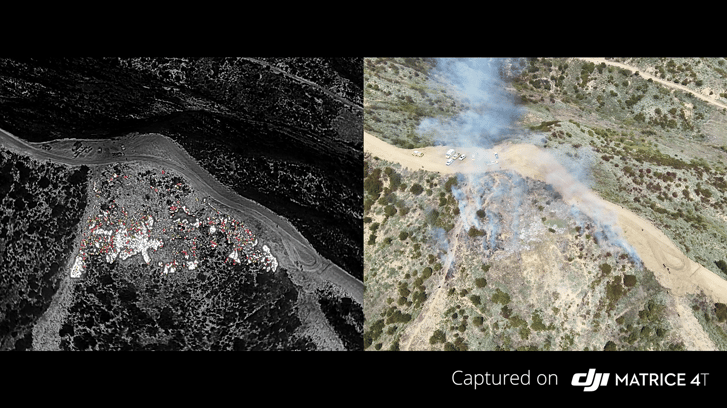
The software image is a manufacturer workflow reference. Check the written licence edition and the supported aircraft, file type and project method before choosing a processing route.
Explore the equipment packages on Irish Drone
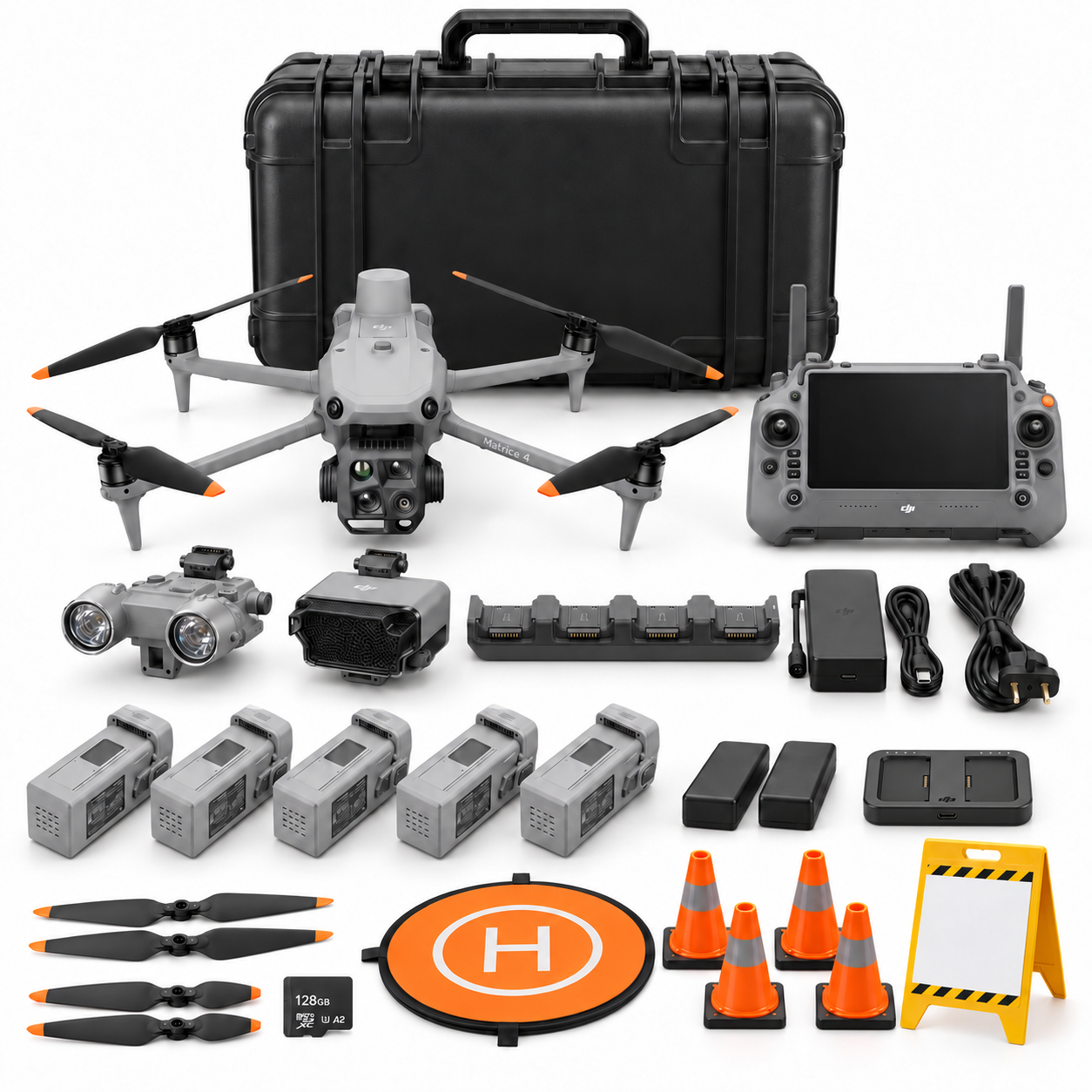

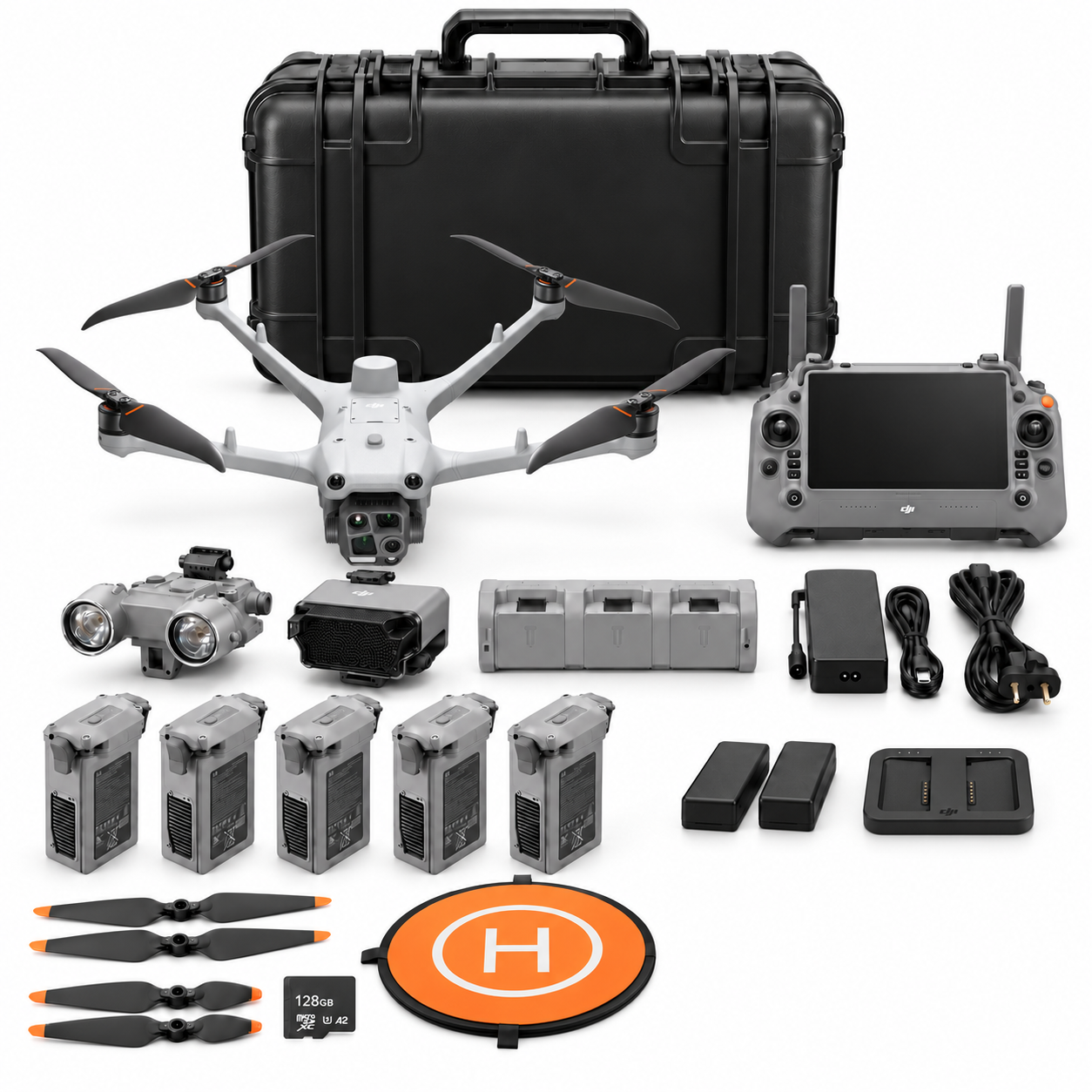
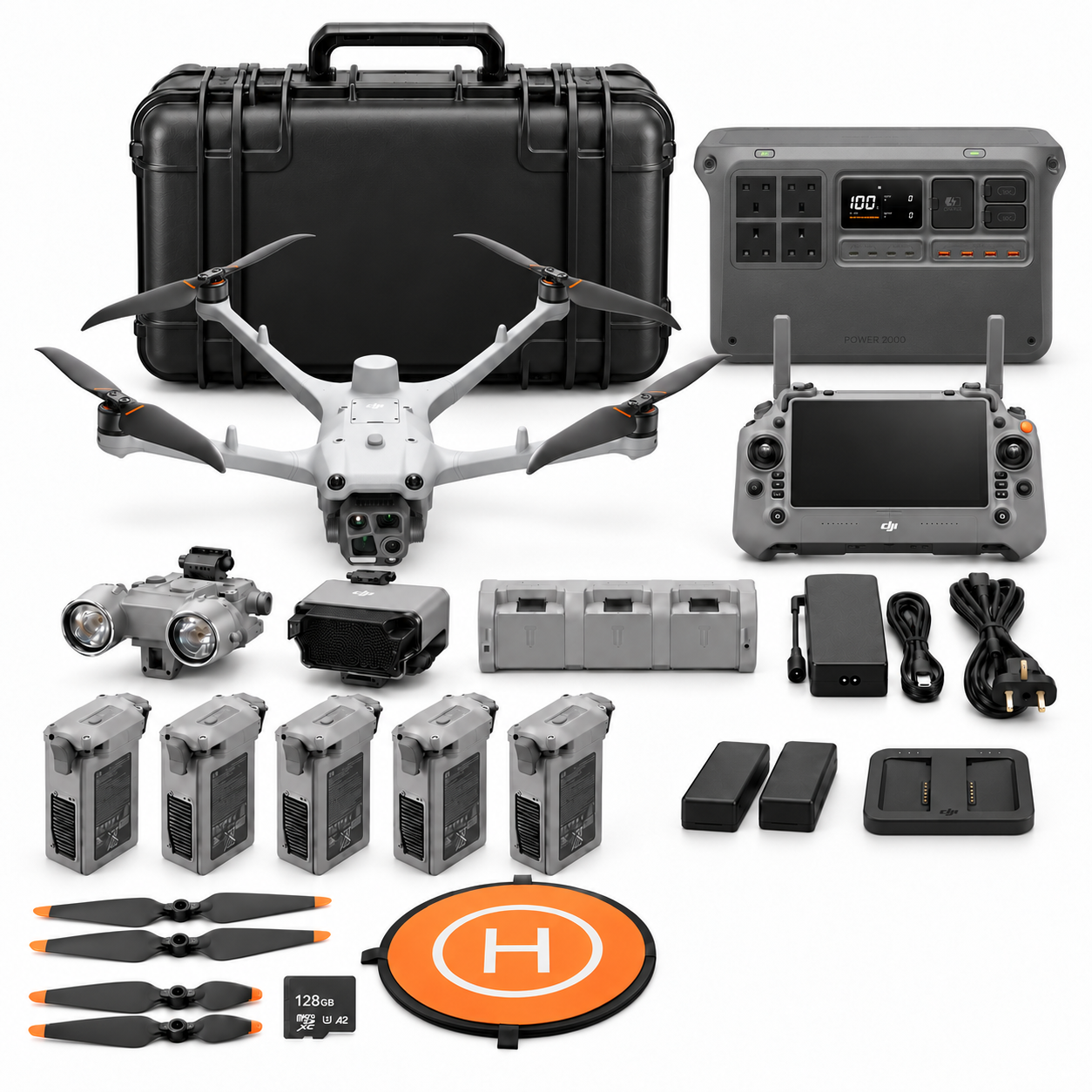
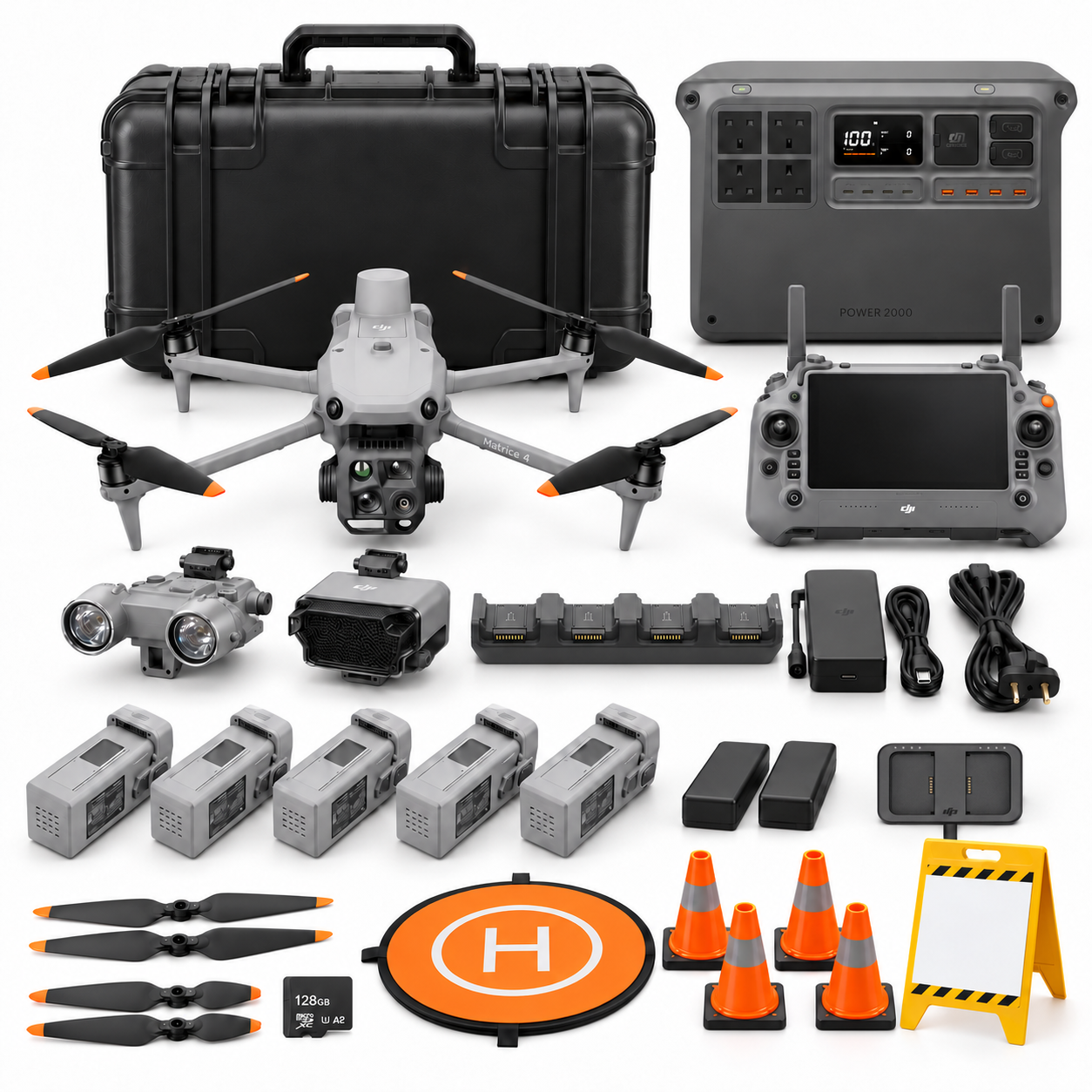
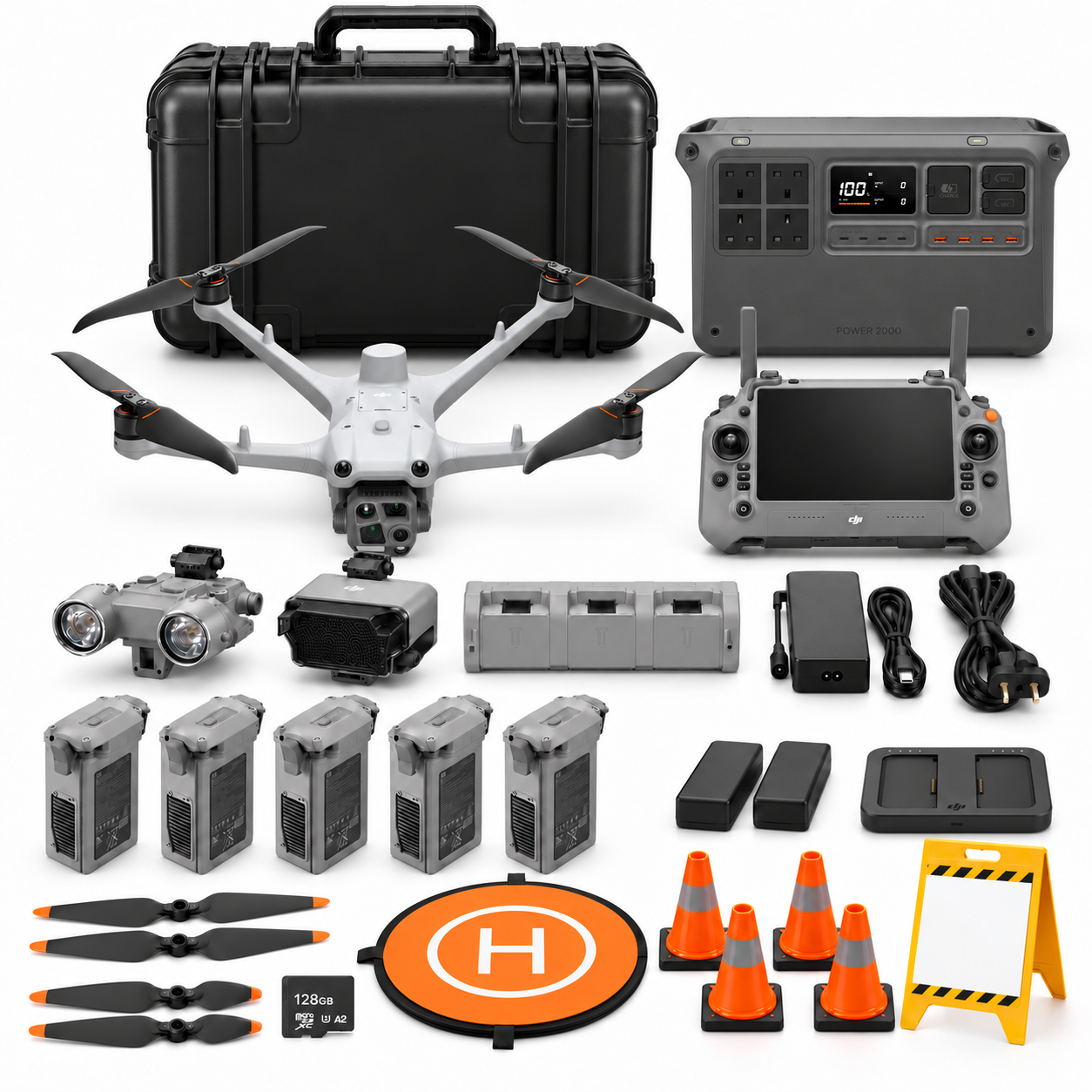
Package illustrations show the listed configurations. Battery quantities are whole-package totals.
Official manuals and setup guidance


Continue with the guide for your work
Documentation and evidence
Sources for the cited guidance
- Drone evaluation methodsRead source ↗
Reviewed 3 November 2026.
- Scored training record exampleRead source ↗
Reviewed 3 November 2026.
- Emergency helicopter safety contextRead source ↗
Reviewed 3 November 2026.


Pingback: Turning Thermal Search Observations into a Clear Handover | Irish Drone
Pingback: Preparing Fireground Drone Records for Review | Irish Drone
Pingback: Choosing Drones for Search and Response Teams in Ireland | Irish Drone