
SEARCH & RESPONSE · WORKFLOW GUIDE
Define a fire-service imaging record with dated observations, clear uncertainty and a tested capture-to-processing workflow for the intended reviewer.
Evidence reviewed 3 November 2026 · Ireland
The practical answer
Start with the record required by the responsible fire-service team. PS-03/04 supply standalone Matrice 4TD, five total flight batteries and the specified annual Terra Flagship licence. Agree and test the actual capture, processing and review steps. Keep observations separate from judgments about hazards, structural safety or whether a fire is extinguished.
Agree the decision the record supports
A fire-service team considering drone equipment should first identify its information requirement. A dated overview, a set of observations for professional follow-up and a later review of an exercise are different deliverables. Give each one a recipient and an acceptance process.
Keep the request specific: which area is relevant, what information is sought and when the record needs to be useful. The responsible team determines whether and how a drone operation fits the incident. This article addresses the equipment and evidence workflow for trained organisations. It does not provide fireground entry, suppression or structural-assessment instructions. Those decisions require the appropriate people and their operating procedures.
Preserve the observation and its context
Plan a record that distinguishes original images, contextual notes and subsequent interpretation. Include the task reference, capture time, location context, file references and author. If an observation leads to further assessment, record the connection without changing what the original image showed.
Ask the recipient how they will use each item. An overview may help them orient themselves while a closer image answers a narrower question. Keep the source files and identify which extracts were shared. A clear relationship between the two helps a later reviewer investigate an ambiguous observation, follow a change in status or understand why another assessment was requested.
Keep thermal interpretation within its evidence
University of Maryland fire-camera research examined limitations of spot-temperature readings, including the effect of smoke on measurements. [1] Its equipment and experiments were distinct from the DJI packages. The relevant purchasing question is how your team will assess the meaning and uncertainty of its own observations.
Agree who is competent to interpret the requested record and what other information they need. A colour or highlighted feature should be described with its context, rather than becoming an automatic declaration of a hidden fault or a safe structure. Include unresolved observations in the report so the responsible professional can decide the appropriate follow-up.
Assess automated cues in the actual context
The WIT-UAS research found that fire environments challenged thermal object-detection models and could produce false detections. [2] This is research with specific sensors and models, not a test of Matrice 4TD. It supports asking clear questions about any proposed automated interpretation.
Keep a person’s review and the organisation’s confirmation process explicit. During a controlled trial, examine ambiguous features and occasions when a proposed cue adds little useful information. Ask whether the system helps the recipient understand the record or simply adds another indication requiring investigation. The equipment brief should define the evidence being supplied and how the team will treat uncertainty.
Test the capture-to-processing route
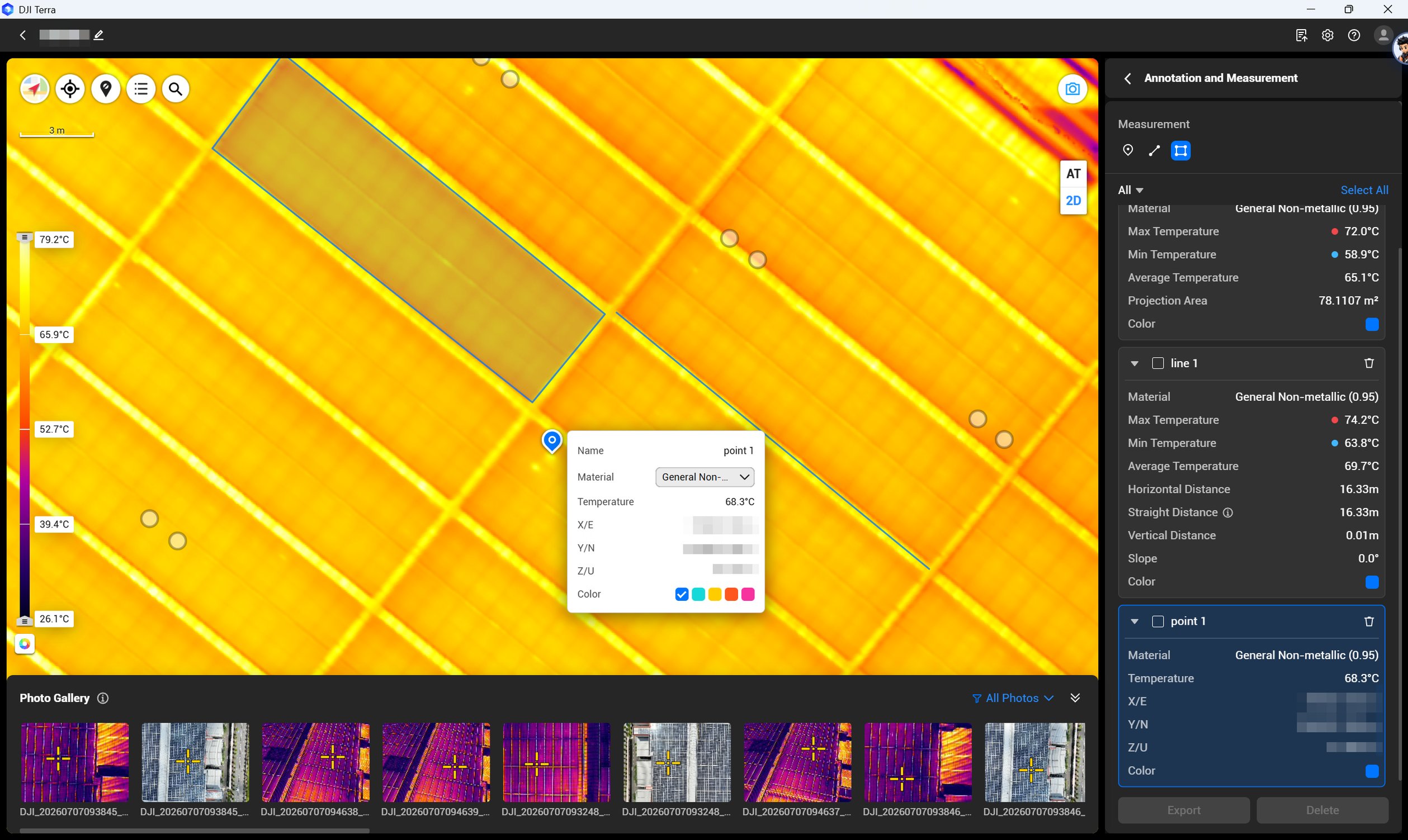
PS-03 and PS-04 include a twelve-month DJI Terra Flagship licence. Specify the proposed capture mode, files, current software version and required output before purchase. Supply a representative sample to establish the processing route and agree how its result will be assessed. A licence name alone is not a tested workflow.
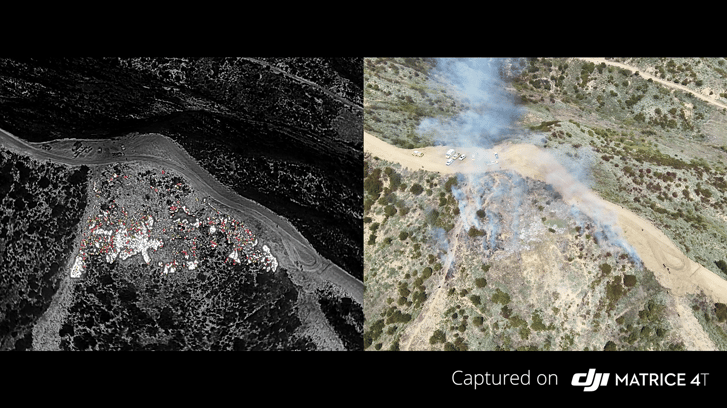
Separate the review dataset from any requirement for live incident sharing or command coordination. Confirm those services and their responsibilities independently. The credited US example uses Matrice 4T, a different aircraft. [3] It is not a demonstration of PS-03/04 or Terra.
Choose the field configuration and support
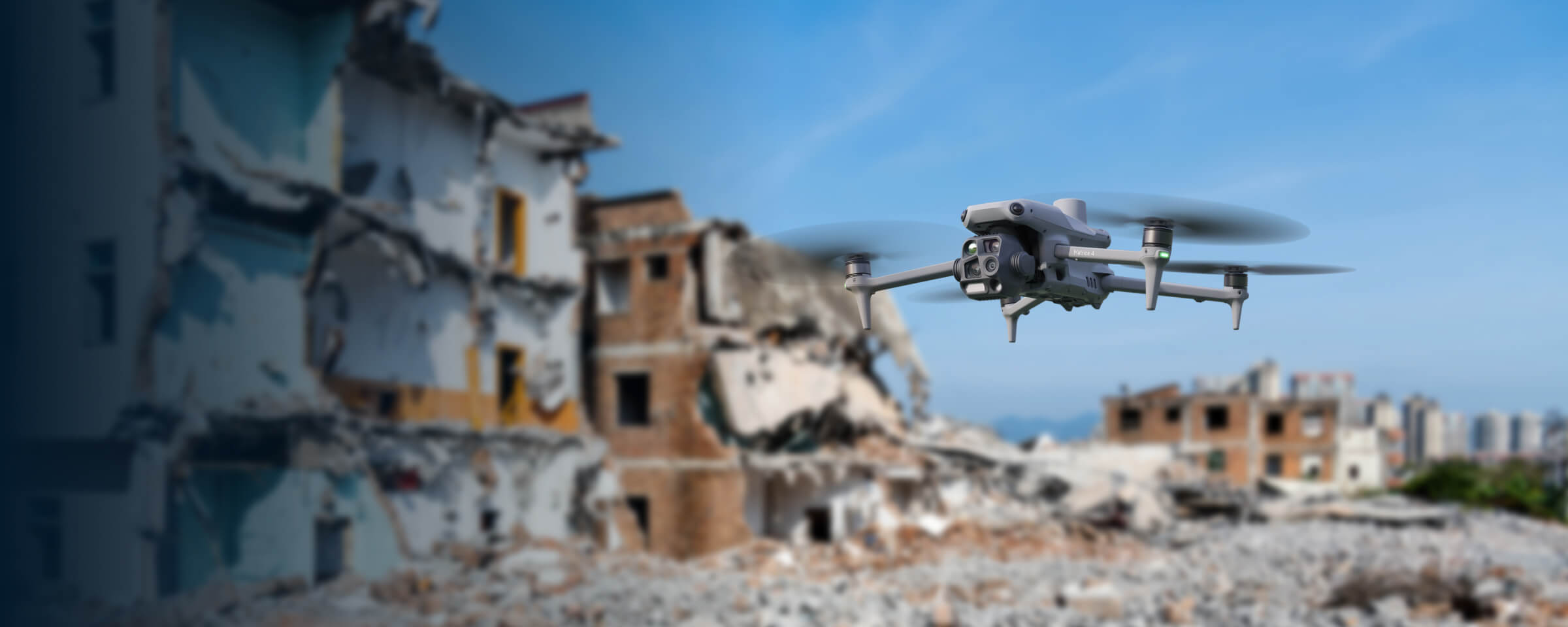
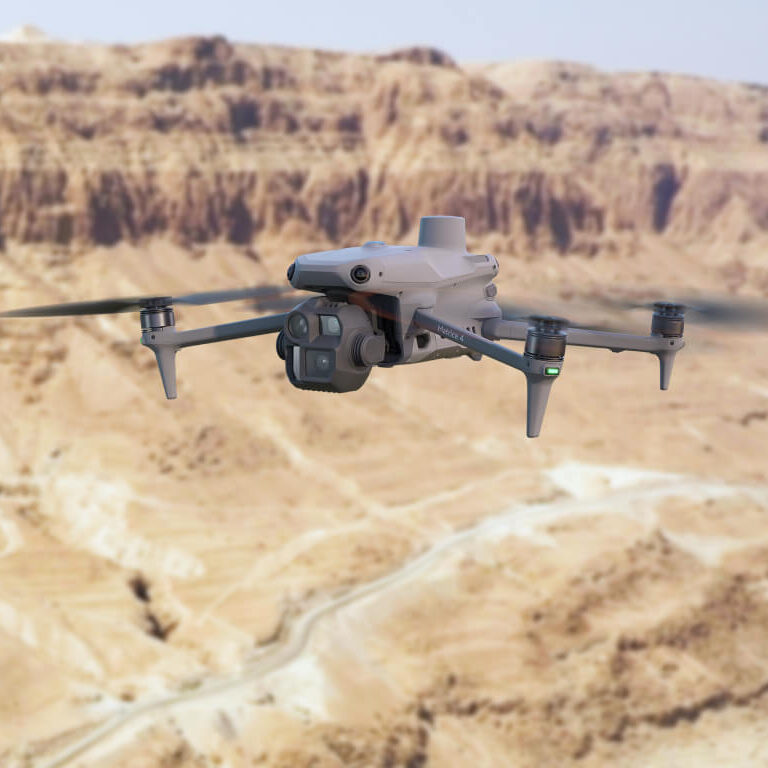
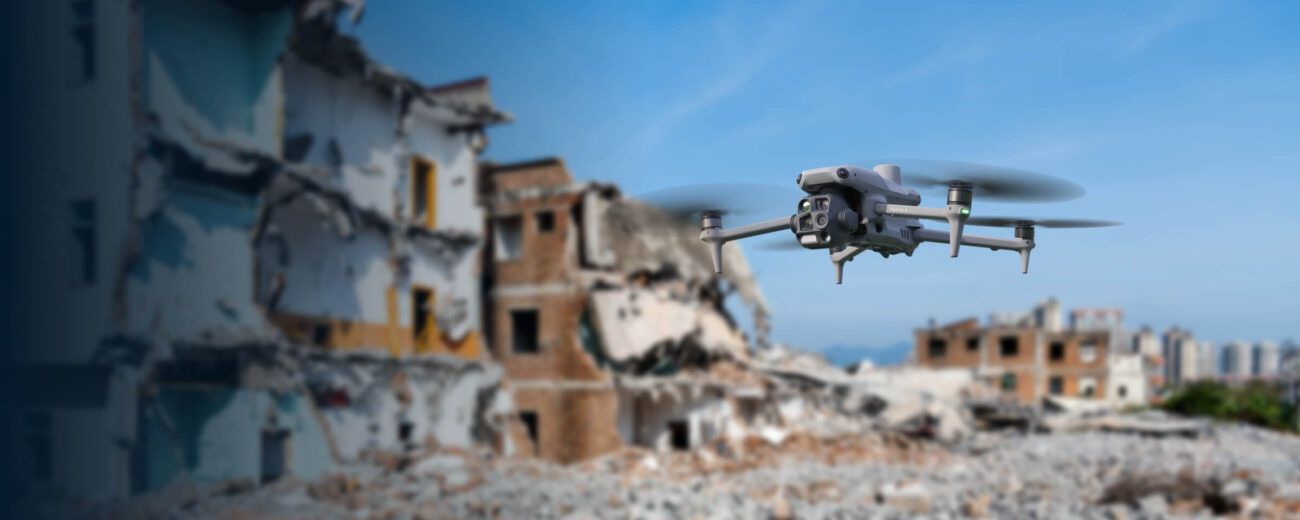
PS-03 supplies standalone Matrice 4TD, five total flight batteries, matched 240W charging equipment, AL1 SpotLight, AS1 Speaker and the listed controller batteries. PS-04 adds one DJI Power 2000. Neither package includes a Dock.
Both provide eight hours of application training for up to four people, twelve months of introductory email support and three dataset-quality reviews, subject to agreement. Use those discussions to define capture and processing questions. Dataset review supports the agreed imaging workflow; the fire service retains responsibility for interpreting hazards and accepting any operational conclusion. Review accessory precautions with the actual aircraft configuration.

Run a hypothetical record-and-review exercise
A team could select an approved training setting and define a small documentation task. One member prepares the requested record; another receives it without relying on the capture team’s verbal explanation. The reviewer checks whether timing, location, source references and unresolved questions are understandable.
Compare the delivery with the exercise brief and known reference information. Note useful observations, ambiguous areas, missing context and practical processing effort. Agree changes and repeat the task where needed. This tests a complete evidence pathway without using a successful demonstration as a promise about future incidents. The team readiness guide develops that acceptance process, while the selection guide compares all six configurations.
Keep the agreed review criteria with the sample delivery so that any later revision can be assessed against the same brief.
Questions about fireground records
Can an image confirm that a structure is safe? Structural and hazard decisions require the appropriate professional assessment. Does the package include live incident-command software? Confirm any such requirement separately from the supplied Terra licence.
Is the wildfire picture from Matrice 4TD? The credited example is Matrice 4T; it is a related case, not a test of PS-03/04. What should we bring to a demonstration? A sample required record, a reviewer and the intended file workflow. Discuss the equipment and training scope around that brief.
See the software workflow
The software image is a manufacturer workflow reference. Check the written licence edition and the supported aircraft, file type and project method before choosing a processing route.
Explore the equipment packages on Irish Drone
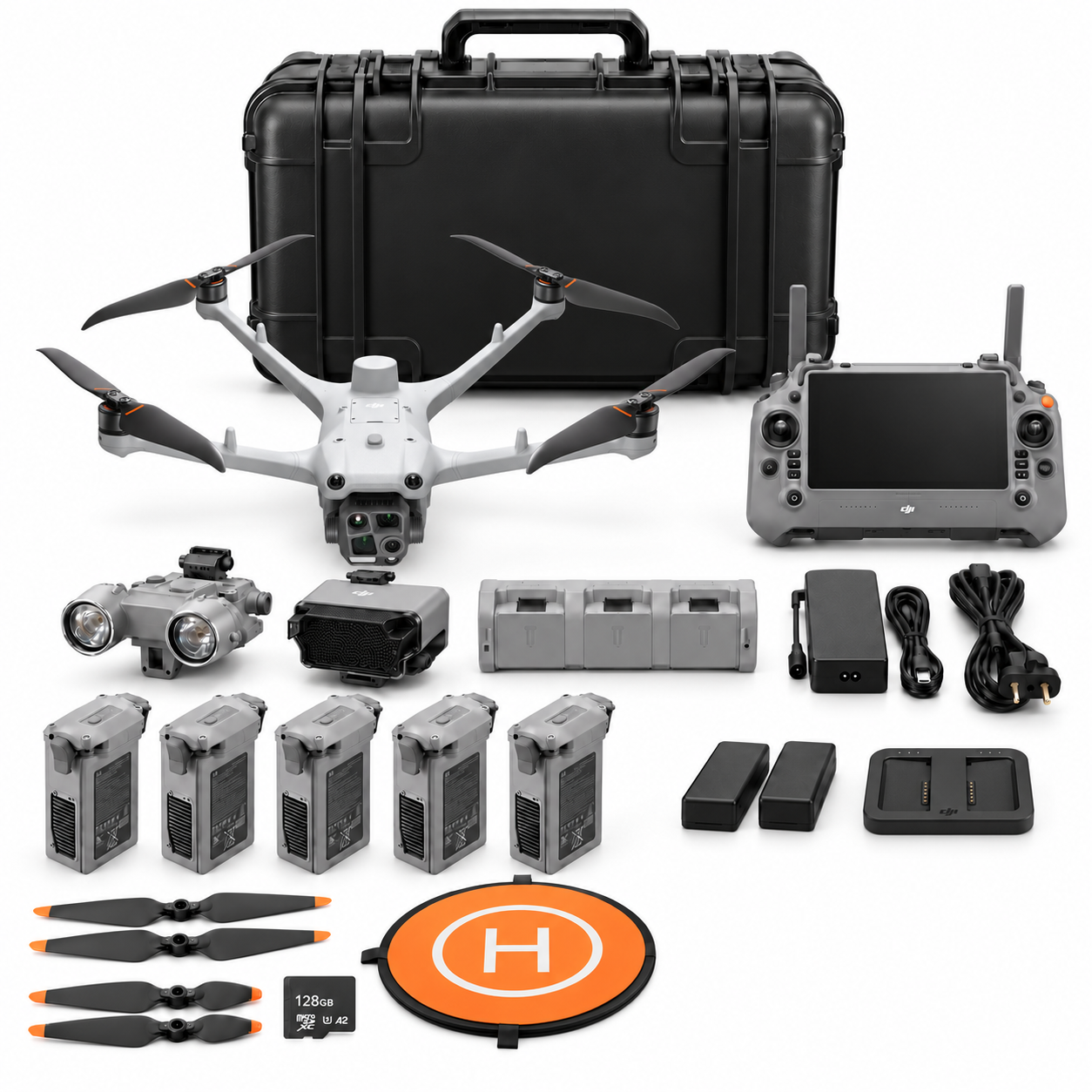
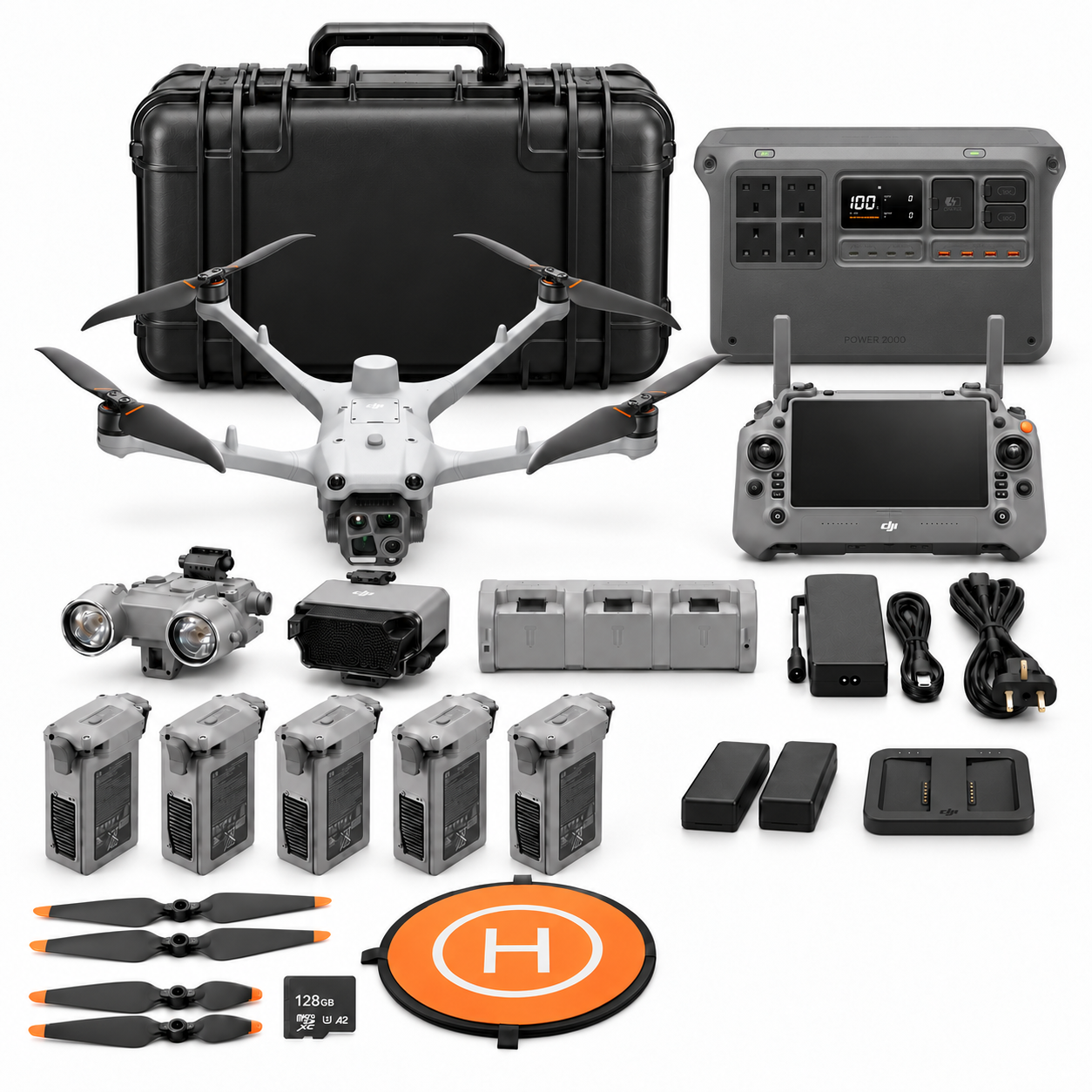
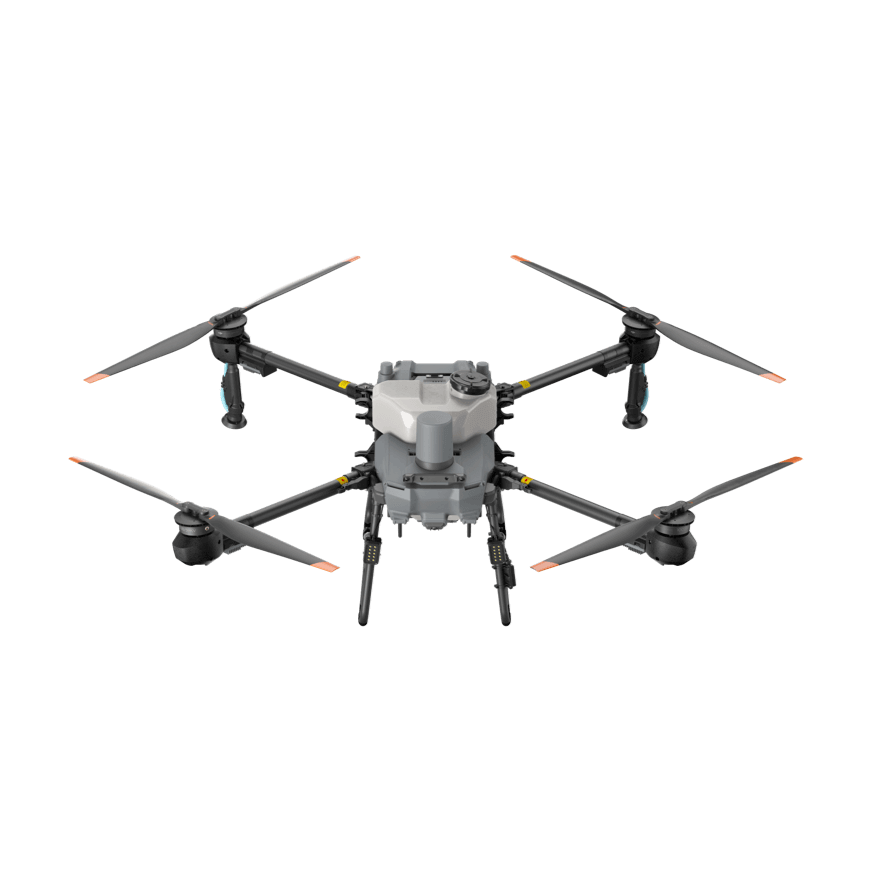
Package illustrations show the listed configurations. Battery quantities are whole-package totals.
Official manuals and setup guidance
Continue with the guide for your work
Documentation and evidence
Sources for the cited guidance
- Fire thermal measurement researchRead source ↗
Reviewed 3 November 2026.
- Wildland thermal detection studyRead source ↗
Reviewed 3 November 2026.
- Ventura County thermal imageryRead source ↗
Reviewed 3 November 2026.


Pingback: Choosing Drones for Search and Response Teams in Ireland | Irish Drone
Pingback: Turning Thermal Search Observations into a Clear Handover | Irish Drone