
SEARCH & RESPONSE · WORKFLOW GUIDE
Plan how a response team records, reviews and reports a possible thermal observation, including uncertainty and the source evidence for follow-up.
Evidence reviewed 3 November 2026 · Ireland
The practical answer
A thermal observation becomes useful when its recipient understands what was seen, where and when it was recorded, and what remains unverified. Agree a short reporting format during training, retain source imagery and keep the search manager’s tasking and confirmation process central. Test the handover with the actual team.
Define the observation before starting
For a trained response team, the immediate output may be a clearly reported observation rather than a completed map. Write a brief that identifies the assigned area, information requested and person who will receive the report. Agree the organisation’s terminology for a possible observation and a verified finding.
This article concerns that information workflow, not how to conduct a rescue. The search manager remains responsible for tasking and follow-up within the organisation’s procedures. A good equipment exercise connects the camera operator’s observation to a recipient who can understand it and decide the next appropriate step. That connection should be practised before the equipment is relied on operationally.
Keep the viewing conditions with the record
A coastal pilot study by Burke and colleagues examined how contrast and apparent target size affect thermal detection. [1] It used a particular research setup; its results are not a detection specification for Matrice 4T or Matrice 4TD.
For the proposed workflow, agree which contextual notes will help the reviewer understand the image. Keep the capture time, relevant scene conditions and any obscured areas alongside the observation. A clear image of one place does not establish complete coverage elsewhere. Ask the team to distinguish what was visible from what could not be assessed, so the recipient can interpret both the observation and its limits.
Agree a short observation record
Prepare a format that the receiving team can read under its normal working conditions. Useful fields include the task reference, observation time, location reference, a brief description, linked source files and current verification status. Confirm the location format with the recipient rather than assuming everyone uses the same convention.
Use plain descriptions that separate an observed feature from an interpretation. Record who made the observation and whether it has been checked through the agreed process. If the report is updated, retain a trace of the change. The goal is a short, usable handover that supports the next decision without making the reader search through an unlabelled collection of screenshots.
Plan how possible observations are checked
Agree how the recipient receives a query and how the confirmation status returns to the drone team. A finding that remains uncertain should stay visibly uncertain. This helps the team avoid repeating work or treating an unresolved camera observation as a confirmed result.
The same coastal research identifies the need for trained human review and attention to missed and false detections. [1] In an exercise, include ambiguous observations and occasions when the image does not support identification. Review how the team describes these cases. The lesson is about the quality of the evidence and communication, rather than finding a persuasive label for every image.
Connect the handover to the search organisation
Civil Defence’s service description places its search resources within support for Garda and Coast Guard activity. [2] An organisation introducing drones should likewise define its own authorised tasking and communication arrangements. An equipment package supplies tools and introductory training; the operational relationship needs to be established separately.
Discuss who receives the first observation, who maintains the log and who records the outcome of follow-up. Agree how the drone task pauses or changes when the search manager revises the request. Where other aircraft or teams are involved, use the applicable coordination process. These responsibilities belong in the operating plan rather than being improvised from a product feature list.
Rehearse with the complete supplied configuration
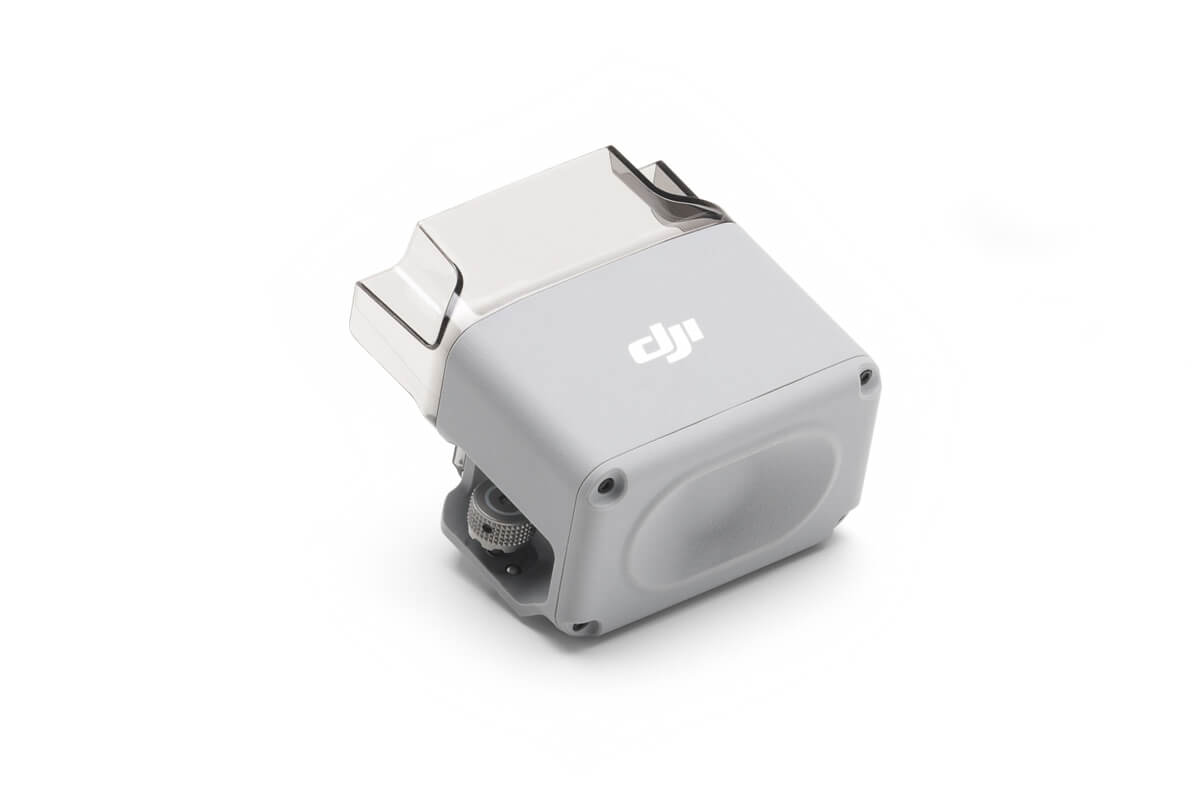
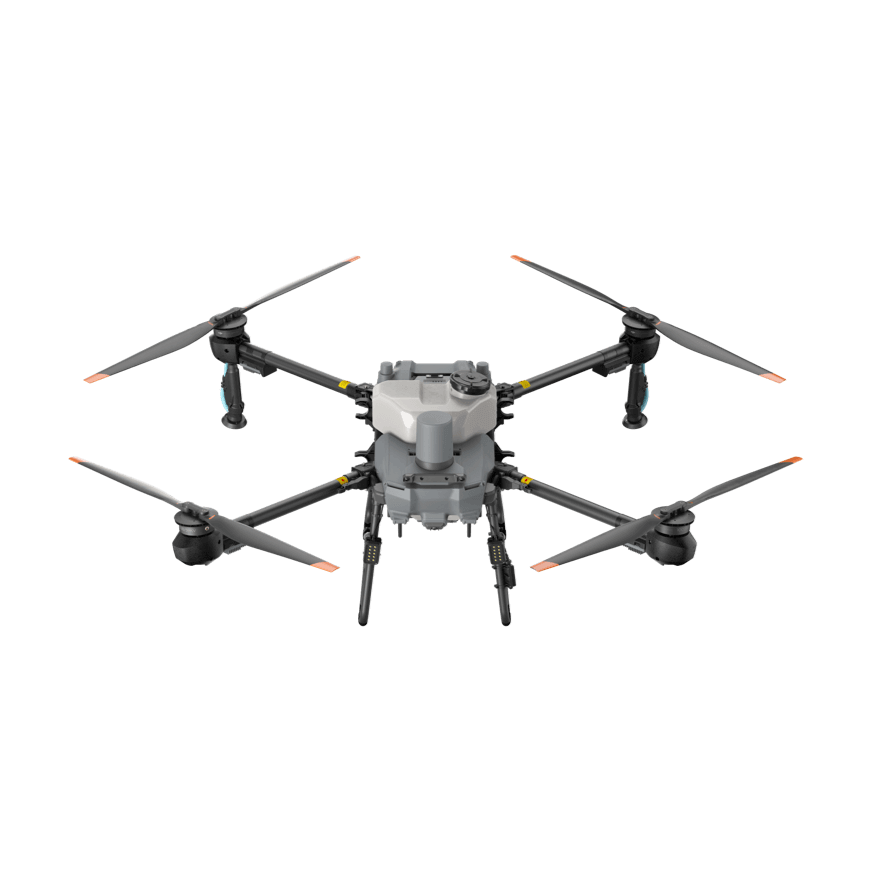
PS-01 uses Matrice 4T and PS-02 uses standalone Matrice 4TD. Both supply five total flight batteries, AL1 and AS1, matched charging equipment and the listed controller batteries. Processing software is not included.
The corresponding Power 2000 options are PS-05 and PS-06. Choose the configuration around the planned field session. Review accessory precautions in the selection guide and current manufacturer instructions. Include the actual camera, file handling and reporting method in the rehearsal, rather than testing the aircraft in isolation.
Use a hypothetical exercise to test the handover
A team could plan a controlled training session in which an exercise coordinator presents agreed observation tasks. The receiving member reviews each report against the known exercise record. They check whether the location, timing, description and source evidence are sufficient to understand what was reported.
Log unclear reports as learning points. Ask whether a different image, a clearer note or a revised reporting field would help. Preserve the exercise context so results are not mistaken for real incidents. Select a limited set of improvements and repeat the handover after training. See team readiness and acceptance for organising the broader review around the organisation’s own competence requirements.
Questions about observation handover
Does a thermal highlight confirm a person? Use the organisation’s verification process and keep uncertain observations clearly labelled. Can we use a screenshot alone? Agree what source imagery, timing and location context the receiving team requires.
Does an empty image clear an area? Ask the search manager how coverage and unresolved places are recorded; a single image cannot establish complete search effectiveness. How do we plan equipment training? Bring the observation format and a representative exercise task. Discuss a package and handover-training scope, or compare the available response configurations.
Explore the equipment packages on Irish Drone
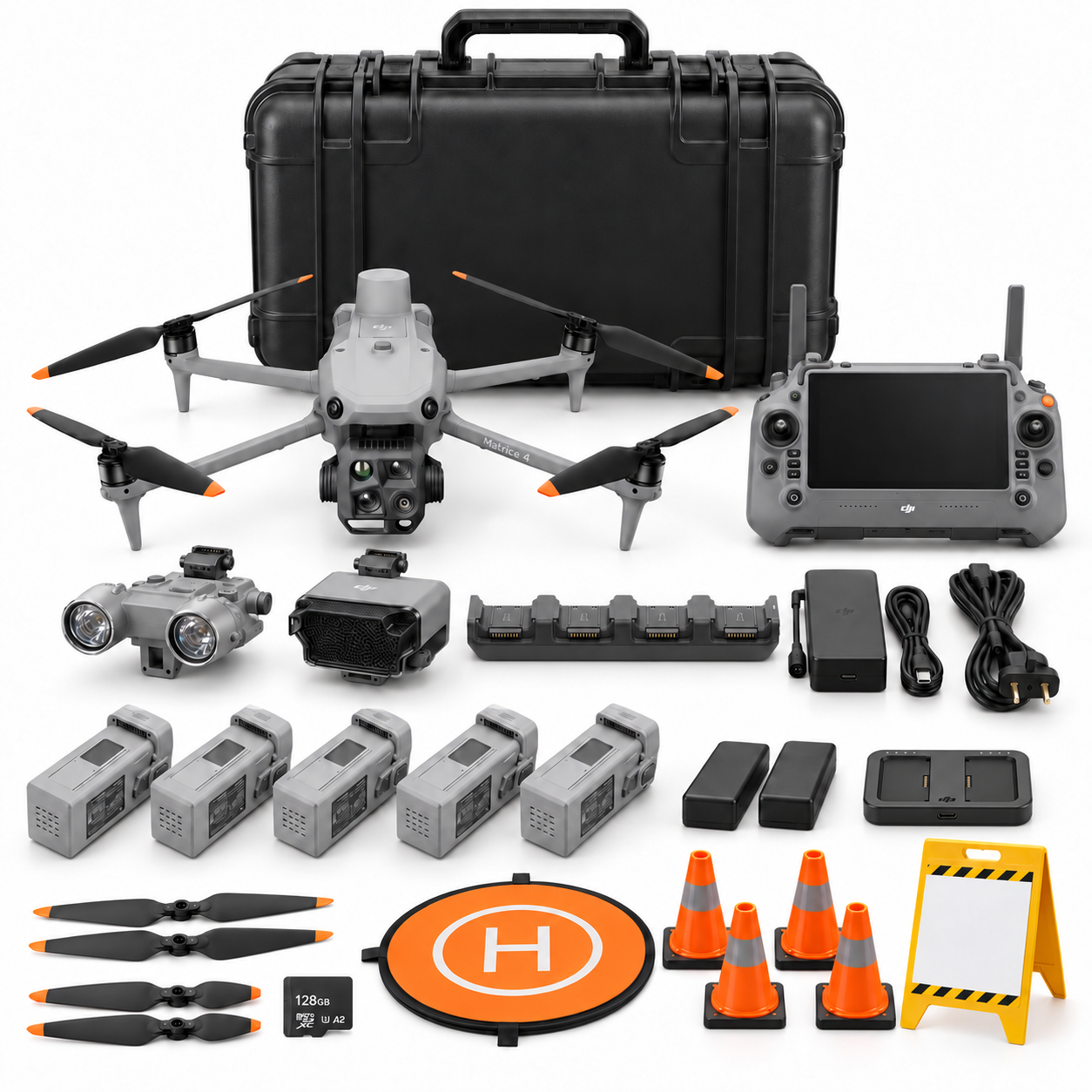

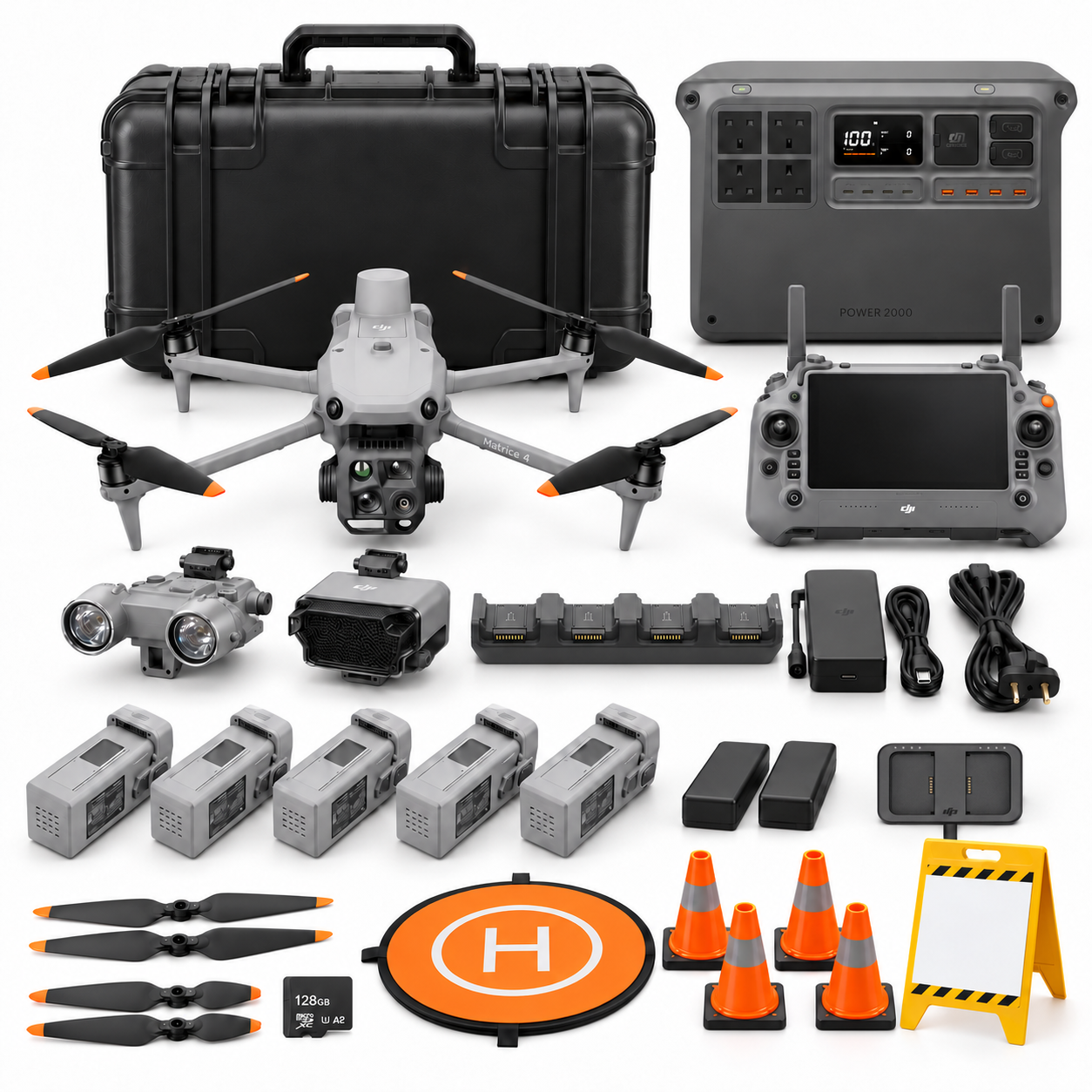
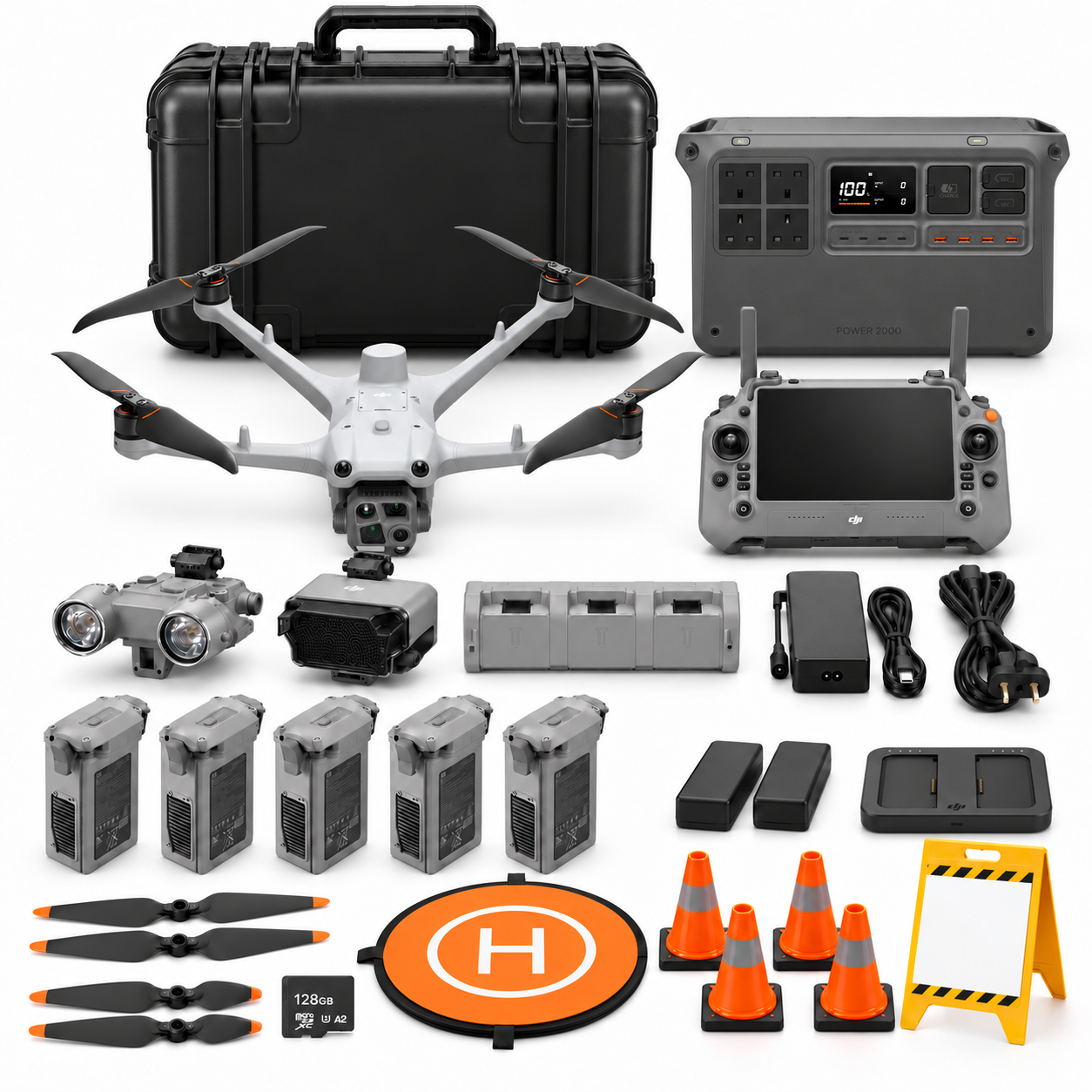
Package illustrations show the listed configurations. Battery quantities are whole-package totals.
Official manuals and setup guidance


Continue with the guide for your work
Documentation and evidence
Sources for the cited guidance
- Coastal thermal search researchRead source ↗
Reviewed 3 November 2026.
- Irish coordinated search supportRead source ↗
Reviewed 3 November 2026.


Pingback: Planning a Drone Readiness Exercise for a Response Team | Irish Drone
Pingback: Preparing Fireground Drone Records for Review | Irish Drone
Pingback: Choosing Drones for Search and Response Teams in Ireland | Irish Drone