

Three jobs can share a farm without sharing the same equipment, material checks or definition of success.
Define the result that the customer needs
Agricultural drone work is often discussed as one activity, but spraying, spreading and lifting solve different problems. Spraying concerns liquid delivery to an intended target. Spreading concerns the distribution of a solid material. Lifting concerns moving a suspended load between controlled locations. A farm may have all three requirements, yet each needs its own equipment selection, risk assessment, operating procedure and evidence of completion.
Start a conversation with the required result. Is the customer asking for a liquid deposit on a crop, a distribution of seed across a prepared area, or the delivery of supplies to an inaccessible point? A successful flight proves none of those outcomes by itself. Agree who defines the material or load, how the receiving area is controlled and what the operator must record. That first distinction prevents an aircraft’s broad marketing description from becoming an unsupported promise about a particular job.
Spraying is a deposition problem
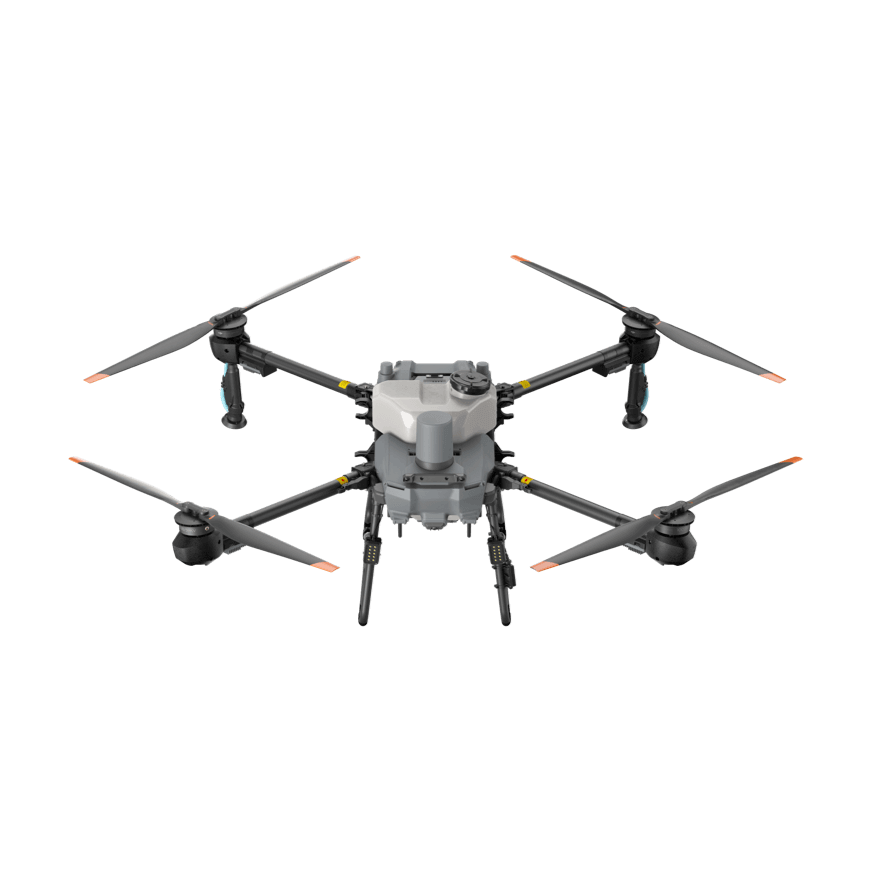
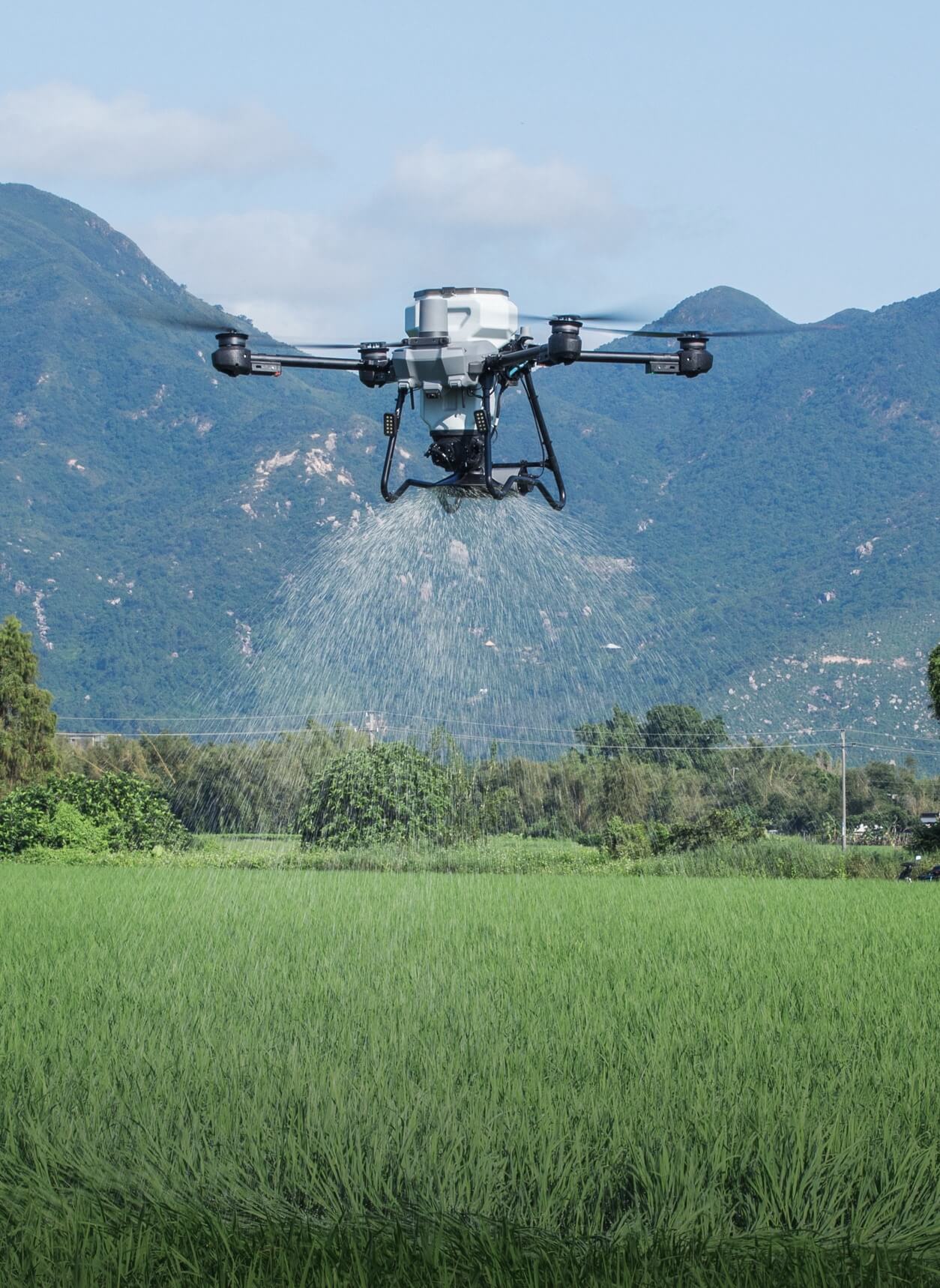
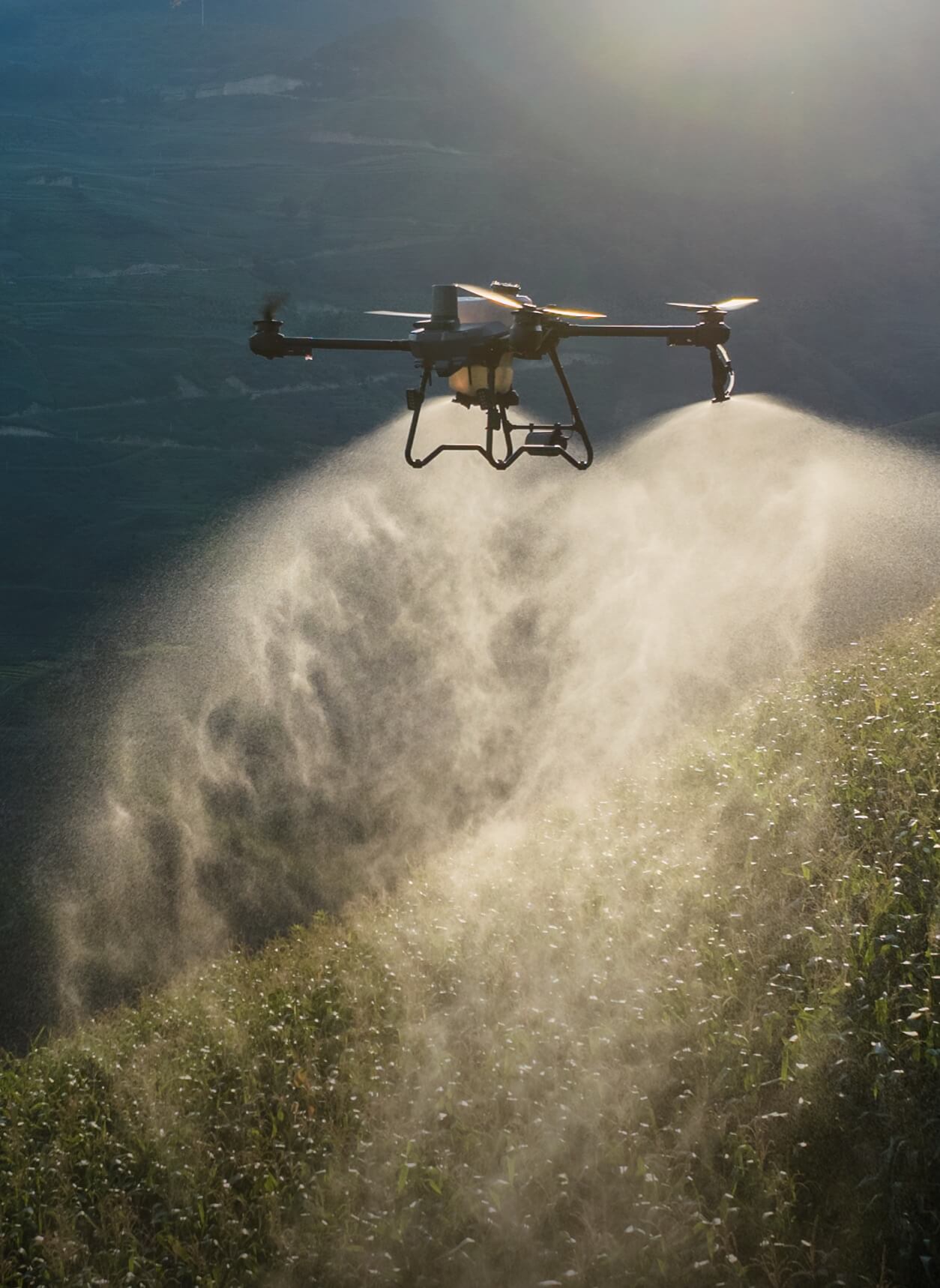
A spraying system combines the liquid tank, pumps, flow measurement and atomising equipment. Capacity describes what can be carried in an identified configuration; it does not say whether droplets reach the intended surface in the required pattern. Crop structure, flight settings, weather and liquid characteristics must be considered together. Clean-water calibration and a suitable deposition check should precede any proposed treatment under the appropriate permissions.
The T25P specification makes clear that spraying and spreading have different tank and payload limits. When examining a T25P or a larger application aircraft, ask to see the exact installed system and its documentation. A four-sprinkler option is not automatically included because the platform supports it. Avoid treating a maximum flow figure as a recommended application rate. The target crop and authorised product conditions, where relevant, determine what the system must demonstrate; the aircraft’s capability does not authorise a material.
Spreading depends on the material and its distribution
A spreading configuration needs the appropriate hopper, metering equipment and distribution mechanism. Granule size, density, shape, surface treatment and moisture can change how a material flows and where it lands. Two seed mixtures that fit into the same hopper can behave differently. A supplier should identify the supported metering components and explain the calibration process for the actual material, rather than offering a generic seed setting.
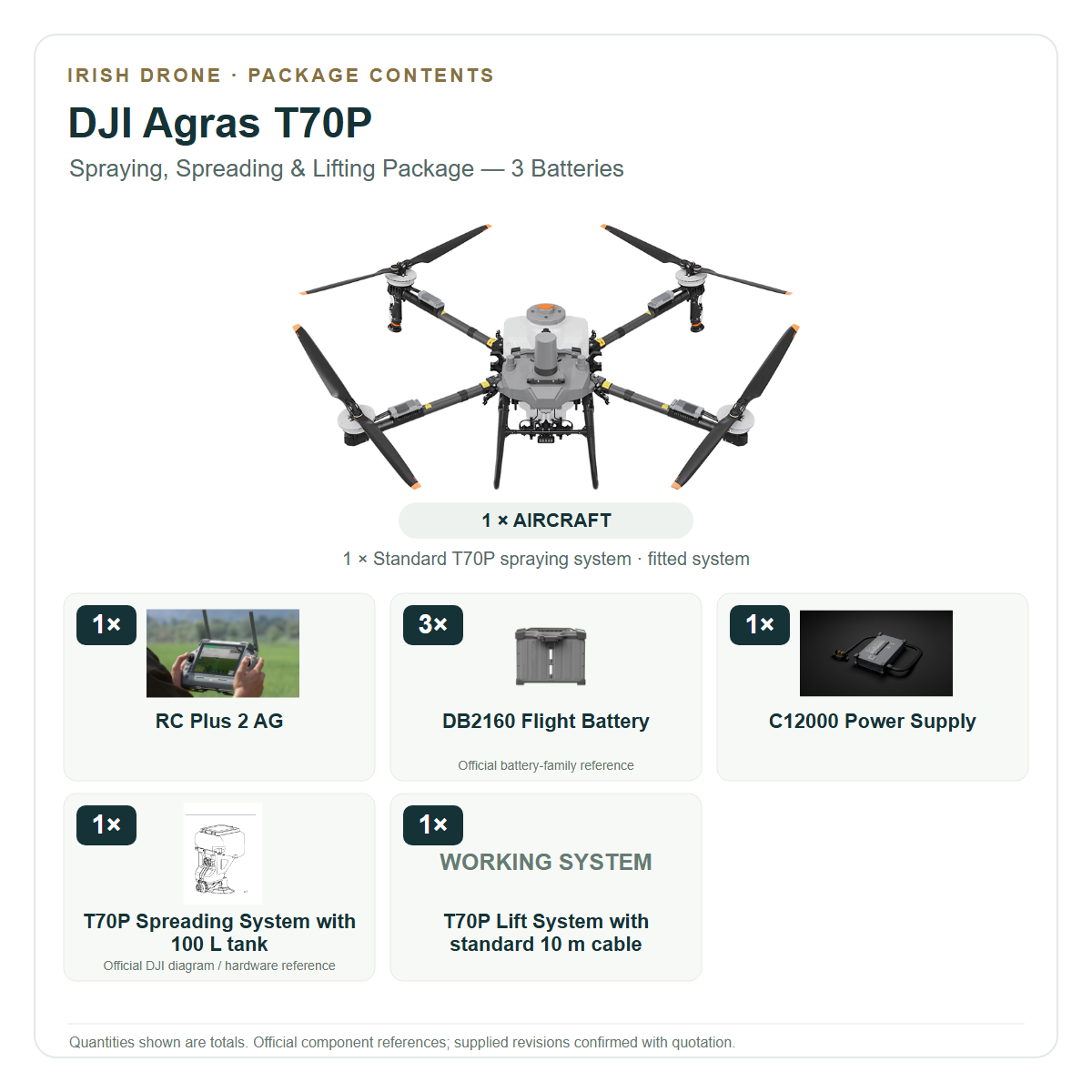
DJI lists a 100 L spreading tank and 70 kg material limit for the T70P spreading configuration. Those separate limits illustrate why volume and mass must remain distinct in the operating record. The field test should also inspect transverse distribution and boundary behaviour, not merely confirm that the hopper empties. This article’s proposed checks are planning recommendations; they are not evidence that a particular Irish grass or cover-crop mixture has already been validated in that machine.
Lifting changes the worksite and the handover
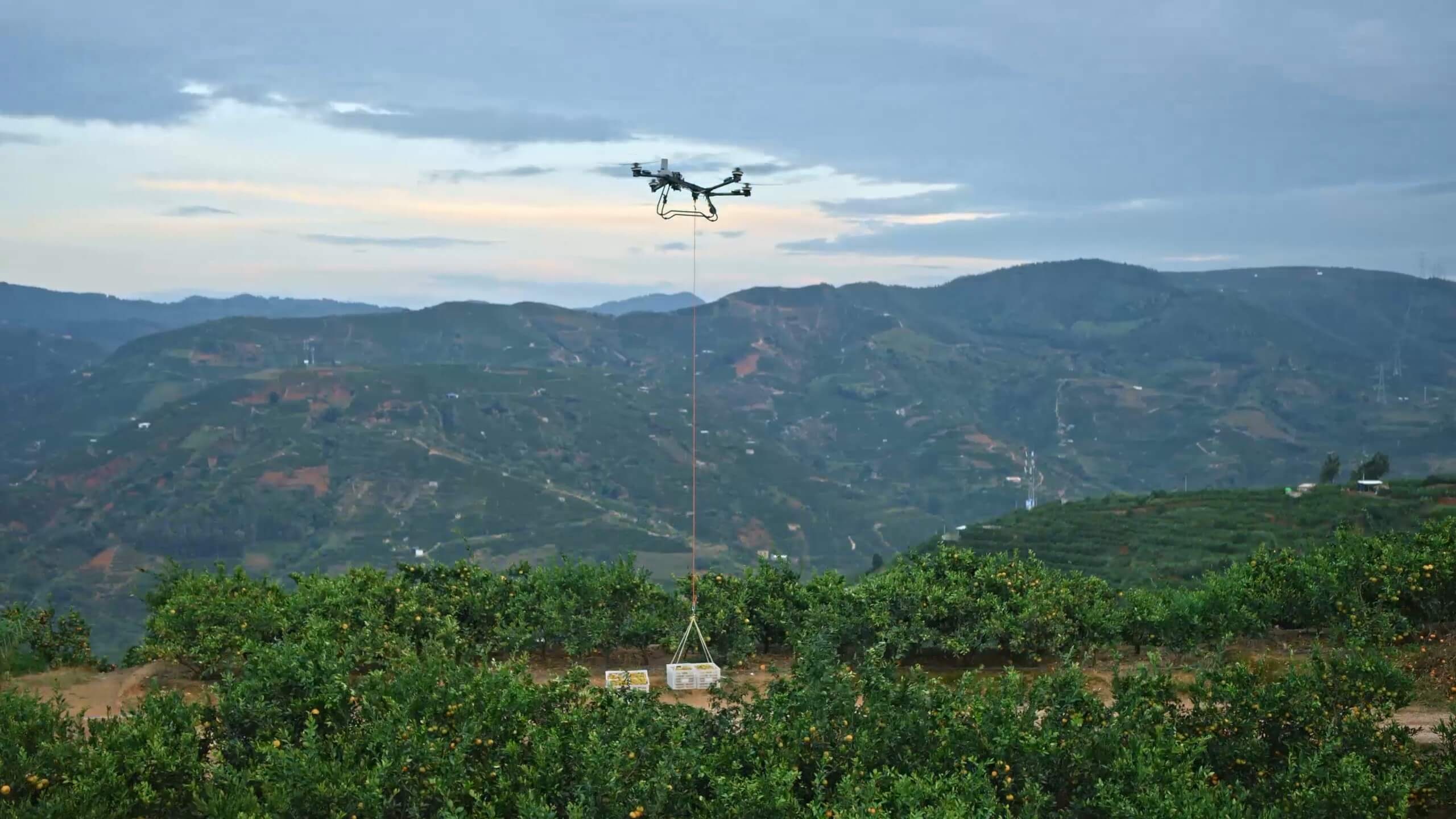
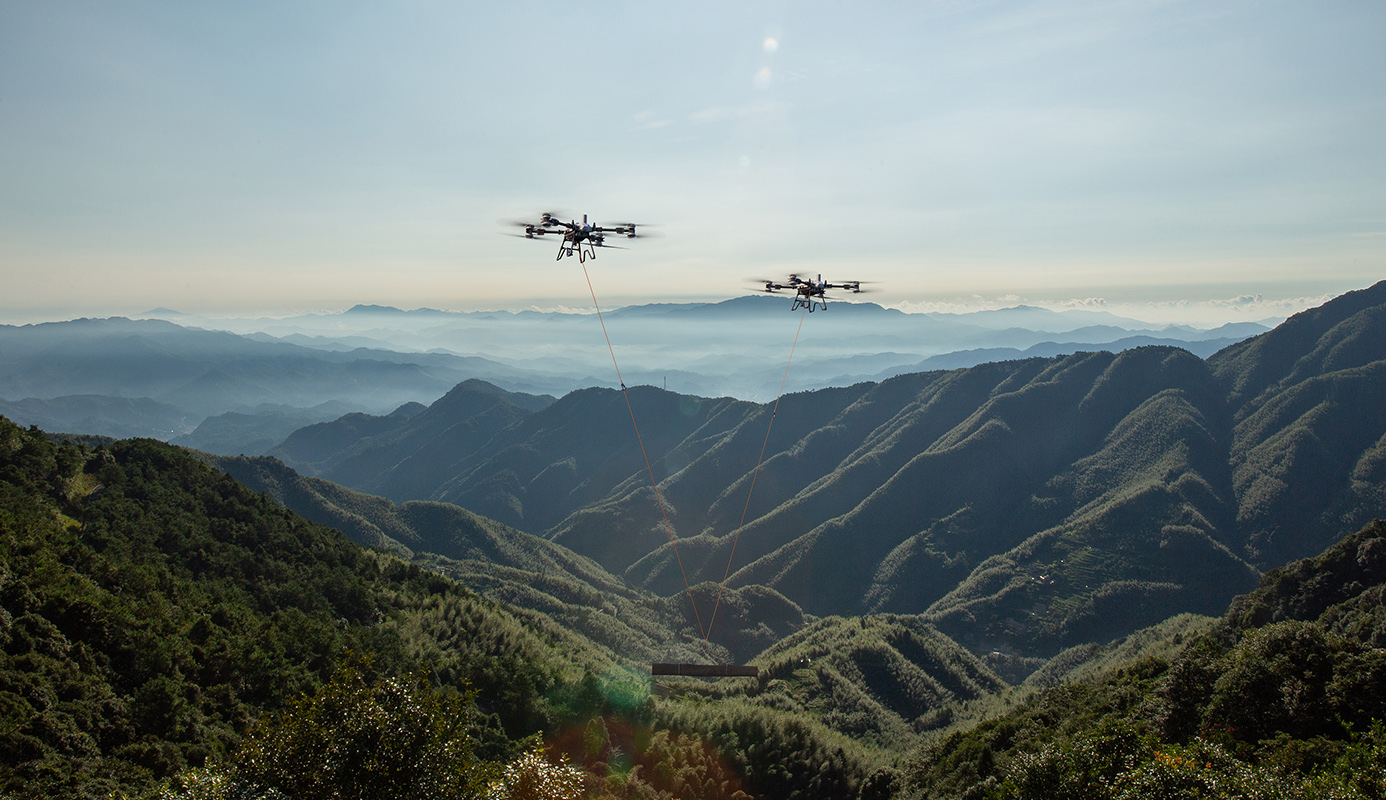
For lifting, replace the application question with a load-control question. Establish the load’s actual mass, dimensions, attachment points and tendency to move in wind. A compact heavy object and a large light object can create very different handling problems. The departure point, route, receiving point and emergency arrangements need to be assessed as one system, including everyone who may approach the suspended load.
The T70P spraying, spreading and lifting package offers a useful way to discuss separate working modules. It is not a promise that swapping modules removes the need for a different procedure. Identify fixed-line lifting separately from a powered winch; these are not interchangeable descriptions. Record the exact supplied hardware and the load-release method. A recipient should know when a load may be approached, who gives the signal and what happens if the intended landing or handover position becomes unavailable.

Why the T200 belongs in the lifting discussion
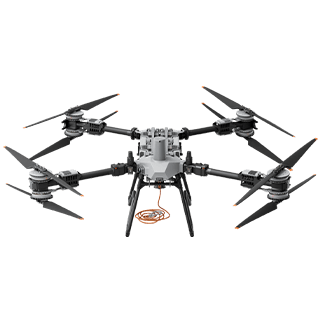
DJI’s current T200 China FAQ says that spraying and spreading are not supported. It identifies DL200 agricultural lifting equipment and distinguishes it from the FC200 flagship winch system. The T200 must therefore not be presented as the next larger sprayer in a capacity table. Farm transport and crop application are separate purchasing conversations, even where both may be useful on the same holding.
Consider the T200 only as a documented lifting reference while European conformity, supply and the proposed operating route remain unresolved. A package listing does not establish any of those points. The China documentation can inform a technical discussion, but it should not be converted into an Irish availability claim. Use the dedicated agricultural-lifting article for route and ground-site planning, with the real load and receiving arrangement defined before selecting a battery mode or discussing a quotation.
Illustrative example: one holding, three work orders
Imagine a holding considering granular distribution on a prepared field, a future liquid-application project and transport of bagged supplies to a remote location. This is an illustrative planning exercise. Create three work orders. The spreading order specifies the material and how distribution will be checked. The spraying order specifies the target and the technical and legal conditions that must be satisfied. The lifting order specifies the load, route and controlled handover.
Now compare equipment against each order. A spraying package may lack a spreader; a spreader-equipped aircraft does not automatically include lifting hardware. Batteries and charging may be shared only where the exact manufacturer’s compatibility supports it. The business can then evaluate the cost and effort of each complete configuration without counting one generic aircraft photograph as three ready-to-work systems. That approach also makes it easier to decide which requirement should be deferred or met by another method.
Keep the permission and material checks separate
The IAA’s agricultural UAS guidance explicitly treats monitoring and aerial application as distinct activities. Do not assume that a surveying permission covers releasing material, or that aircraft capability covers plant-protection-product use. Open-category eligibility cannot be reduced to a weight-only rule: dropping material and dangerous-goods conditions also matter. Heavy or complex operations generally require assessment beyond the simple Open route, with the category determined by the operation’s risk.
The operating plan should identify both the aviation route and the separate rules affecting the proposed material, people and environment. Use the dedicated SORA guide and pesticide-permission guide for that detailed work rather than treating this role comparison as legal clearance. For lifting, examine the actual consignment and its hazards. For spreading and spraying, examine the precise material and intended use. A supplier’s quotation should describe equipment and support without claiming to grant the necessary permissions.
Give each role a different acceptance test
Write the acceptance test around the outcome. For spraying, require a documented, model-appropriate calibration and an agreed clean-water deposition assessment. For spreading, require material-specific metering checks and a repeatable distribution test. For lifting, require an approved load-handling demonstration appropriate to the authorised operation, including a safe receiving procedure. Keep the test records with the exact equipment configuration used.
Then ask Irish Drone to quote only the components needed for the chosen role, with optional alternatives identified. The DJI T100 documentation collection illustrates why working-system documents must be checked alongside the aircraft manual. Confirm installation parts, firmware requirements and any changes that would invalidate the demonstrated setup. A good next step is a clearly bounded feasibility exercise, not an assumption that every supported accessory is included or that three agricultural tasks can be commissioned through one generic flight.
Frequently asked questions
Does a spray package normally include the spreader and lifting system?
Only the written equipment list establishes what is supplied. A supported accessory is not automatically included.
Is fixed-line lifting the same as a powered winch?
No. Confirm the exact lifting mechanism, release arrangement and supplied hardware for the proposed aircraft.
Explore the aircraft and packages
Follow the product page for the exact configuration and included equipment. Equipment selection and operating authorisation are separate parts of the project.
Talk to Irish Drone about your project
Send us the site, task, load or application material, intended operating pattern and available charging supply. We can help scope a suitable aircraft and package and discuss the preparation needed for an Irish operation.
Contact usPlan the next part of your operation
Official sources and technical guidance
These links support specific facts in the guide. Check the current revision and operating conditions when preparing a real project.
DJI’s Chinese-market T200 and FC200 references may require China Mainland to be selected in the official site’s region settings; the default region can display a not-found page. Their regional technical data does not establish an Irish configuration or operating approval.

Pingback: Agras Spraying Calibration | Clean-Water Verification
Pingback: DJI T200 Farm Lifting | Slopes, Access & Handover
Pingback: Drone Reseeding & Cover-Crop Spreading | Irish Workflow
Pingback: Choosing a DJI Agras in Ireland | Farm & Contractor Guide