
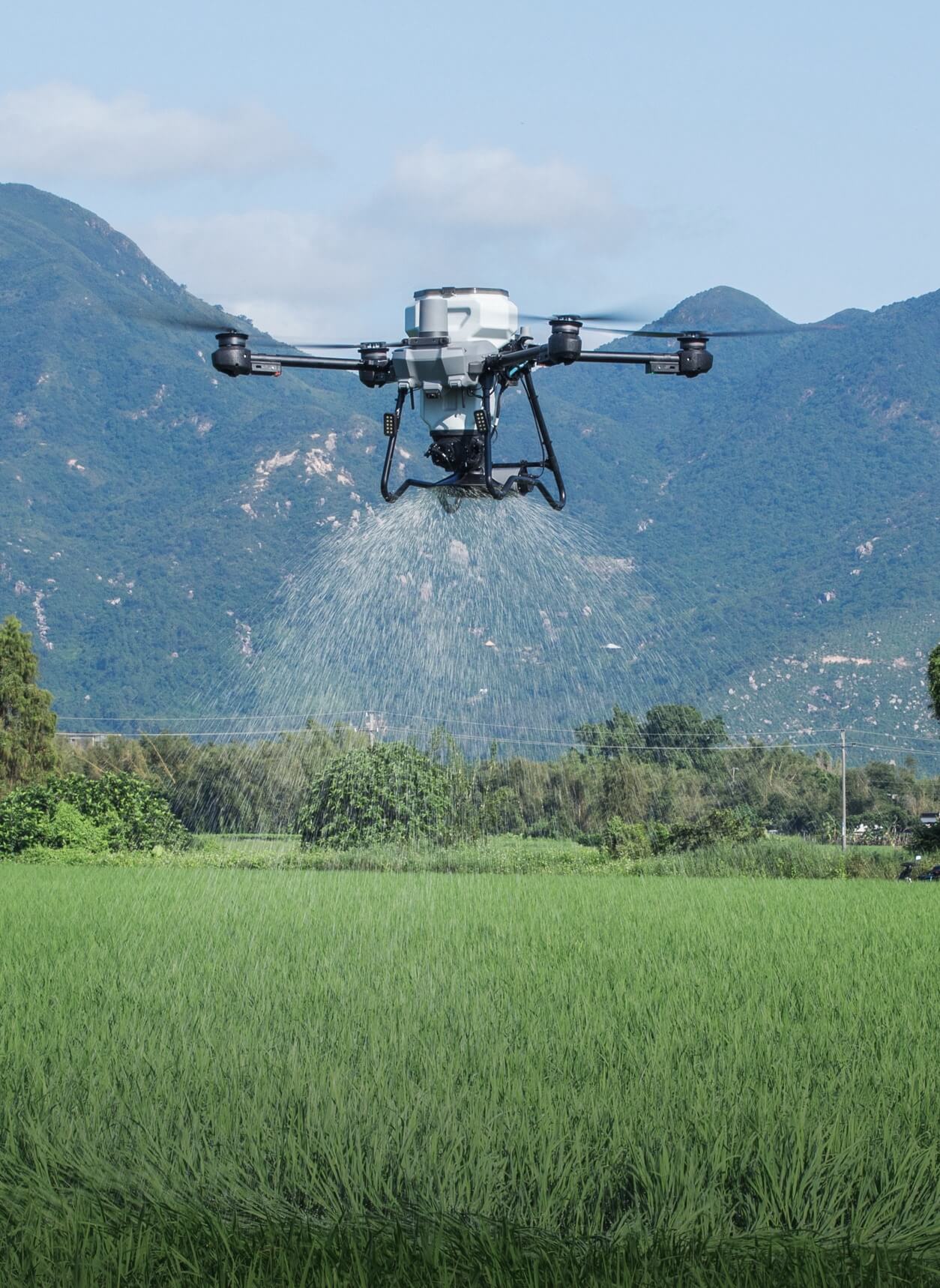
Getting seed into the air is one step. Establishment depends on what happens before distribution and after the seed reaches the field.
Specify establishment rather than an empty hopper
A drone-spreading proposal should be judged against the crop that needs to establish, not the amount of seed discharged. Ask what problem the proposed method solves: difficult access, a timely distribution opportunity or a particular field condition. Then check whether it still provides the seedbed, placement and follow-up that the selected grass or cover crop requires. A distribution flight cannot repair poor soil conditions or compensate automatically for an unsuitable establishment window.
Teagasc’s reseeding principles emphasise weather, seedbed condition and good seed-to-soil contact. Those principles remain relevant whichever machine distributes the seed. Aerial broadcasting is therefore a possible element of a wider establishment plan, not a universal replacement for drilling, cultivation or rolling. Have the farm adviser define the agronomic objective and acceptance criteria before an operator chooses aircraft settings or a supplier describes a package as suitable for the job.
Start with the field and the following crop
For a grassland project, review the existing sward, soil test, drainage issues, weed burden and intended management after reseeding. For a cover crop, consider the preceding and following crops, the desired function of the cover and the practical termination plan. A seed mixture should be selected for that rotation and purpose, not simply because its bag size fits the aircraft’s hopper.
Teagasc’s cover-crop guidance makes species choice, establishment conditions and subsequent management central to the decision, and describes variable outcomes. Translate that into a field-specific go/no-go sheet. Note whether surface moisture and access for any required ground operation are likely to be available. Identify areas where seed could collect or be displaced, including gateways, sloping ground and heavy residue. If a scheme imposes a sowing method or date, obtain current scheme advice separately; an aircraft booking does not establish scheme compliance.
Compare broadcasting with the complete alternative
Compare whole establishment systems. A drone may distribute seed while a separate ground operation provides the necessary surface preparation or consolidation. A drill may offer a different placement method with fewer separate operations. The correct comparison includes access, soil condition, timing, material handling and the likelihood of achieving the required result, rather than contrasting the aircraft’s flight time with the tractor’s field time.
Teagasc’s discussion of cover-crop seeding options highlights moisture, sowing depth and soil contact, and the need to check spread patterns. It does not validate a particular drone seed mixture. Treat a proposed aerial method as a trial that must demonstrate the relevant establishment conditions. If reaching the field with a roller or another required implement is impossible, explain how the plan will meet the agronomic requirement, or acknowledge that the proposed method may be unsuitable for that site.

Check the actual seed lot and metering equipment
Obtain the seed supplier’s description of the exact lot, including species, treatment, moisture sensitivity and handling instructions. Mixtures with different seed sizes and densities may segregate during transport, loading or distribution. Do not assume that a material which fits through an opening will meter consistently or land evenly. Check the hopper, feeder and spreading mechanism against the manufacturer’s documentation and the intended material.
The T70P spreading specifications distinguish standard and optional auger configurations and their material ranges. Those ranges are a screening condition, not proof of seed viability or successful Irish establishment. Agree a controlled material-flow test and a representative distribution assessment before committing the whole field. Keep the actual settings, seed-lot identity and equipment configuration together so that a favourable test cannot accidentally be applied to a different mixture or batch later.
Measure distribution before judging the crop
Design the first check to answer whether the chosen setup distributes the material as intended. A competent operator and adviser can agree a collection layout, a safe test area and a way to compare material collected across the working width. Inspect for inconsistent metering, segregation and poor edge control. Record the conditions and repeat a check when material, configuration or relevant settings change.
Keep distribution evidence separate from establishment evidence. A repeatable discharge or collection pattern does not demonstrate germination, while poor emergence does not by itself identify the aircraft as the cause. Soil condition, weather, seed quality and subsequent management also need review. The proposed testing sequence is our planning recommendation; it is not a claim that Irish Drone or Teagasc has validated a specific drone, grass mixture, bout width or seed rate in Irish conditions.

Illustrative example: two areas with different constraints
Imagine a farm considering a grass reseed on one area and a cover crop on harvested arable ground. This example is illustrative. The farm adviser separates the two objectives, confirms the selected seed lots and identifies the required seedbed and follow-up for each. The operator then checks whether the aircraft and metering equipment can be tested with those materials. One generic calibration file is not assumed to serve both jobs.
The grassland plan may need a ground operation that creates suitable seed contact. The arable plan may be constrained by residue, available moisture and the next crop. A small, agreed trial area is documented before any wider commitment, with an emergence review scheduled using the same inspection method across the area. If a ground method offers the more credible establishment route, the assessment should say so. That is a useful purchasing result even when it does not lead to a drone-spreading job.
Keep the seed and the site controlled
Prepare a loading area that protects the seed from rain and unintended mixing. Label opened bags, keep lot records, provide a reliable weighing method and account for material remaining after the work. Plan how the next load reaches the aircraft without pedestrians entering its operating area. A dry, orderly ground routine is part of a distribution trial, not an optional convenience.
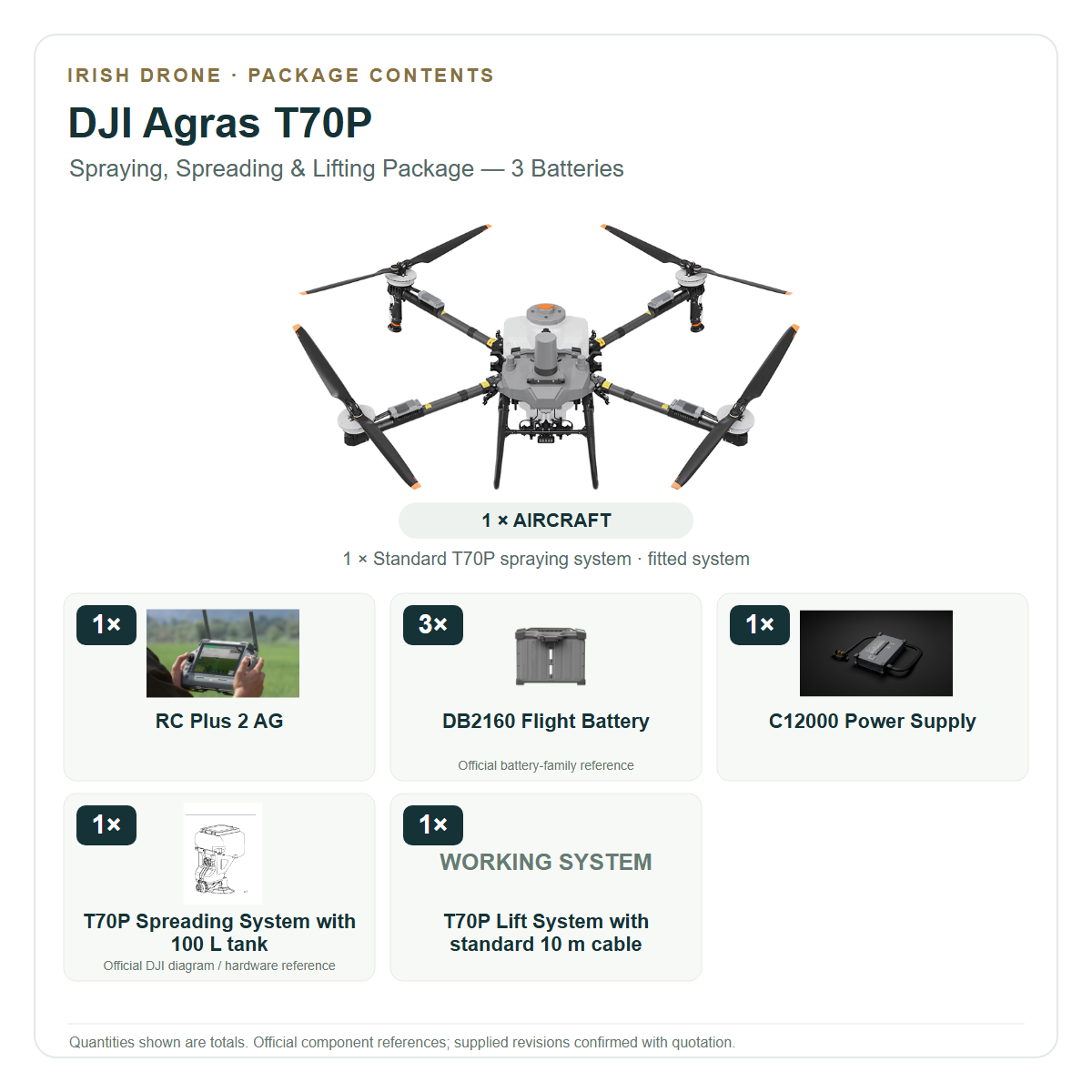
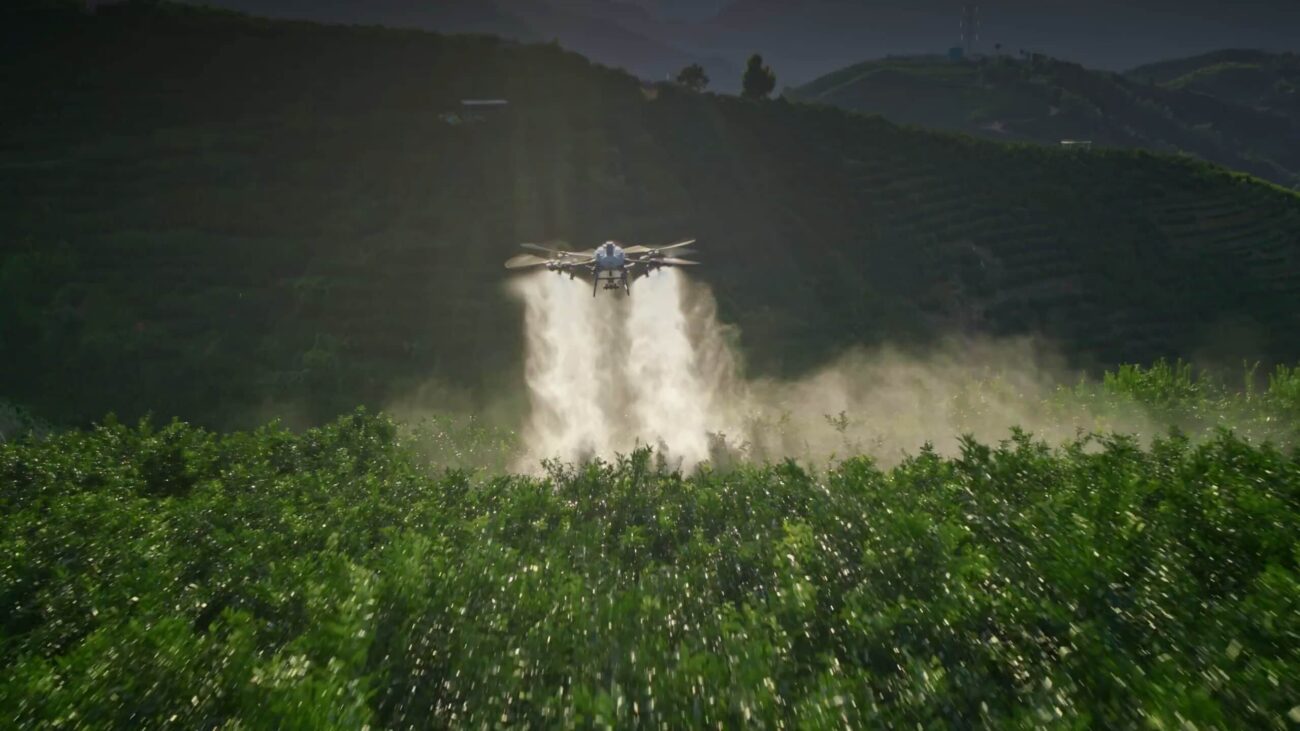
Map the intended boundary and exclusions before generating routes. Obtain the appropriate operating permissions for releasing material, using IAA agricultural guidance as a starting point rather than assuming that the landowner’s consent is sufficient. Keep this separate from the agronomic decision. The T70P multi-role package can support a configuration conversation, but its listing does not validate a seed, include every preparation tool or establish an authorisation for the proposed distribution.
Agree the crop review before committing to scale
Set out how establishment will be reviewed: field locations, inspection dates or growth stages, the observations to record and the person responsible for interpretation. Photographs and mapped notes can make uneven emergence easier to revisit, but they should be supported by ground checks. Retain failed or marginal observations rather than selecting only the best-looking part of a trial.
Use that record to decide whether the method is suitable for expansion, needs adjustment or should be replaced. A quotation discussion should then include the exact aircraft, spreader, material tests, weighing equipment and the responsibilities for seedbed preparation and crop follow-up. Bring those decisions to Irish Drone alongside the site constraints. The next step is a documented feasibility and configuration review, with the farm’s agronomic adviser retaining responsibility for the establishment plan and the operator for the authorised flight activity.
Frequently asked questions
Can a drone replace all reseeding operations?
No. Distribution does not automatically provide the seedbed, sowing depth, seed contact or follow-up required for establishment.
Does a listed granule-size range prove that a grass mixture is suitable?
No. Check the actual material and feeder configuration, then agree material-flow, distribution and establishment assessments.
Explore the aircraft and packages
Follow the product page for the exact configuration and included equipment. Equipment selection and operating authorisation are separate parts of the project.

Talk to Irish Drone about your project
Send us the site, task, load or application material, intended operating pattern and available charging supply. We can help scope a suitable aircraft and package and discuss the preparation needed for an Irish operation.
Contact usPlan the next part of your operation

Official sources and technical guidance
These links support specific facts in the guide. Check the current revision and operating conditions when preparing a real project.


Leave a comment