

UTILITIES · FIXED-SITE PLANNING
The value of a repeat route depends on a ready site, a responsible operator and a maintenance team that uses the evidence.
Evidence reviewed 3 November 2026 · Ireland
The practical answer
Use a UT-03 pilot to prove a complete recurring observation service: an approved site and route, a named operator and reviewer, reliable record handling and a clear response to missed or unsuitable capture. Accept the workflow before expanding its frequency. Physical installation, civil works, power and networking remain customer responsibilities.
Choose a recurring question worth answering
Begin with a site question that benefits from another observation: a defined set of asset views, a current site overview or evidence supporting a planned maintenance review. Name the person who will use each output. If nobody can explain the decision it supports, a scheduled capture may simply produce another unattended folder.
Separate routine observation from incident response. A recurring programme can have a deliberate review window and an agreed exception process. An urgent operational request may need different approval, coordination and staffing. Make the intended service clear before discussing route frequency or remote operation.
Agree what makes the proposed location ready
Prepare a site-readiness record with the asset owner and competent deployment team. It should identify the proposed location, access for servicing, responsibility for power and networking, operating boundaries and the local contact. Record any outstanding work and who is responsible for completing it.
UT-03 lists complimentary deployment and setup, while physical installation and civil works, including the concrete base, are arranged and paid for by the customer. The customer also provides the required power and network connection. Have the quotation distinguish system configuration and handover from construction or installation work so both sides can plan the same project.

Treat the accepted route as a controlled project item
For every planned view, record the asset reference, purpose and expected output. Review the proposed route through the operator’s authorised process and retain its accepted version. If the site changes, make reassessment and approval part of the workflow rather than silently continuing an old plan.
FlightHub 2 supports recurring dock task plans. [1] The useful procurement question is how the team will manage the plan, its results and its exceptions. Ask to see a complete test from a requested observation through captured files to a reviewed record. Scheduling functionality alone does not establish that a particular flight is authorised.
Assign the operator, site contact and reviewer
| Role | Decision to own |
|---|---|
| Programme owner | Purpose, scope and acceptance of the service |
| Operating team | Authorised operation and task completion |
| Local site contact | Site changes, access and agreed escalation |
| Maintenance reviewer | Interpretation, follow-up and closure |
One organisation may fill several roles, but each responsibility should remain explicit. Include cover arrangements for absence. An image can arrive successfully while its maintenance question remains unanswered; the acceptance test should therefore include a review acknowledgement, not just a file transfer.

Make missed and unsuitable capture visible
Agree a short list of task outcomes the programme will record: completed and accepted, completed but unsuitable for the question, deferred, interrupted or awaiting review. Keep the reason and responsible next action with the task record. This gives the owner a realistic view of service coverage.
Test the response to an unavailable observation during the pilot. The team should know who decides whether to reschedule, send a field team or close the request with an explanation. A recurring programme becomes more dependable when exceptions are visible and handled consistently, rather than hidden behind a count of scheduled missions.
Agree access, retention and the asset link
Decide where approved files will be stored, who may view or export them and how observations link to the asset register. Confirm the organisation’s security and data requirements before routine capture begins. A small sample is enough to test whether the receiving team can find the right view without searching through an entire flight archive.
UT-03 includes the listed twelve-month FlightHub 2 subscription and Terra Flagship entitlement. Confirm the current cloud plan, resource quotas, connected-device arrangements and intended processing workflow in the quotation. Retain a handover record of the agreed setup and renewal responsibilities so the service has an identifiable owner after initial training.
Use an acceptance exercise that includes a return visit
An illustrative first pilot could use one approved site and a short set of identified views. The team accepts the initial capture, then repeats the approved task when the operating plan and conditions allow. The reviewer checks whether both dates can be found, understood and associated with the same assets.
Add a controlled administrative exception, such as a deliberately deferred request, to test communication and closure without creating a flight hazard. Review the resulting task record with the site owner. Keep a list of corrections and repeat the affected parts before increasing the programme’s frequency or scope. This tests the service rather than just the equipment demonstration.
Questions before commissioning
Is UT-03 a mobile vehicle package?
It is the approved utility fixed-site Dock package. The manufacturer photograph shows a vehicle-mounted deployment; the pictured vehicle and mounting hardware are not included.
Does a dock remove the need for operating approval?
The operator still needs the appropriate approved operating arrangements for the task. Review these for the actual location and proposed operation.
Are five batteries automatically swapped by the dock?
No. Dock 3 does not automatically replace the aircraft battery. [2] Plan battery handling and servicing through the agreed operating procedure.
Who interprets a possible asset concern?
The designated competent maintenance reviewer should own interpretation and follow-up. The package’s dataset-quality review is a separate scoped service.
Bring a site-readiness brief to the package discussion
Review UT-03 M4TD Utility Fixed-Site Dock Package with a proposed site, recurring question, local contact and receiving team in mind. Ask Irish Drone to map the listed training, setup and dataset review onto your acceptance exercise.
For occasional visits across several sites, compare the portable options in the utility package selection guide. A dock programme is strongest when a specific site, an authorised operation and a useful review routine fit together. The pilot is the opportunity to establish that fit before committing to a broader deployment.
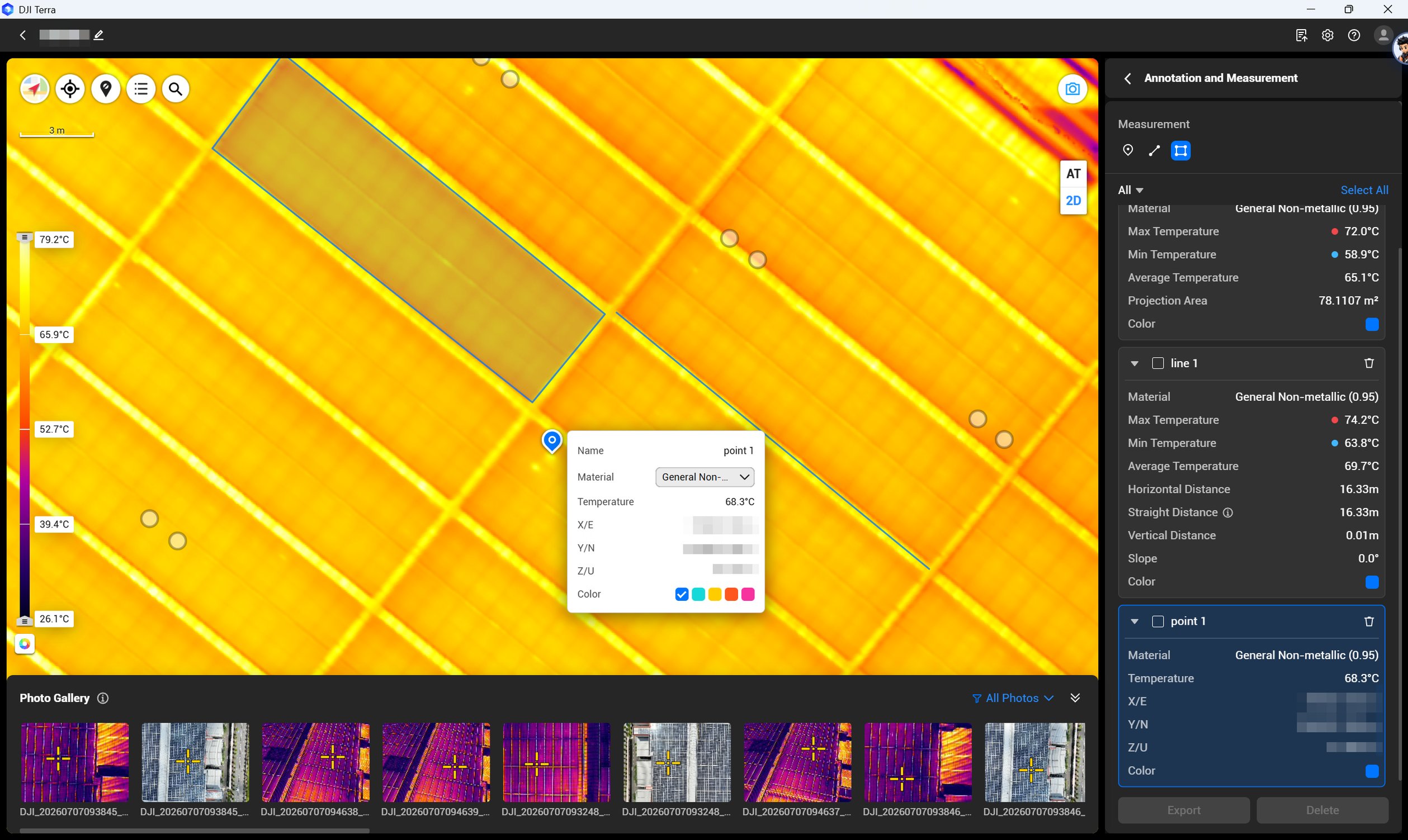
See the software workflow
The software image is a manufacturer workflow reference. Check the written licence edition and the supported aircraft, file type and project method before choosing a processing route.
Explore the equipment packages on Irish Drone

Package illustrations show the listed configurations. Battery quantities are whole-package totals.
Official manuals and setup guidance

Continue with the guide for your work
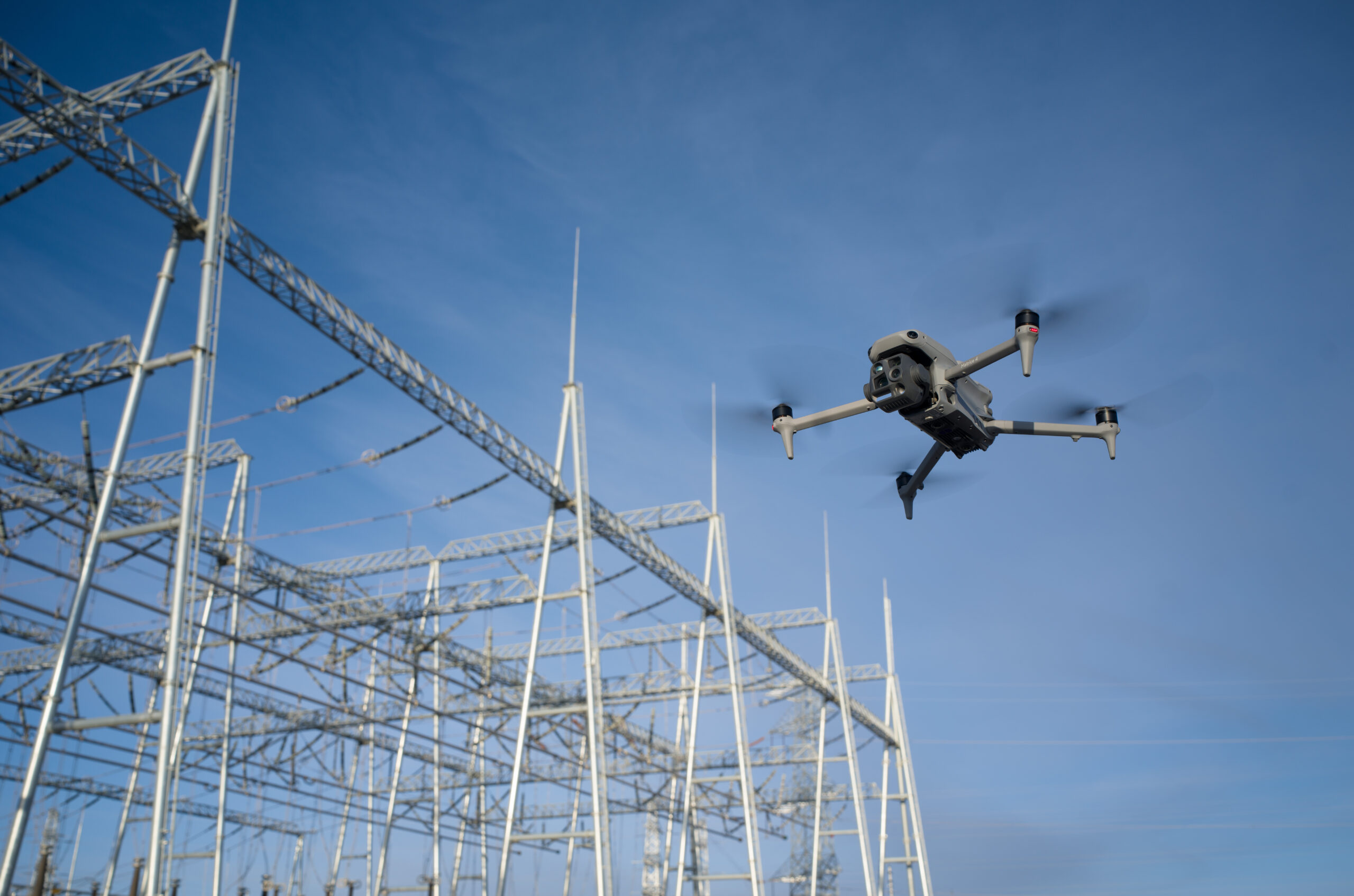

Documentation and evidence
Sources for the cited guidance
- DJI FlightHub 2: Single-Dock PlansRead source ↗
Reviewed 3 November 2026.
- DJI Dock 3 FAQRead source ↗
Reviewed 3 November 2026.
Compare equipment packages
Explore Power & Utilities drone packages →
To discuss equipment for a fixed-site utility Dock, contact Irish Drone with the location, recurring capture task and site-readiness brief.



Pingback: Utility Corridor LiDAR Handover: M400 L3 Planning Guide
Pingback: Utility Drone Packages Ireland: Choose by Maintenance Task
Pingback: Utility Thermal Drone Records: Capture to Maintenance Review