

WIND ENERGY INSPECTION · BLADE SURFACE RECORDS
Agree blade identities, coverage regions and review responsibilities so a surface photograph becomes a traceable maintenance observation.
Evidence reviewed 3 November 2026 · Ireland
The practical answer
Specify a blade photography register that connects each detail to the turbine, blade and surface region. Agree coverage and engineering review separately, then preserve original photographs so a later team can relocate the observation and understand its limits.
Agree blade identity before photographing details
Begin with the owner’s turbine register and blade-identification convention. Ask how blade positions and component replacements are recorded. Establish which identifiers the capture team should use and who resolves any mismatch between the site records and the actual equipment before a new inspection entry is accepted.
A close photograph becomes more useful when its place in the blade sequence is clear. Include overview context and a consistent description of the surface region. Agree the naming and orientation scheme with the receiving blade specialist rather than inventing a convention that the owner must translate after delivery.
Create a coverage sheet the reviewer can audit
List the commissioned blade surfaces and regions in a simple matrix. Ask the blade specialist to define the views and detail required for the task. Use separate statuses for captured, checked, deferred and requiring another method. The matrix should describe the commission rather than imply that every possible defect has been examined.
Ask how the team will confirm coverage during capture and after file transfer. An image sequence can contain many photographs while leaving an awkward transition or obscured region unexplained. A coverage check gives the owner a specific completion question and gives the operator a clear reason to request a changed plan.

Keep visible condition separate from structural significance
Sandia’s erosion-classification research distinguishes visual condition from other consequences and assessment dimensions. [1] Let the appointed blade specialist choose the classification and explain the evidence it requires. Preserve that classification scheme with the project record.
In the capture register, describe the location and visible feature, then link the original photograph. Put severity, structural interpretation and maintenance recommendations in fields owned by the specialist reviewer. This avoids turning a surface photograph into an unsupported internal-condition statement while still making the observation easy to find and discuss.
Approve detail with an example image
Choose a representative area for an acceptance sample. Ask the reviewer to open the original file and decide whether identification, focus, lighting and viewing geometry meet the brief. Capture the companion overview so a detail can be relocated without guessing. Record why the sample is accepted or needs improvement.
Use the accepted example to brief additional personnel and future visits. If a view cannot be obtained within the agreed method, keep the exception and its reason. A targeted request for a different inspection method gives the maintenance team more value than silently filling the record with a photograph that does not answer the question.
Coordinate capture with the owner’s operating plan
Ask the turbine owner to determine the operating arrangements for the task and nominate the responsible contact. Agree access, communications and the conditions for suspending the activity. The pilot’s capture plan should fit that decision, including what happens when weather or another maintenance activity changes the available work area.
Prepare the handover between the site contact and the capture team before travelling. Confirm turbine identifiers, intended sequence and the location where files will be checked. If a turbine becomes unavailable, update the commissioned coverage record and agree the next step with the owner instead of substituting a different target informally.
Build a register that works without the pilot present
For each observation, provide the turbine and blade identifiers, region, capture date, original file reference, overview link and review status. Give the reviewer a route from a site-level list to the relevant detail. Keep any annotated copy linked to its unmodified original.
Include an exception register with the missing region, reason, required decision and owner. Ask the receiving specialist to review a small delivery before the whole campaign closes. Use that response to correct identification or organisation problems while the project team still has the context and, where approved, an opportunity to recapture.
Preserve evidence around a repair
When the commission includes a before-and-after record, agree how the repair reference will connect to the observation. Keep the earlier photograph, repair documentation and later image as distinct dated records. Ask the owner how blade replacement or changed identifiers should appear in the history.
Comparison should start by confirming that the same region has been observed adequately. If the later image has a different view or incomplete context, mark the comparison as limited. The repair specialist decides whether the evidence satisfies its acceptance process; the photograph register makes that decision traceable rather than automatically certifying the repair.
Match equipment to the approved photograph brief
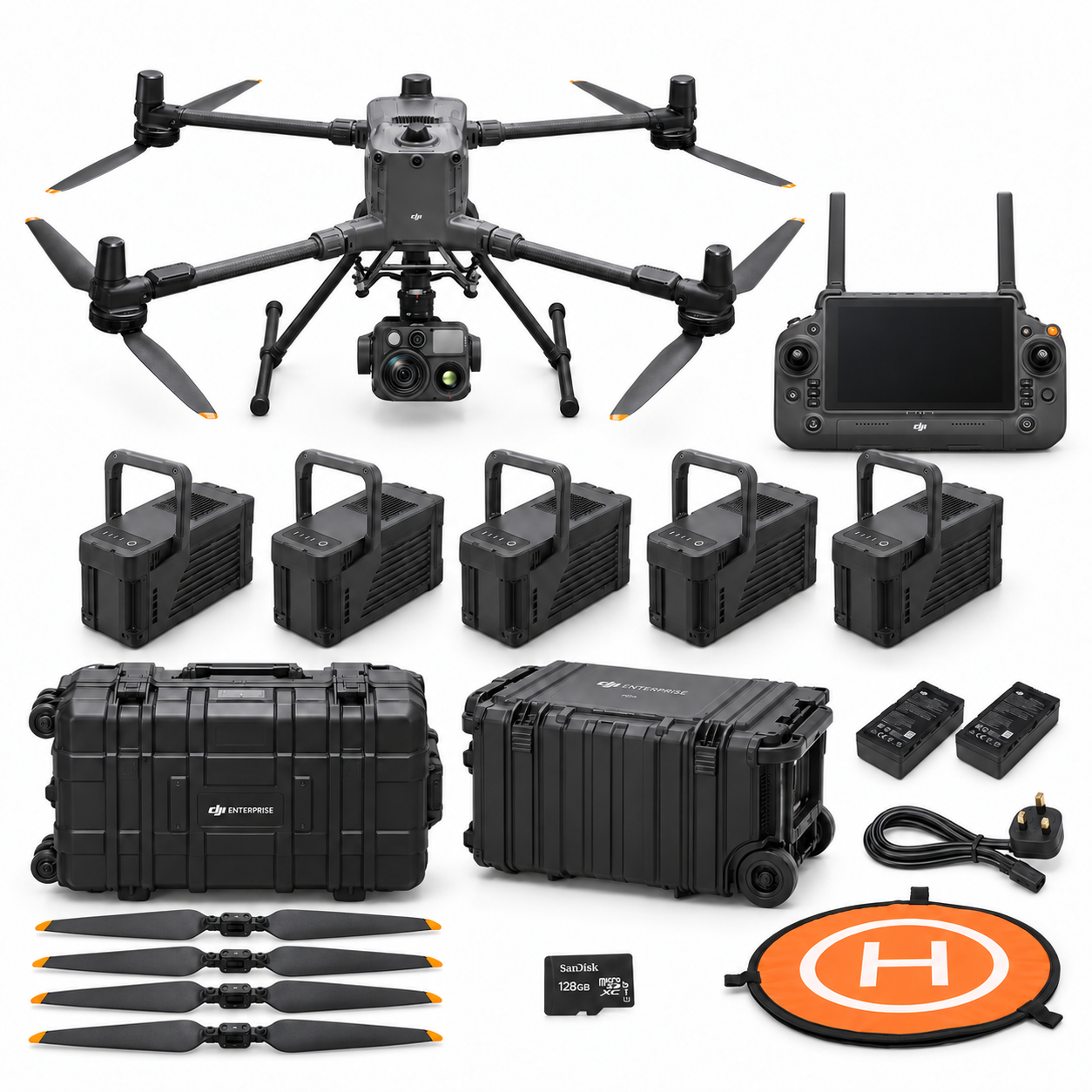
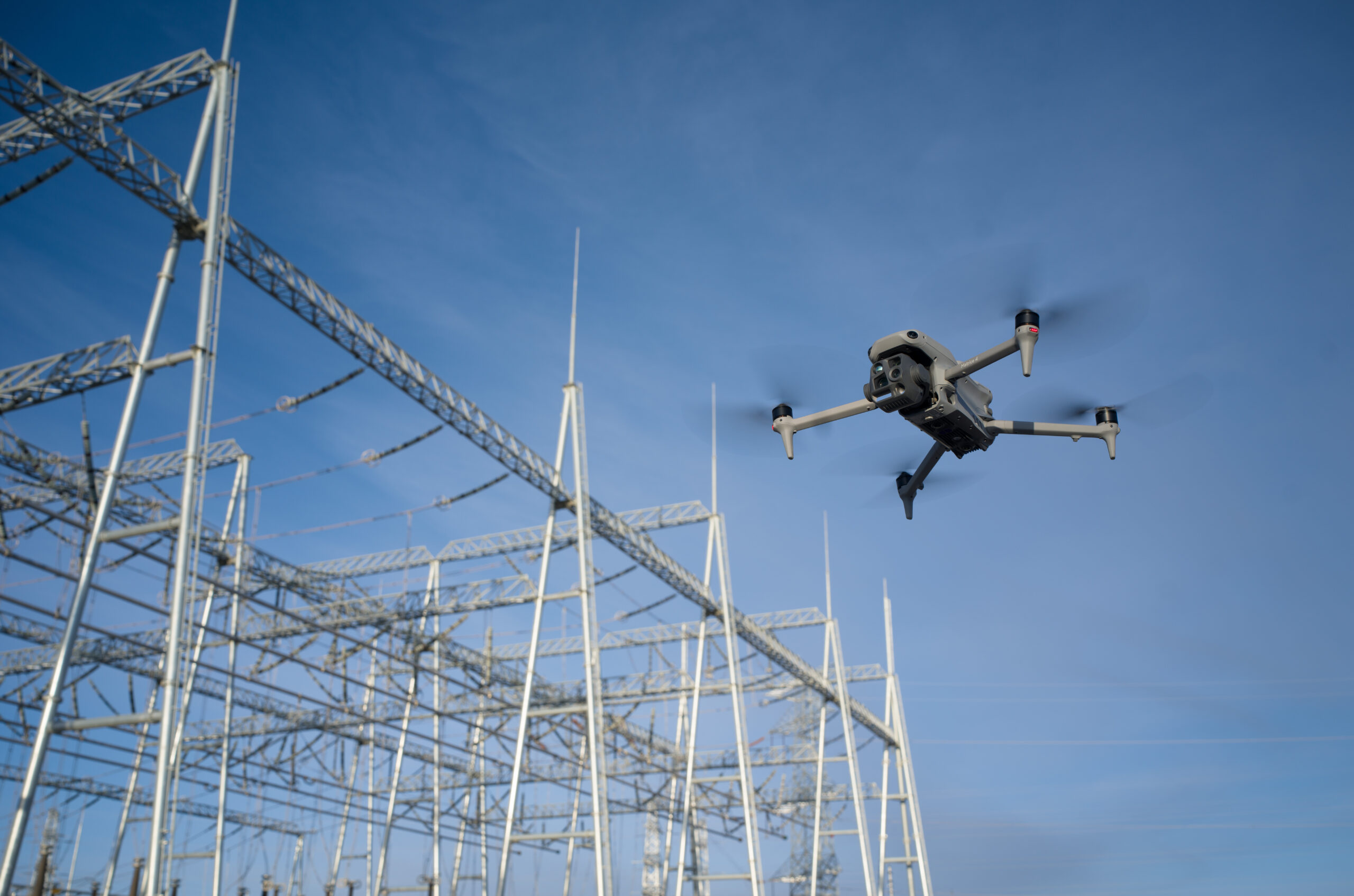
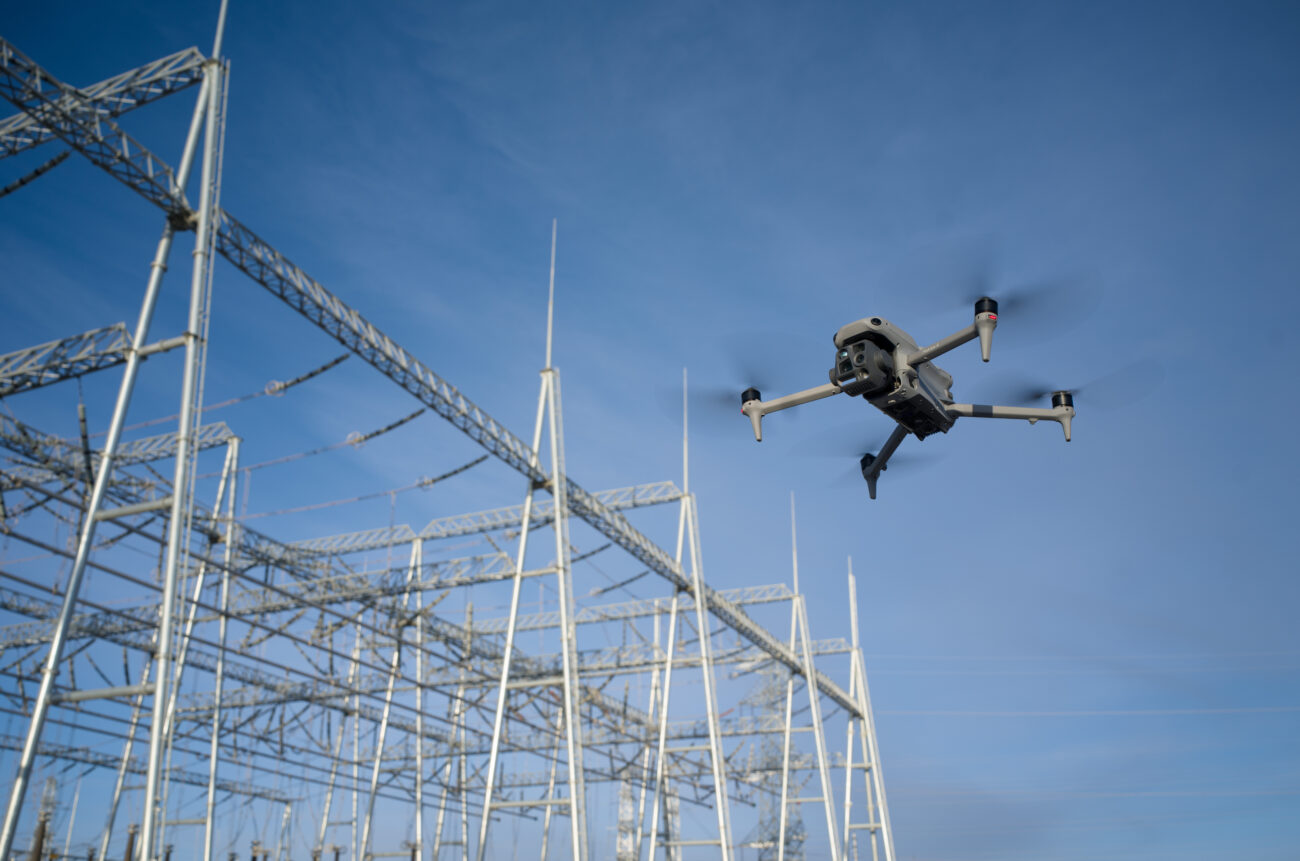
Compare WE-01 and WE-02 for the M4T route, or WE-03 and WE-04 for M400 with H30T. All four approved wind packages contain five flight batteries in total and a one-year Terra Flagship licence. The second member of each pair adds Power 2000.
Ask Irish Drone to align training with a representative image register, coverage check and file handover. If the owner requires a proprietary blade flight system, specialist analysis portal or signed engineering assessment, specify that separate scope. It should be assessed against its own method and deliverables rather than inferred from the aircraft package.
Questions to ask the blade reviewer
Can a surface record confirm internal integrity? Ask the blade specialist which additional examination is needed for the concern. Can the pilot choose severity categories? Agree who applies the owner’s accepted classification and who approves the resulting actions.
What is the most useful first step? Obtain a sample accepted report and the owner’s identifiers. Turn those into a short coverage and handover brief. Use the maintenance handover guide to carry the observations into a recurring programme, and the selection guide to compare the equipment routes.
See the software workflow
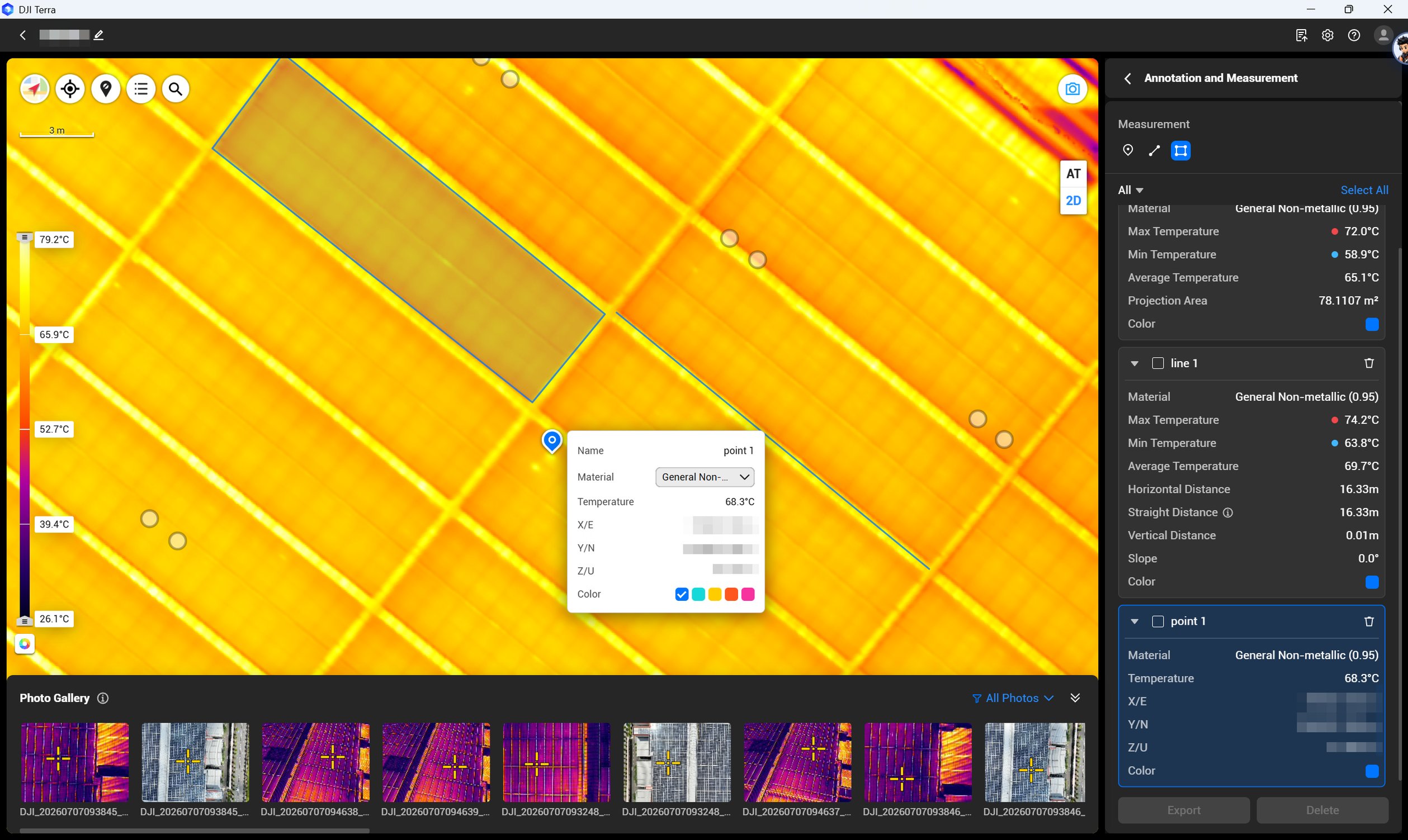
The software image is a manufacturer workflow reference. Check the written licence edition and the supported aircraft, file type and project method before choosing a processing route.
Explore the equipment packages on Irish Drone
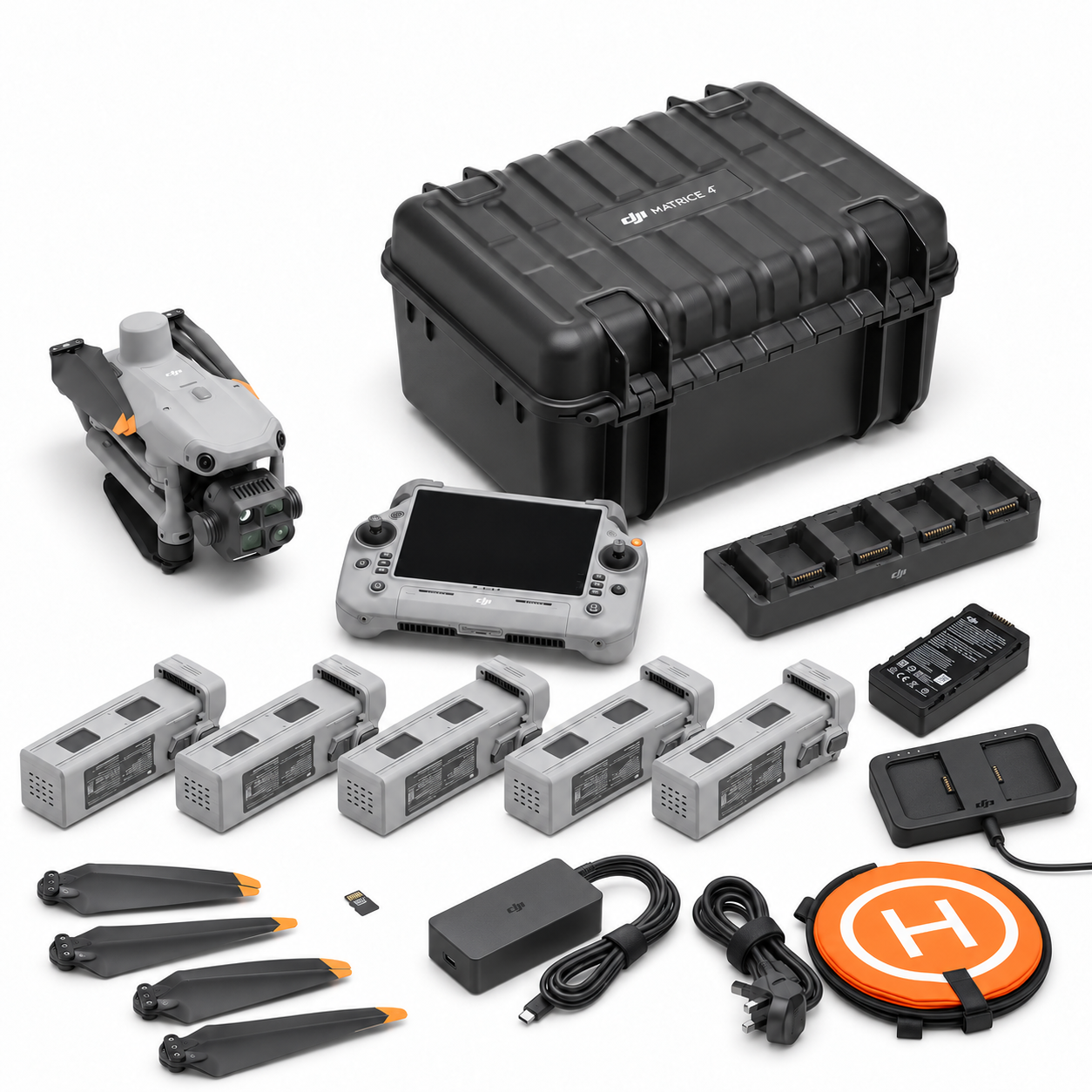


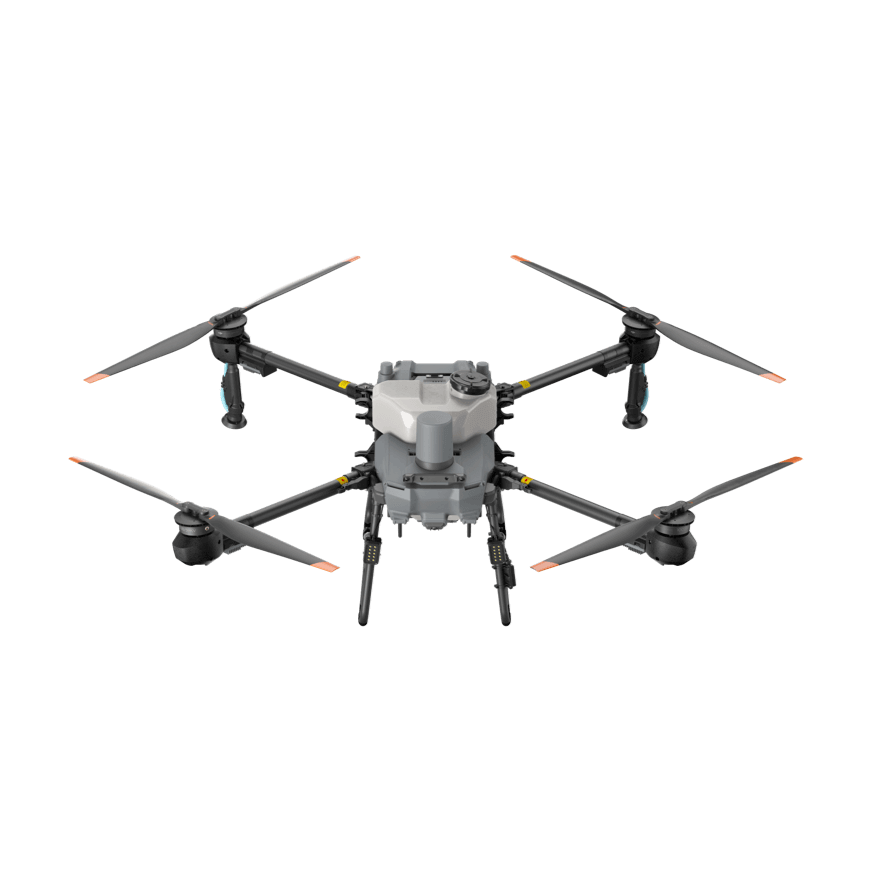
Package illustrations show the listed configurations. Battery quantities are whole-package totals.
Official manuals and setup guidance

Continue with the guide for your work
Documentation and evidence
Sources for the cited guidance
- Sandia: Leading Edge Erosion Classification SystemRead source ↗
Reviewed 3 November 2026.
Compare equipment packages
Explore Wind Farms & Turbines drone packages →
To discuss equipment for wind-turbine blade photography, contact Irish Drone with the required viewpoints, surface records and review process.



Pingback: From Turbine Images to a Repeatable Maintenance Handover
Pingback: Wind Asset Thermography: Specify the Question Before the Thermal Flight
Pingback: Choosing a Wind Turbine Inspection Drone: Evidence, Payload and Review