
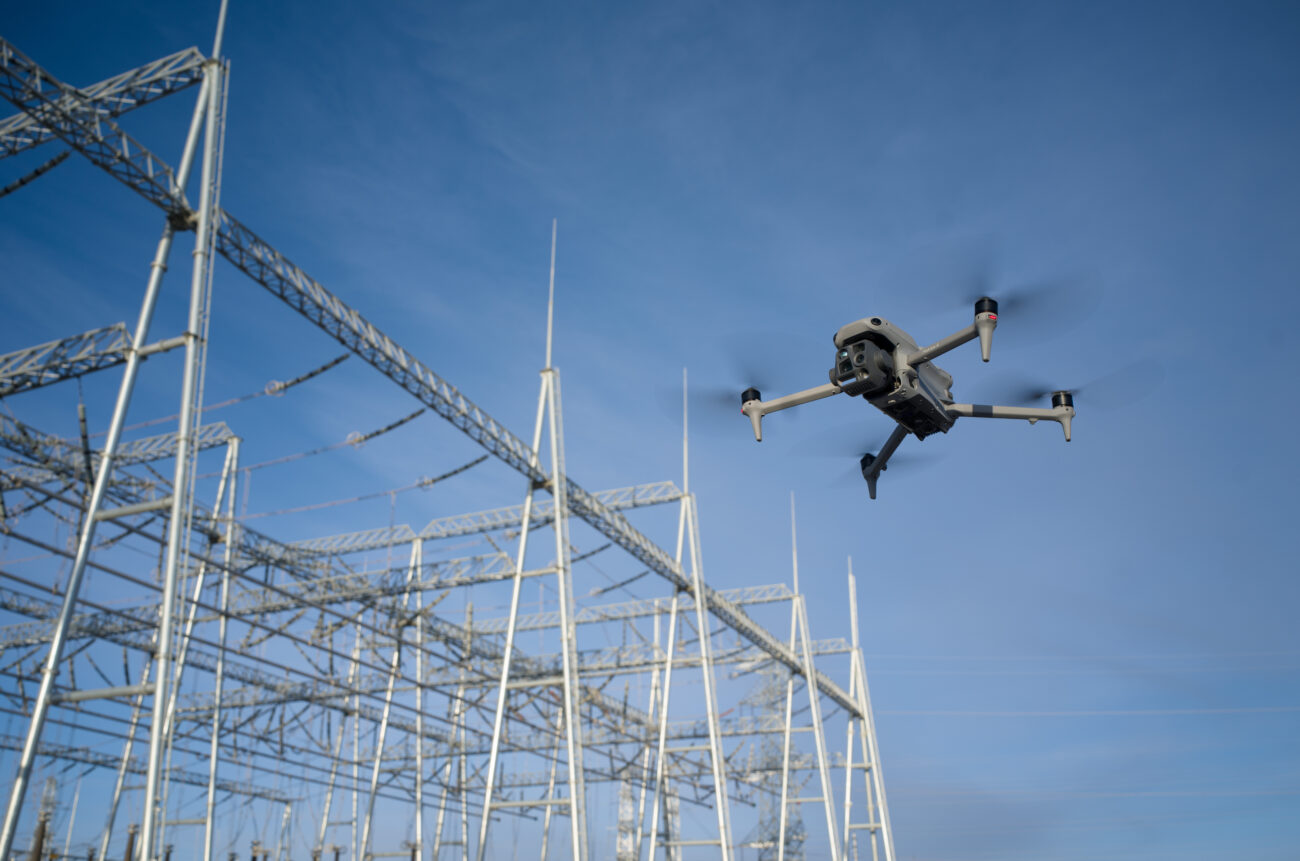
WIND ENERGY INSPECTION · MAINTENANCE HANDOVER
Keep turbine identifiers, exceptions, repair references and review status connected across repeated inspection visits.
Evidence reviewed 3 November 2026 · Ireland
The practical answer
A repeat inspection programme needs stable turbine and blade identifiers, an accepted evidence standard and a way to track open observations. Connect photographs, specialist review and maintenance actions through a clear register, then preserve the context for the next visit.
Start with the owner’s existing maintenance history
Before planning another flight, collect the accepted turbine list, blade identifiers, earlier observations and relevant repair references. Ask the owner which records remain open and which items have changed. Use that history to focus the new commission rather than automatically repeating the last image collection.
Separate recurring coverage from targeted follow-up. A scheduled surface record and a request to revisit one repair can share a visit while keeping different acceptance questions. List the intended decision for each work item, its reviewer and the evidence that reviewer expects. This gives the programme a purpose beyond accumulating photographs.
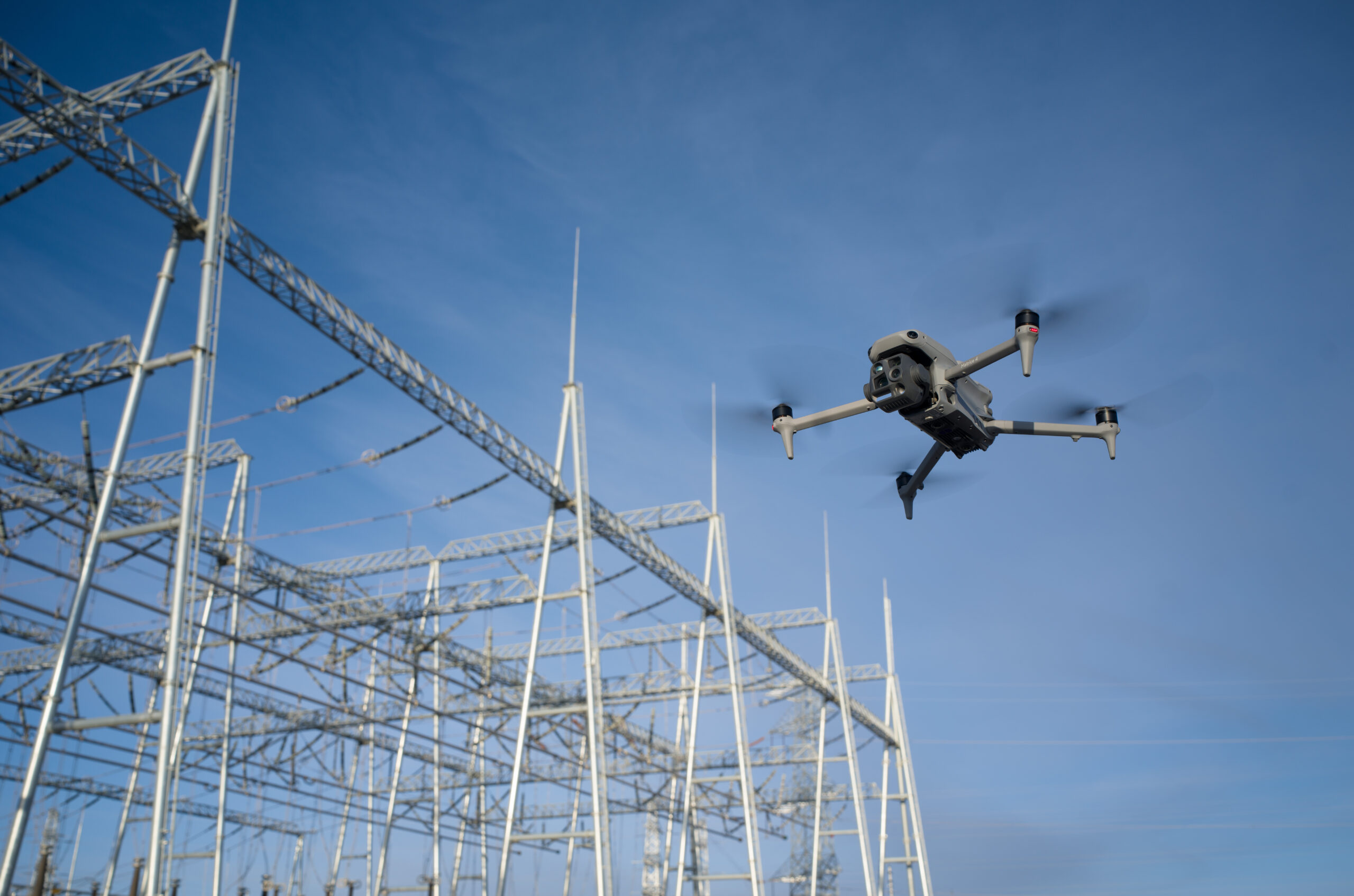
Keep identifiers stable across people and visits
Use the owner’s site, turbine and blade conventions in the register and file index. Where a component is replaced or renamed, retain a cross-reference to the earlier record. Decide who approves an identification change and how that change will be communicated to the inspection team.
Give each observation its own reference, independent of the filename alone. Link that reference to originals, annotated copies, review comments and any maintenance work order. A future team should be able to find the earlier view even if the folder organisation or service provider changes. Test those links as part of the handover.
Agree a modest, useful evidence standard
Create a small accepted example containing an overview, a detail, location information and the reviewer’s expected context. Include an example exception so the team knows how to report an area it cannot observe. Use those examples when briefing a new operator or specialist.
The Met4Wind guide discusses how geometry, texture and lighting affect image-based reconstruction. [1] If a measured model is requested, commission its method and checks separately. A recurring photograph record can still be valuable when its purpose is visual comparison and traceability rather than a dimensional claim.
Separate capture, review and action statuses
Use a capture status to say whether the commissioned evidence is present. Use a review status for the specialist’s interpretation. Use an action status for the owner’s maintenance decision. Keeping these distinct avoids a completed flight being read as a closed engineering issue.
Agree a short set of statuses that the owner’s normal systems can support. Assign a person and a date to each decision. Where the reviewer asks for more information, record precisely what is missing and who will supply it. An understandable open record is more useful than a vague complete label.
Review a small delivery before the campaign ends
Ask the reviewer to check identification, coverage and usability early in the visit programme. Resolve naming and organisation problems before they spread through the whole dataset. Keep an agreed example of any revised handover structure so the capture team and receiving team use the same version.
At completion, reconcile commissioned turbines and components against the delivery. Include deferred items, incomplete views and any agreed change of method. If the owner accepts a partial handover, state the accepted portion and the remaining decision. This helps the maintenance planner schedule follow-up without reopening every image folder.
Connect observations with repair and reinspection
Preserve the original finding when a repair is commissioned. Link the repair reference, date and any specialist acceptance documentation to that finding. The later observation should show what was revisited and who assessed it. Keep engineering closure with the person authorised by the owner.
For comparisons, ask the reviewer whether location, view and available context support the intended conclusion. Record limited comparisons as such. Changes in blade identity, surface treatment or access deserve a note rather than a silent assumption. This allows the owner to interpret a difference between visits using the actual maintenance history.
Deliver an archive the owner can retain
Agree the final register format, original-file transfer and access permissions before the first campaign. Ask the receiving team to open a sample export on its own equipment. Check that links remain usable outside a temporary review account and that original files can be retrieved by observation identifier.
Decide who owns the accepted register, who can change it and how revisions are retained. Define a handover when a contractor or employee leaves. Keep sensitive site information within the owner’s approved sharing arrangements. A tidy archive supports future inspection, but it still needs an appointed person to maintain it.
Use equipment training to test the handover
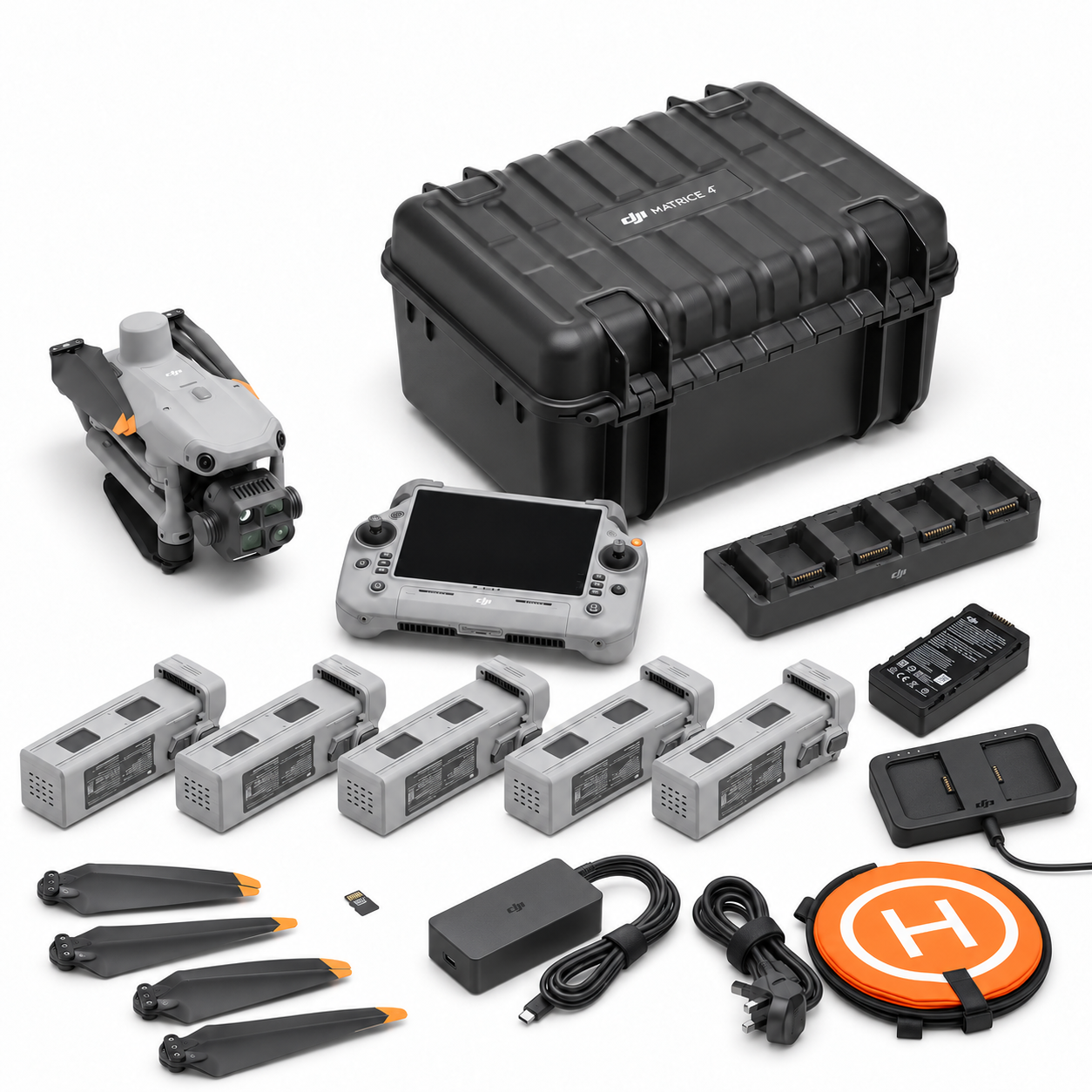
For the M4T route compare WE-01 with the Power 2000 version WE-02. For M400 with H30T compare WE-03 and WE-04. Each wind configuration supplies five flight batteries in total and Terra Flagship for one year.
Ask Irish Drone to make the training exercise follow a representative observation from capture to an indexed handover. Include one accepted item, one deferred view and one request for additional evidence. Use the exercise to allocate roles and identify any specialist software or review service the owner needs separately.
Questions for a recurring programme
How often should a turbine be inspected? Ask the owner and responsible specialists to set the interval using the asset’s maintenance requirements and history. Can a software dashboard close a finding? Agree who makes and records the maintenance decision; the dashboard can carry that decision.
What should the next quotation include? Provide the turbine register, example accepted record, open worklist and required archive format. Use the equipment selection guide to compare the kit and the blade guide to refine surface coverage. Make the next visit answer the open questions.
See the software workflow
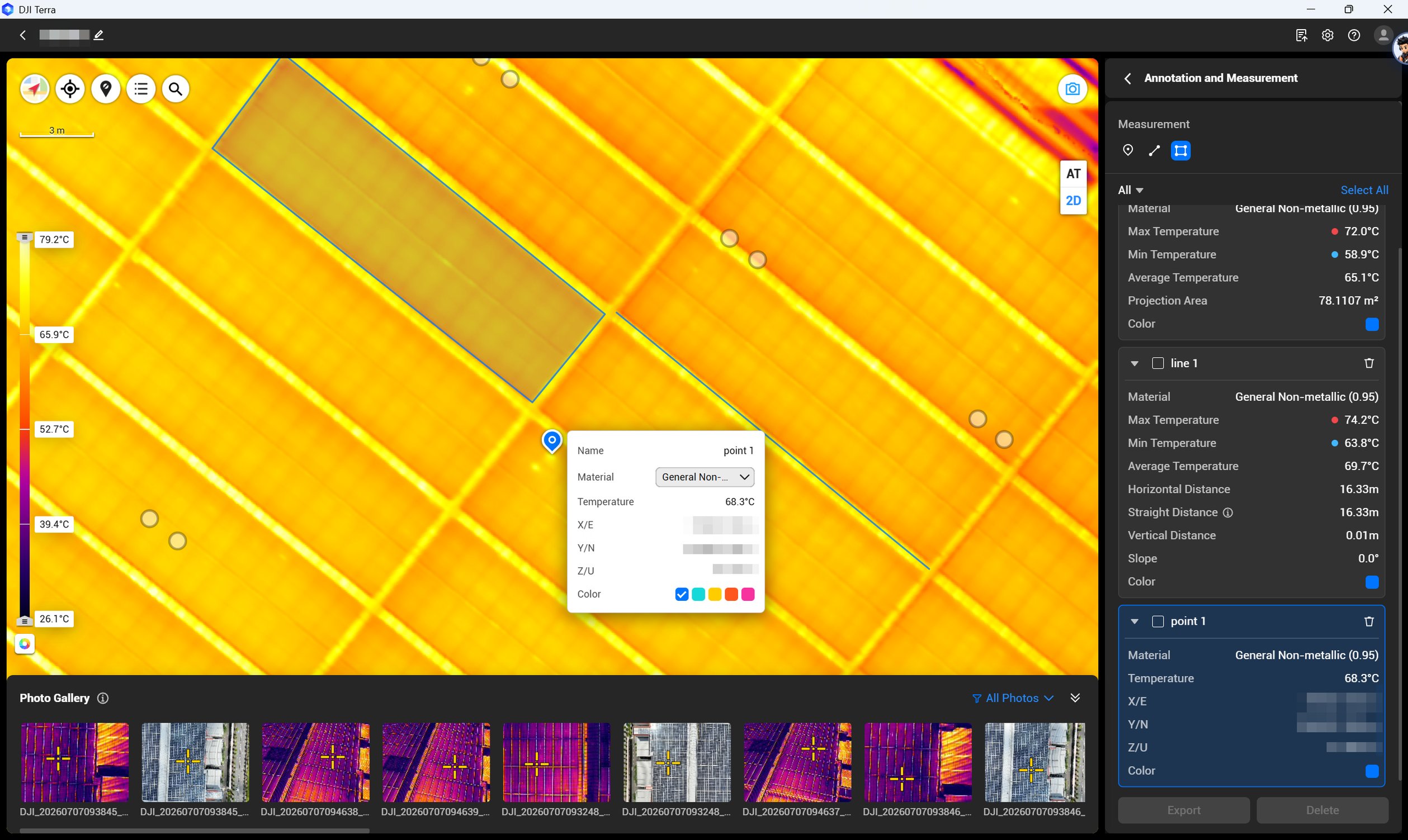
The software image is a manufacturer workflow reference. Check the written licence edition and the supported aircraft, file type and project method before choosing a processing route.
Explore the equipment packages on Irish Drone

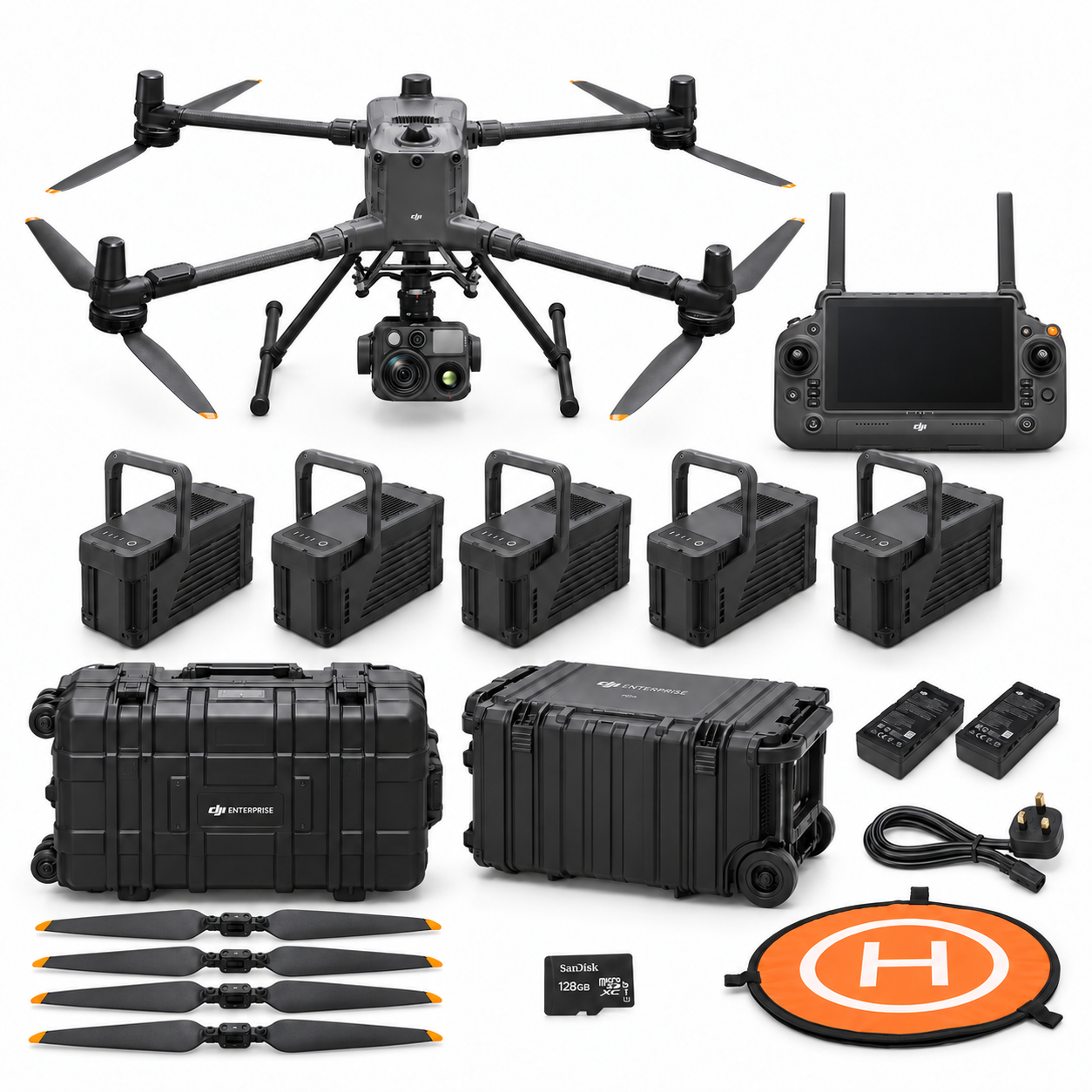

Package illustrations show the listed configurations. Battery quantities are whole-package totals.
Official manuals and setup guidance

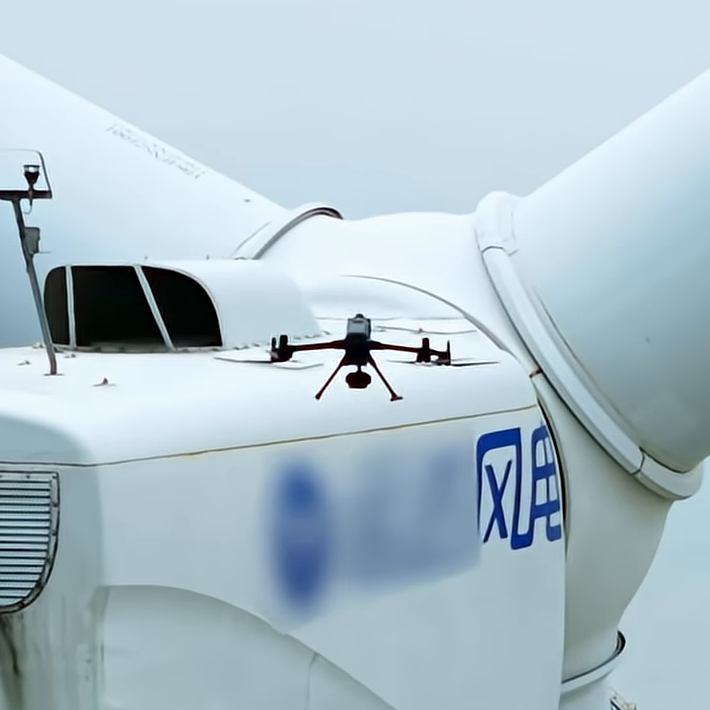
Continue with the guide for your work

Documentation and evidence
Sources for the cited guidance
- Met4Wind: Good practice guide for blade-wear imagingRead source ↗
Reviewed 3 November 2026.
Compare equipment packages
Explore Wind Farms & Turbines drone packages →
To discuss equipment for wind-maintenance records, contact Irish Drone with the existing asset history and capture-to-review handover needs.




Pingback: Wind Turbine Blade Photographs: A Traceable Surface Inspection Record
Pingback: Choosing a Wind Turbine Inspection Drone: Evidence, Payload and Review
Pingback: Wind Asset Thermography: Specify the Question Before the Thermal Flight