

WIND ENERGY INSPECTION · WIND THERMAL OBSERVATIONS
Plan target surfaces, original-file capture and operating context with the thermographer before selecting a wind thermal kit.
Evidence reviewed 3 November 2026 · Ireland
The practical answer
Use wind-asset thermography for a defined thermal question with an agreed capture method and qualified interpretation. Preserve original thermal files, visible context and operating notes. A general thermal flight is different from a validated internal blade examination or an accepted maintenance decision.
Name the component and the decision
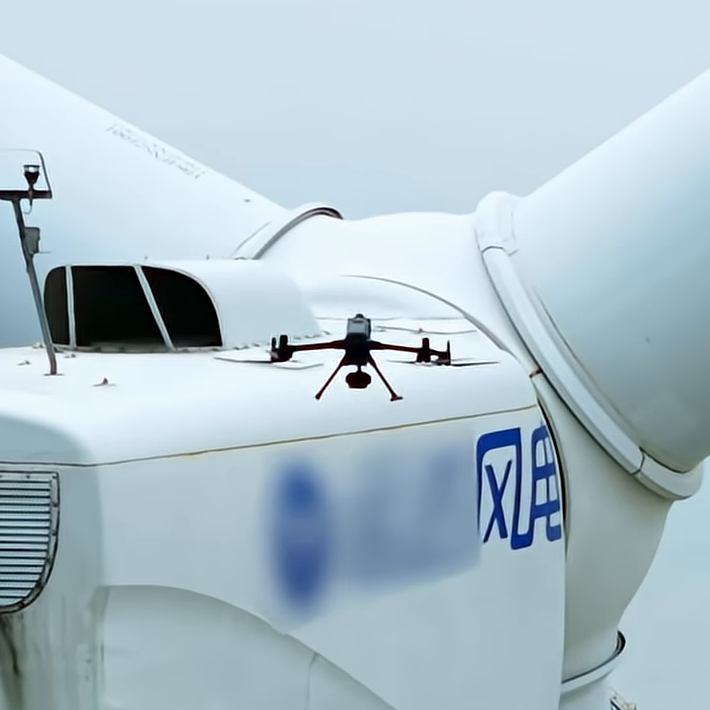
An enquiry about a nacelle exterior, a tower-associated electrical asset and a blade material concern should begin with separate briefs. Ask the responsible specialist what they need to observe and whether the target surface can answer the question. The aircraft then becomes the means of collecting the specified evidence.
Write the decision in ordinary language: whether another inspection should be arranged, whether a previous observation can be compared, or which location requires attention. Identify the person who will interpret the files and the information that person needs from the owner. This makes the thermal visit part of the maintenance process rather than a stand-alone colour-image exercise.
Separate surface viewing from specialist blade examination
The AIRTuB literature review treats internal and external blade examination as distinct inspection problems. [1] A concern about hidden laminate or bonding condition should therefore go to the blade specialist for a specified method, rather than being added casually to a general aerial thermal brief.
Ask the specialist to explain the evidence needed, the conditions under which it can be collected and the basis for the interpretation. If another sensor, access method or controlled examination is required, put it on a separate scope. The general thermal kit can remain useful for suitable observations without being presented as every inspection method at once.
Agree the capture mode and retain originals
H30T High-Res mode does not support temperature measurement. [2] Where a numerical temperature observation is required, confirm a suitable mode with the thermographer and check an original sample file before extending the capture sequence.
Specify the original thermal files and their companion visible views in the handover. Keep annotated images as additional review copies. Ask how timestamps, asset identity and settings will remain traceable after export. This helps the next reviewer understand what was collected, rather than treating a screenshot or colour scale as the whole measurement record.
Document the conditions that matter to the reviewer
Reflective surfaces and surface emissivity affect thermal interpretation. [3] Ask the reviewer which target information and environmental context they require for the actual asset. Let that answer shape the capture sheet and the decision to proceed, defer or use another method.
Record the relevant operating state through the owner’s nominated contact. A comparison between visits should state whether the observations were made under conditions the reviewer considers comparable. Preserve changes such as replaced covers, fresh coatings or altered equipment with the record. Useful context can be a short owner-supplied note linked to the original file.
Use a short, repeatable observation sequence
Begin with an overview that identifies the turbine or associated asset. Record the specific component, visible context and thermal observation. Check that the intended target is actually represented before moving on. Use a clear exception status for a target that is obscured, unavailable or unsuitable for the planned observation.
After transfer, reconcile file references with the asset sheet. Give a small sample to the reviewer early enough to correct missing context or organisation. Ask for recapture requests to state what evidence is missing and whether the approved method can obtain it. This creates an actionable exchange instead of a vague request for a better thermal picture.
Choose processing for the review task
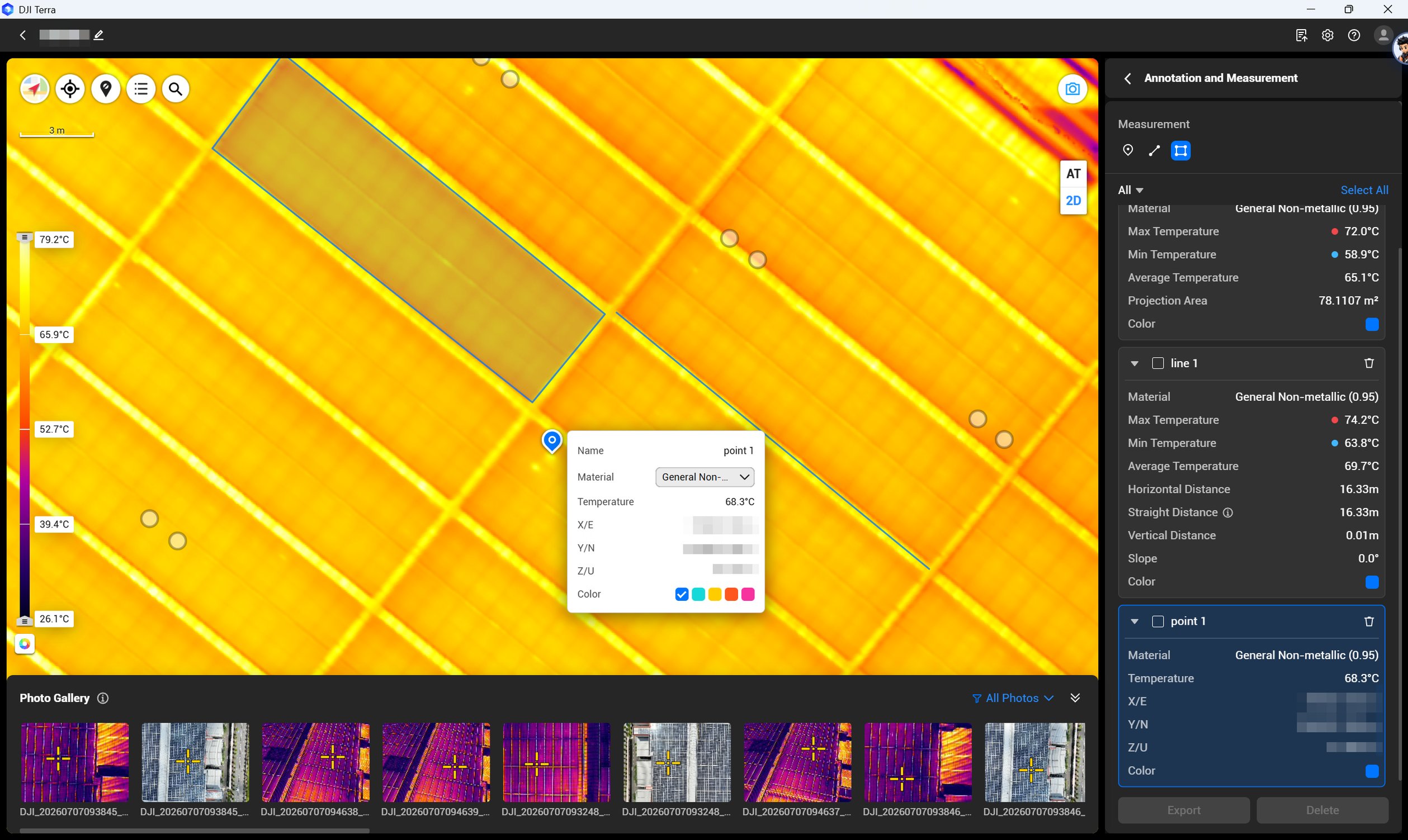
The included Terra Flagship licence can form part of an agreed processing workflow. Ask the provider to demonstrate the proposed output with representative files and explain why it helps this task. An indexed component observation may be more useful than a reconstructed map for a particular maintenance question.
Keep the software output, thermal interpretation and maintenance decision as separate responsibilities. If the owner requests a specialised blade-analysis platform or an engineering report, identify its provider and scope explicitly. Review the final output with the person who will use it before committing the campaign to a processing method.
A practical acceptance example
Suppose an owner wants a repeat record of a particular external housing. The acceptance exercise could require its identifier, a visible overview, the original thermal file, the relevant operating note and a reviewer comment on whether the comparison is meaningful. An unavailable view would remain an open exception.
The team can test whether those elements survive transfer and export on the customer’s normal workstation. If the observation cannot answer the question, the useful outcome is a changed inspection scope or a documented follow-up. This example defines a reviewable record without assigning a fault or a repair from the image alone.
Choose between the two approved thermal routes
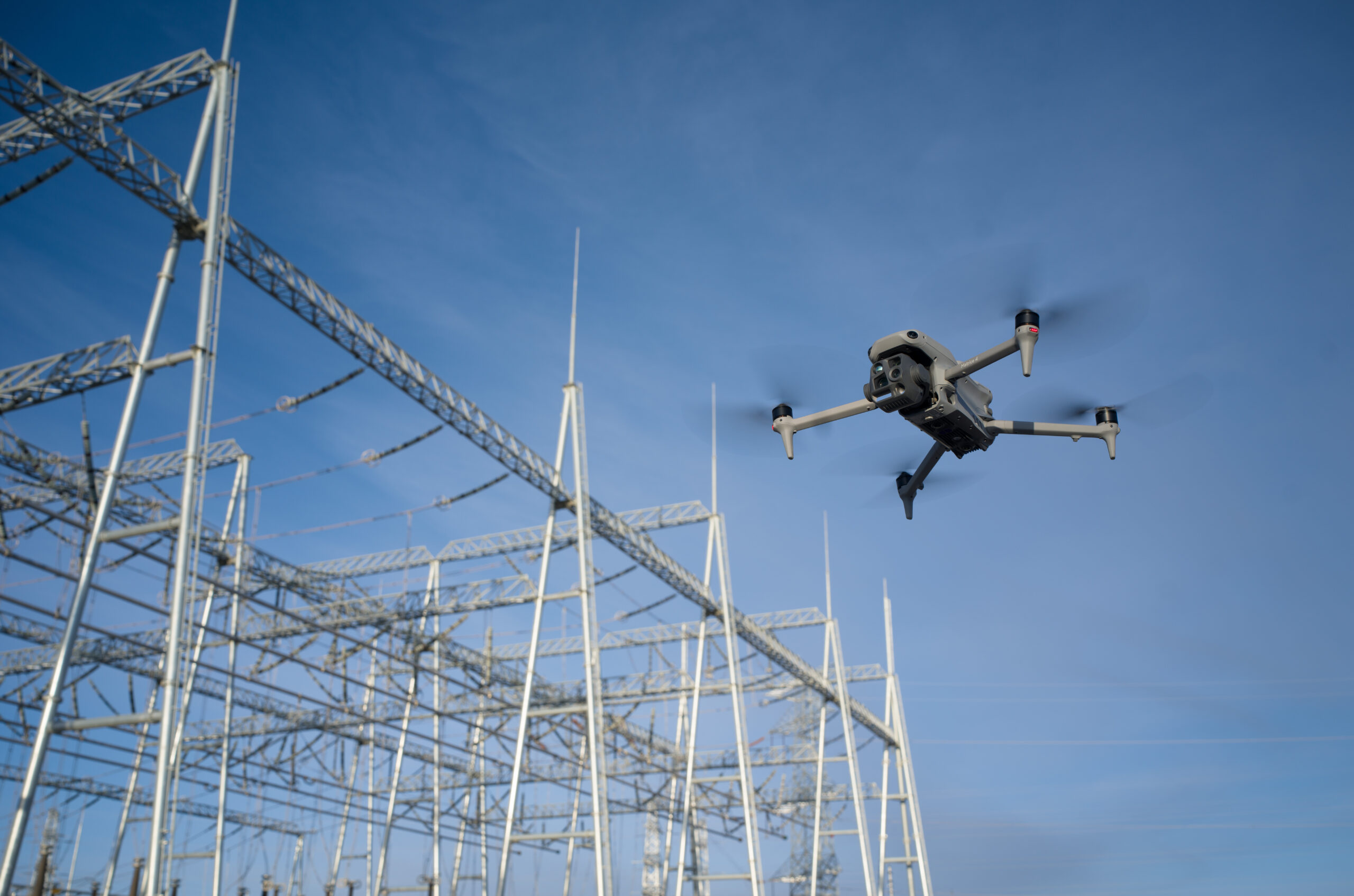
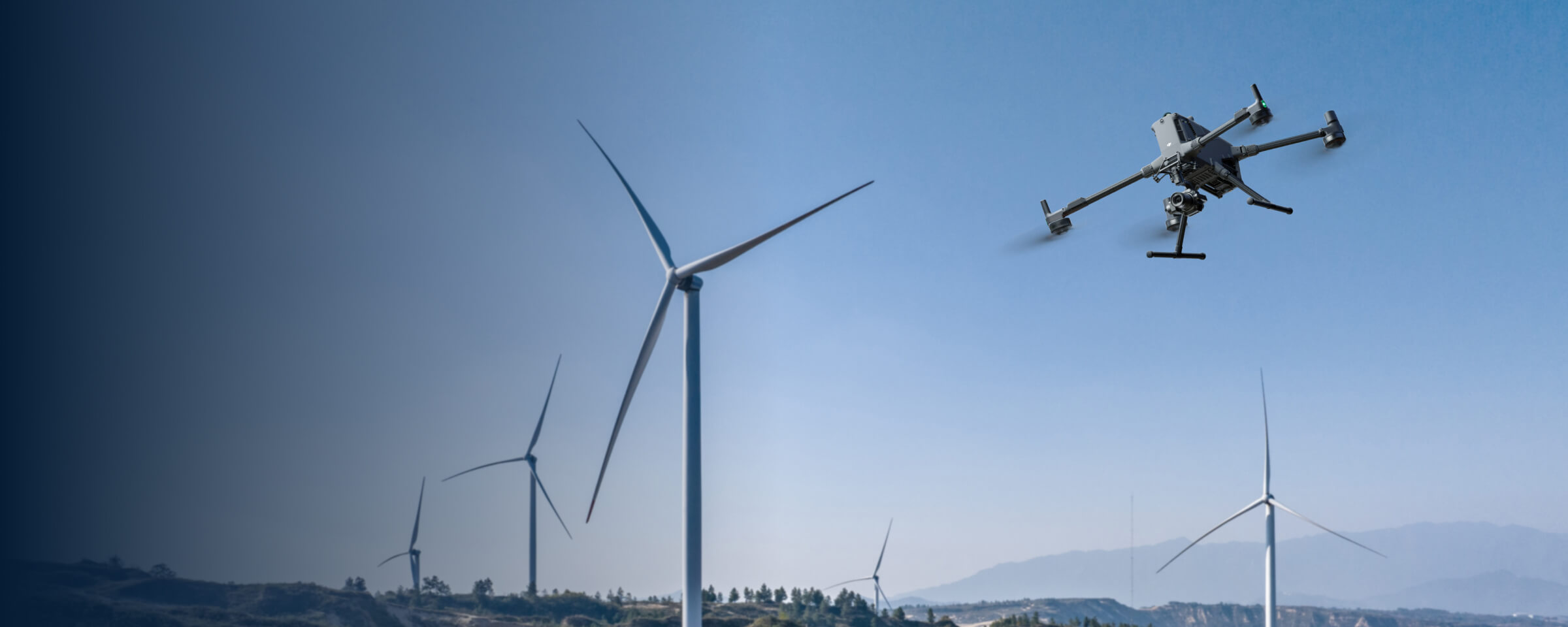
WE-01 and WE-02 use M4T; WE-03 and WE-04 use M400 with H30T. Each has five flight batteries in total and Terra Flagship for one year. WE-02 and WE-04 add DJI Power 2000 to their corresponding core packages.
Send Irish Drone the target component, intended output, site coordination requirements and the reviewer’s acceptance example. Ask for training to include original-file handling and the observation register. Use the blade surface guide for visible coverage and the handover guide to connect observations with future maintenance.
Questions for the responsible specialist
Can a hot or cold pattern identify a fault? The specialist must decide what interpretation the evidence supports and which follow-up is needed. Can a previous visit be compared automatically? Agree comparability and account for asset and condition changes first.
What should be accepted at handover? Accept a traceable dataset, a clear coverage statement and the commissioned review output. Keep unresolved interpretation and maintenance actions visible with an owner. That gives the asset team a usable record even where further examination is the correct next step.
Explore the equipment packages on Irish Drone
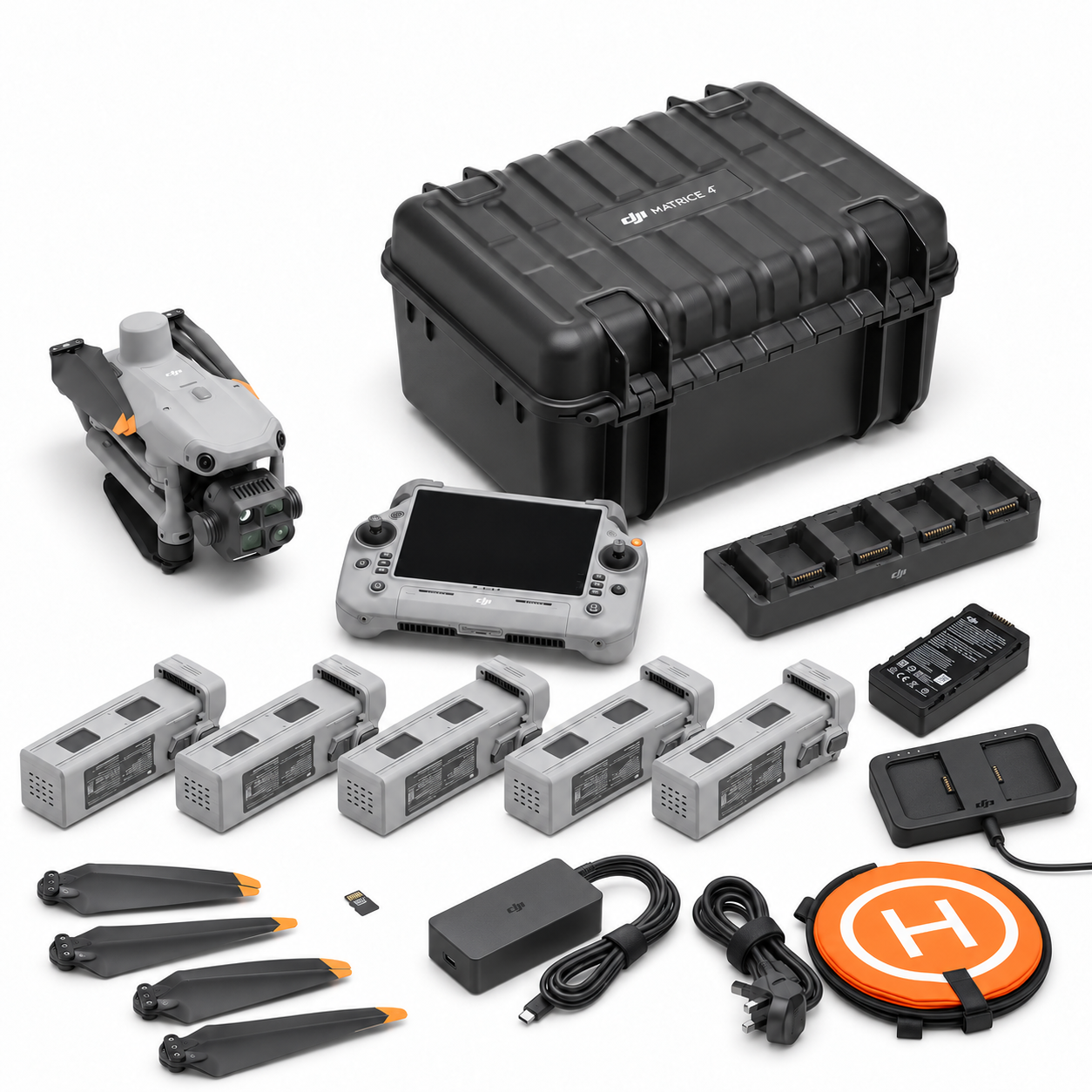

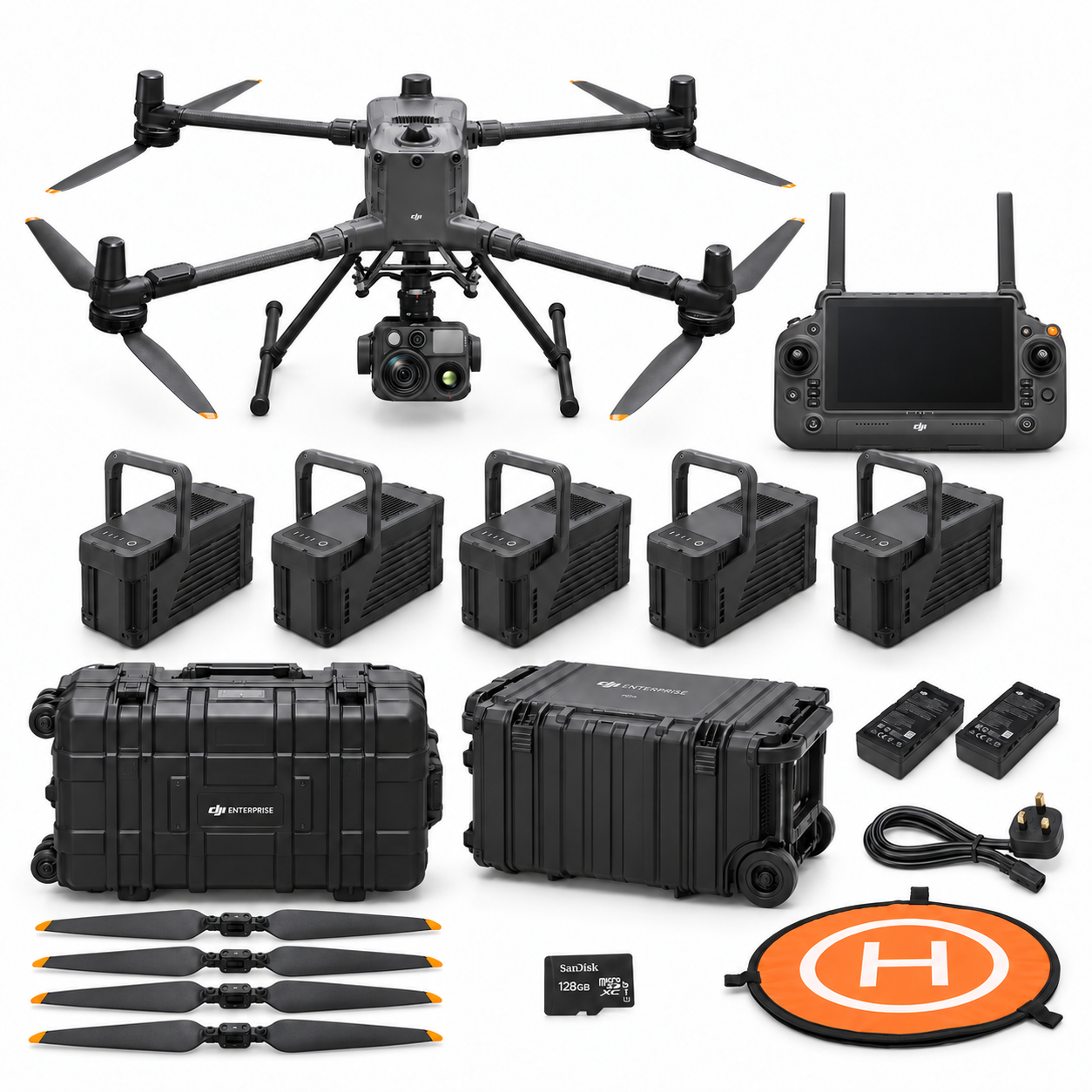

Package illustrations show the listed configurations. Battery quantities are whole-package totals.
Official manuals and setup guidance

Continue with the guide for your work
Documentation and evidence
Sources for the cited guidance
- NLR: AIRTuB literature surveyRead source ↗
Reviewed 3 November 2026.
- DJI Zenmuse H30 Series FAQRead source ↗
Reviewed 3 November 2026.
- NPL: What is emissivity and why is it important?Read source ↗
Reviewed 3 November 2026.
Compare equipment packages
Explore Wind Farms & Turbines drone packages →
To discuss equipment for wind-asset thermal observation, contact Irish Drone with the component, operating context and specialist review requirements.



Pingback: Wind Turbine Blade Photographs: A Traceable Surface Inspection Record
Pingback: From Turbine Images to a Repeatable Maintenance Handover
Pingback: Choosing a Wind Turbine Inspection Drone: Evidence, Payload and Review