
FORESTRY & TREE CARE · TREE-CARE FOLLOW-UP
Give a forester or arborist an organised aerial observation record, while keeping diagnosis, tree safety and treatment decisions separate.
Evidence reviewed 3 November 2026 · Ireland
The practical answer
Show the reviewer what was observed, where it was seen and what remains unclear. Keep original files and arrange ground follow-up. Crown photographs or mapped patterns do not establish disease, structural safety or the appropriate intervention.
Agree what the reviewer needs
An owner concerned about a tree often wants a definite answer quickly. A responsible brief first asks what information a forester or arborist would use, and whether imagery from an appropriate position can contribute. The output may be a concern register rather than a formal inspection report.
Identify the subject, location, concern and recent changes known to the owner. Ask which views help the reviewer decide the next step. If an urgent hazard is already suspected, use the appropriate professional or emergency route instead of waiting for a drone exercise. The aircraft should not become a reason to postpone necessary action or create additional exposure around a tree.
Describe appearance without naming a cause
Teagasc’s ash-dieback guide describes several symptom types, rather than only an altered crown. [1] Aerial photography may contribute a view, but the record must not turn that view into a diagnosis. Describe what is visible and preserve the context for the professional reviewer.
“Sparser upper crown than in the previous photograph” is an observation to investigate. A confirmed disease finding or removal recommendation is a different conclusion. Keep the source of any existing diagnosis clear: who made it, when and on what basis. Never allow a label added during processing to silently replace the professional assessment or imply that a particular intervention has been authorised.
Show what could not be observed
A crown can appear well documented while important portions are hidden or outside the coverage. Define the views attempted and identify observations that remain unresolved. Do not fill gaps with confident labels simply to complete a report. Explain whether the missing information matters to the question being asked.
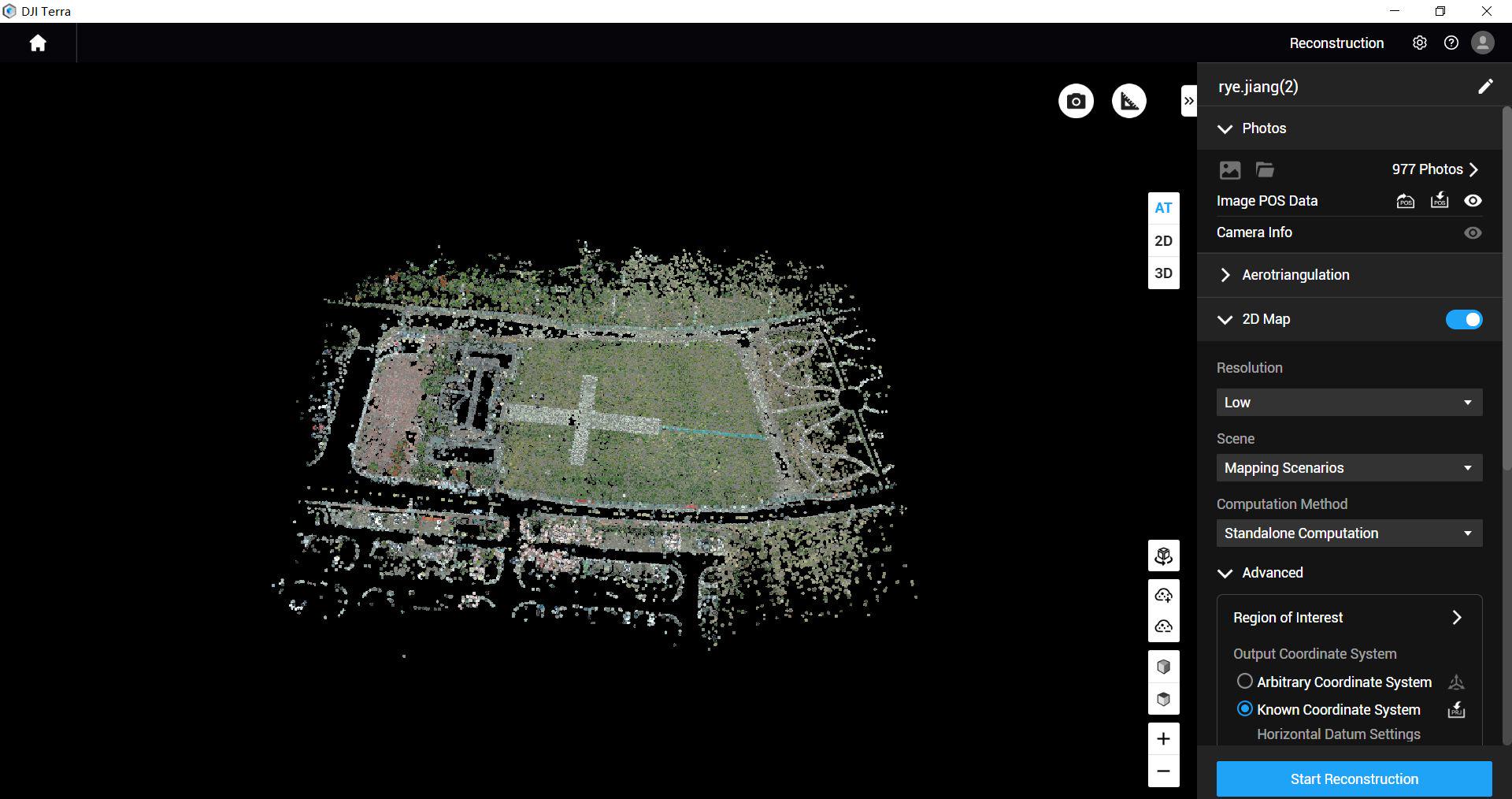
An open-grown-tree study reports reconstruction difficulties with slender outer structure. [2] A complete-looking model is therefore not a substitute for checking what is represented. Ask the reviewer whether the view is sufficient. If it is not, record the need for another appropriate assessment rather than improvising a closer or more intrusive flight to force a result.
Make the concern traceable
Use a stable tree or block identifier, an overview and the relevant closer image. Add the date, original file name and a concise concern description. Distinguish the person capturing the photograph from the person interpreting it. Keep reference photographs even when they look ordinary, because they help establish which subject was being discussed.
A practical register connects observation, evidence, uncertainty, requested follow-up and status. Preserve the first note after review so the reasoning remains visible. Join several views of the same concern rather than creating duplicate tasks. Check that the recipient can locate the subject without relying on the photographer’s memory or on a link to a temporary viewing session.
Prepare the visit around people and access
Discuss the operating area with the manager. Trees may stand beside roads, footpaths, buildings or active work, where a quiet photograph does not describe all the constraints. Keep the aircraft operation and professional tree assessment within their agreed responsibilities. A person looking at the image cannot see every change happening around the site.
Use current official guidance for the actual Irish operation and the shared planning resources. Purchasing equipment does not grant permissions or authorise interventions. Decide how ground staff report changed conditions, where the team can stop and who determines whether the task remains appropriate. Avoid an enquiry that mixes site management, aircraft supply and professional advice into one undefined service.
Send an organised question
Provide a short handover instead of an unlabelled image dump. Explain why the tree was recorded, list unresolved questions and separate the current visit from older material. Ask the reviewer to state whether more information is needed and preserve that response with the record.
Connect the follow-up decision to the reviewer and date. If another inspection takes place, keep its finding alongside the earlier observation without rewriting history. The owner can then distinguish reviewed concerns, deferred matters and unobserved areas. The value of the aerial record is the clarity it brings to the process; it does not depend on suggesting that the aircraft made the final decision.
Use the confirmed supply configuration
FO-01 provides Matrice 4E, five total flight batteries and the stated annual Terra Standard licence for Matrice 4E/4D data. FO-03 adds Power 2000. FO-02 supplies Mavic 3 Multispectral, four total batteries and no processing licence. Choose with the reviewer rather than assuming more data always improves a care decision.
Training and dataset-quality reviews concern the agreed capture workflow. They are not arboricultural qualifications, on-site inspections or signed safety assessments. Identify professional assessment and additional processing separately. Keep the exact FO-01, FO-02 and FO-03 contents available when discussing the enquiry, so an illustration does not expand the written supply scope.
Questions about concern records
Can the image prove a tree is safe? No safety certification is supplied; agree an appropriate professional assessment. Can I order a disease map? Define whether that means observations, reviewed classifications or confirmed diagnoses before discussing delivery.
Will a model show every branch? Validate the part relevant to the question and retain missing coverage. How do we proceed? Send the reviewer requirements to Irish Drone. Use the repeat-record guide for a series of visits, the establishment guide for young planting, and the selection guide when choosing the equipment route.
Explore the equipment packages on Irish Drone

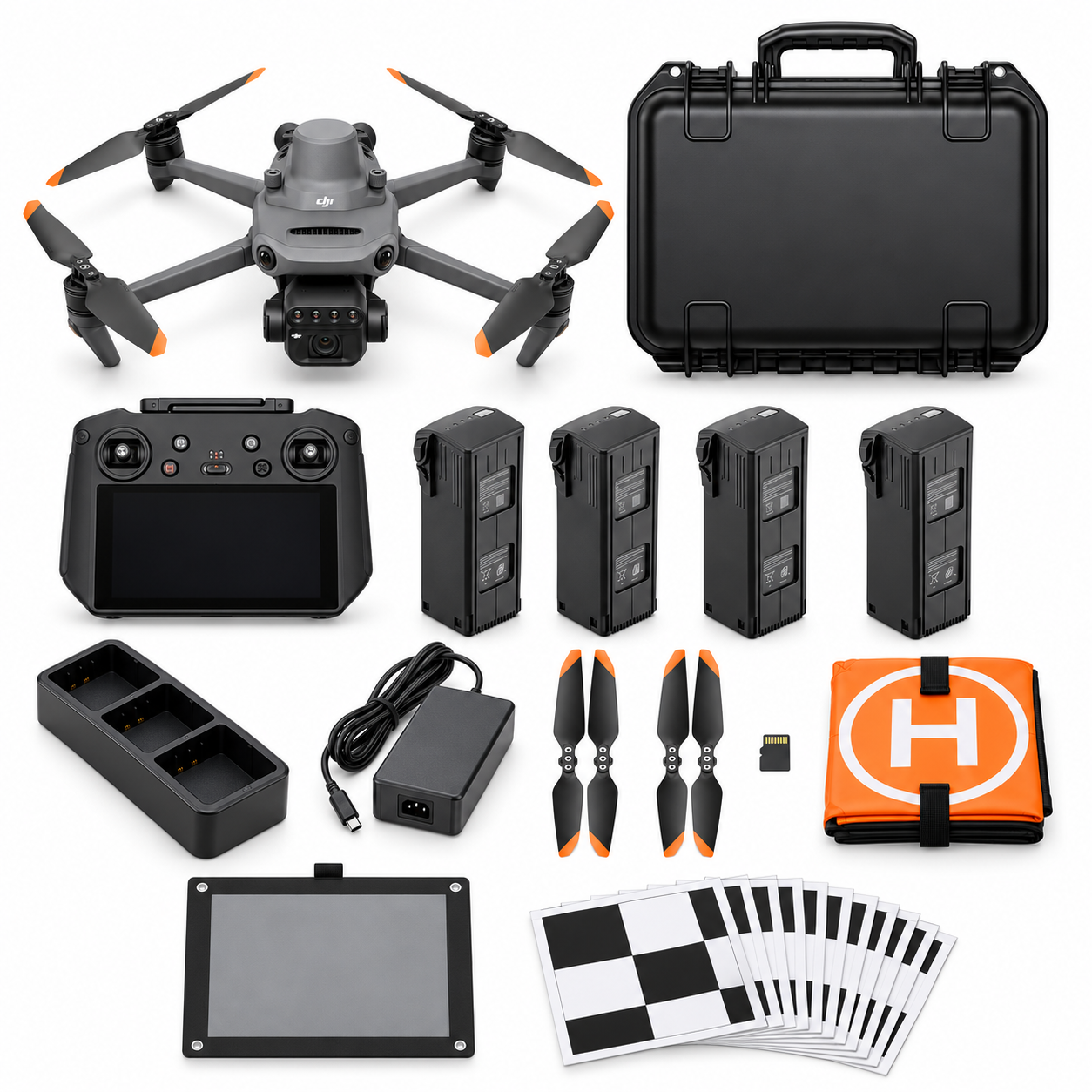
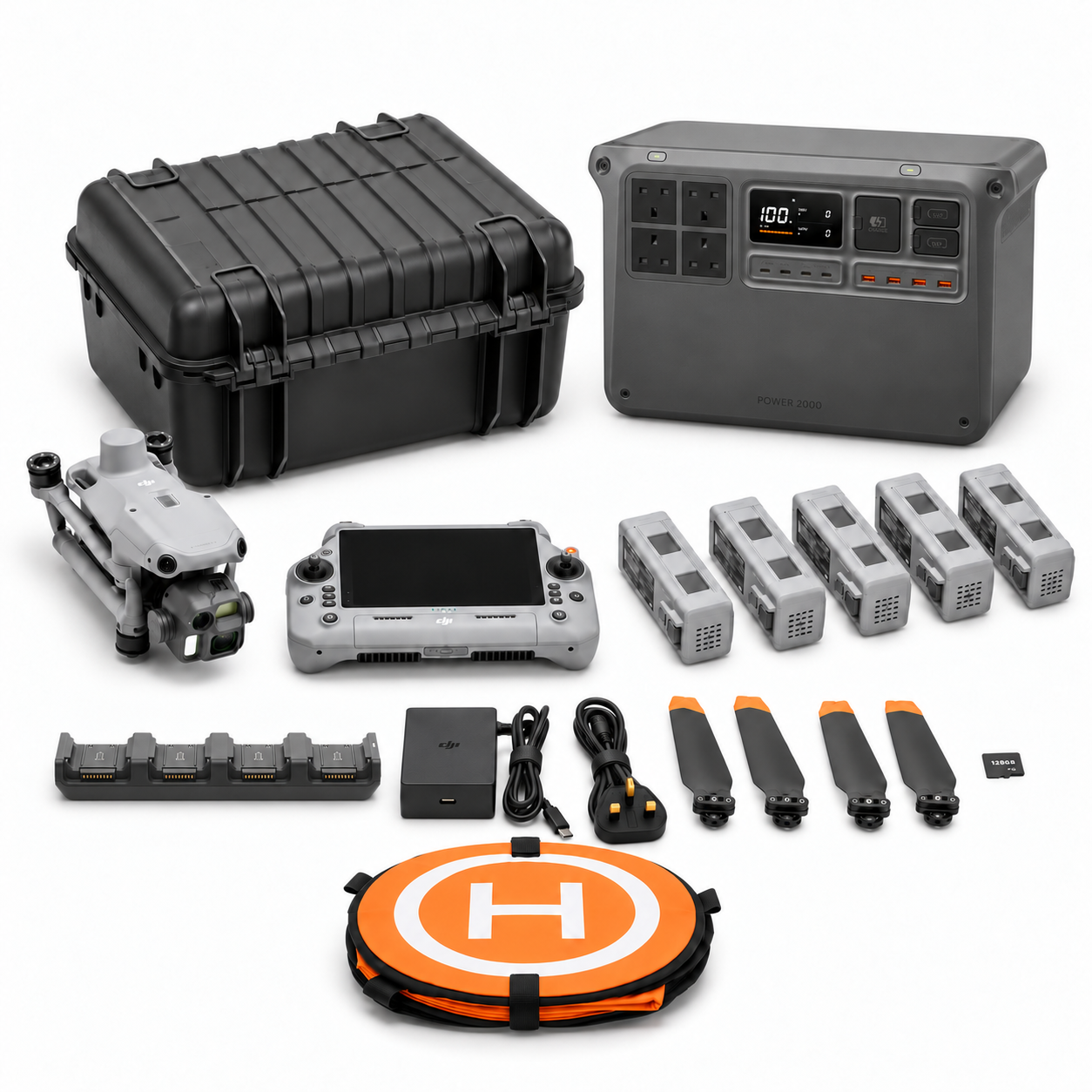
Package illustrations show the listed configurations. Battery quantities are whole-package totals.
Official manuals and setup guidance

Continue with the guide for your work

Documentation and evidence
Sources for the cited guidance
- Irish tree-health observationsRead source ↗
Reviewed 3 November 2026.
- Individual-tree modelling studyRead source ↗
Reviewed 3 November 2026.


Pingback: Repeat Drone Tree Records | Irish Drone