
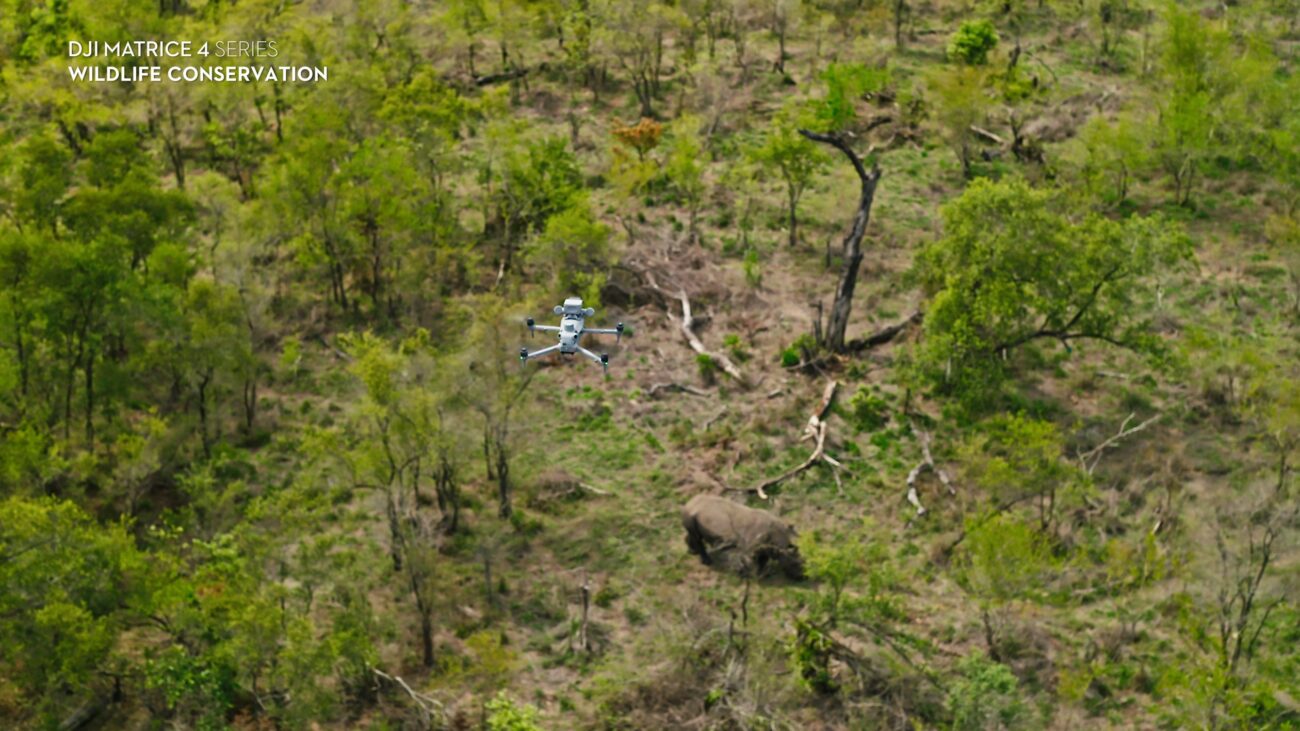
WILDLIFE MONITORING · THERMAL SEARCH PLANNING
Define coverage, uncertain sightings and verification before using a thermal drone to look for wildlife at an assessed site.
Evidence reviewed 3 November 2026 · Ireland
The practical answer
A thermal signature is a lead to review. Plan the area, records and verification method before launch, and keep obscured or inconclusive places visible in the report. A search that produces no confirmed sighting does not prove an animal is absent.
Write the search question clearly
Begin with the species context and the purpose of looking. Is the team checking a possible location, creating records for a conservation adviser or responding to information from a land manager? Decide what a useful observation would look like and who can confirm it.
Keep the search distinct from handling or recovery. Locating a possible animal does not authorise approaching, capturing or moving it. Agree the appropriate follow-up route with the responsible organisation, and avoid a task brief that leaves this decision to the person watching a live camera feed. No wildlife handling procedure is provided by this equipment guide.
Record attempted and unobserved areas
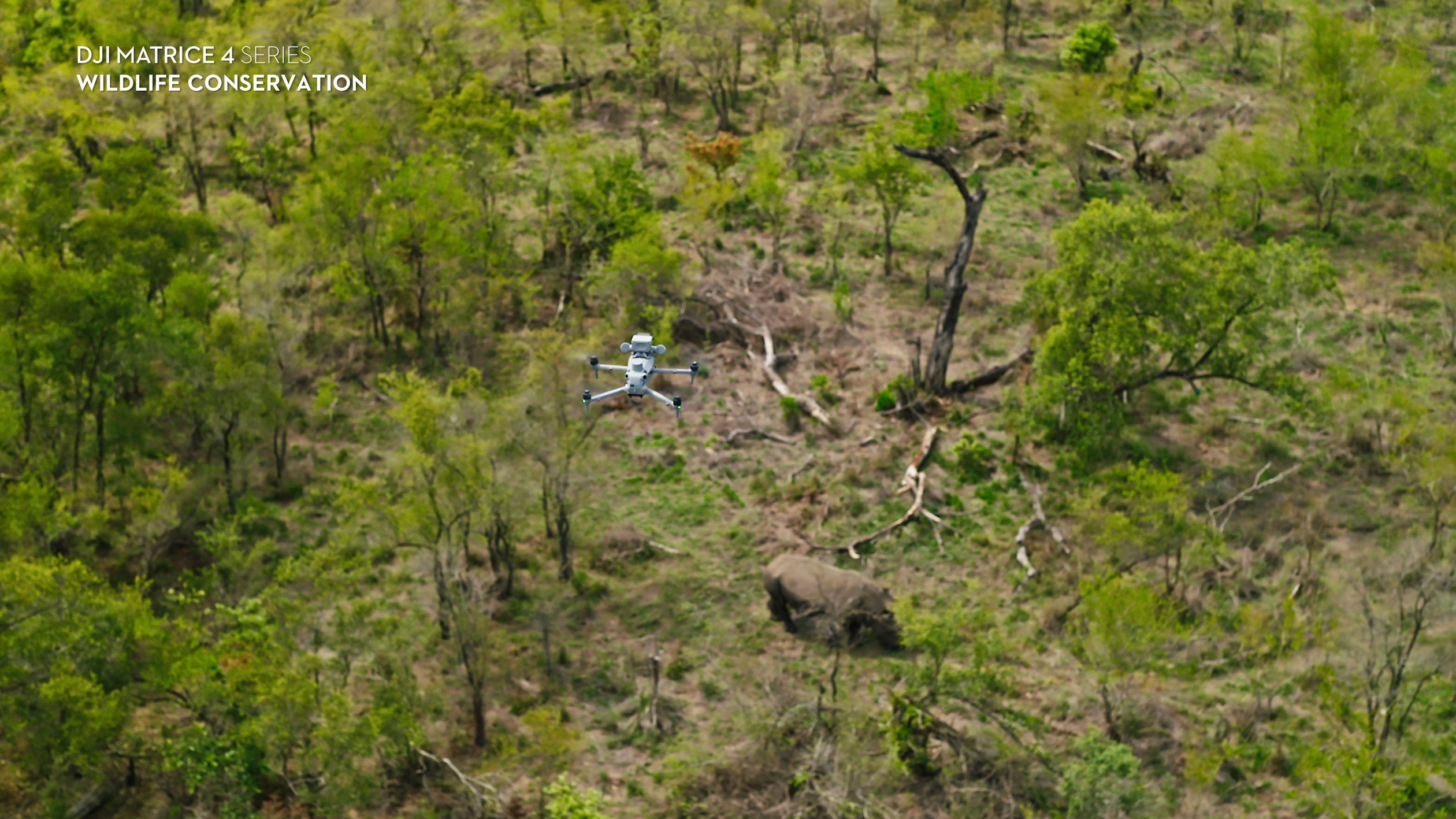
Divide the agreed area into practical location references that the reviewer can understand. Record what was attempted, what was seen and what could not be assessed. A neat boundary on an overview map is not proof that everything inside it was observable.
Include the reason for any gap, such as an obstructed view, an interrupted task or imagery unsuitable for interpretation. Keep that information attached to the result. It lets a competent reviewer decide whether another appropriate method is needed. Avoid converting incomplete records into a claim that the search area has been cleared, particularly when the initial question concerns a concealed or difficult-to-identify animal.
Test the scene rather than a promise
Original thermal-observation research identifies warm backgrounds and vegetation as sources of missed or confused observations. [1] Use that evidence to justify a site trial, not to prescribe one universal time, height or speed for every animal and habitat.
Ask the reviewer to compare a known subject or independently established observation with the imagery where this can be done appropriately. The task should reveal whether the intended feature is distinguishable. Preserve ambiguous examples and avoid changing the interpretation just because a different colour palette makes a spot look more convincing. The record needs a reason for its conclusion, not simply a visually dramatic frame.
Decide how a possible sighting becomes a confirmed record
Create a short description of a candidate observation and retain the original file. Add a location reference, time and confidence category agreed with the reviewer. If an identity cannot be resolved, label it accordingly rather than forcing a species name.
A university field study used independent animal-location information to examine detection probability. [2] The principle for a project brief is to arrange suitable independent checks, not to borrow the study’s correction factors or results. No animal should be disturbed merely to make a camera demonstration easier. Verification must remain compatible with the site’s ecological conditions and the responsible organisation’s plan.
Keep observation and flying responsibilities clear
Discuss the team’s roles before the task. Someone concentrating on an image should not leave aircraft operation, changing site conditions or animal response unattended. Agree how a possible sighting is communicated and what happens when the task needs to stop.
Choose a shared location-reference method that both the field team and reviewer can use. A marker without context may lead to the wrong place or an inappropriate follow-up. Keep the observation’s age visible, because a record is evidence of what was seen at that time. It should not be presented later as a live location or a guarantee that the animal remained there.
Review unsuccessful searches as carefully as sightings
A useful search record includes its limits. Save a concise account of conditions, attempted coverage, unclear frames and decisions to stop. Keep unsuccessful examples in the review, particularly if the equipment is being evaluated for future work.
Ask whether the record can support the original question. If not, say what remains unresolved. This is preferable to turning the absence of a confirmed sighting into a positive finding. A repeat search should have a reason and an assessment of disturbance, rather than a routine assumption that flying the same area again will remove uncertainty or make the result statistically stronger.
Choose the field configuration around the job
WL-01 supplies Matrice 4T with five total flight batteries; WL-03 adds DJI Power 2000. Both include the specified charging equipment, six hours of application training for up to four people, six months of introductory email support and one dataset-quality review by agreement. No processing-software licence is included.
Use the review to discuss the agreed capture dataset, not to imply professional ecological certification or guaranteed search success. Plan transport, storage and charging around the actual team. Portable power does not promise continuous coverage. If a standalone M4TD configuration is more appropriate to the team’s requirements, compare it in the selection guide rather than silently substituting equipment.
Questions about search evidence
Can it see through a hedge? Do not assume concealed animals are visible; retain obscured areas as unresolved. Does a heat signature identify the species? Record it as a candidate until appropriately verified. Does no sighting mean no animal? No: the observation limits remain relevant.
What should we ask before purchasing? Define the site, intended subject, reviewer and verification route. Compare WL-01 and WL-03, or discuss a scoped observation trial. For recurring work, continue to repeat wildlife records.
Explore the equipment packages on Irish Drone
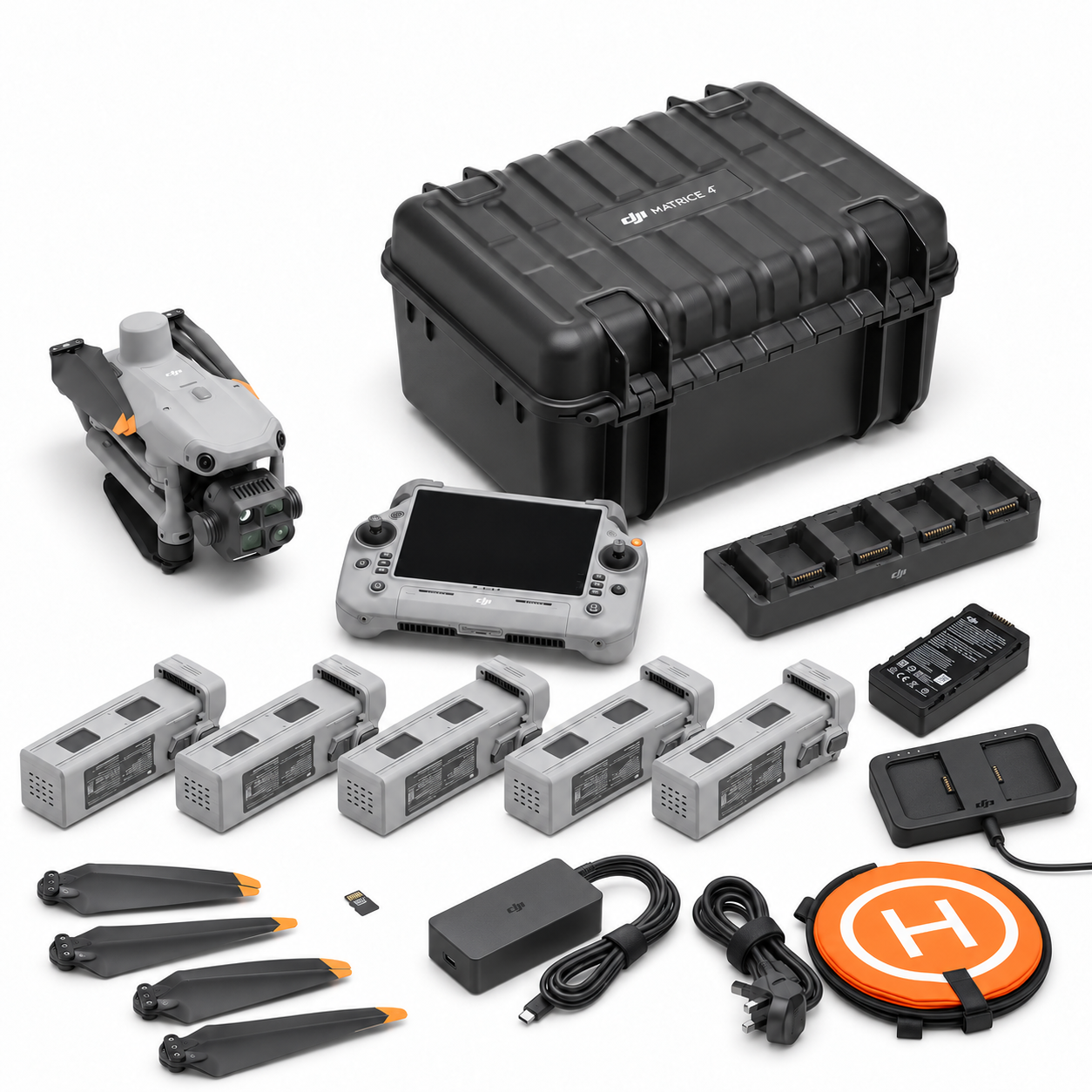

Package illustrations show the listed configurations. Battery quantities are whole-package totals.
Official manuals and setup guidance

Continue with the guide for your work

Documentation and evidence
Sources for the cited guidance
- Thermal observation methodsRead source ↗
Reviewed 3 November 2026.
- Detection probability field studyRead source ↗
Reviewed 3 November 2026.


Pingback: Choosing a Drone for Wildlife Observation in Ireland | Irish Drone
Pingback: Repeat Wildlife Drone Records | Irish Drone