
WILDLIFE MONITORING · REPEAT SURVEY RECORDS
Create a reviewable wildlife time series with clear observation units, verification and uncertainty before using repeated visits for management.
Evidence reviewed 3 November 2026 · Ireland
The practical answer
Build the record around the ecological question. Define a sighting, document coverage and changes in method, and arrange suitable independent validation. Population interpretation belongs to a properly designed survey.
Define the management question
A conservation manager may want to understand whether observed activity has changed, compare visits after a management action or create a baseline. State that purpose before defining an output. Photographs can be useful without supporting a population estimate, while a population question requires deliberate survey design.
Ask the ecological reviewer what evidence would justify the conclusion. Define the subject, area, period and intended decision. The drone team can then plan recording around those needs, instead of accumulating flights and trying to discover a comparison afterwards. Keep the initial brief and later changes available to everyone interpreting the series.

Agree what a record represents
Decide whether each record is a candidate animal, confirmed sighting, activity observation or reviewed group. Assign an identifier and keep the evidence connected. Agree how several views of the same subject are linked and how uncertain identity is represented.
This helps reviewers avoid treating every marked frame as another animal. Keep the raw observation separate from later classification, including the person and review date. An edited summary should remain traceable. If files are reviewed using a new process, preserve both versions and explain which one supports the final interpretation. A change in software output needs an explanation before it becomes a claimed change in wildlife.
Include detectability in the design
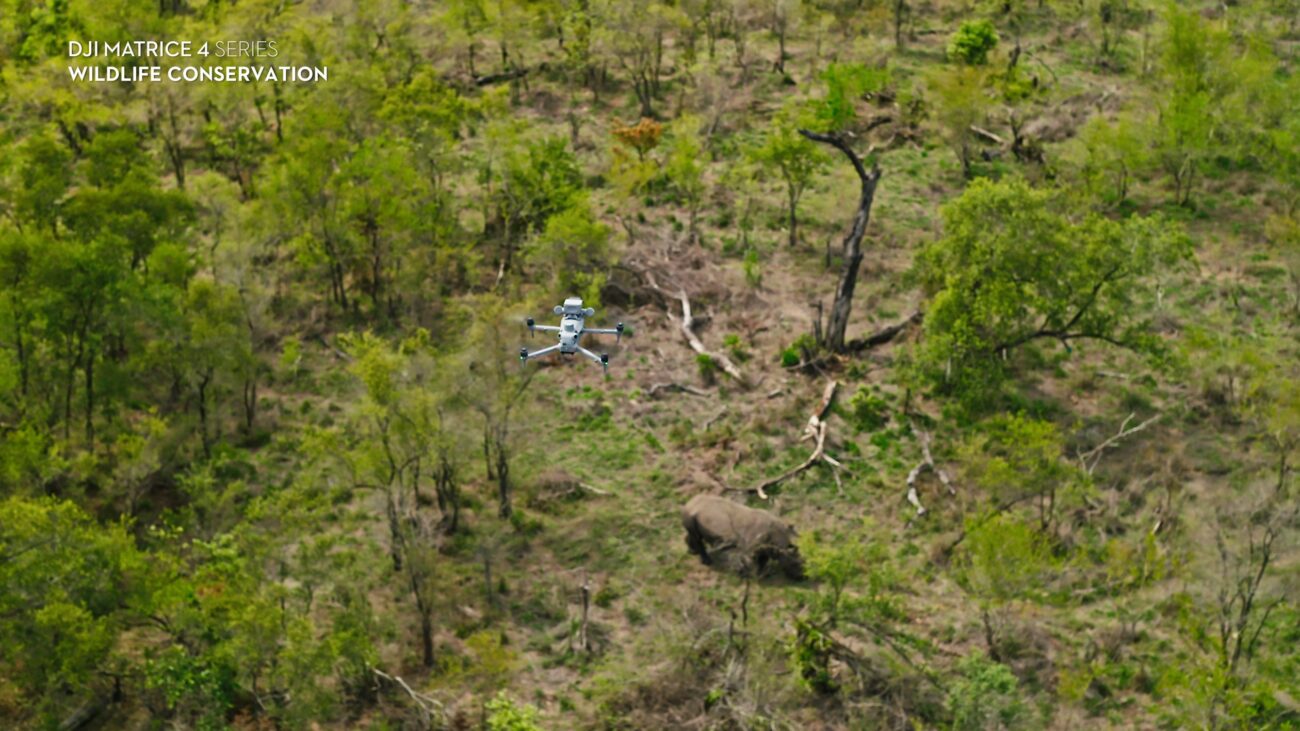
A ground-truthed koala study found method-specific detection biases. [1] It supports testing the observation process rather than assuming an aerial view represents everything present. Its species and equipment are not an accuracy benchmark for the WL range.
Discuss how site conditions, subject behaviour and interpretation may differ between visits. Agree which differences can be recorded and which require another method. A convincing count may still be unsuitable for comparison if the observation process changed. Keep these concerns visible to the reviewer before a headline result is circulated, with the consequences explained in management language.
Arrange appropriate independent information
A university study combined animal-location information with imagery to examine detection probability. [2] For a customer project, arrange suitable validation with the ecological lead; published correction factors do not automatically apply elsewhere.
Ground information should serve a defined comparison and be collected through an appropriate plan. Record the method, timing and limits. An anecdotal sighting from another time may provide context without directly validating a frame. Ask what the comparison establishes and preserve the original evidence. This distinguishes a useful field note from a formal estimate of how many animals were missed, which requires its own justified method.
Agree what would invalidate the comparison before collecting the validation record. Documenting a mismatch, an unavailable reference or a timing problem is useful evidence about the method and should remain visible in the final handover.
Keep a register of visits
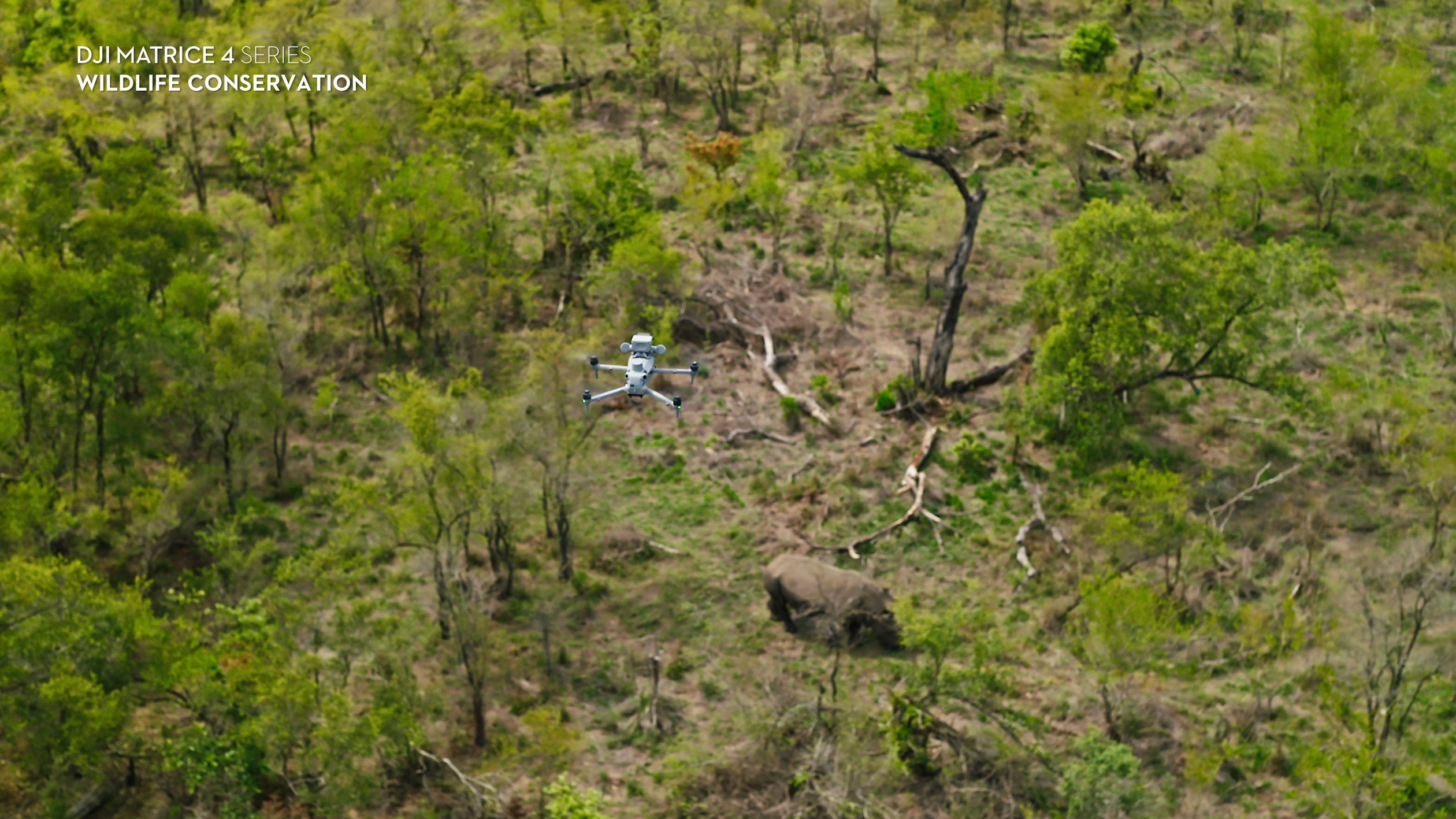
Record the question, date, area attempted, original files and review status. Add access changes, animal response, interruptions and anything affecting the record. Preserve unobserved areas so another reader understands the comparison. Make the status of incomplete work easy to see.
Separate processing changes from wildlife changes. When a classification rule changes, document it and decide how earlier records should be handled. A time series becomes stronger when someone can reproduce its logic. Silently replacing old summaries removes the explanation for different totals. Use versioned outputs and a concise decision log so that the final figure is connected to the evidence reviewed at that time.
Give the manager a useful handover
Provide findings and uncertainty with a route back to the underlying records. Explain the intended use and unresolved questions. Agree who receives detailed locations and whether a public version needs less detail. A useful summary should make clear what the team can act on now and what still needs investigation.
Keep management actions separate from observations. A decision may require further ecological evidence, consultation or another survey method. Record responsibility without implying that a camera output authorised an intervention. For a hypothetical habitat project, the first useful deliverable may be a reviewed baseline and validation plan rather than a claim about population growth.
Scope equipment and review together
WL-02 supplies standalone Matrice 4TD, five total flight batteries and matched charging equipment. WL-04 adds DJI Power 2000. Both include six hours of application training for up to four people, six months of introductory email support and two dataset-quality reviews, by agreement. No processing licence is included.
Define the role of those reviews before booking. They concern the agreed dataset and capture process, rather than population certification. Identify customer-supplied processing and specialist interpretation separately. Consider the M4T alternatives in the selection guide if they better fit the team. Choose equipment through the intended work, expected evidence and handover rather than through the package name alone.
Questions about repeat surveys
Can repeated flights prove a trend? The ecological reviewer must assess comparability and validation. Can a published correction factor be reused? Have its applicability assessed. Can a processing model deliver an exact count? Validate that model and its data separately.
What should an enquiry include? The question, existing records, site and reviewer requirements. Compare WL-02 and WL-04, or discuss the recording process. Continue to sensitive-site planning for ecological conditions and thermal search planning for candidate sightings.
Explore the equipment packages on Irish Drone
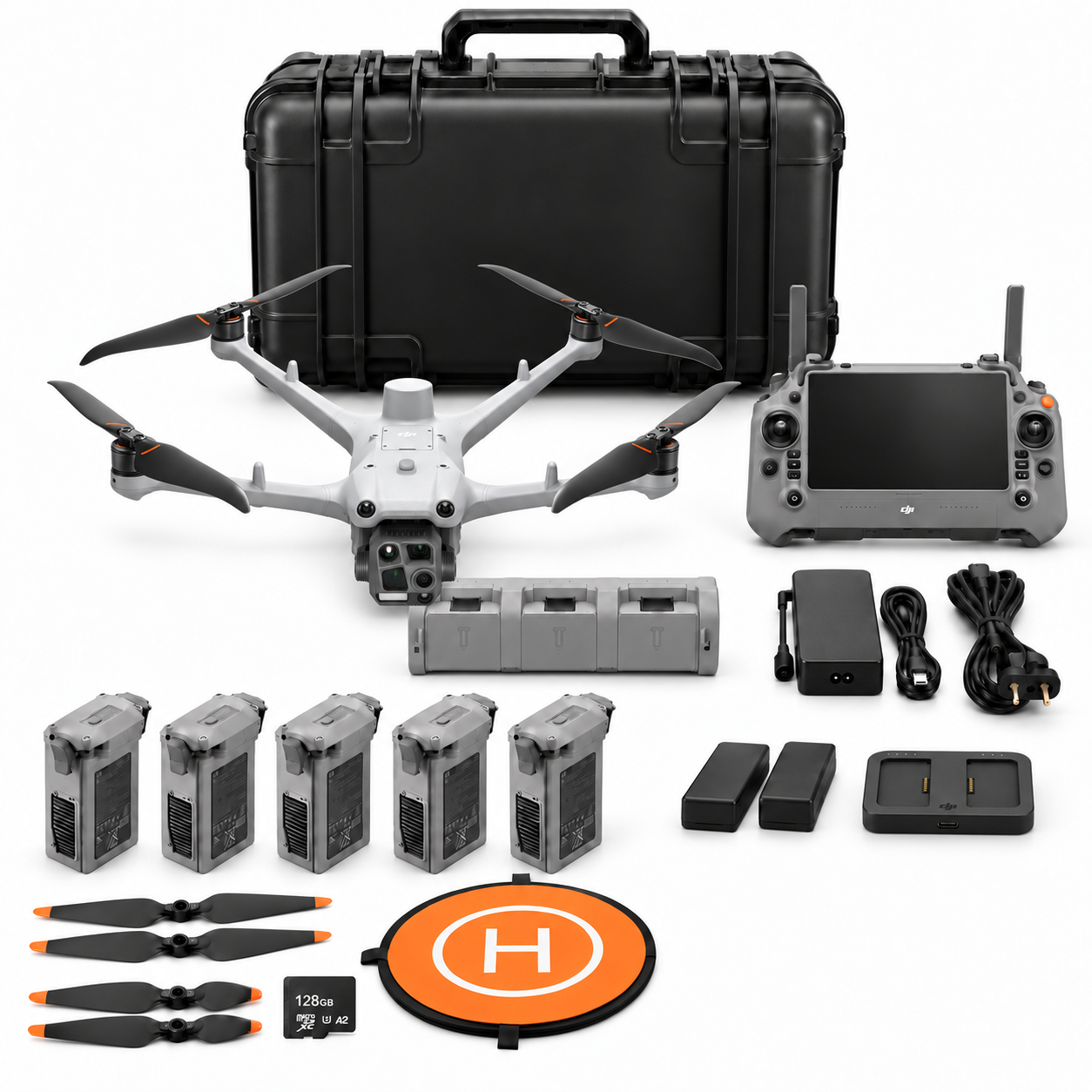
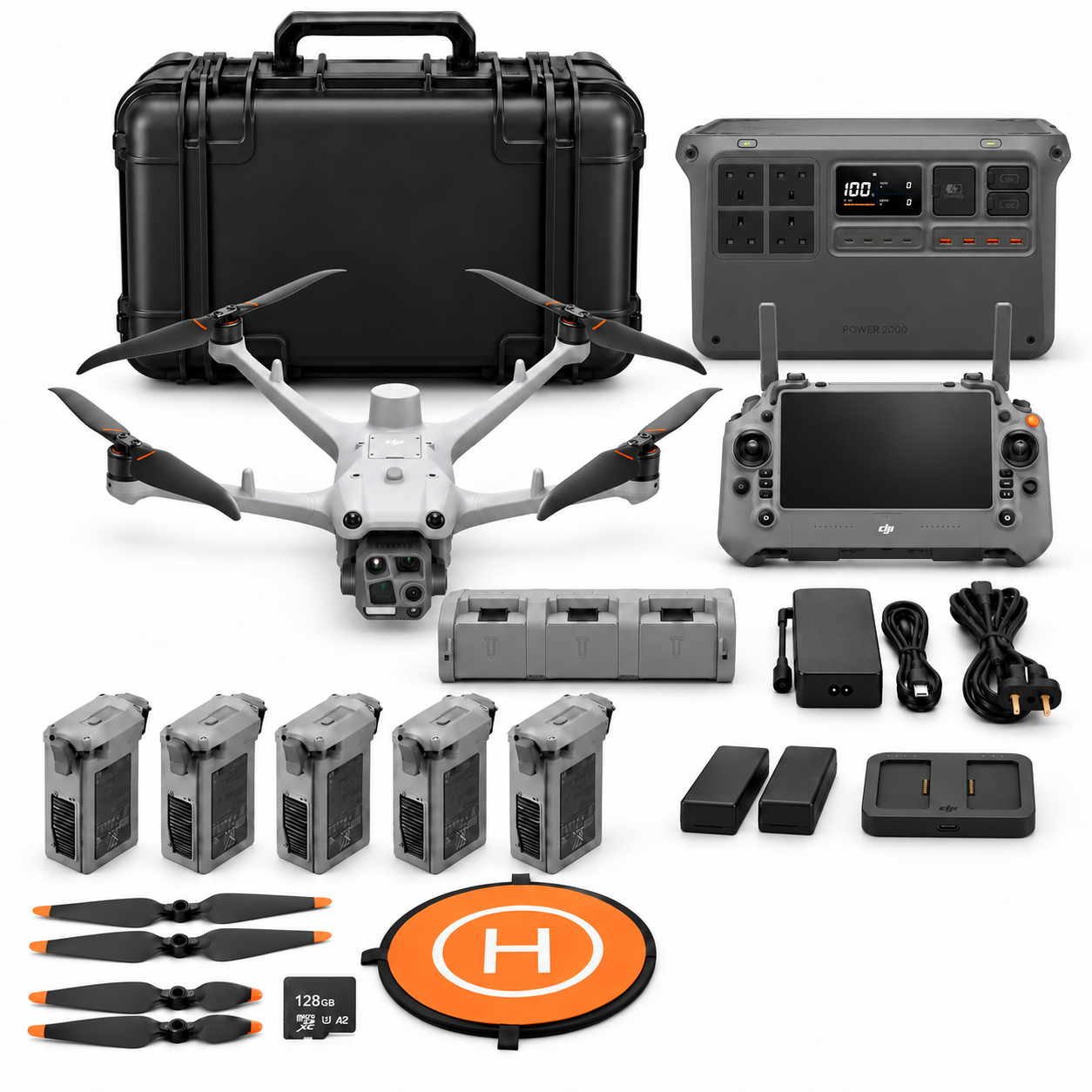
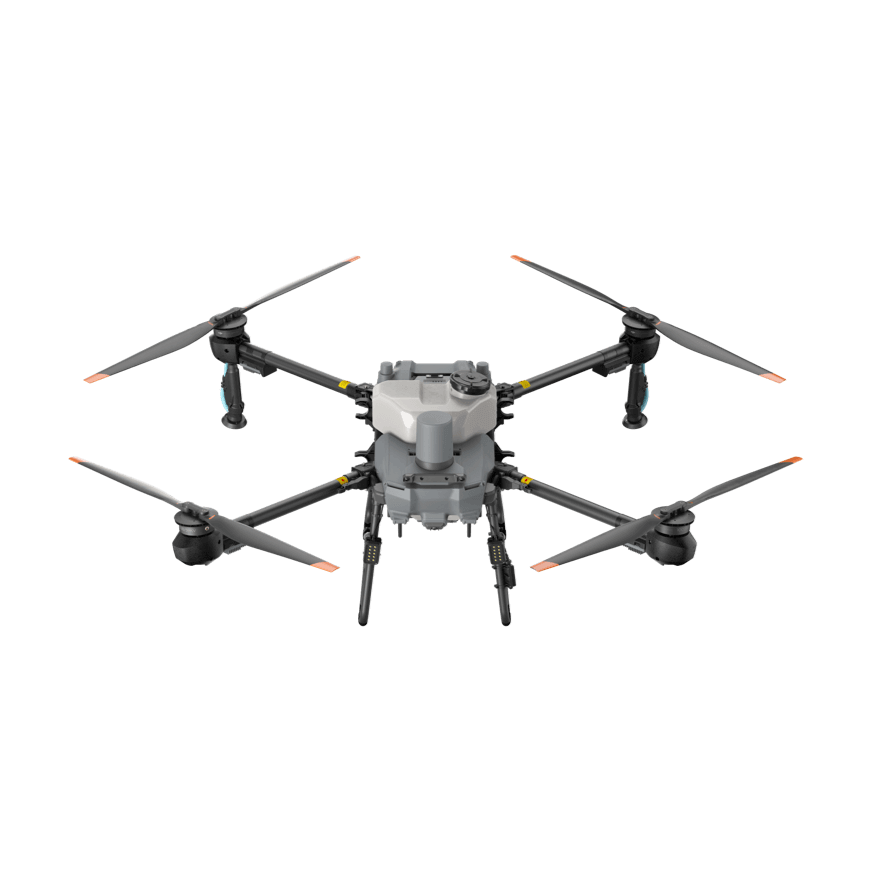
Package illustrations show the listed configurations. Battery quantities are whole-package totals.
Official manuals and setup guidance

Continue with the guide for your work
Documentation and evidence
Sources for the cited guidance
- Wildlife detection bias studyRead source ↗
Reviewed 3 November 2026.
- Detection probability field studyRead source ↗
Reviewed 3 November 2026.


Pingback: Planning a Thermal Wildlife Search | Irish Drone
Pingback: Choosing a Drone for Wildlife Observation in Ireland | Irish Drone