
COASTAL & MARINE · TEAM READINESS
Equipment readiness becomes useful when the team can receive a clear task, report an observation and hand it over responsibly.
Evidence reviewed 3 November 2026 · Ireland
The practical answer
Use a controlled exercise to assess MI-02 as part of an established team’s authorised observation workflow. Agree the requester, operator, coordinator and evidence recipient; test a simple report and acknowledgement; then debrief the handover. The kit is standalone M4TD with AL1 and AS1, without Dock 3, portable power or processing software.
Fit the drone team into the requesting organisation
Begin with the organisation that would request the observation. Establish what support it wants, who may task the team and how the operator coordinates with the wider activity. Keep procurement and practice within that agreed relationship rather than treating equipment ownership as an operational role.
The Irish Coast Guard coordinates maritime search and rescue response. [1] An exercise for a supporting team should therefore test the coordination arrangements relevant to its own approved role. For somebody in immediate difficulty, call 999 or 112 and ask for the Coast Guard. The article concerns planned team preparation, not self-deployment to an emergency.
Check the standalone configuration at handover
MI-02 supplies M4TD with RC Plus 2 Enterprise. DJI confirms that the 4D series supports manual flight with this controller. [2] This is a standalone team arrangement: Dock 3 is absent from the approved contents. Make the controller, aircraft, batteries and compatible charging equipment part of the handover check.
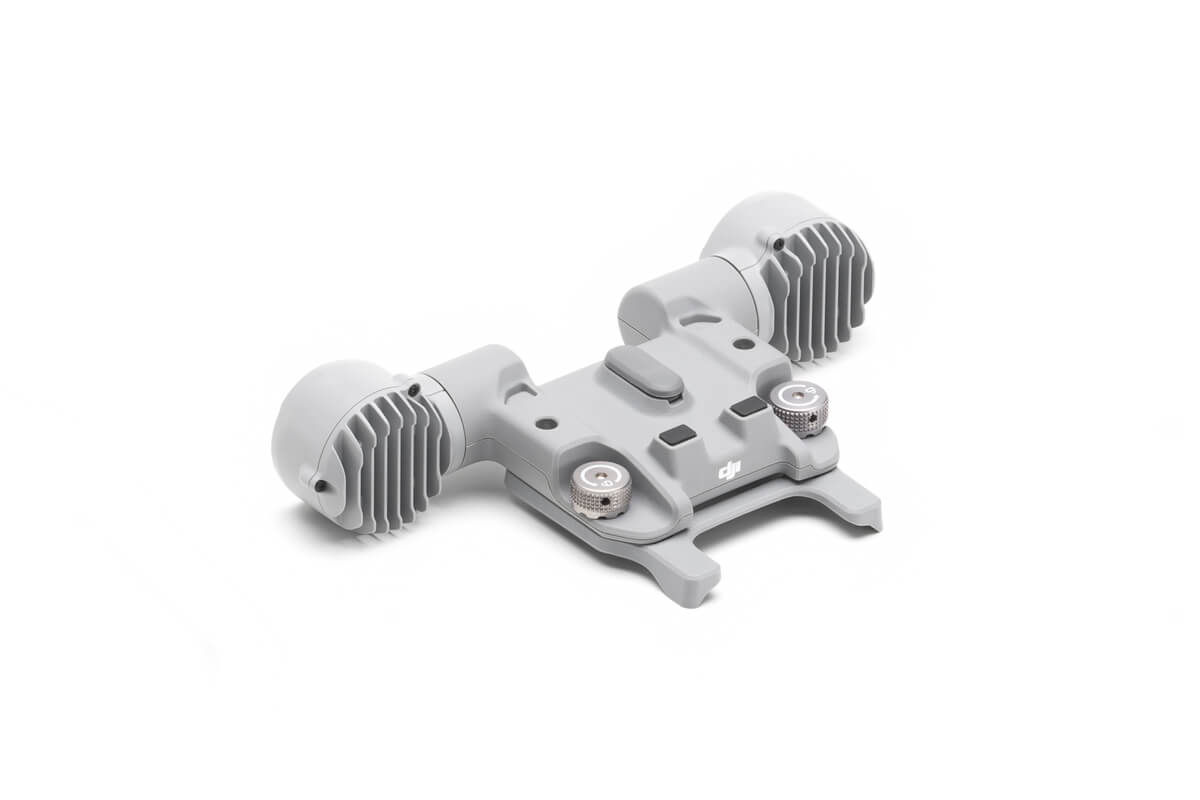
The package also lists AL1 Spotlight and AS1 Speaker. The team should review current instructions and its own approved use for those accessories during training. Keep the exercise focused on the requested observation; a demonstration of an accessory should not distract from coordination, evidence quality or the operator’s decision-making.

Give each exercise role a clear responsibility
| Role | Exercise responsibility |
|---|---|
| Requester | Define the observation question and accepted support role |
| Operator | Manage the approved operation and report task status |
| Coordinator | Receive updates and maintain the agreed wider picture |
| Evidence recipient | Acknowledge, locate and retain the useful record |
Agree which people fill these roles and what happens if one is unavailable. Include the way the team reports that a request cannot be completed. A clear decline or deferral can be an important successful outcome when the proposed task does not fit the actual conditions or operating plan.
Practise a report the recipient can understand
Choose a benign, pre-agreed exercise observation at an approved location. Decide what the report should contain: the task reference, observation time, an unambiguous location description, what was observed and any uncertainty. Have the recipient acknowledge the report and demonstrate that it can identify the intended place or feature.
Keep observation separate from interpretation. A possible item of interest should be reported with its context, not converted into a certainty to make the exercise look successful. The coordinator can then decide what follow-up fits the wider task. This gives the team a repeatable reporting habit without inventing detection or identification guarantees.
Use the coastal setting as part of the planning brief
Plan from a suitable land-based operating location, consistent with the package description. The operator should assess the actual site, weather, access and relevant restrictions through the organisation’s normal process. Agree the criteria for adapting or postponing the exercise and who needs to be informed.
Include wildlife considerations in the site discussion. NPWS flags irresponsible drone use as a disturbance risk. [3] Seek the appropriate local advice and keep the exercise within the agreed site constraints. A useful rehearsal tests how the team responds to real planning limits, rather than expecting the aircraft to remove them.
Agree how useful observations leave the controller
Decide before the exercise how the recipient will receive and store the evidence. Test the actual transfer method, file references and access permissions. Keep a short index linking the task and observation to the retained files. This makes the debrief possible even when the operator is no longer beside the reviewer.
MI-02 has no included image-processing software licence. If the team requires a particular analysis or shared-data platform, identify who supplies it and test that workflow separately. Start with the records the organisation actually needs, then confirm the tools and service arrangements required to handle them reliably.
Debrief the task, not just the flight
Review the exercise from request to closure. Was the question clear? Could the team report status? Did the coordinator understand the observation and its uncertainty? Could the evidence recipient find the relevant record afterward? Ask each role to identify one practical improvement.
Retain a short action list with an owner and a way to verify completion. The next exercise can revisit the weak parts rather than repeating an impressive but already familiar demonstration. An unavailable view, a misunderstood location or a failed transfer is useful information when it leads to a specific correction before the team takes on an operational commitment.
Questions before a team purchase
Does MI-02 guarantee finding a person?
No detection outcome is guaranteed. Set realistic observation tasks and use the equipment within the organisation’s coordinated operating process.
Does the package include a livestreaming platform?
No processing or cloud-platform licence is listed. Agree and test any required sharing arrangement separately.
Are the five batteries additional to the aircraft battery?
Five is the whole-package total, including any flight battery supplied with the aircraft.
Does application training confer rescue accreditation?
The package includes scoped workflow training and support. The organisation remains responsible for its required competence and operational acceptance.
Should a demonstration take place at a real incident?
Use a controlled, authorised exercise with a clear plan. Emergency response belongs within the responsible services’ coordination.
Bring an exercise brief to the MI-02 discussion
Review MI-02 M4TD Coastal Response Team Package with the intended requester, training participants and evidence recipient identified. Ask Irish Drone to map the listed training, handover and dataset-quality review to a planned exercise.
For routine shoreline or coastal-asset records, compare MI-01 in the coastal selection guide. These configurations support different workflows. A well-scoped trial helps the organisation confirm which one its people, records and operating arrangements are prepared to use.
Explore the equipment packages on Irish Drone
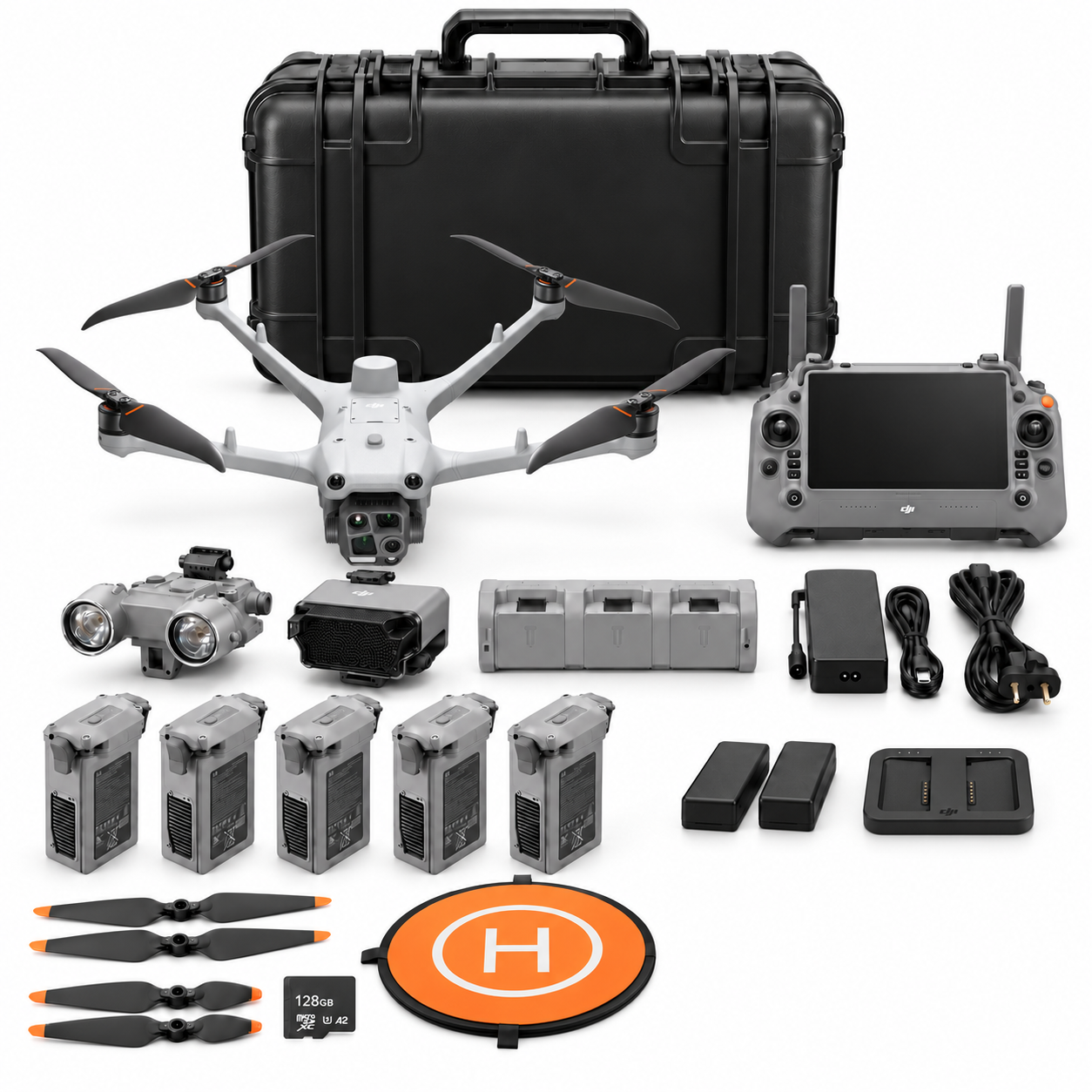
Package illustrations show the listed configurations. Battery quantities are whole-package totals.
Official manuals and setup guidance

Continue with the guide for your work

Documentation and evidence
Sources for the cited guidance
- Irish Coast Guard: Our OrganisationRead source ↗
Reviewed 3 November 2026.
- DJI Dock 3 FAQRead source ↗
Reviewed 3 November 2026.
- NPWS: Responsible Marine Wildlife Watching initiativeRead source ↗
Reviewed 3 November 2026.
Compare equipment packages
Explore Coastal & Marine Operations drone packages →
To discuss equipment for a coastal-team exercise, contact Irish Drone with the exercise brief, crew roles and intended information handover.




Pingback: Repeat Shoreline Drone Surveys: Tide and Comparison Planning
Pingback: Coastal Asset Drone Records: Inspection Handover Guide
Pingback: Coastal Drone Packages Ireland: M4E or M4TD Workflow