
SOLAR & PHOTOVOLTAICS · ROOFTOP SOLAR
A roof-specific guide for visiting teams: assess layout and access, plan useful thermal capture and define a maintenance handover before choosing equipment.
Evidence reviewed 3 November 2026 · Ireland
The practical answer
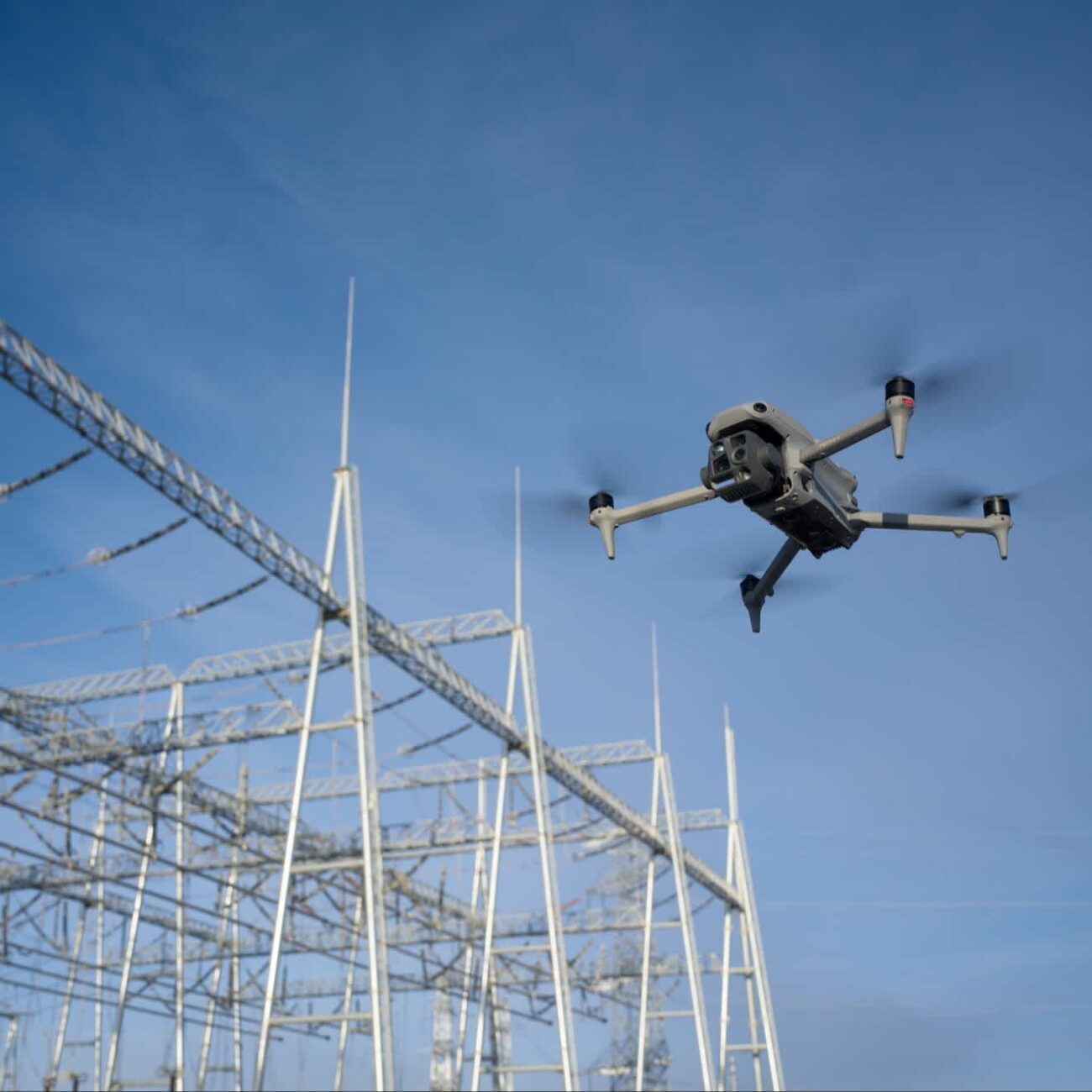
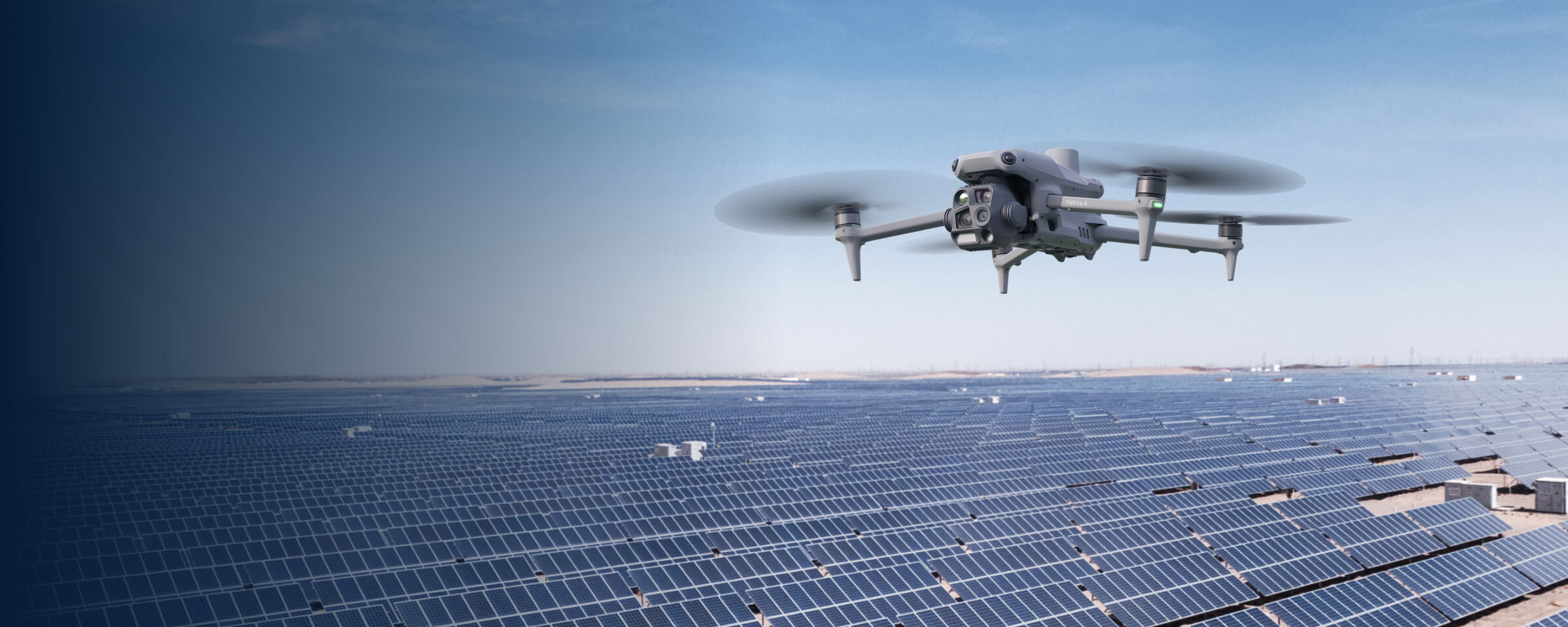
The DJI Matrice 4T is a sensible candidate for a visiting team inspecting rooftop PV, provided the planned flight produces the required detail, the roof can be observed safely and conditions support useful thermography. Start with the inspection question and a representative capture. A large warehouse roof does not automatically rule it out; a small, obstructed roof does not automatically make it suitable.
Start with the decision you need
This guide is for Irish installers, facilities teams and O&M contractors evaluating a portable rooftop workflow. Choose a purpose: a condition screen, investigation of underperformance, a maintenance baseline or a revisit after remedial work. Tell the provider which decision follows the survey, who interprets the results and how a flagged panel will be found again.

Roof geometry matters more than a capacity threshold
Solar Energy UK treats rooftop aerial inspection as acquisition, analysis and reporting, with site-specific planning. It recognises in-house teams and external providers; its UK guide is not an Irish operating permission. Source.
On a pitched roof, ask whether both slopes can be observed without hiding panels behind the ridge or chimneys. On a flat commercial roof, map parapets, plant, skylights and changes in array orientation. Split it into identifiable zones rather than treating the building outline as one uniform survey surface.
Bring an annotated plan with panel groups, available string references and unseen areas. Include neighbouring buildings and loading yards. Two arrays with the same capacity can require different access, camera positions and reporting effort. There is no MW buying boundary proposed here.
Check the actual thermal evidence
The M4T has a native 640×512 thermal detector and supports temperature-bearing R-JPEG stills. Visible-camera megapixels and enhanced thermal output describe different things. Source.
Request a sample at the intended camera-to-panel distance. Can the relevant module be identified, and can the inspection question be answered? Agree an acceptance check before collecting the whole roof. A close-looking video is not a substitute for the files and asset references the reviewer needs.
IEA PVPS discusses reflections from surrounding objects and the effect of viewing geometry on module thermography. A bright thermal patch is not, by itself, a confirmed electrical failure. Source.
Compare a suspect patch with the visible photograph, roof features and capture conditions. Arrange a suitable second observation where appropriate. Keep uncertainty visible instead of turning every coloured area into a replacement instruction.
A practical checklist for the visiting team
- Define roof zones. Supply a marked plan and naming convention the maintenance team can use without guessing which panel a photograph shows.
- Coordinate the site. Identify the operating area, site contact, pedestrian and vehicle movements, and restrictions affecting the visit.
- Plan coverage. Include slopes, obstructions and transitions between panel groups. Identify gaps requiring another method.
- Validate the first capture. Check useful detail and file capture before committing to the remaining roof. Agree what happens if conditions change.
- Prepare the handover. Keep originals, capture times, zone references and observations together. Name the person responsible for follow-up.
DJI warns that vision-system performance can be affected near reflective, transparent or repetitive surfaces and changing light. Obstacle sensing is not a substitute for the pilot’s site assessment. Source.
The HSA identifies fragile roof materials, including rooflights, and stresses competent assessment and risk controls. A drone visit does not make subsequent roof access or electrical work safe by default. Source.
Set a weather window and a resurvey decision
The Matrice 4 Series is not waterproof. DJI advises returning and landing if rain starts, and drying the aircraft fully before reuse. Source.
IEA guidance links useful aerial thermography to stable illumination, measurement geometry and environmental conditions. An aircraft’s flight capability is not the same as an inspection-quality envelope. Source.
Ask who records conditions, who can stop the survey and what constitutes acceptable evidence. A visit squeezed between showers may be convenient without answering the agreed question. Discuss rescheduling before mobilisation, especially when several roofs are booked together. Avoid promising that one flight or a fixed time of day always provides a valid result.
Specify a maintenance handover, not just a heatmap
IEC TS 62446-3 addresses operating PV modules and plants, including equipment, conditions, procedures, reporting and personnel. An aircraft purchase alone does not establish compliance. Source.
Request a roof overview with zone labels, paired visible and thermal observations, locations for concerns and an account of inaccessible or uncertain areas. Agree whether findings are screening observations or include specialist assessment. Distinguish what was seen, what it might mean and what someone should check next.
SEAI recommends regular performance monitoring for rooftop PV. Source.
Bring generation history, recent alarms and maintenance records into the review. An image-led visit should support that wider record. It should not imply that a normal-looking capture proves every cable, connector or inverter is healthy.
Keep the software choice proportionate
Agree the deliverable before adding software. A targeted review and a mapped programme have different needs. Check who performs analysis, which files you receive, whether processing is included and what happens after the licence expires.
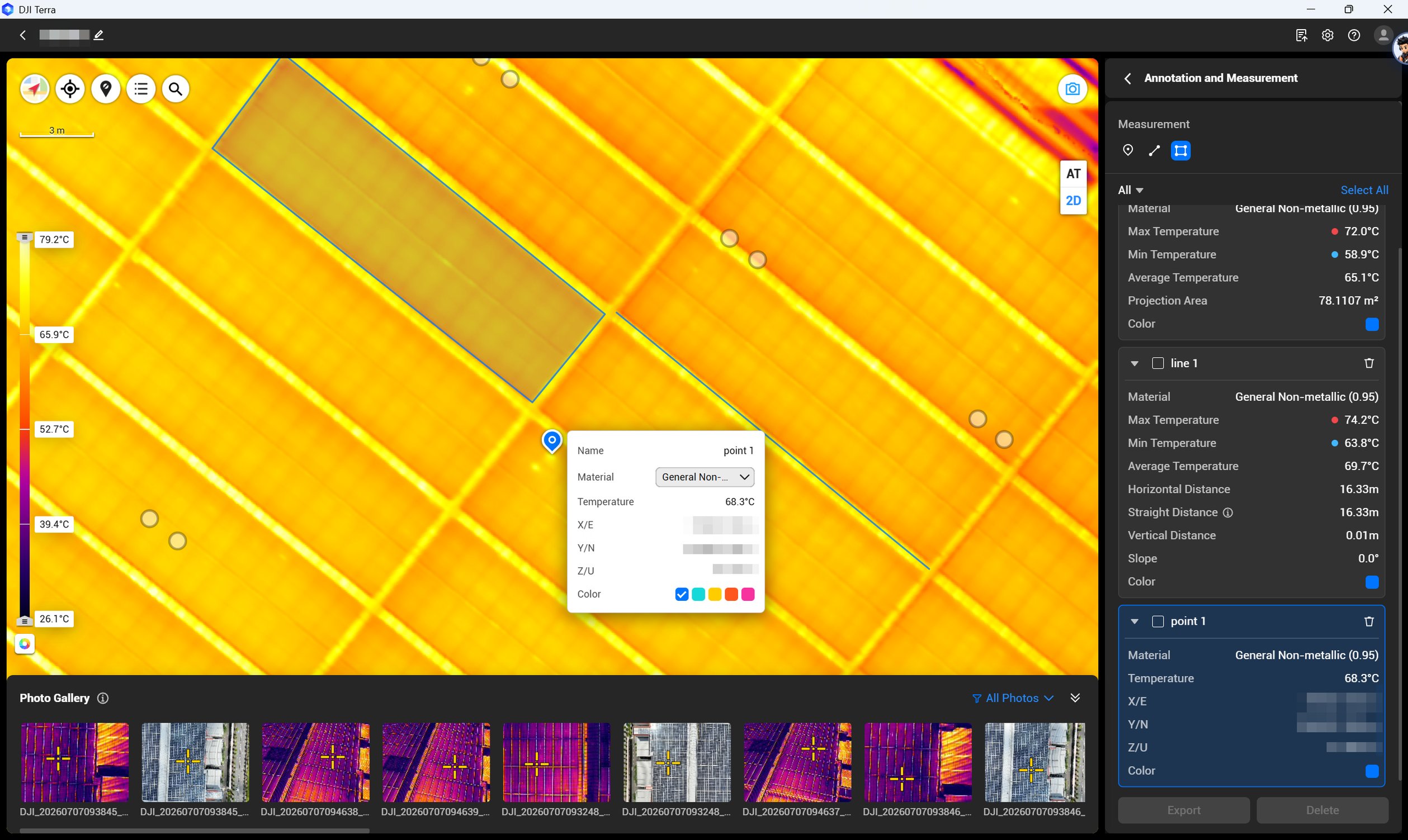
For a temperature-bearing map, check the current Terra thermal workflow against its supported paired visible and thermal data and the purchased licence. Source.
The main solar selection guide explains the software roles. A demonstration screenshot does not establish the edition, supplied service or quality of your roof’s dataset.
When another inspection route is more useful
Pause the M4T decision if a sample cannot meet the detail required, the operating position leaves important zones unseen, or the inspection window cannot be used responsibly. A different aircraft is not always the answer: a revised method, another camera position or specialist follow-up may solve the actual constraint.
Compare the Matrice 400 and an appropriate payload route when the brief justifies the larger system. For repeated observation at one prepared location, consider the docked workflow in the main guide. Neither should be selected solely because a roof crosses an arbitrary size.
For one accessible installation, weigh a specialist service against owning equipment and maintaining staff competence. For a portfolio, evaluate consistency between visits as carefully as transport convenience.
Plan the Irish flight and privacy arrangements
The operating category and required permission depend on the operation; buying a drone does not authorise a flight outside Open-category limits. Source.
Professional drone imagery can capture personal data. Define its purpose, limit unnecessary capture and establish appropriate handling arrangements before the visit. Source.
Agree who coordinates with the building occupier and neighbouring activity. A roof owner’s consent is not a complete airspace or privacy assessment. Keep the enquiry specific: location, access, surroundings and proposed method.
Rooftop inspection questions
Is the M4T only suitable for small roofs?
No size rule is proposed. Use the capture brief, layout, access and sample evidence. A dispersed portfolio may favour portability even when its combined capacity is substantial.
Can the survey prove why output has fallen?
Set that scope explicitly. Thermal observations, generation records and qualified follow-up answer different parts of the problem. Ask which conclusions the provider can substantiate.
Can a normal night flight replace this daytime PV inspection?
A normal night flight is not a substitute for the operating-array survey discussed here. Other thermographic methods require a different brief and specialist setup. Source.
Prepare a useful quotation request
Send Irish Drone the roof location, annotated layout, inspection purpose, intended frequency and an example of the report you need. Include access constraints, operating positions and who reviews and acts on findings.
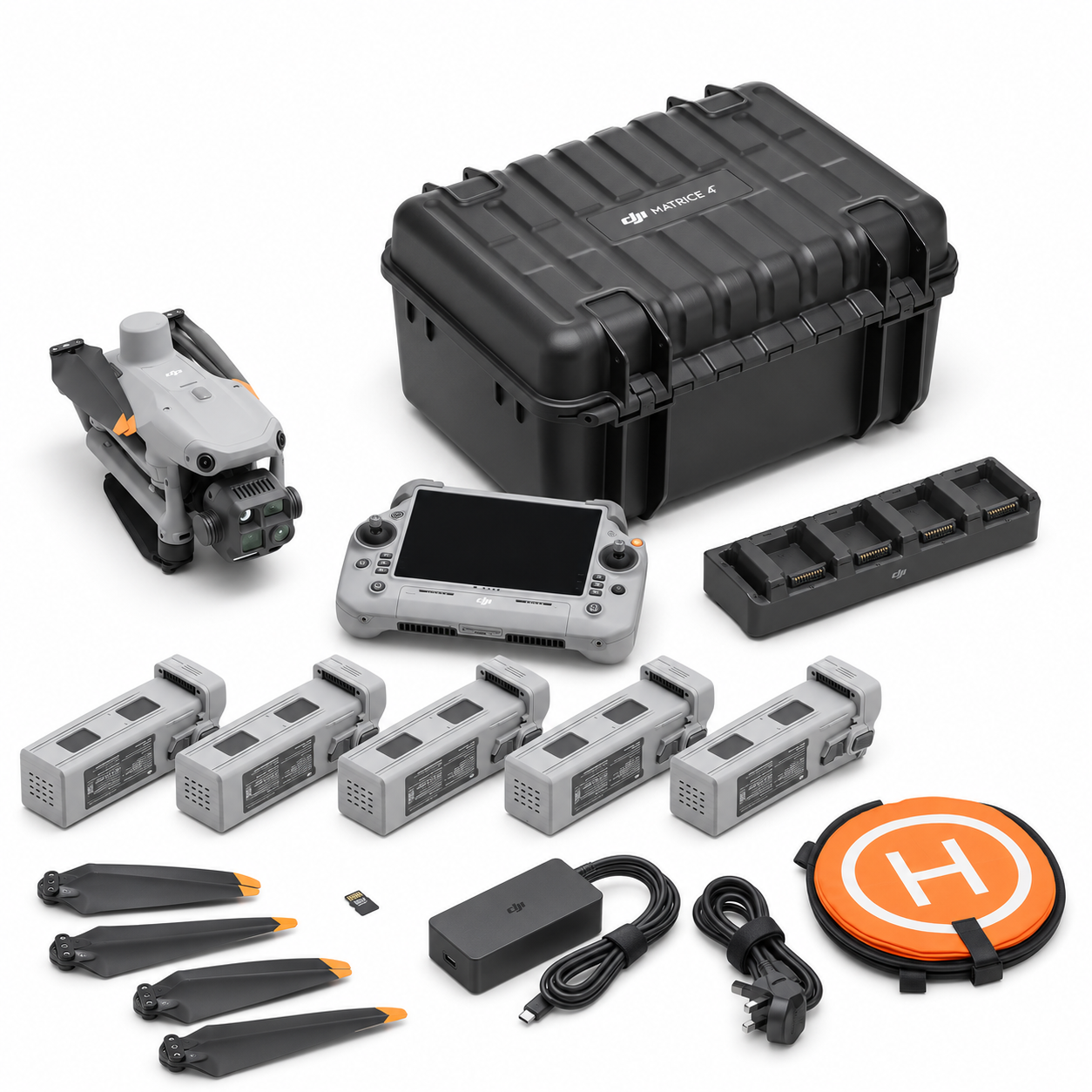
Compare the M4T Solar PV Professional Package and its Power 2000 option against the included-items list. Confirm training, support, software and review scope in the quotation. Discuss your rooftop requirements.
Explore the equipment and package options
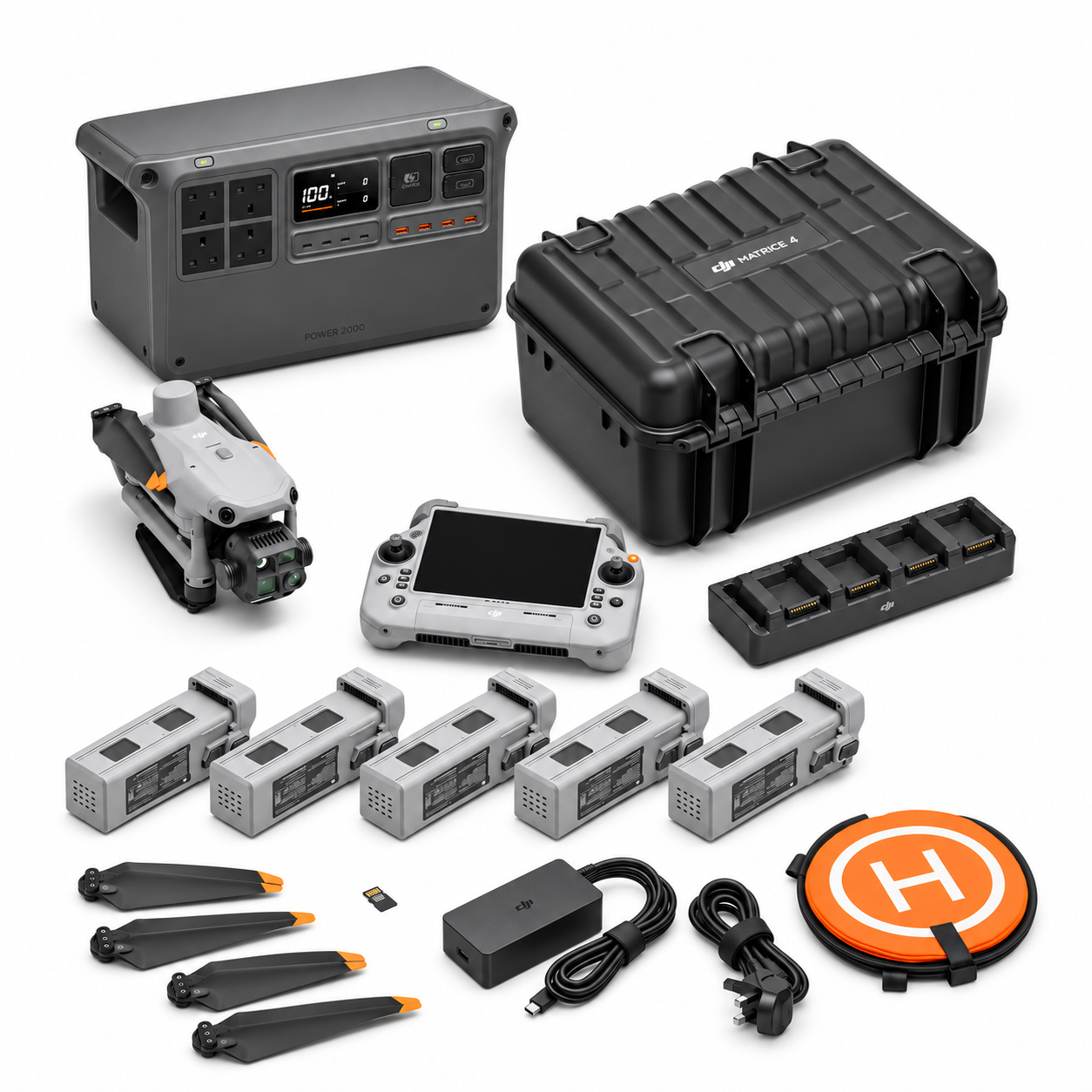

Official manuals for the selected route
Continue with the guide for your work

Documentation and evidence
Recommendations in this guide are editorial shortlisting advice. Check the current manufacturer instructions and the requirements of the actual operation.
Technical sources and scope
- DJI Matrice 4 Series specifications
No promised field accuracy, flight coverage or enhanced/native equivalence. Reviewed 3 November 2026.
- DJI Matrice 4 Series FAQ
No rain-tolerant or all-weather claim. Reviewed 3 November 2026.
- DJI Matrice 4 Series User Manual v1.2
Manufacturer conditions, not a site-specific safe-flight approval. Reviewed 3 November 2026.
- IEA PVPS Review of Failures of Photovoltaic Modules
Dated method evidence; no700W/m2 value, viewing-angle rule or invasive electrical procedure imported. Reviewed 3 November 2026.
- IEA PVPS Qualification of PV Power Plants using Mobile Test Equipment
No universal altitude/MW boundary or Irish legal weather threshold. Reviewed 3 November 2026.
- IEC TS 62446-3:2017 public scope
Scope does not prove aircraft/package/inspection compliance. Reviewed 3 November 2026.
- Solar Energy UK Rooftop O&M Best Practice, second edition
2021UK industry guidance, not current Irish law or independent model comparison. Reviewed 3 November 2026.
- HSA Safety Alert for Working on Fragile Roofs
No DIY roof access or electrical-work instructions. Reviewed 3 November 2026.
- DPC Guidance on the use of drones
No blanket surveillance authorisation. Reviewed 3 November 2026.
- EASA Specific Category — Civil Drones
No assertion that a specific roof flight is Open/Specific eligible without assessment. Reviewed 3 November 2026.
- SEAI Electricity from solar — rooftop maintenance
Regular monitoring only; no revenue, grant, planning or savings advice. Reviewed 3 November 2026.
- DJI Terra FAQ — Thermal Infrared Project
No licence edition proof, automatic diagnosis or certified temperature-result promise. Reviewed 3 November 2026.


Pingback: M400 + H30T vs Dock 3 for Solar Farms | Irish Drone
Pingback: Fixed vs Vehicle-Mounted Dock 3 for Solar Inspection
Pingback: Which Is the Best Drone for Solar PV Inspection in 2026?