
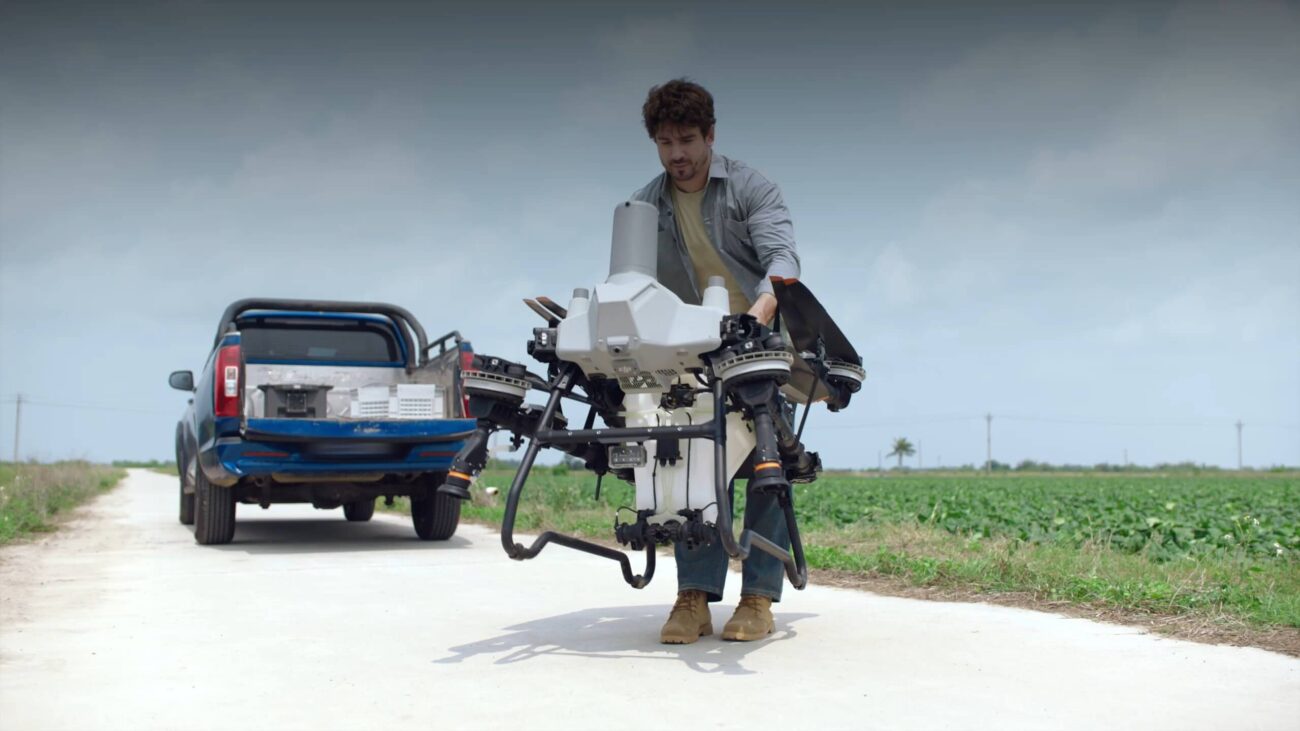
The aircraft can only continue when the next safe, correct load and the right battery are ready.

Measure the whole job rather than the best flight
A contractor’s usable day includes travel, access checks, setup, briefings, replenishment, battery handling, pauses, cleaning and the final handover. An aircraft’s best uninterrupted pass covers only part of that work. Build the productivity plan from activities the team can observe and record, then identify the assumptions that could change between farms. Do not promise a universal hectare rate from a tank volume or a promotional video.
Start a time log with clear categories and a consistent definition of job start and finish. Distinguish planned preparation from avoidable delay, and safe stopping from equipment failure. A smaller field with awkward access can require more support time than a larger, simpler block. The purpose of collecting the log is to understand the limiting process and make credible commitments, not to select only the fastest flight and present it as a normal day’s performance.
Agree what the client supplies before mobilisation
Use a pre-visit brief to confirm the exact field, material, agronomic instruction, access route, operating area and permission responsibilities. Identify the person who can make a decision if the field condition differs from the booking information. Confirm the availability and suitability of water or other replenishment resources where relevant, and the practical route from storage to the aircraft’s loading area.
A promise that water is available is not the same as a demonstrated replenishment arrangement. Check the filling method, filtration needs, containers, measurements and contamination controls for the actual task. Teagasc’s sprayer guidance underlines the importance of filling, filtration and cleaning. Apply those general principles through model-appropriate procedures rather than assuming that an agricultural drone removes conventional preparation requirements. Put any client-supplied resource and its acceptance condition into the booking record before the vehicle leaves.

Stage the next load without creating confusion
Give every material a clear identity and separate unopened stock, material prepared for the current job and returned quantities. Use an appropriate weighing or measuring method and record what enters the working system. Avoid a ground routine that relies on memory or an unlabelled container, particularly where several fields or clients are being served in one day. A delay that prevents a wrong load is a useful control, not wasted productivity.
Design the loading area so that the person preparing the next load remains outside the active aircraft area. Decide who confirms the load and who gives permission for movement. Include a way to quarantine a questionable bag, batch or liquid rather than resolving uncertainty beside a ready aircraft. Keep preparation, aircraft replenishment and stock accounting as distinct tasks even if one trained person performs more than one role at different times.
Build battery rotation around the actual power supply
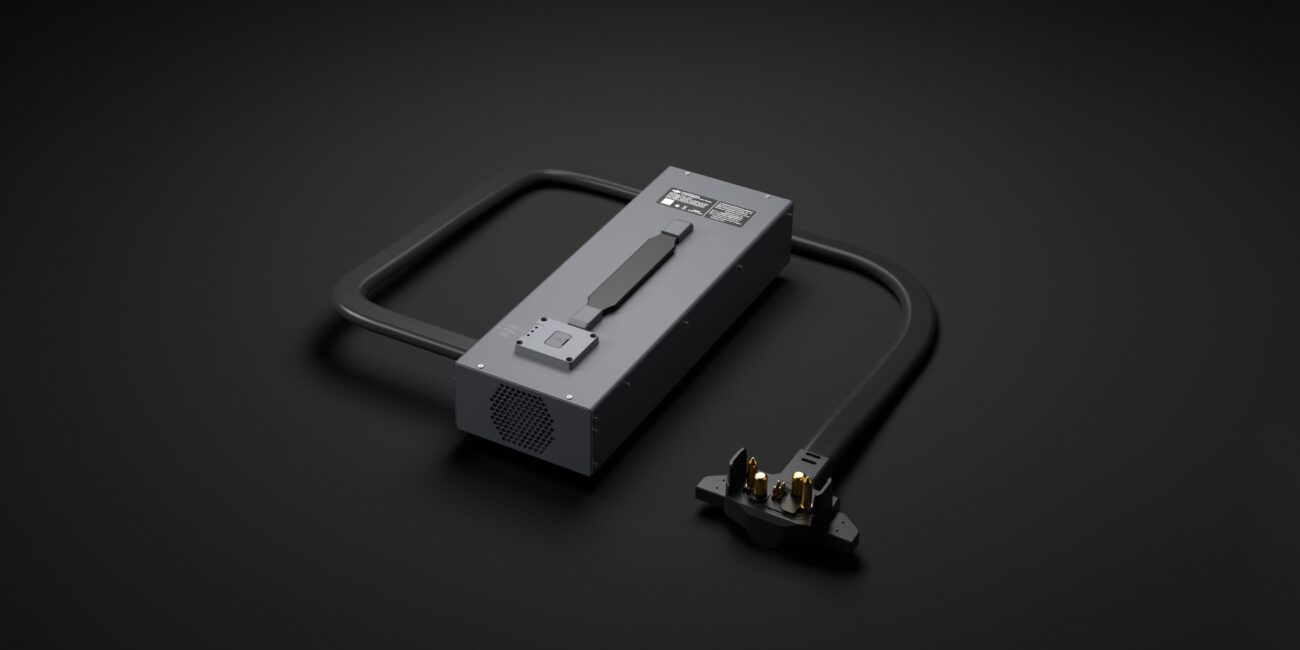
Record battery identity and state through use, cooling, inspection and charging. The number of batteries in a package is only one part of the rotation. Available input power, battery temperature, starting charge and the manufacturer’s charging procedure can change when a battery is ready. Observe the proposed sequence with the actual equipment instead of assuming that a nominal charging time is the entire turnaround.
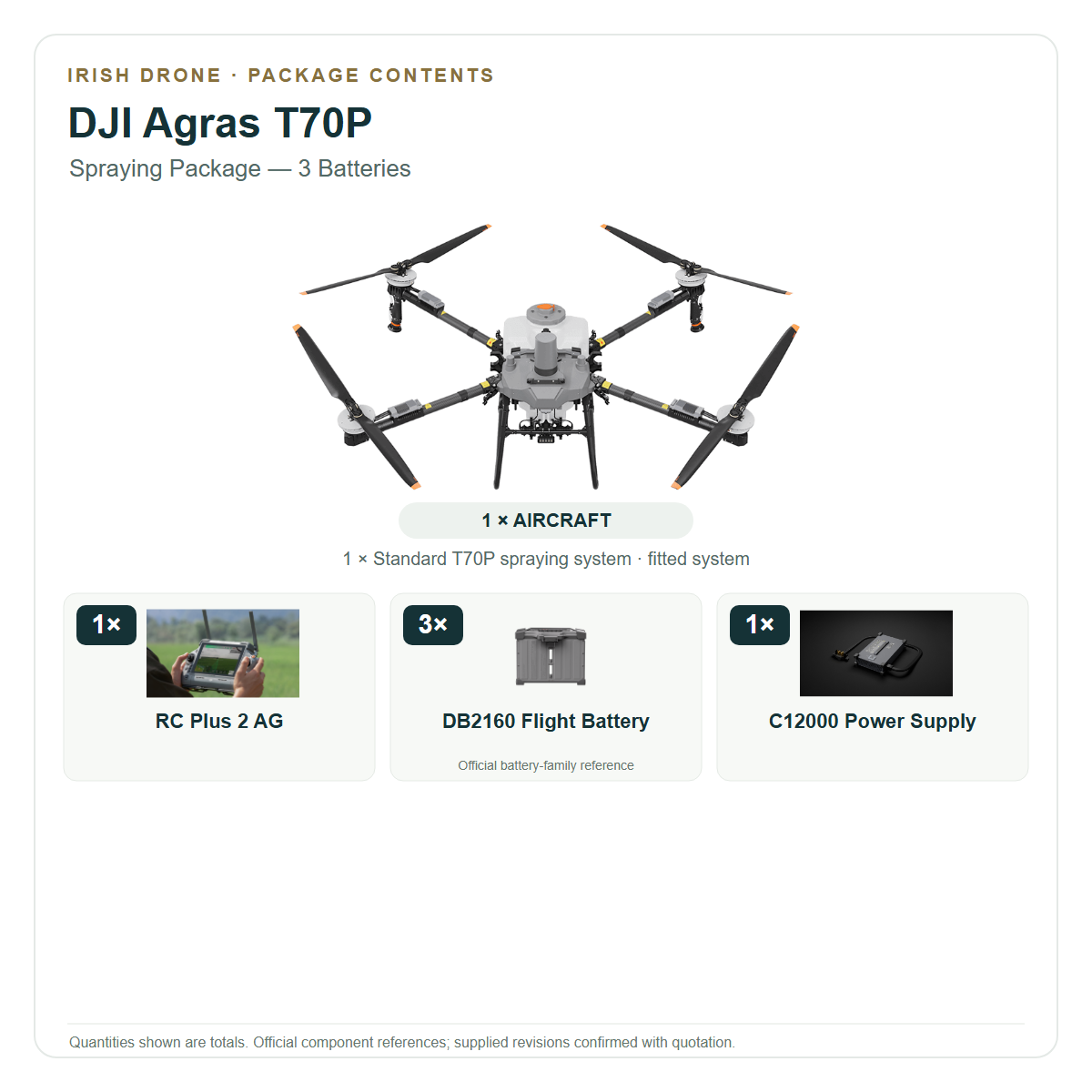
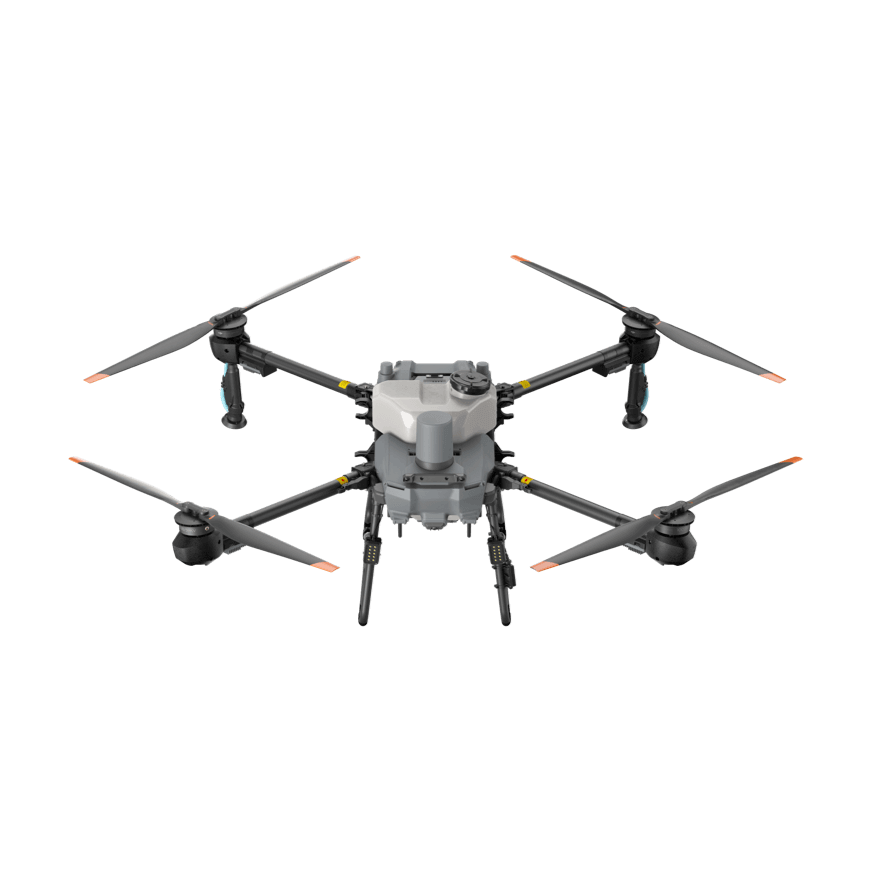
The T55 specifications identify C7000 and its input-dependent performance; the T70P specifications identify its compatible battery and charging configurations. Do not transfer a charging result between those systems or count a charger as fully productive on an unsuitable supply. The T55 four-battery package can be assessed as a rotation plan, but the demonstration must show how the crew and supply keep the correct batteries available without bypassing inspection or cooling requirements.

Use the log to find the constraint
After a representative exercise, examine why the aircraft waited and why the ground crew waited. The causes may include material preparation, vehicle position, access, charging or an unclear restart procedure. Improving one stage can simply move the queue elsewhere. A larger aircraft, another battery or a second charger should be justified by the observed constraint and the conditions required to use it.
Separate changes that improve preparation from changes that increase operating complexity. For example, staging measured clean-water loads for a commissioning exercise may reveal a filling problem without changing aircraft capacity. Moving the support vehicle may reduce carrying but create a conflict with a public access route. The useful decision is whether the whole process improves safely and repeatably. Record the trade-off and retest it; do not convert an isolated faster step into an unsupported whole-job productivity claim.
Illustrative example: two farms and one support vehicle
Imagine a contractor planning two visits with different access and replenishment arrangements. This is a scheduling example, not a measured service rate. At the first holding, the agreed ground site and suitable water supply are close to the working block. At the second, a longer controlled transfer and an additional setup are needed. The contractor lists both routines rather than applying one aircraft-based time allowance to both clients.
The plan also reserves time for material reconciliation and the required changeover between jobs. If the first visit overruns, the team has a decision rule for notifying the second client and reassessing the available weather and operating window. It does not recover time by skipping checks. A comparison with a T70P three-battery setup should therefore include mobilisation and replenishment trials, not just a larger tank and a different battery count in the quotation.

Plan pauses, partial work and changeovers
Define how the team records a pause and confirms the restart point. Material remaining in the system, battery state, job-file version and the actual field condition may all matter. A clear partial-work record prevents a later crew member or client from assuming that an entire field was completed. Distinguish areas flown from the evidence required for the actual application outcome.
Keep current operating and maintenance procedures available. The DJI T100 downloads illustrate the need for configuration-specific documents rather than a generic Agras checklist. Where plant-protection products are proposed, DAFM requirements and the separate aerial-application rules remain independent of the aircraft schedule. A tightly booked day is not a reason to relax material, environmental or authorisation conditions. Agree who can stop the job and how the client receives a clear account of what remains unfinished.
Quote a service boundary that the evidence supports
Use the observed workflow to define what the quotation covers: mobilisation, preparation responsibilities, aircraft configuration, the agreed task and the records supplied at completion. State what must be provided by the client and what would require a revised plan. Treat unexpected access problems, material changes and additional visits as matters to resolve explicitly rather than assumptions hidden inside a headline field rate.
Bring Irish Drone the job log and the bottleneck you want to address. A package discussion can then test whether another battery, a different charging arrangement or a different aircraft is likely to help. Ask for a witnessed commissioning exercise with clear acceptance criteria. Keep any business forecast labelled as your own scenario with its assumptions visible. The next purchase should respond to a demonstrated operating need, with no invented hectares-per-hour figure, savings percentage or guaranteed approval built into the promise.
Frequently asked questions
How many batteries guarantee continuous work?
No battery count guarantees continuity. The real rotation depends on the task, charging supply, cooling, inspections and crew workflow.
Can a contractor quote from a manufacturer hectare-rate headline?
A credible service commitment should be based on the complete local job and its assumptions; this article supplies no hectare-rate promise.
Explore the aircraft and packages
Follow the product page for the exact configuration and included equipment. Equipment selection and operating authorisation are separate parts of the project.


Talk to Irish Drone about your project
Send us the site, task, load or application material, intended operating pattern and available charging supply. We can help scope a suitable aircraft and package and discuss the preparation needed for an Irish operation.
Contact usPlan the next part of your operation
Official sources and technical guidance
These links support specific facts in the guide. Check the current revision and operating conditions when preparing a real project.


Leave a comment