

A maintenance spare is useful only when the correct item reaches a controlled receiving point in a condition the maintenance team can accept.

Separate the repair task from the transport task
Wind farms, hydro installations and utility networks can present difficult access, but the maintenance task should not be confused with the transport task. A drone might be assessed for moving a replacement component to a ground staging point. That does not mean it can place the component directly into machinery, land on a turbine platform or operate freely inside an energised asset area.
Begin with the maintenance work order. Identify the exact spare, the person accepting it, its required condition and the point from which the maintenance team will move it onwards. Confirm whether the assembly can be split and whether ordinary road, site vehicle, boat or other established transport remains a suitable option.
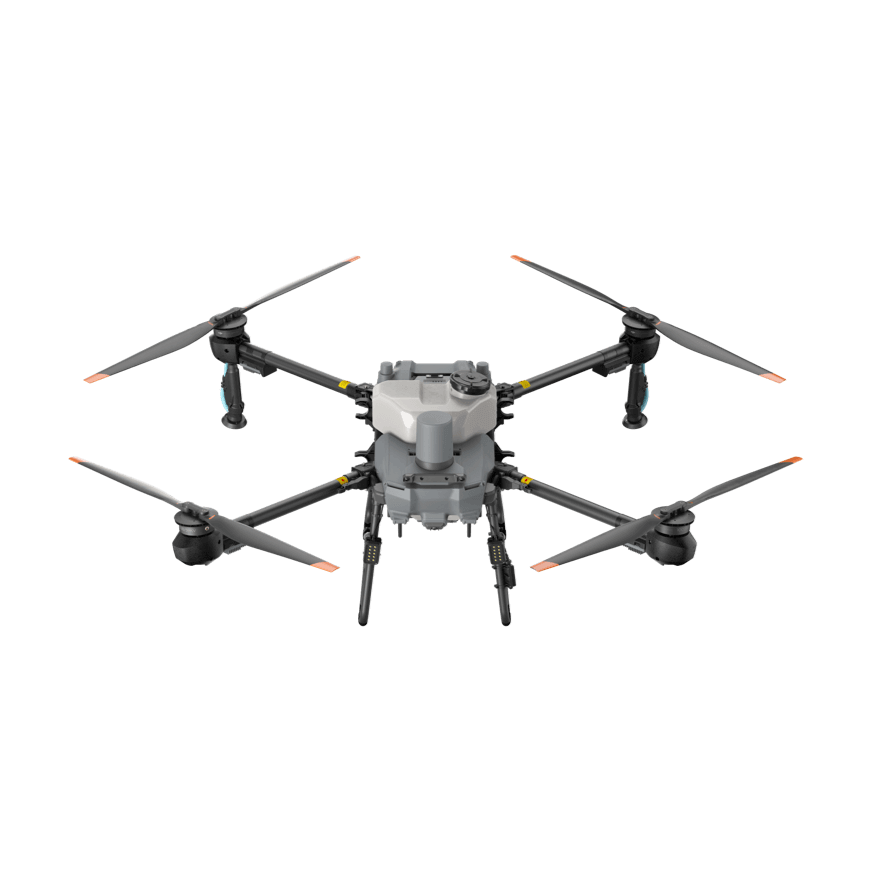
Our heavy-lifting drone range provides equipment references for that discussion. The initial output should be a defined logistics requirement, not a claim that aerial delivery is automatically faster or cheaper.
Protect the component’s identity and condition
A wrong or damaged spare delivered efficiently still leaves the maintenance problem unresolved. Keep the part number, consignment identifier and receiving work order together. Agree who checks identity before packaging and who records acceptance after delivery. A label must remain readable without relying on someone approaching an aircraft to inspect it.
Evaluate packaging for orientation, moisture, vibration and the intended load attachment. A delicate seal assembly, a dense metal component and a long flexible item need different packaging decisions. Do not assume that a component’s shipping carton is suitable for suspension or has a usable lifting point.
Weigh the prepared assembly, not the component alone. The FlyCart 100 payload FAQ explains that its dual-battery headline accounts for specified lifting hardware. The available material allowance must therefore be checked against the exact system and application recommendation, rather than copied from a product headline.

Wind maintenance: define a controlled ground interface
For a wind-maintenance proposal, begin with a ground receiving point that the site can control. Identify turbine operation, service vehicles, cranes, lifting activities and the maintenance team’s access arrangements as separate interfaces. The asset operator should explain the relevant site restrictions and the flight operator should determine whether the proposed operation can accommodate them.
Do not imply that a turbine being stopped makes every nearby route acceptable. A stopped rotor, a parked blade or an exposed working platform can remain an obstacle and a source of complex local conditions. A delivery plan must address the actual aircraft, cable and load volume as well as the people working nearby.
If the proposal involves a more demanding receiving point, treat it as a separate engineering and operational assessment. Do not convert a manufacturer’s generic lifting photograph into evidence that a specific nacelle, platform or turbine delivery has been validated.
Hydro and water sites: plan the recovery problem early
A hydro or waterfront route may introduce steep banks, water, structures and constrained receiving areas. Ask what happens to the aircraft and consignment if the planned receiver becomes unavailable, and whether an alternative receiving or recovery point exists within the assessed operation. A convenient outward route across water can conceal a difficult return or recovery problem.
The FC200 manual describes limitations of sensing and height-related assistance over water. That is a reason to assess the actual surface and manual guidance, not to assume that a sensor-equipped aircraft will hold a universally safe height without further judgement.
The site must also control its operational interfaces: water-level changes, workboats, moving equipment and access by other teams. The transport proposal should show how those changes are communicated before and during the work window. It should not presume permission to cross every part of the facility.

Utility sites: permissions do not travel with the spare
For an electrical or other utility asset, identify the receiving area, access restrictions and the people who coordinate work around the asset. Do not invent a clearance distance or interpret the aircraft’s obstacle sensors as electrical-clearance assurance. The appropriate asset procedures and the operator’s accepted flight conditions must be compatible.
The EASA guidance explains that geographical-zone permission can be independent of the operating category and authorisation. A maintenance contract or an urgent need for a spare does not automatically remove those requirements. The IAA operational-authorisation page likewise directs customers to check the operator’s applicable authorisations, competence and insurance.
Keep urgent logistics distinct from an assumed emergency aviation privilege. If a proposed route cannot be conducted within the required controls, the correct logistics response may be to use another transport method rather than stretch the meaning of a supplier’s capability statement.
Select the working system for the accepted receiving point
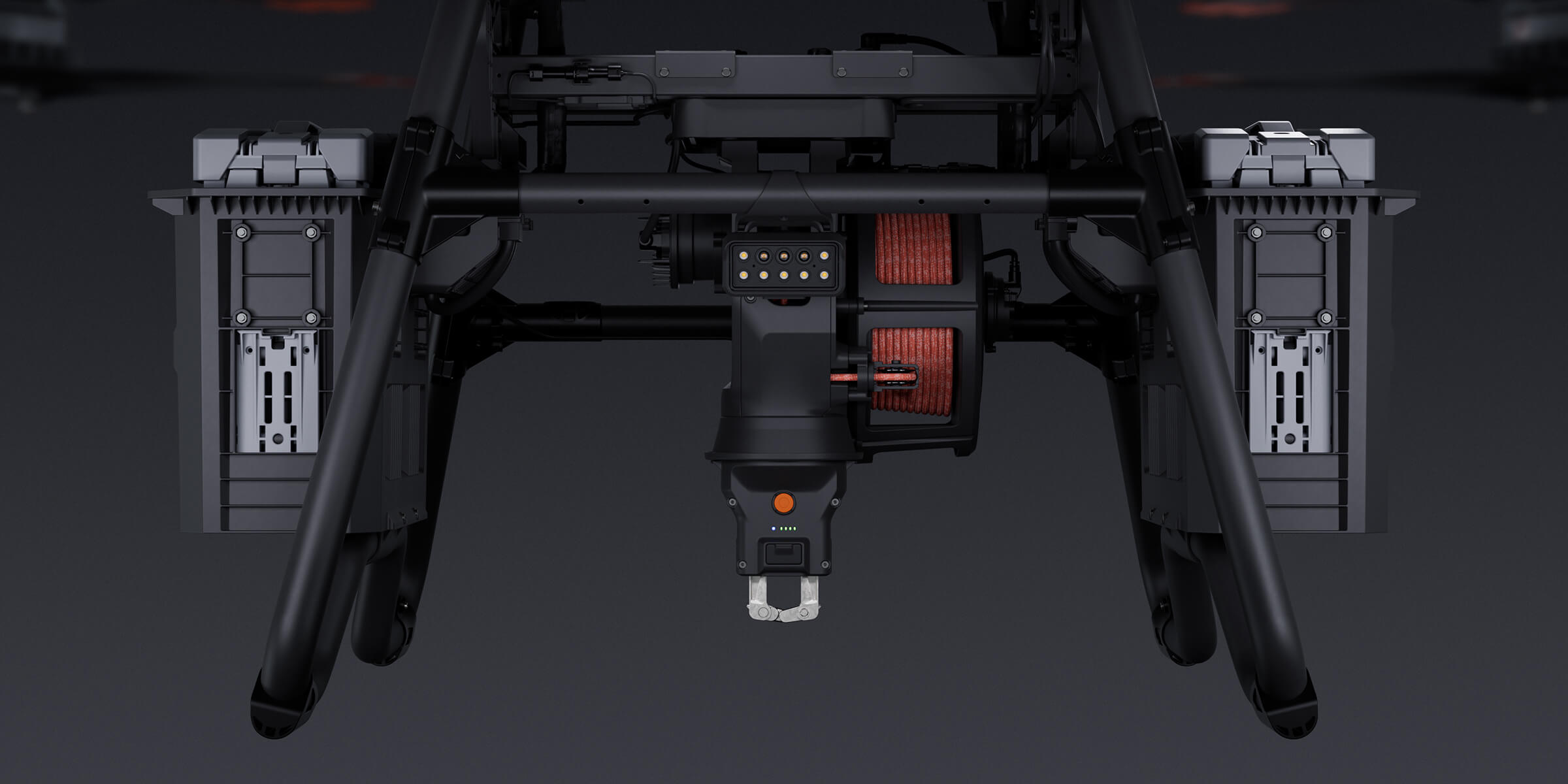
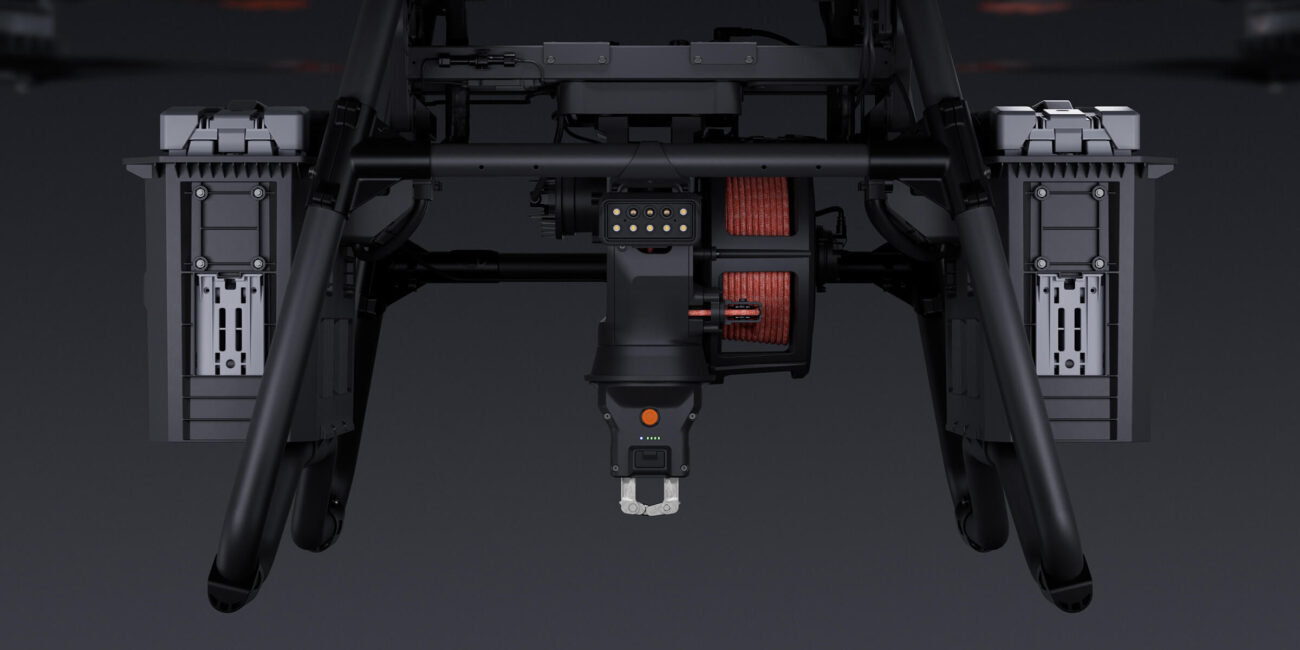
Where the receiving point cannot support a landing, powered lowering may merit assessment. That choice adds cable inspection, snagging, touchdown, release and unloaded-departure steps. It is not merely a way to omit ground preparation. The receiving team must know when the item is secure and when it may be approached.
DJI’s FC100 flagship winch product information requires the correct aircraft compatibility, normal hook operation and sound cable condition. It also instructs users to retract the cable for flight without a payload. Those details belong in the proposed procedure and commissioning checks.
Review the FlyCart 100 Two-Battery Winch Package for a single installed dual-battery set, or the Six-Battery Winch Package where additional rotation inventory is relevant. Six individual batteries are three pairs, not a guarantee that charging keeps pace with repeated deliveries.

Illustrative spare-parts mission: ground delivery first
Illustrative planning example: a wind-maintenance team needs an indivisible replacement component and separate hand tools. The proposal initially names the turbine itself as the destination. During the planning discussion, the team instead identifies a controlled ground receiving point from which its established maintenance handling method can take over.
The component’s packaged mass and attachment method are checked separately from the tool consignment. The operator evaluates the proposed route and contingencies; the site coordinator confirms the work window and receiving arrangements. Charging and battery inventory are then matched to the intended sequence rather than assumed from a maximum endurance figure.
This example demonstrates a decision method only. It does not claim a flown mission, a measured time saving or an unrestricted right to work beside an asset. If the ground interface cannot be controlled, the proposed aerial delivery remains unproven.
Ask for an acceptance plan, not a generic demonstration
A useful demonstration tests the transport chain: item identification, attachment, control of the two working areas, communication, delivery, clear departure and signed acceptance. Agree how a damaged package, unexpected wind change or unavailable receiver will stop the exercise. Include the return of lifting fittings and records, so that an incomplete handover does not become the starting point for the next lift.
Request equipment against that acceptance plan. State the expected regional aircraft, exact working system, total flight batteries, charging source and any separately required ground equipment. Treat specialist commissioning, training and recurring services as explicit quotation items rather than assumed inclusions.
Use the related emergency, training and insurance articles to prepare the wider operation. The next practical step is a technical logistics discussion with the operator and asset manager together, supported by the real consignment and site information, not a catalogue-based promise of completed deliveries.
Frequently asked questions
Does an urgent spare-parts delivery remove flight restrictions?
No. Urgency and an asset-maintenance contract do not establish the required aviation, geographical-zone or site permissions.
Does the article propose delivery onto a turbine?
No. It recommends defining a controlled receiving interface, initially a ground staging point. Any more demanding receiving point requires its own assessment.
Explore the aircraft and packages
Follow the product page for the exact configuration and included equipment. Equipment selection and operating authorisation are separate parts of the project.


Talk to Irish Drone about your project
Send us the site, task, load or application material, intended operating pattern and available charging supply. We can help scope a suitable aircraft and package and discuss the preparation needed for an Irish operation.
Contact usPlan the next part of your operation

Official sources and technical guidance
These links support specific facts in the guide. Check the current revision and operating conditions when preparing a real project.


Leave a comment