
Specify the energy path and the ground workflow before choosing the vehicle layout or a generator.

Design the worksite before buying a vehicle layout
A support vehicle must carry and organise a complete working system. List the aircraft, batteries, charging equipment, any generator, material or water, handling equipment and the items needed for inspections and records. Check actual masses and dimensions with the vehicle supplier, including secure transport and access to equipment. A neat photograph of a fitted van is not evidence that a proposed load is suitable or that the equipment can operate safely in that arrangement.
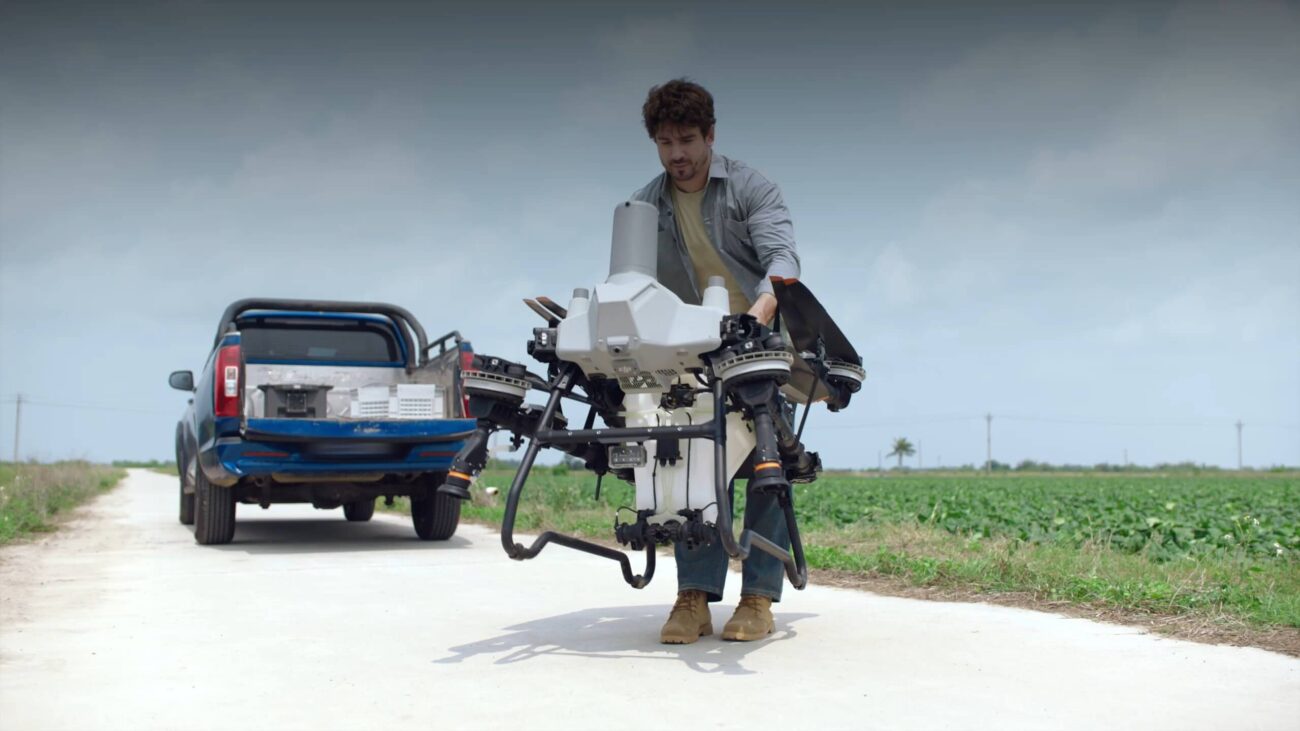
Separate transport mode from operating mode. Items secured for travel may need to be unloaded and positioned differently before work begins. Define the loading area, charging area, material preparation point and aircraft operating area on a site sketch. Show how people move between them and what happens when weather or access changes. The vehicle should support the agreed process rather than force the crew to work around a convenient but unsuitable cabinet arrangement.
Build a model-specific energy schedule
Start with the battery family, then identify the compatible charger or charging station and its required inputs. The T25P specification pairs DB800 with its listed C8000/D6000i equipment. The T50 specification identifies DB1560 and C10000. These names should remain tied to the exact model and revision; a familiar C8000 name elsewhere in the DJI range does not prove that two chargers are interchangeable.
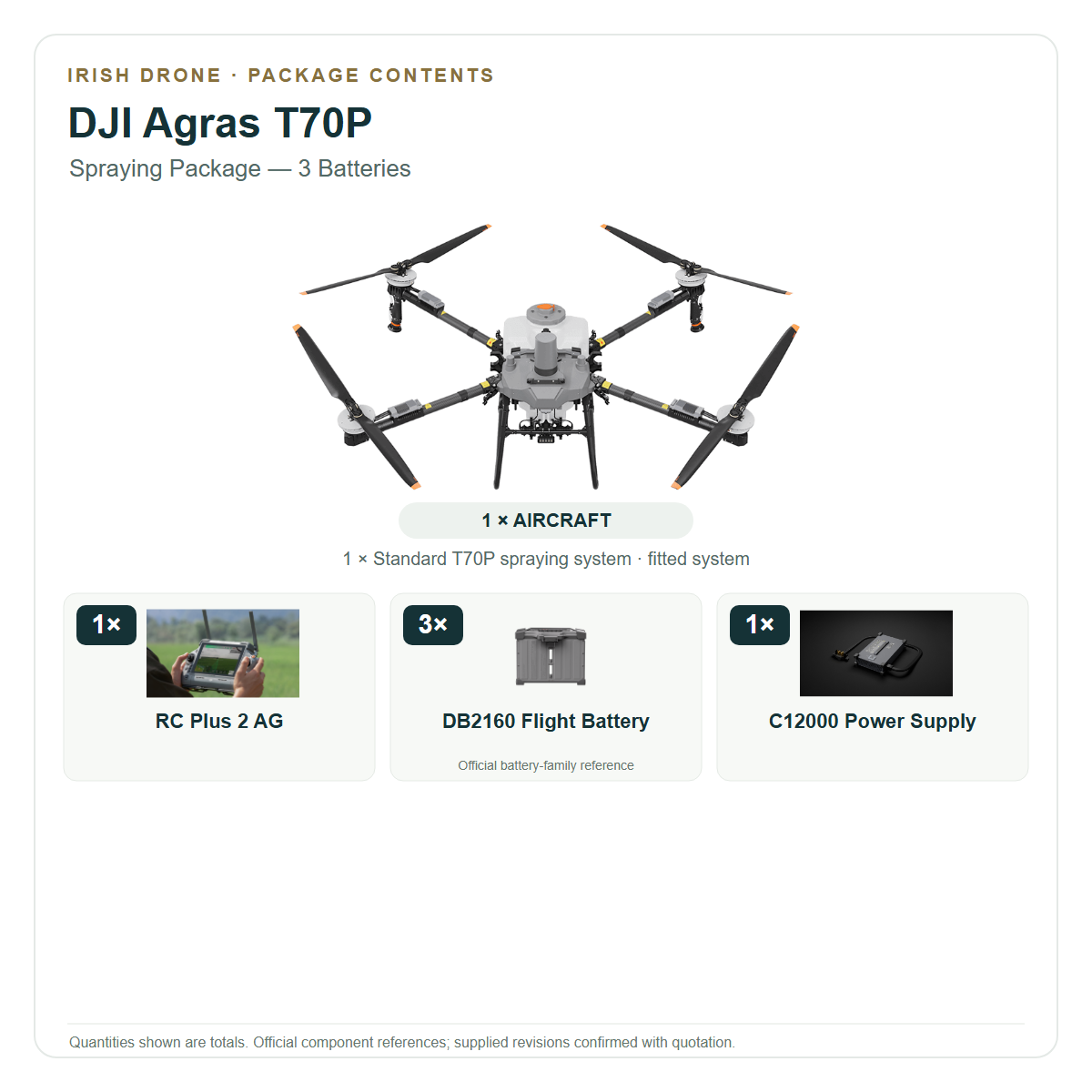
For T55, use the documented DB1050 or DB1580 configuration and verify the proposed C7000 arrangement. For T70P and T100, assess the appropriate battery and C12000 combination. Do not infer aircraft compatibility merely because a charger supports several battery types. Record model codes, leads, connectors and required accessories in the schedule. A generic claim that a portable power station, including a DJI Power 2000, can run the entire setup is not acceptable without specific manufacturer-backed electrical and compatibility evidence.

Treat the supply as part of the charging specification
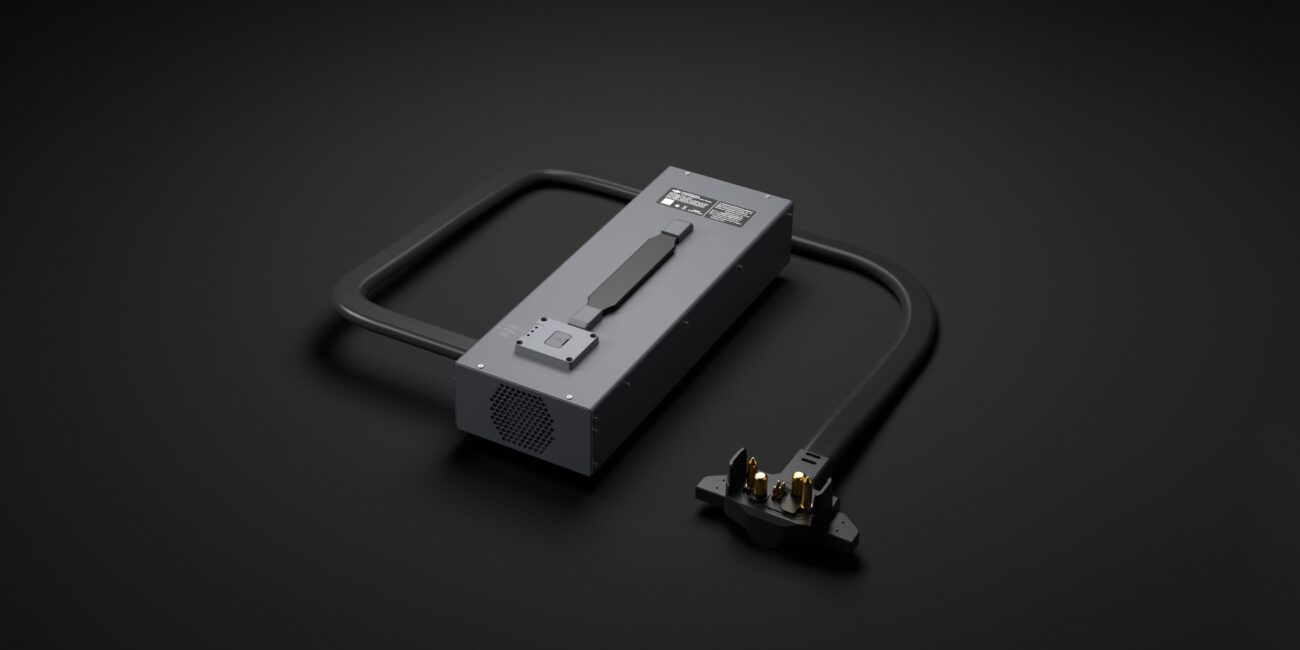
Charger output depends on the supply. DJI lists the C7000 at 7,000 W with three-phase 380 V input and 2,000 W with single-phase 220 V input. For the C12000, the corresponding published rated outputs are 12,000 W and 3,000 W. Those are configuration conditions, not interchangeable claims that the same turnaround is available from every farm socket.
The China T200 specification similarly distinguishes C18000 high-power three-phase operation from its 3,000 W single-phase rating. Its European supply and conformity remain unresolved. Have a competent electrical professional assess the actual installation and the complete load. The listed output does not size a supply cable, protective device or generator by itself. Avoid adding together nominal ratings without checking the input characteristics and the manufacturer’s requirements for simultaneous operation.
Have the electrical arrangement professionally assessed
HSA farm electrical guidance emphasises suitable equipment, maintained connections and competent assessment of electrical installations. Bring the aircraft supplier’s exact input requirements to the registered electrical contractor responsible for the worksite. Ask that the supply, protection, connectors, cable routing, isolation and environmental exposure are considered together. This article does not provide a wiring design or a substitute for that professional assessment.
Include practical use in the review. Cables should not create an uncontrolled crossing through the aircraft or pedestrian area, and charging equipment should not be placed where filling or cleaning exposes it to unsuitable conditions. Identify how the crew isolates equipment and reports a fault. Do not recover a charging delay by improvising adapters, increasing a protective-device rating or continuing with a damaged connection. A safe, limited charging arrangement is more useful than an unverified high-power promise.

Give generator operation its own space and procedure
A generator is an engine-driven item of equipment with requirements beyond electrical output. Follow its manufacturer’s instructions for placement, weather exposure, fuel, exhaust, cooling and maintenance. HSA warns about carbon-monoxide danger from generators in enclosed areas. Use a suitable outdoor arrangement; do not treat opening a van door as proof that operating an engine inside the vehicle is safe.
Plan refuelling and routine service away from the active aircraft and material-preparation process, using the appropriate safety arrangements. Confirm access for inspection and the ability to shut down the equipment. If the site cannot provide a suitable generator location, assess another properly designed supply or revise the job. A charging station’s compatibility with a battery does not establish that a particular third-party generator, improvised enclosure or vehicle electrical outlet is suitable for powering it.
Keep water, material and batteries moving without conflict
Draw the sequence from stored material to the aircraft and from a used battery to its next ready state. Provide an identifiable place for each stage, with clear status labels and enough room for safe handling. Keep material measurements, battery checks and aircraft release decisions distinct. The layout should reduce ambiguity when the team is tired or a job is interrupted, not simply make every item reachable from one position.
Assess the proposed T55 three-battery configuration and T70P alternative against that sequence. More batteries can support a rotation, but they also add transport mass, handling and inspection tasks. A second charging unit only helps if the supply and worksite can support it. Test the arrangement with the actual equipment and crew, recording waits and conflicts before deciding whether a larger vehicle or additional energy equipment would improve the operation.

Illustrative example: a farm supply that changes the plan
Imagine a contractor initially planning around a high-power charging headline. This is an illustrative design example. The electrical review finds that the available farm supply does not support the assumed operating condition. The contractor revises the battery rotation and schedule, or considers a suitable manufacturer-supported generation arrangement, rather than retaining the same charging-time promise in the client quotation.
A site exercise then checks where the vehicle can park, how material reaches the aircraft and whether the charging area remains clear of the replenishment route. The team finds and resolves a pedestrian conflict before application work begins. None of this demonstrates a universal number of jobs or hectares per day. It demonstrates that the proposed system has been assessed as a worksite. The record should identify which supply condition was tested so that a later move to another farm does not silently invalidate the assumptions.
Specify the vehicle and site acceptance evidence
Ask for an equipment schedule, an electrical assessment, operating instructions, transport restraints and a demonstrated ground routine. Identify who checks the site supply at each visit and what requires a new assessment. Keep the model and revision information with the vehicle rather than relying on labels such as fast charger or agricultural power kit. Do not assume that batteries, controllers, cooling equipment or installation leads are included unless the quotation lists them.
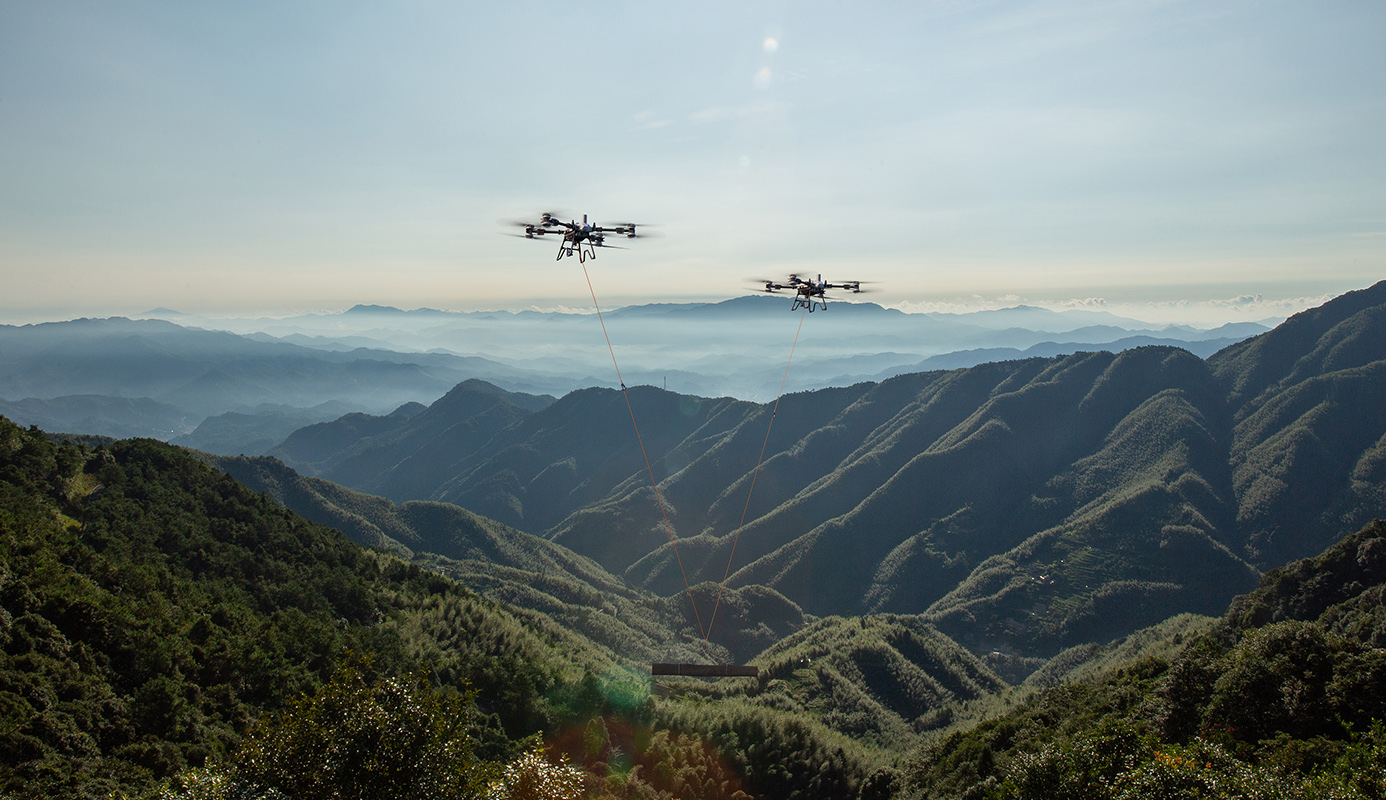
For a conditional T200 proposal, the two-battery lifting package is quote-only and its prerequisites remain explicit. For established application configurations, bring Irish Drone the intended site supplies, the equipment already owned and the operating sequence you need to support. The useful next step is a verified energy and logistics plan, followed by a bounded commissioning exercise, with compatibility and electrical questions resolved before the vehicle is put into service.
Frequently asked questions
Does a charger’s headline power guarantee its charging time on a farm socket?
No. Verify the exact input conditions, installation, battery state and manufacturer test conditions.
Can a generic portable power station be assumed to run an Agras charging setup?
No. Specific electrical and manufacturer compatibility evidence is required; no generic Power 2000 compatibility is claimed.
Explore the aircraft and packages
Follow the product page for the exact configuration and included equipment. Equipment selection and operating authorisation are separate parts of the project.



Talk to Irish Drone about your project
Send us the site, task, load or application material, intended operating pattern and available charging supply. We can help scope a suitable aircraft and package and discuss the preparation needed for an Irish operation.
Contact usPlan the next part of your operation


Official sources and technical guidance
These links support specific facts in the guide. Check the current revision and operating conditions when preparing a real project.
DJI’s Chinese-market T200 and FC200 references may require China Mainland to be selected in the official site’s region settings; the default region can display a not-found page. Their regional technical data does not establish an Irish configuration or operating approval.


Leave a comment