

A remote destination is only useful if the load, departure point, receiving team and contingency plan can work together.
Treat T200 as an agricultural lifting reference
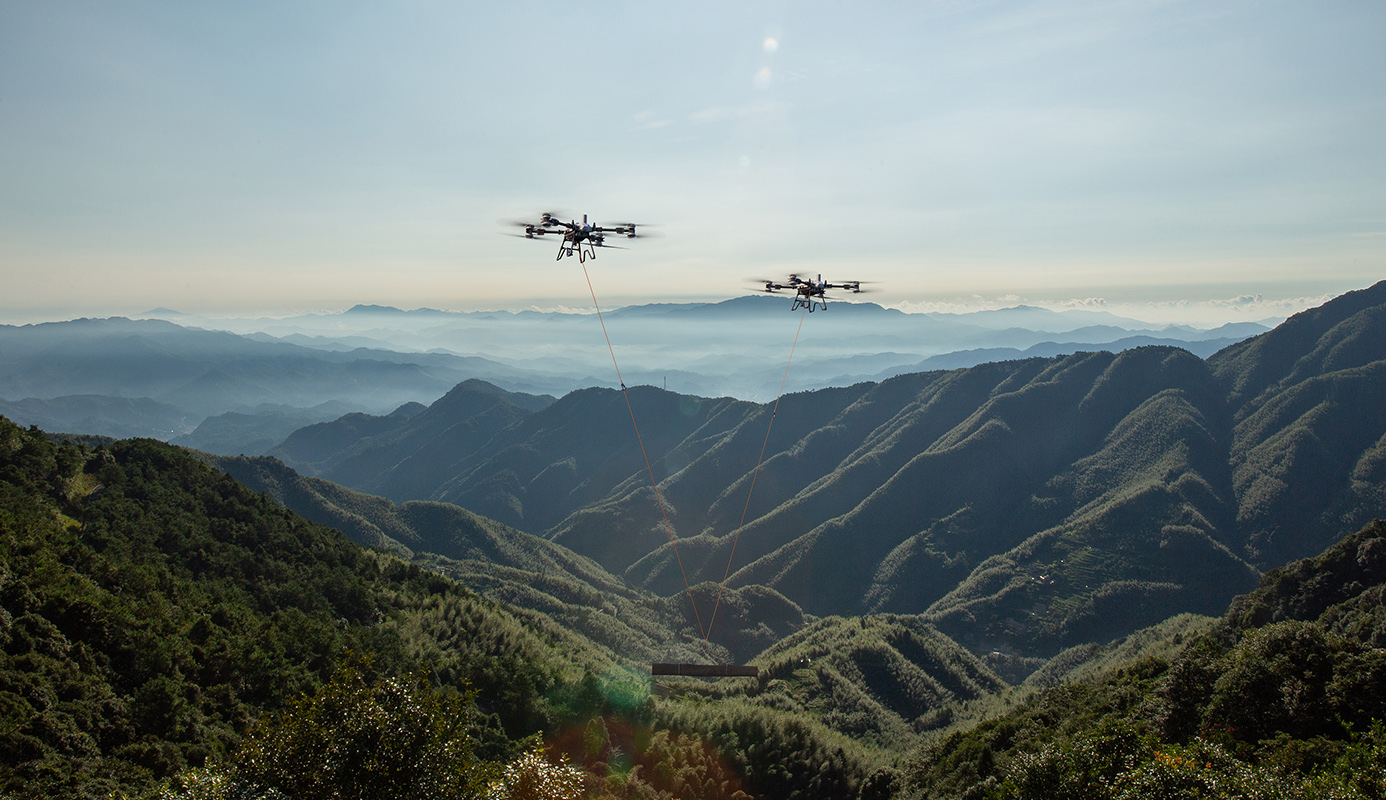
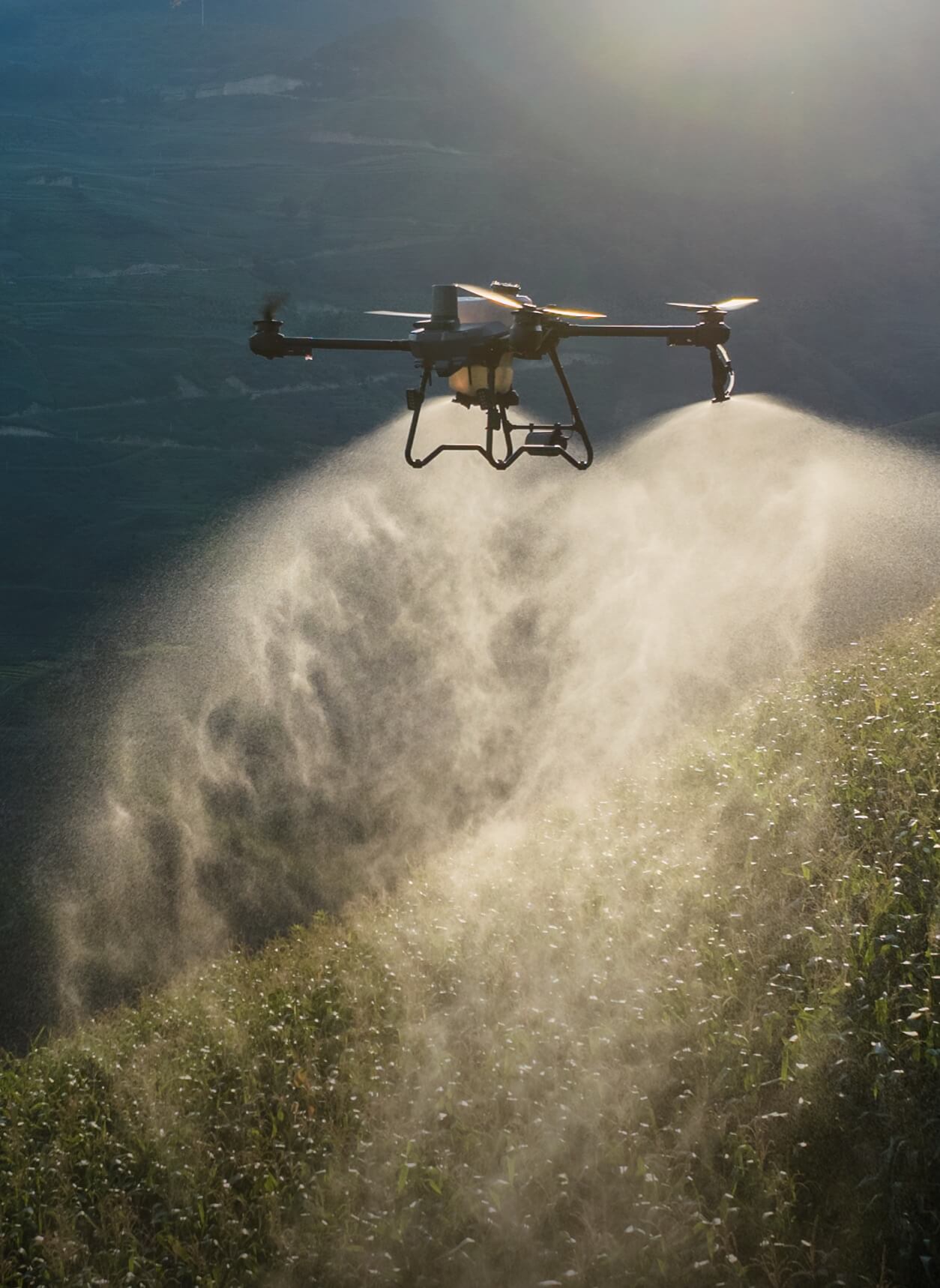
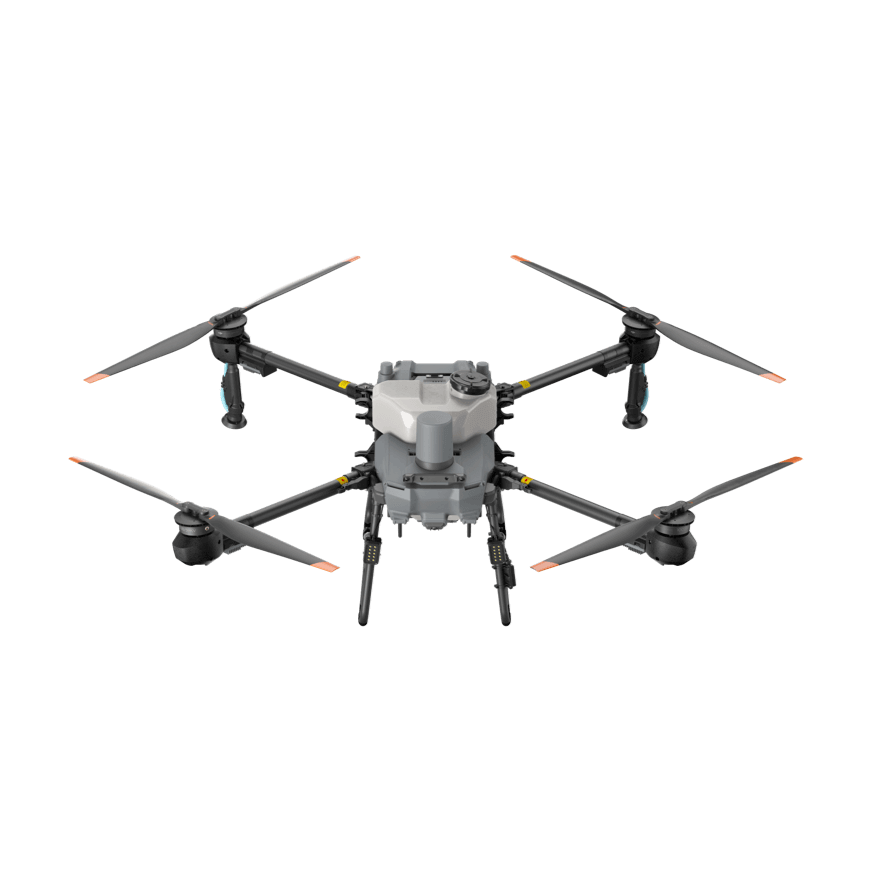
The T200 belongs in a farm-logistics discussion. DJI’s current China FAQ states that it does not support spraying or spreading and identifies DL200 lifting equipment rather than the FC200 flagship winch system. It should not be described as a larger Agras sprayer. The starting question is whether a particular farm transport task can be carried out with a controlled suspended load and a suitable operating arrangement.
The DJI T200 catalogue page is a technical reference, not confirmation of European conformity, Irish supply or permission to operate. Those matters remain unconfirmed for this model. A useful feasibility review therefore keeps the aircraft discussion conditional while examining the real farm problem. Identify what needs moving, where it starts, where it finishes and what ground methods are available. A difficult access route does not by itself make aerial transport the appropriate answer.
Describe the whole load and its attachment
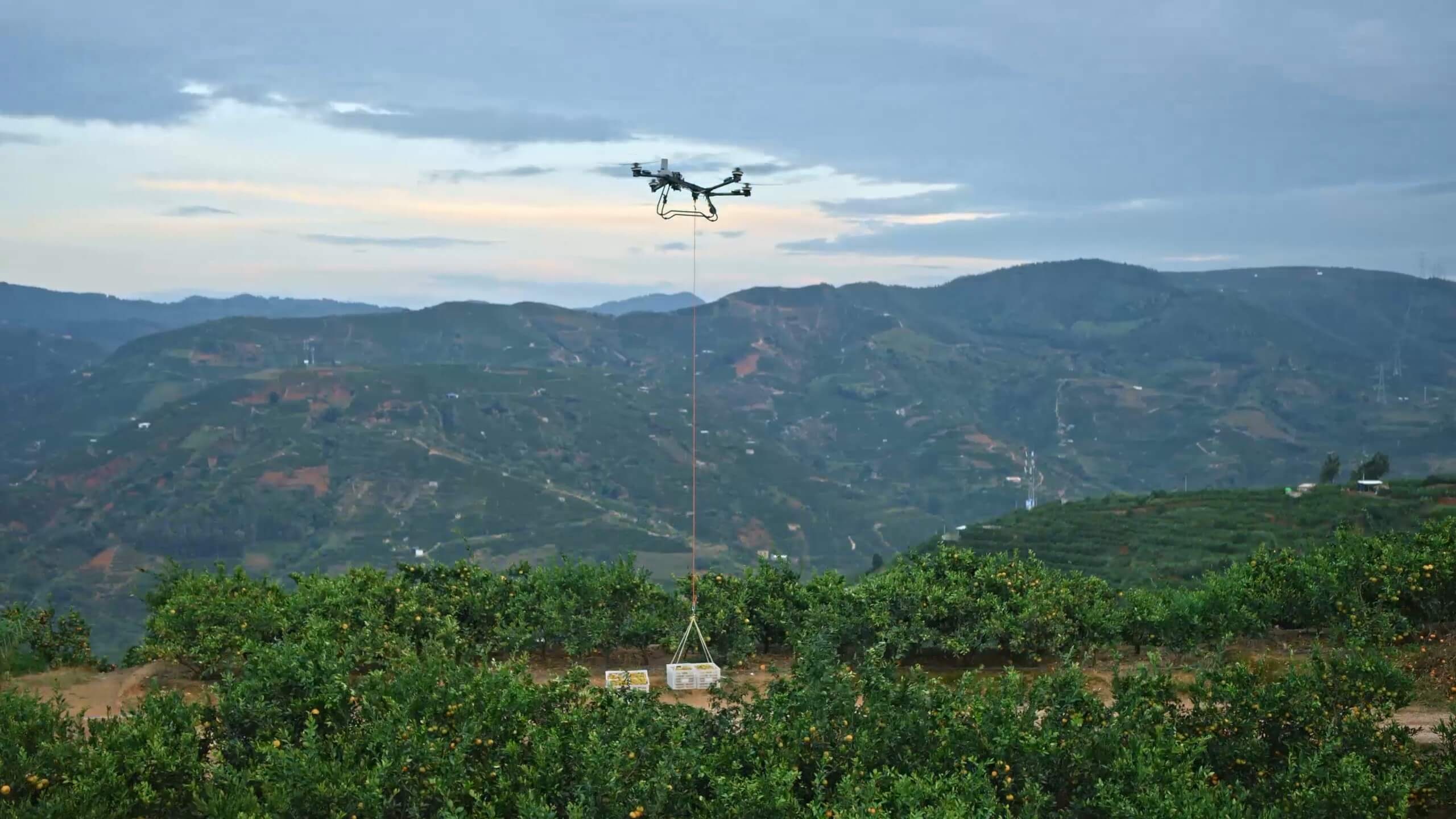
Weigh the actual consignment with its packaging, lifting attachments and any equipment that travels with it. Record its dimensions and how its centre of gravity may change. Loose contents, flexible bags and large wind-facing surfaces can behave differently from a compact test weight. Ask a competent load-handling specialist to review suitable attachment points and the receiving procedure before treating the consignment as ready for flight.
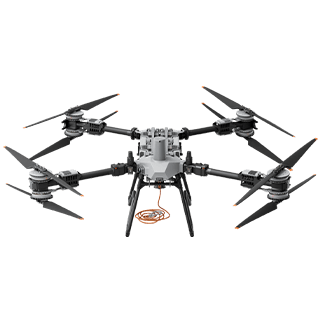
The official T200 specifications describe the DL200 arrangement and a 15 m lifting line. This is not a generic powered-winch description and does not establish a usable aircraft payload for every circumstance. Use the recommended load for the exact configuration and conditions, with the appropriate operating limits. Keep the mass of the lifting equipment in the calculation and distinguish the lifting system’s published capability from the limits of the complete aircraft operation.
Survey the route as well as the destination
A steep field can look straightforward on an overhead map while the route crosses a lane, overhead service, occupied building or place where stock move. Review the entire proposed corridor and both ground sites. Identify who controls each area, how entry is prevented where required and whether the team can observe and communicate as the operation demands. Record the places where the suspended load or line could interact with terrain or vegetation.
Do not assess clearance only for the aircraft body. Include the load, the lifting line, movement of the consignment and the planned contingency behaviour. DJI’s FAQ specifically cautions that sensing performance varies with conditions and that load/line obstacle avoidance is assistance rather than a guarantee. A route should remain defensible if a sensor does not identify a particular feature. If that cannot be achieved, alter the plan or choose another transport method.

Design controlled departure and receiving points
The receiving location must offer more than a convenient patch of ground. Check the surface, slope, visibility, room for the load and the ability to keep people clear until the responsible operator gives the agreed signal. Define who controls access and who is authorised to handle the consignment. The departure site needs the same discipline, including a place to inspect and stage the next load away from the active aircraft.
Agree a communication protocol and a positive confirmation that the receiving area is ready. Describe what happens if the recipient cannot be reached, an animal enters the area or the intended position becomes unusable. These are operational planning recommendations, not claims about an automatic aircraft feature. A sound demonstration should show the ground handover and the stop procedure, not merely a successful transit between two points under unusually convenient conditions.
Evaluate two- and four-battery plans as configurations
DJI documents two- and four-battery operating modes for T200 using DB2400 batteries. They are identified configurations, not a promise that more batteries always improve every farm job. Battery placement, matching and operating checks must follow the current manual. Do not turn empty-aircraft hover figures into a loaded delivery endurance claim, and do not borrow an FC200 endurance result for T200.
The two-battery T200 lifting package and four-battery alternative are proposed configurations for discussion. Ask how they would be demonstrated with the real consignment, route and reserve policy under an appropriate authorisation. Also identify the charging supply. The C18000’s high-power specification depends on its input conditions; a charger name alone does not establish turnaround at a remote farm. The vehicle and power-site design must be settled before assuming a repeat delivery cycle.

Illustrative example: supplies beyond a steep access track
Imagine a holding considering movement of non-hazardous farm supplies from an accessible yard to a remote point. This is an illustrative feasibility exercise, not an actual Irish Drone project. The team compares keeping the existing ground route, changing the storage arrangement and a conditional aerial-lifting proposal. It weighs the loads and identifies the space and control available at both ends before selecting an aircraft configuration.
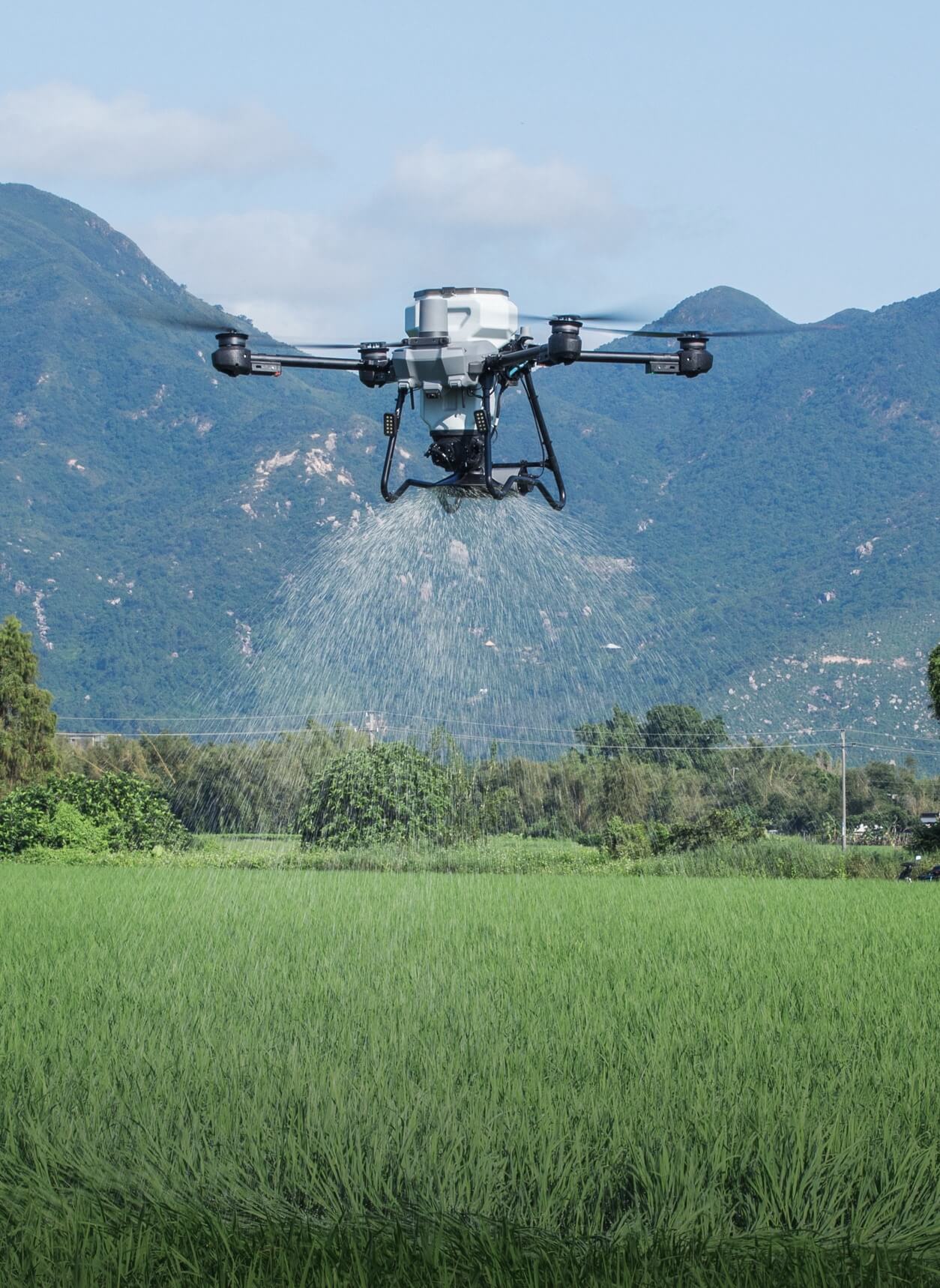
The review may find that the receiving point cannot be kept clear, or that the proposed flight path crosses an uncontrolled interface. That finding should stop the aerial proposal until the issue is resolved. If the site appears workable, the next step is a bounded, authorised demonstration with a suitable test load and documented acceptance criteria. The decision is based on the complete transport and handover process, rather than a manufacturer photograph of an aircraft carrying a farm load elsewhere.

Make the feasibility result useful even if it is no-go
Retain the load description, attachment review, route assessment, ground-site plan, communication procedure and energy assumptions in one decision pack. State what a demonstration must prove and what would cause the operation to stop. Record limitations and rejected options as well as successful observations. This helps the farm understand why the proposal is suitable, conditional or inappropriate, and prevents the same unresolved question returning during procurement.
Bring Irish Drone a site sketch and a load schedule rather than asking only for a maximum lifting figure. Request a quote-only configuration review, with every supplied component and installation requirement identified. The useful outcome is a defensible next step: resolve a document gap, redesign a receiving point, carry out a properly authorised test or retain a ground transport solution. European availability and conformity remain to be confirmed; this article does not convert the T200 listing into a ready-to-deploy Irish service.
Frequently asked questions
Can T200 spray or spread as well as lift?
DJI’s current China FAQ says spraying and spreading are not supported.
Do four batteries establish a particular delivery range?
No. Assess the exact configuration, real load, route, reserve policy and manufacturer conditions; empty-aircraft endurance is not loaded mission endurance.
Explore the aircraft and packages
Follow the product page for the exact configuration and included equipment. Equipment selection and operating authorisation are separate parts of the project.


Talk to Irish Drone about your project
Send us the site, task, load or application material, intended operating pattern and available charging supply. We can help scope a suitable aircraft and package and discuss the preparation needed for an Irish operation.
Contact usPlan the next part of your operation


Official sources and technical guidance
These links support specific facts in the guide. Check the current revision and operating conditions when preparing a real project.
DJI’s Chinese-market T200 and FC200 references may require China Mainland to be selected in the official site’s region settings; the default region can display a not-found page. Their regional technical data does not establish an Irish configuration or operating approval.


Leave a comment