
An emergency plan should tell the crew what to detect, who decides, what action follows and where people must remain. A generic phone-number sheet cannot do that.
Begin with the things that can change the task
For a heavy drone, a change on the ground can be as important as a warning on the controller. A worker entering the receiving area, livestock approaching the launch point or a vehicle stopping under the route may require the flight to be suspended. Build the emergency plan around the actual operation and the people exposed to it. The IAA authorisation guidance asks for an emergency response plan, either within the operations manual or as a separate supporting document.
Start a workshop with the pilot, loading lead, receiving lead and site representative. List credible events during preparation, launch, transit, delivery, return and charging. Give each event a detection method and a responsible person. Avoid an unprioritised catalogue of every imaginable failure; concentrate first on events that challenge the chosen mitigations. The aim is a plan the crew can use under pressure, with detailed supporting procedures available when needed. A diagram of the worksite is often more useful than another page of general safety language.
Distinguish the planned area from the space for failure
The flight geography describes where normal flight is intended. Contingency arrangements need additional space, and the ground risk buffer addresses effects beyond the operational volume as applicable. The IAA UAM 008 guidance explains these spatial concepts. Current SORA requirements and the selected pathway determine the analysis; do not take a single distance from an unrelated example and apply it to every aircraft.
Draw the areas using a consistent coordinate and height reference, then test the drawing against the real site. Include loading and receiving activity, access routes, nearby buildings and any location where an aircraft or load could create a significant hazard. A controlled ground area is an arrangement that must work in practice. A fence on the map is insufficient if a public footpath remains open or a neighbouring contractor can enter without warning. If the intended control cannot be achieved, redesign the site or route before finalising the risk argument.

Match airborne responses to the aircraft and load
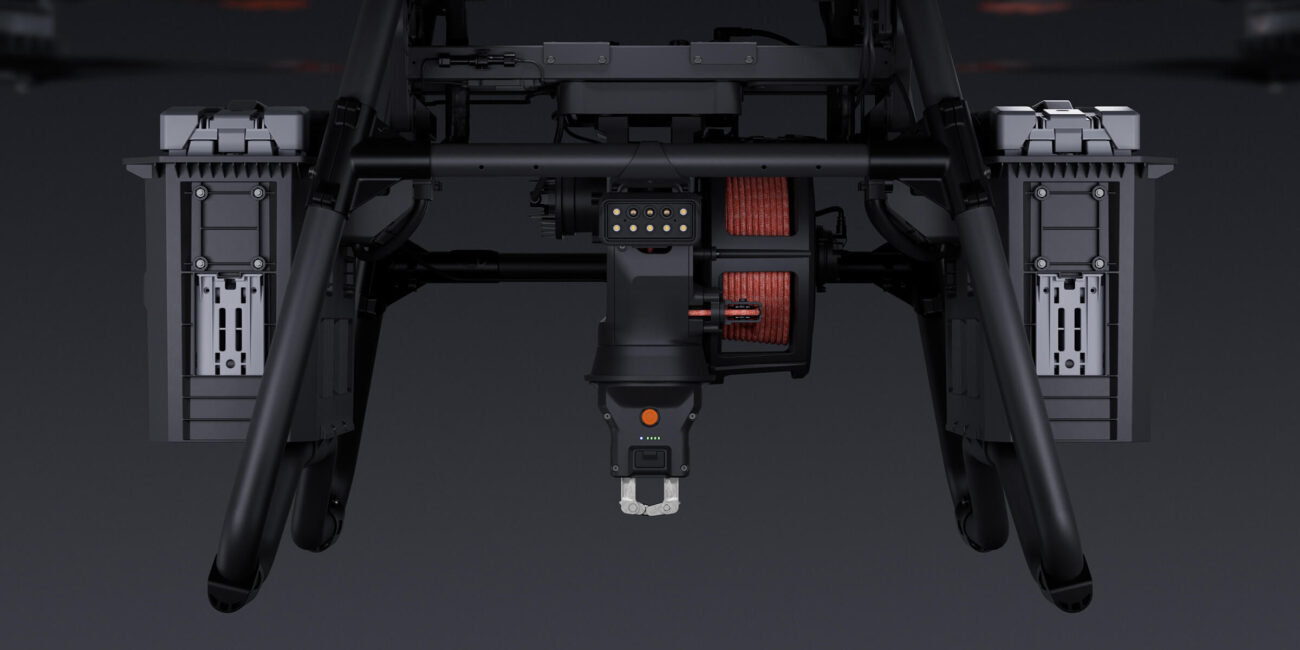
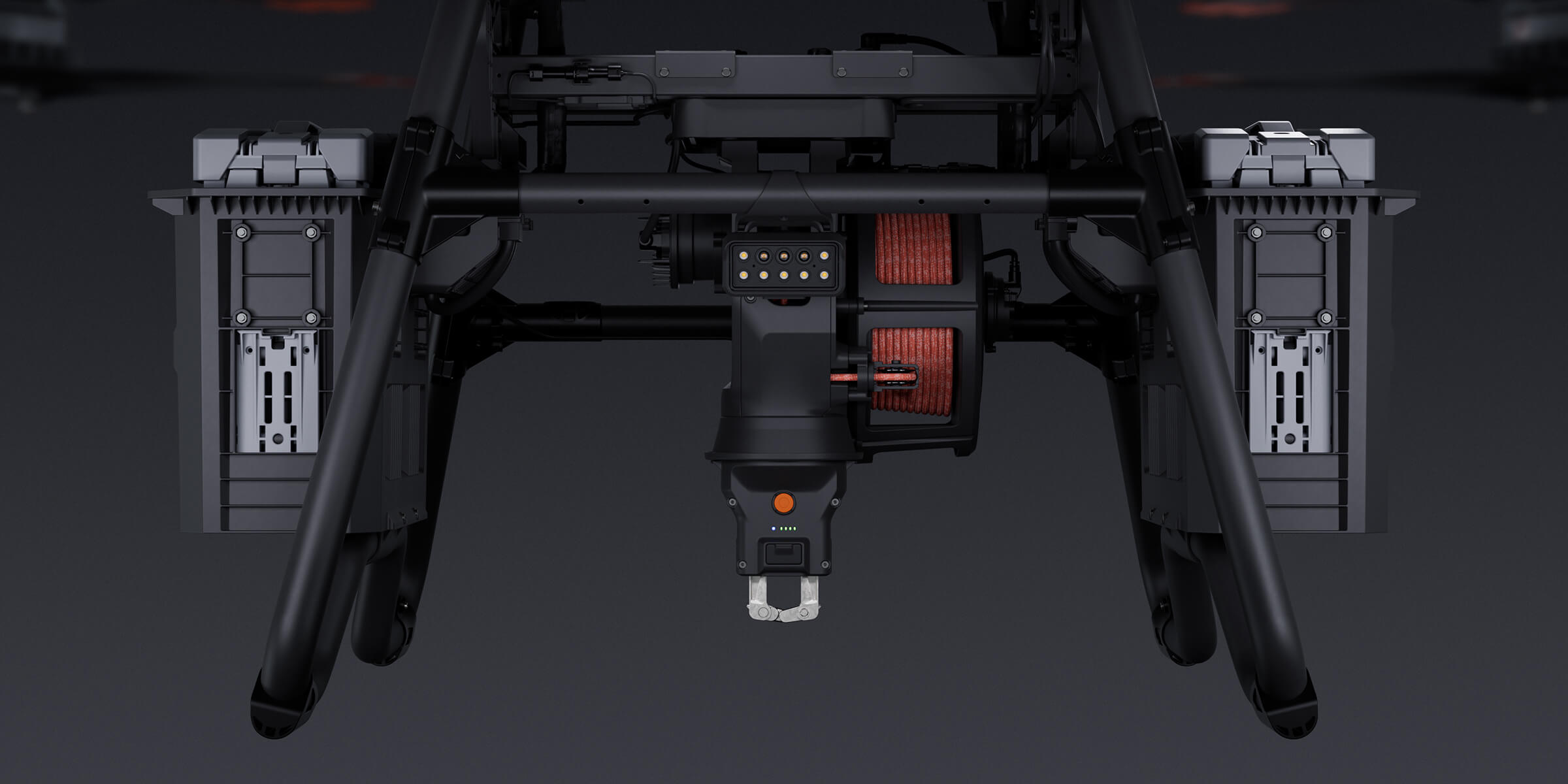
Do not write one response called “activate return-to-home” for every abnormal event. The correct response depends on aircraft capability, position, remaining energy, route, load and the condition being managed. A climb, return or landing action may introduce new risks if a load is suspended or a receiving area is no longer available. Use the relevant official model documentation, such as the FlyCart 30 manuals, and the procedures accepted for the operating concept.
Containment claims require evidence of the means relied on. A geofence, an emergency command and a flight-termination system are not automatically equivalent. If a technical function is part of the safety case, identify its configuration, performance evidence, inspection method and limitations. Never test a destructive emergency function over an uncontrolled area. A tabletop review or safe ground-based demonstration can establish crew understanding without creating the emergency itself. Where a procedure remains unresolved, mark it as a pre-operation action rather than filling the manual with an optimistic assumption.
Plan recovery, energy and site hazards
The response continues after the aircraft is on the ground. Consider damaged batteries, unstable loads, rotors that may restart, spilled material and access for emergency services. Place charging and fuel equipment according to the applicable manufacturer instructions and site risk assessment. Fire response requires competent, equipment-specific preparation; avoid inventing a universal extinguishing procedure for all battery events. The HSA risk-assessment guidance is relevant to the employer’s wider worksite responsibilities alongside the aviation plan.
Record emergency access coordinates, the person meeting responders and the information that must be passed to them. Include details of any chemical material where relevant, using the product’s actual safety information. Define who may approach a damaged aircraft and how the site will be secured while specialist advice is obtained. A heavy-drone recovery may require equipment and people beyond the flight crew. Identify that dependency before a mission on an isolated slope rather than discovering it only after a forced landing.

Run a tabletop drill before the first commercial task
An illustrative drill starts with a loaded aircraft preparing for delivery when the receiving coordinator reports an unexpected vehicle. Ask the pilot what information is needed, the receiving team where they will stand and the loading team whether the next task may continue. Introduce a communication failure only as a discussion prompt. This reveals ambiguous responsibilities without subjecting an aircraft to a deliberately unsafe condition.
Write a short record: scenario, participants, decisions, issues and actions. Repeat the briefing after correcting the procedure. A second exercise can address a ground incident during charging or a change in the weather decision. These drills do not replace required practical training or technical testing, but they help demonstrate that written procedures can be understood and executed. Keep the exercise realistic for the selected FlyCart or Agras configuration. Do not count a demonstration with an empty camera drone as evidence that the crew can manage a suspended-load emergency.
Keep the plan alive and connect it to equipment selection
Review the emergency arrangements when the site, aircraft, cargo, crew or operating procedure changes. Record occurrences and near misses through the operator’s process and make any required regulatory reports. A task log should show why a mission stopped and what had to be resolved before restarting. The Specific-category responsibilities include records, appropriate personnel and maintaining the drone in a safe condition; an emergency plan becomes useful when these everyday controls support it.
Compare packages only after identifying the worksite requirements. Extra battery sets, a suitable winch or a different charging arrangement may solve specific logistical problems, but they do not replace ground control or containment evidence. Irish Drone can help align the equipment brief and commissioning information with the proposed operation. Bring a site map, load description and intended workflow so that the discussion produces a practical action list rather than an equipment list detached from the way the system will actually be used.
Frequently asked questions
Is a standard return-to-home setting a complete emergency plan?
No. Responses must match the aircraft, load, site, operating concept and the specific failure or event being managed.
Can we use the same buffer at every site?
Only if justified by the applicable assessment and conditions. Use configuration-specific analysis and the actual site geometry rather than a copied distance.
Explore the aircraft and packages
Follow the product page for the exact configuration and included equipment. Equipment selection and operating authorisation are separate parts of the project.


Talk to Irish Drone about your project
Send us the site, task, load or application material, intended operating pattern and available charging supply. We can help scope a suitable aircraft and package and discuss the preparation needed for an Irish operation.
Contact usPlan the next part of your operation


Official sources and technical guidance
These links support specific facts in the guide. Check the current revision and operating conditions when preparing a real project.




Leave a comment