

A certificate is one part of the file. Heavy-drone competence also needs to match the aircraft, load, site, procedures and authorisation.

Build a mission-specific competence matrix
The EU rules on Specific operations use competency-based training tied to the operation. Turn this into a practical matrix. List duties down the left: planning, airspace checks, aircraft inspection, battery handling, loading, flying, receiving, emergency coordination and maintenance release. Across the top, name each team member and the evidence required before that person may perform the duty. Some people may cover several roles, but the workload assessment must justify that combination.
For cargo work, distinguish flying skill from judging a suspended load. For agricultural application, distinguish aircraft control from mixing, calibration and product handling. Someone experienced with a camera drone may still need substantial conversion training. Set observable standards rather than vague outcomes such as “understands safety”. Examples include identifying a damaged attachment, stopping a launch when an uninvolved person enters the area, or correctly selecting the approved lost-link response for that site. These are suggested assessment exercises, not a replacement syllabus approved by the IAA.
Ask the assessor to record what a trainee can perform independently, what still requires supervision and which configuration was used. This makes the result useful when assigning the next job and exposes gaps that a simple attendance certificate may leave hidden.
Learn the supplied aircraft and configuration
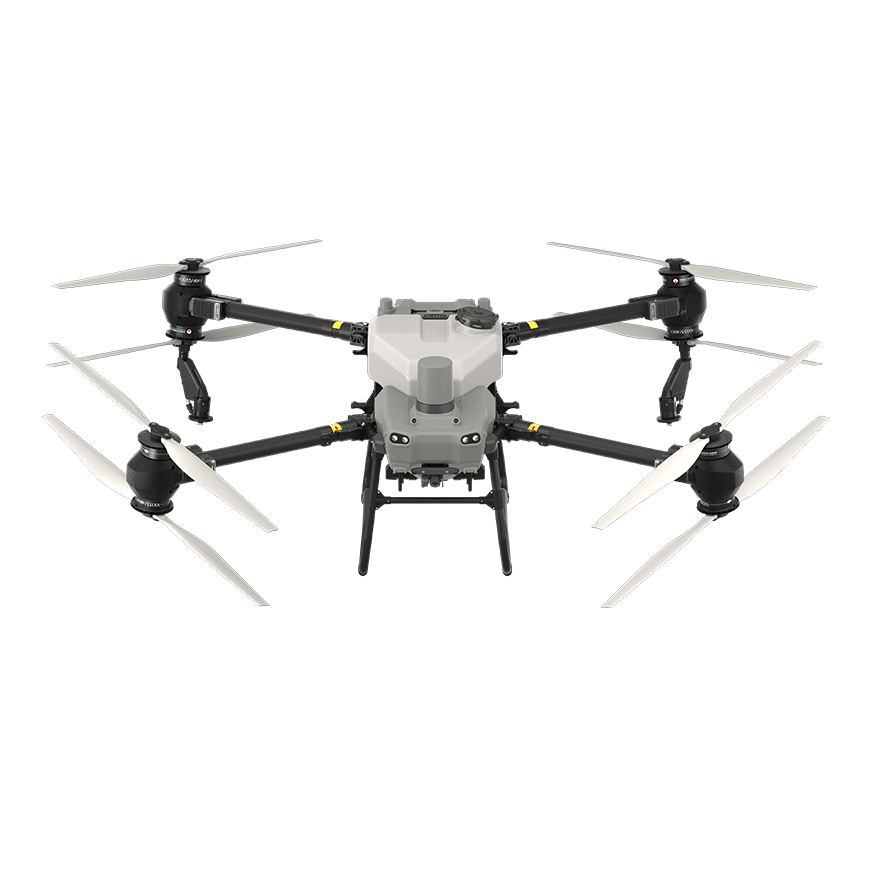
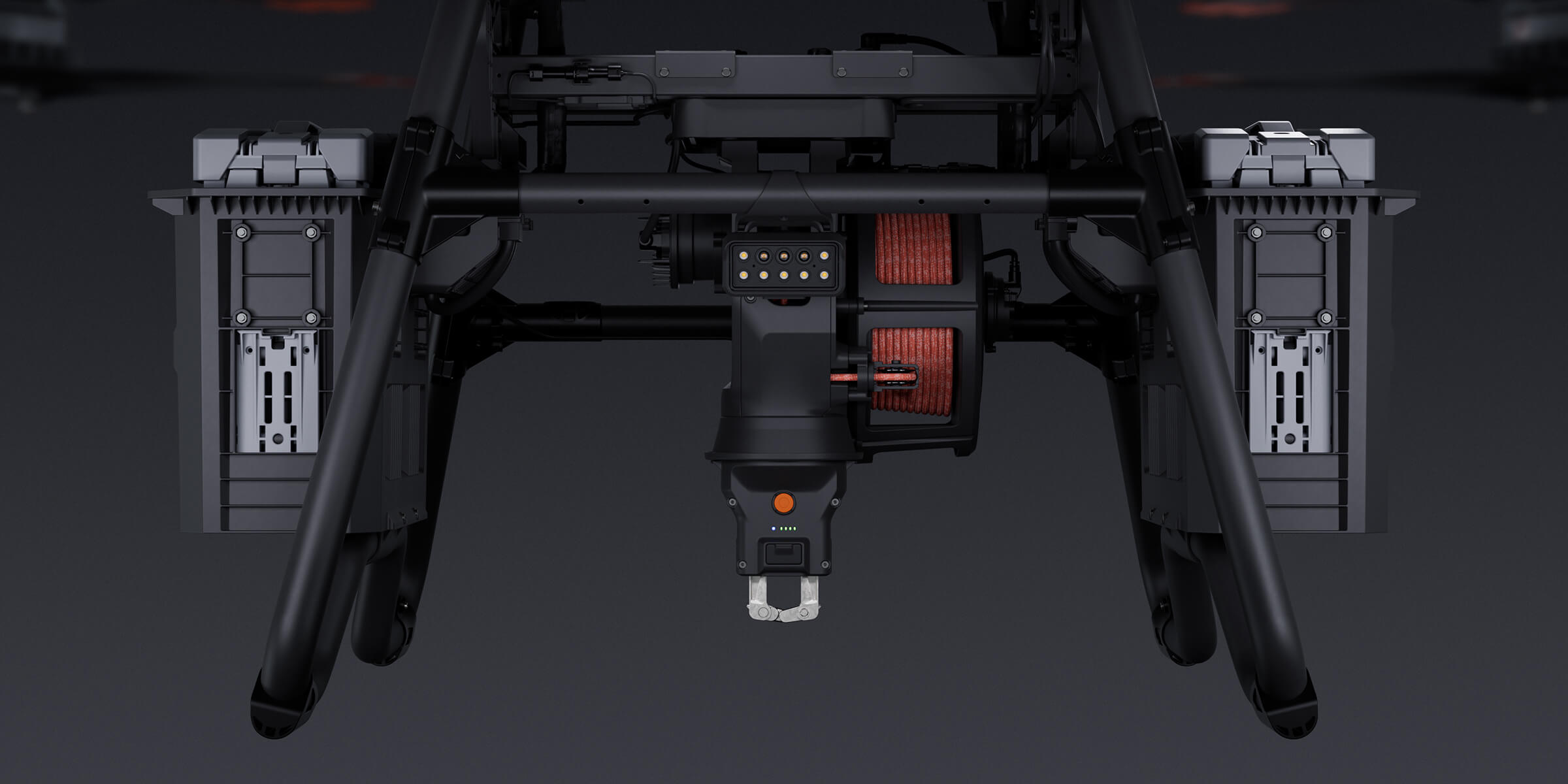
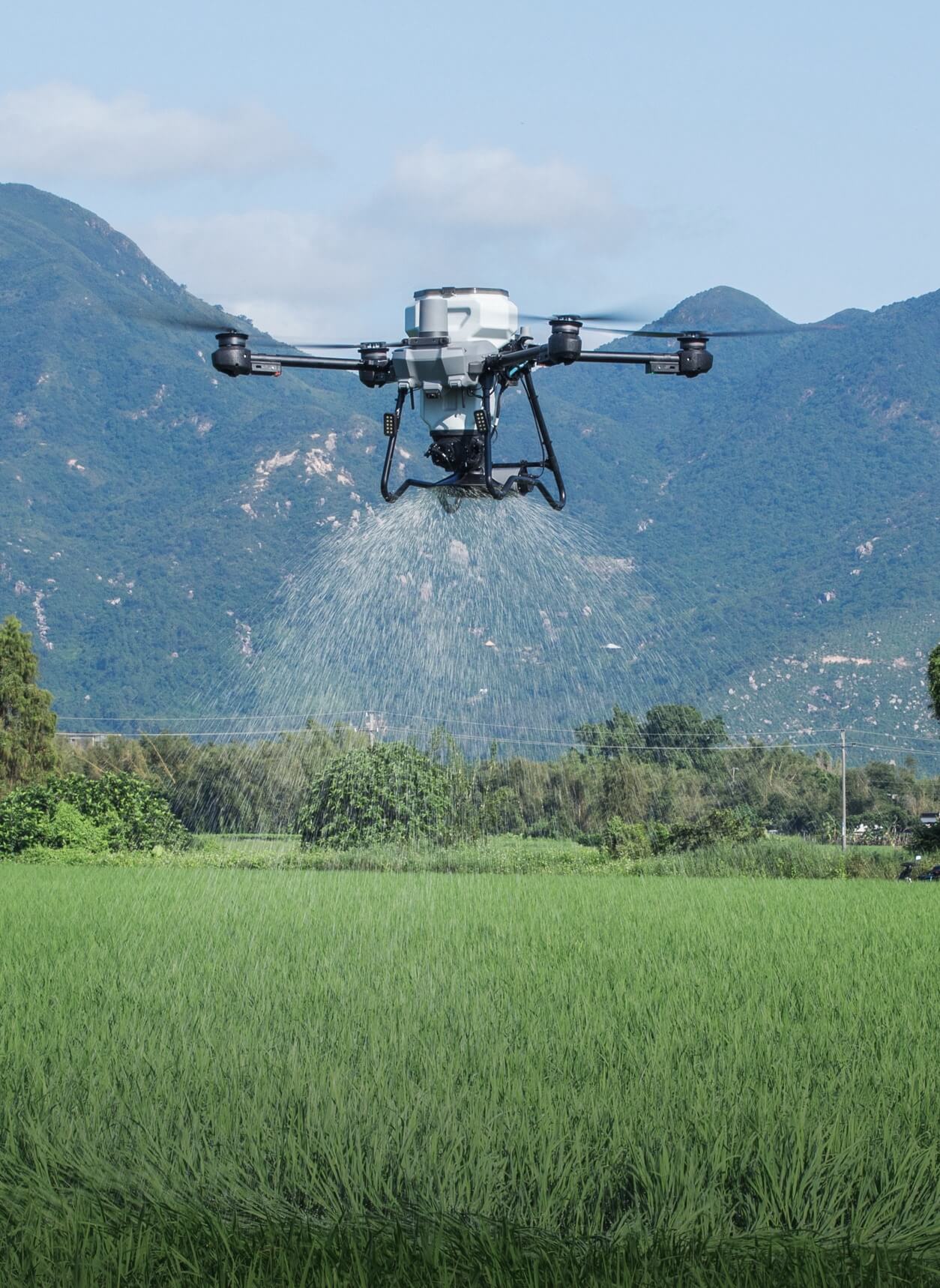
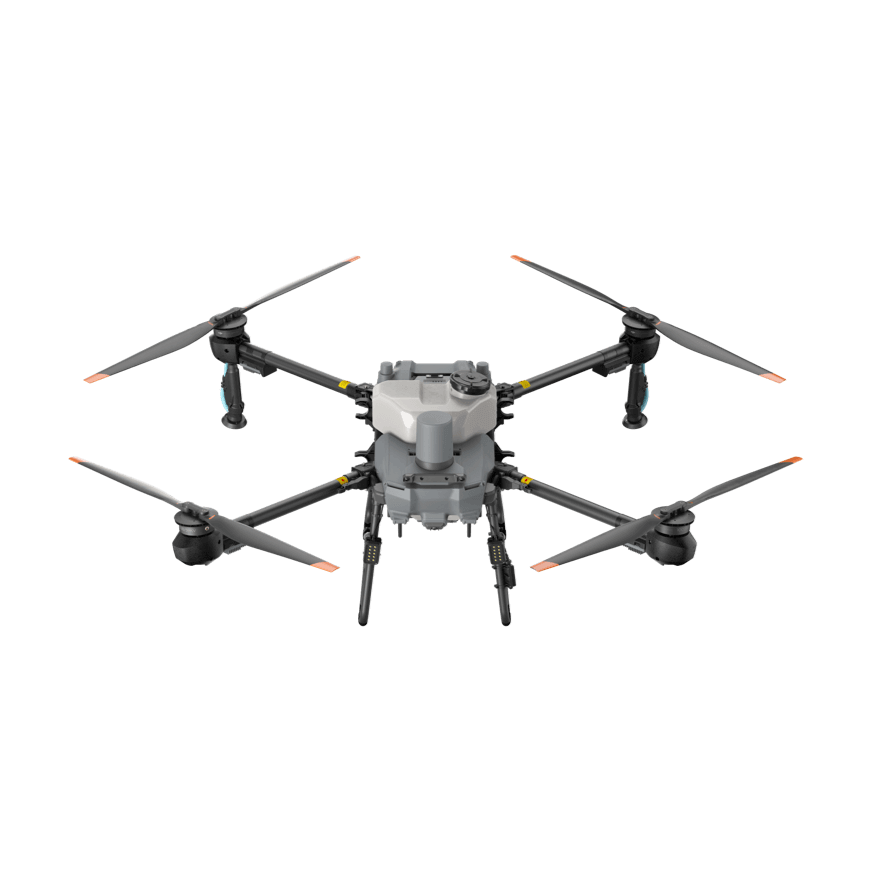
Training must use the relevant current manual, aircraft variant, controller, software and installed equipment. The official FlyCart 30 downloads and Agras T50 downloads provide starting points for those models. A demonstration on one generation does not establish familiarity with another. Do not transfer a winch setting, charging procedure or emergency action merely because the controls look similar.
The conversion brief should explain operating modes, warnings, limitations, battery combinations, payload attachment and pre-flight inspection. Ask the trainee to show where each limitation is documented. Ground-based exercises can establish assembly, inspection and communication skills before a flight exercise is scheduled. Any practical flight still needs a lawful operating basis and an appropriate supervised environment; describing it as training does not exempt it from aviation rules. Record the actual configuration used for each assessment so the organisation can see what experience a person has, rather than relying on an unqualified statement of general proficiency.
Teach the whole ground crew
Safe output depends on the person preparing the load and the person controlling the delivery area as well as the pilot. EASA’s operator responsibilities include appropriate competence and familiarity with the operator’s procedures for supporting personnel. A briefing should establish who may approach, who confirms an attachment, who declares the area clear and who can stop the task. Avoid a system in which everyone assumes the pilot has checked a task outside the pilot’s view.
Practise short, unambiguous messages. For example, the loading coordinator confirms the identified load and attachment check; the receiving coordinator confirms the designated area is clear; the pilot acknowledges before proceeding. The exact words should be defined in the operator’s procedures. A message that is not heard or understood must have an agreed consequence. Radios, hand signals and phone backup are choices to assess for the site, not automatic proof that communications are adequate. Include the communication failure in a ground drill.
Assess normal, abnormal and emergency decisions
A useful practical assessment tests decisions as well as smooth control. Normal exercises might include checking the task order, identifying the correct battery set, confirming weather against the operating limits and completing a post-flight defect entry. Abnormal exercises can use simulation or discussion to test what happens when positioning quality degrades, a receiving area becomes occupied or the planned route is obstructed. Do not create a dangerous failure just to make the exercise realistic.
Emergency training should match the approved procedures and aircraft capabilities. The response to a threatened load, a lost link and a battery fire cannot be a generic “return home” instruction. A return path may cross people or leave a suspended load in an unsuitable position. Use a tabletop scenario first, then demonstrate only the actions that can be conducted safely and lawfully. Record the conditions, assessor, outcome and remedial action. The purpose is to establish a repeatable standard, not merely to collect photographs of a training day.

Add the agricultural or site competence
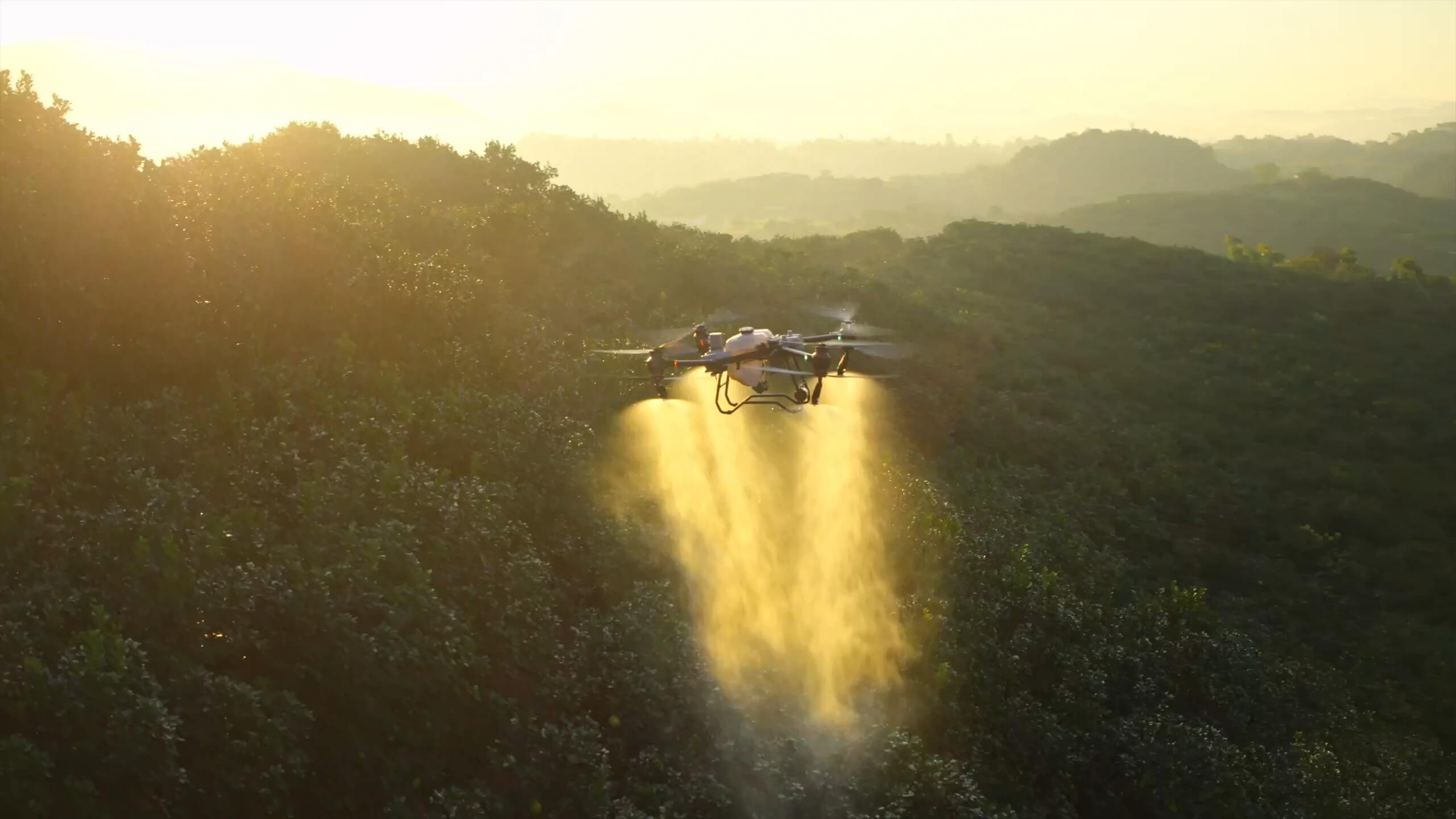
Aircraft training does not replace training for the task itself. A pesticide proposal requires separate consideration of professional-user status, product conditions and agricultural permissions. DAFM guidance on plant protection product use explains the professional-user and label obligations. A person competent to fly an Agras may not be qualified to select, prepare or apply a plant-protection product. Nor does agricultural experience establish aviation competence.
For construction and industrial sites, agree induction, access control and the interfaces with the client’s safety arrangements. An illustrative competence plan for a fencing-material lift might allocate load preparation to an experienced ground worker while the pilot completes aircraft conversion and the receiving coordinator completes a site-specific communication drill. That allocation still needs the operator’s assessment and the relevant authorisation. It should not be presented as a universal minimum crew or a guaranteed route to approval. Real workload, visibility, load behaviour and emergency response determine whether the arrangement is sufficient.
Maintain currency and buy useful support
Keep qualifications, practical assessments, model conversions and refresher activity in a controlled register. Record expiry dates where applicable and the tasks each individual is currently permitted to perform. Review competence after a long gap, an occurrence, a major procedure change or a significant aircraft/configuration change. Re-reading a manual may help familiarisation but does not always demonstrate the practical skill needed for a changed operation. The current rules provide the legal record-keeping framework; the organisation should make records usable during day-to-day task assignment.
When comparing Irish Drone packages, ask which training and support activities can be specified for your intended mission. Useful deliverables can include model familiarisation, a commissioning checklist and support organising the technical information needed by your training provider. Do not assume that a package description confers an aviation qualification or an IAA authorisation. Define the desired outcomes in writing, then connect the equipment choice, training plan and operating procedures before accepting a first paid job.
Frequently asked questions
Is A2 enough to operate a loaded Agras or FlyCart?
An A2 certificate is not a blanket Specific-category authorisation. Match competence and operational permission to the actual aircraft and mission.
Do loaders and receiving staff need training?
The operator must ensure supporting personnel have appropriate competence for their assigned duties. Define and assess those duties in the operating procedures.
Explore the aircraft and packages
Follow the product page for the exact configuration and included equipment. Equipment selection and operating authorisation are separate parts of the project.


Talk to Irish Drone about your project
Send us the site, task, load or application material, intended operating pattern and available charging supply. We can help scope a suitable aircraft and package and discuss the preparation needed for an Irish operation.
Contact usPlan the next part of your operation


Official sources and technical guidance
These links support specific facts in the guide. Check the current revision and operating conditions when preparing a real project.



Leave a comment