
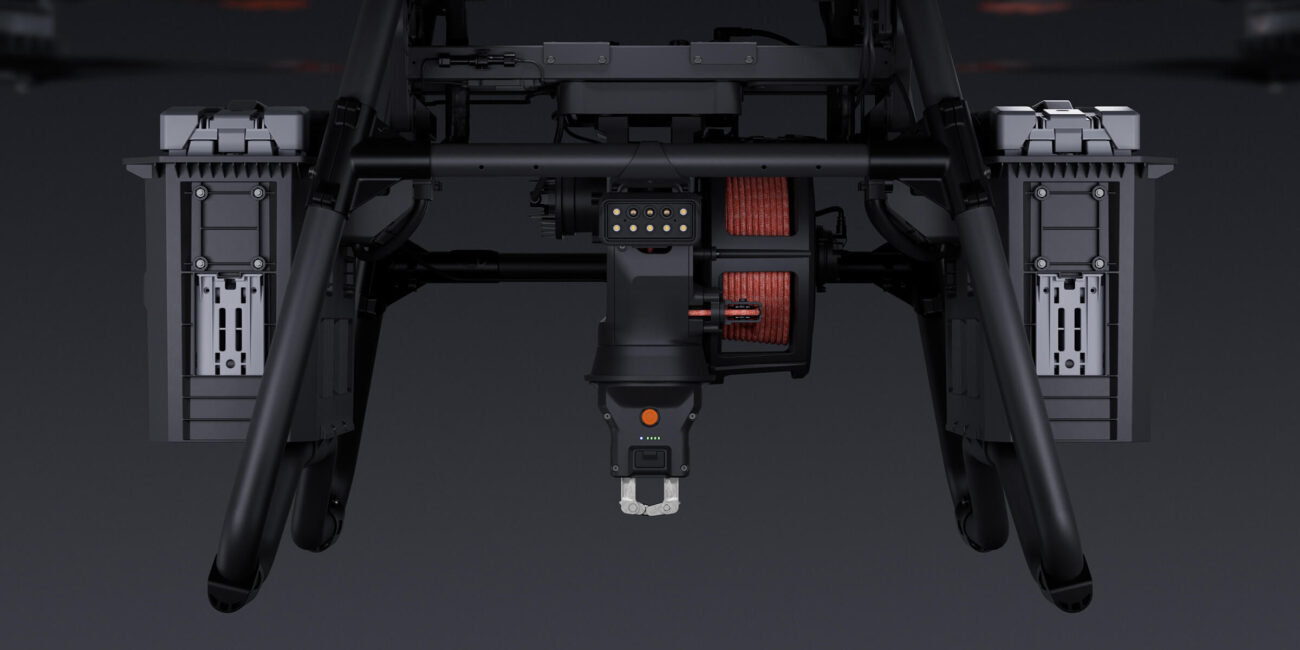
The right delivery system follows the receiving point. A longer cable or an electric hook does not automatically make a constrained site workable.
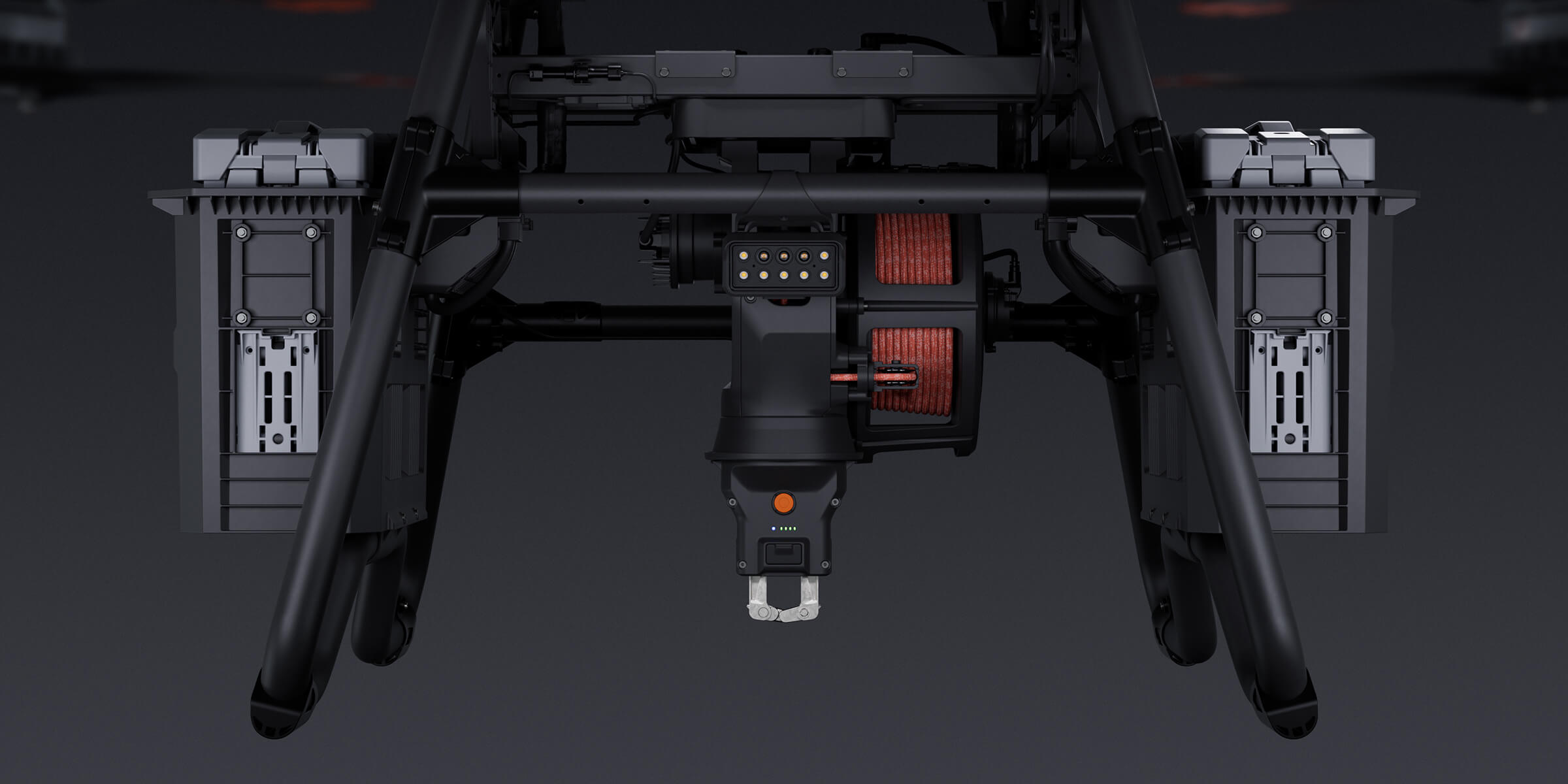
Begin with what the receiver can safely accept
Choose the delivery method before treating the aircraft as a complete package. The receiving point may support a controlled landing and ground handover, powered lowering while the aircraft remains above the item, or a fixed-cable lifting workflow. Each choice changes the aircraft’s position, the load’s path and the tasks performed by the receiving team.
Ask whether the location is genuinely available after people, vehicles, loose materials, ground condition and clearance are considered. A space that looks large enough for a box may be unsuitable for the aircraft or a moving suspended load. The route also needs room for the complete assembly, not simply the aircraft’s centre point.
The decision should end with a written receiving sequence and an unavailable-point response. If those cannot be described clearly, comparing accessory specifications is premature.
When a landing workflow deserves consideration
Landing delivery may be useful where a prepared, controlled ground area and a suitable approach can be established. It still requires a model-appropriate procedure for approach, aircraft state, crew access and cargo handling. Do not assume that people may approach as soon as the landing gear touches down.
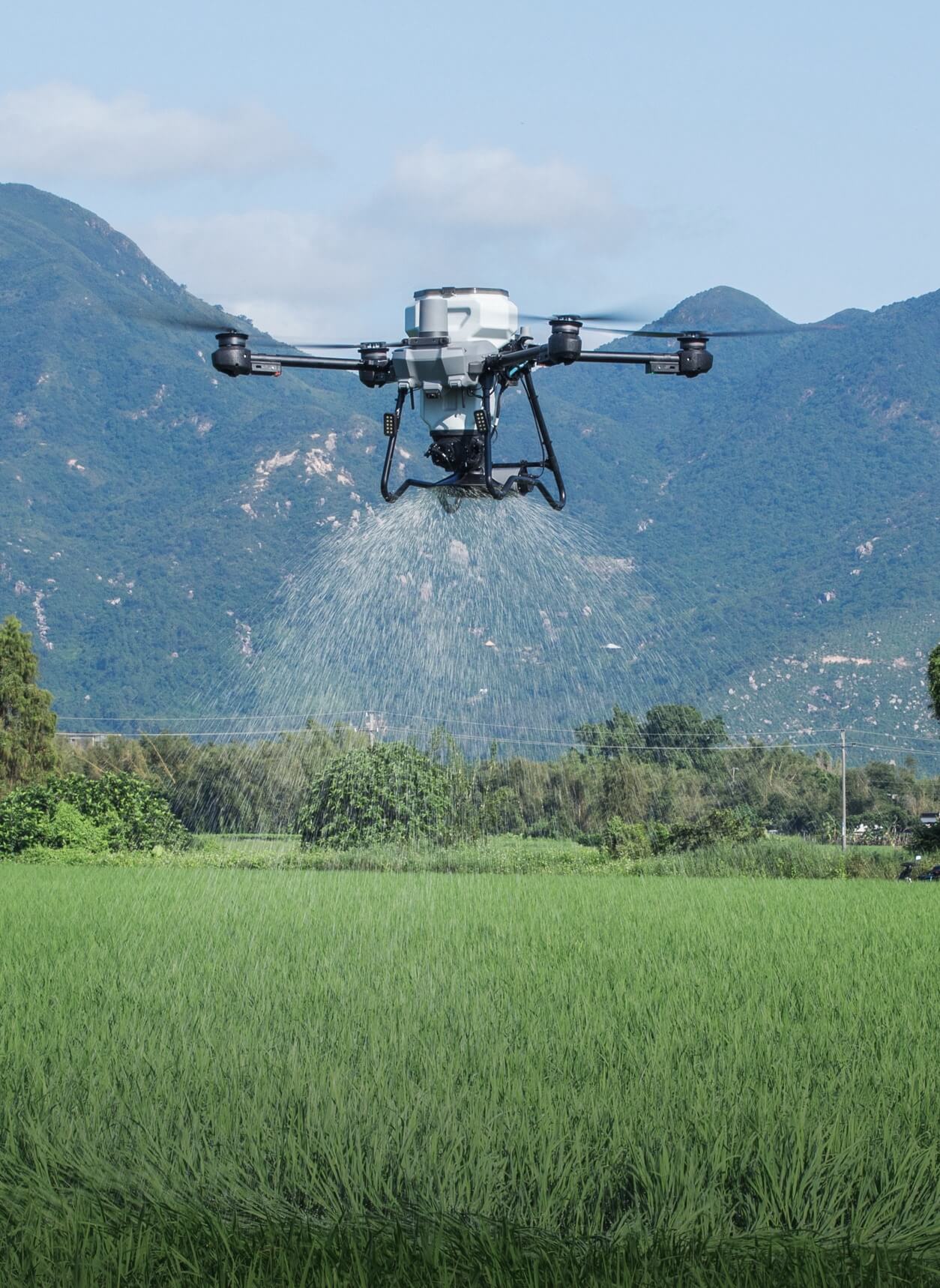
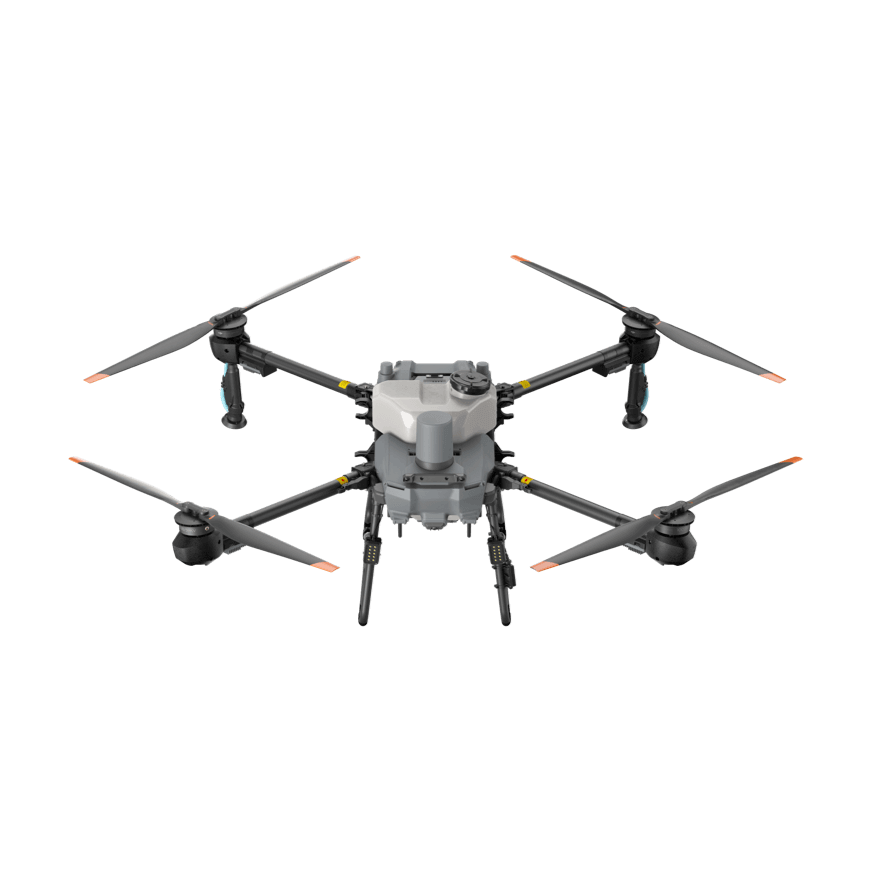
FlyCart 30 supports cargo mode as well as its optional winch. The FC30 specifications and exact manual should be checked for the selected configuration. A cargo-case workflow must not be illustrated as a powered-winch package simply because both use the same aircraft.
Assess the full ground chain: can the receiver move the item away, can it remain stable after unloading, and can the aircraft depart without crossing an uncontrolled work area? A landing option that removes a cable-handling task may add ground-access or aircraft-clearance tasks elsewhere.

What a powered winch changes
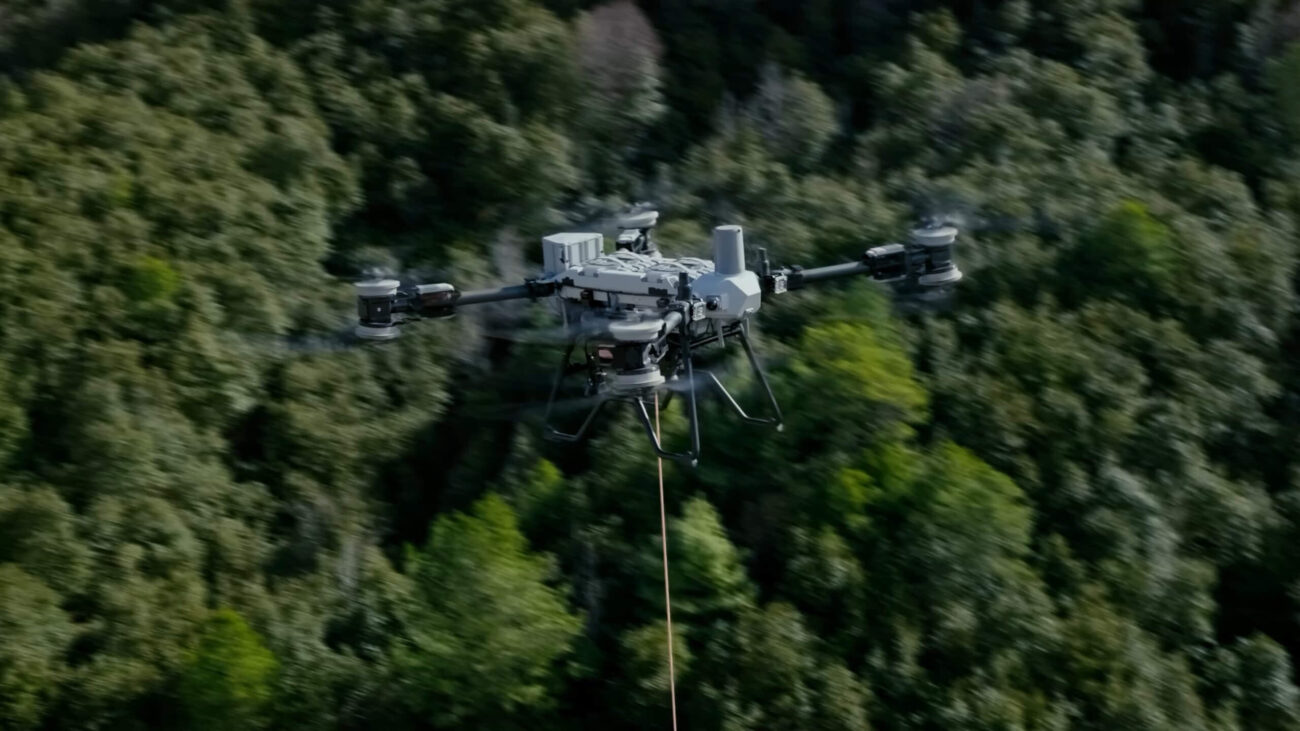
A powered winch can deploy and retrieve cable, supporting a different separation between aircraft and consignment during delivery. The actual procedure must address pickup, clearance, touchdown recognition, release and the unloaded return. It is not a general solution to every location where landing is inconvenient.
The FC30 optional winch is model A2EWI-30A, with a published 20 m cable and maximum retraction reference of 0.8 m/s. FlyCart 100 uses its own A2EWH-100A flagship system, with a 30 m cable. DJI explicitly says the FC30 and FC100 winches are not interchangeable in the FC100 FAQ.
Review the FC30 Two-Battery Winch Package as an exact equipment list. Do not use a similar-looking hook, cable assembly or product-family name as evidence that a different aircraft accepts the system.
What a fixed-cable lifting system changes
A fixed cable does not pay out like a powered winch. Its length changes the relationship between aircraft altitude and the suspended item, so terrain clearance, pickup, delivery and return must be assessed using the actual arrangement. It is misleading to describe it as a powered winch with fewer features.
FlyCart 100’s A2EDL-100A is DJI’s Dual-Battery Lifting System. DJI lists a 10 m cable and a recommended cable-length range of 10–15 m in its model data. Its product information identifies FC100 and Agras T100 as compatible aircraft and gives specific attachment and inspection instructions. That documented compatibility is not permission to generalise the assembly to other models.
The fixed-cable decision should therefore include the required ground and obstacle clearance, not only the payload mass. A receiving point that works for powered lowering may not work for the same task with a fixed suspension length.

Keep FC200 DL200 and the FC200 powered winch separate
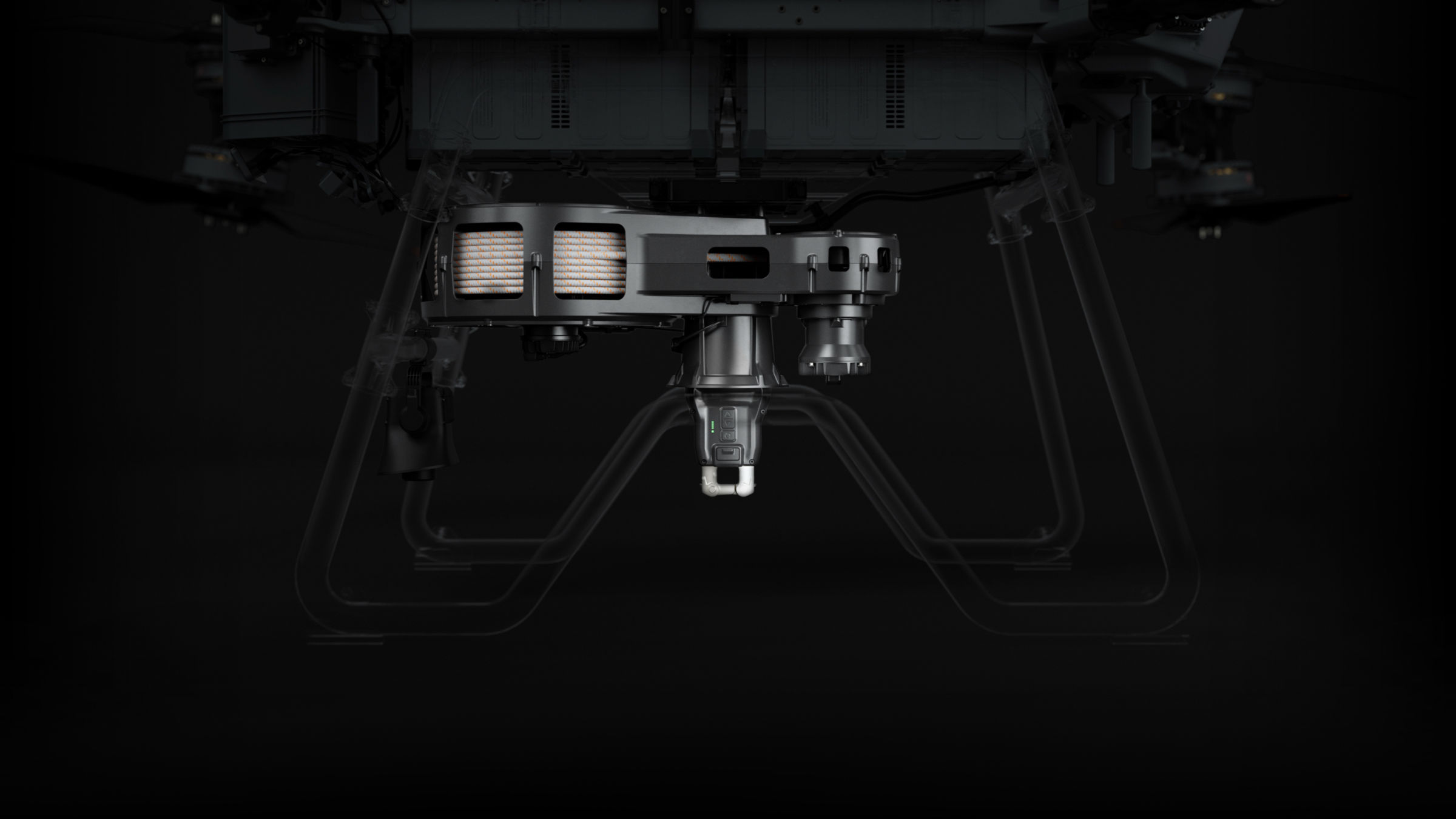
The Chinese regional FlyCart 200 specification describes the DL200 lifting system with a 15 m fixed cable, and a separate A2EWH-200A flagship powered winch with up to 30 m of cable. Its published 1.2 m/s deployment/retrieval figure is measured with a 100 kg load; it must not be presented as a demonstrated speed at the 200 kg headline payload. See the exact FC200 specifications.
The two-battery DL200 configuration and two-battery powered-winch configuration make that selection explicit. They are planned, quote-only configurations based on Chinese regional references. European supply, the regional equipment and operational suitability still need confirmation.
Do not substitute an FC100 winch into this comparison. Exact model compatibility, cable arrangements and the required firmware belong in the quotation and commissioning record.
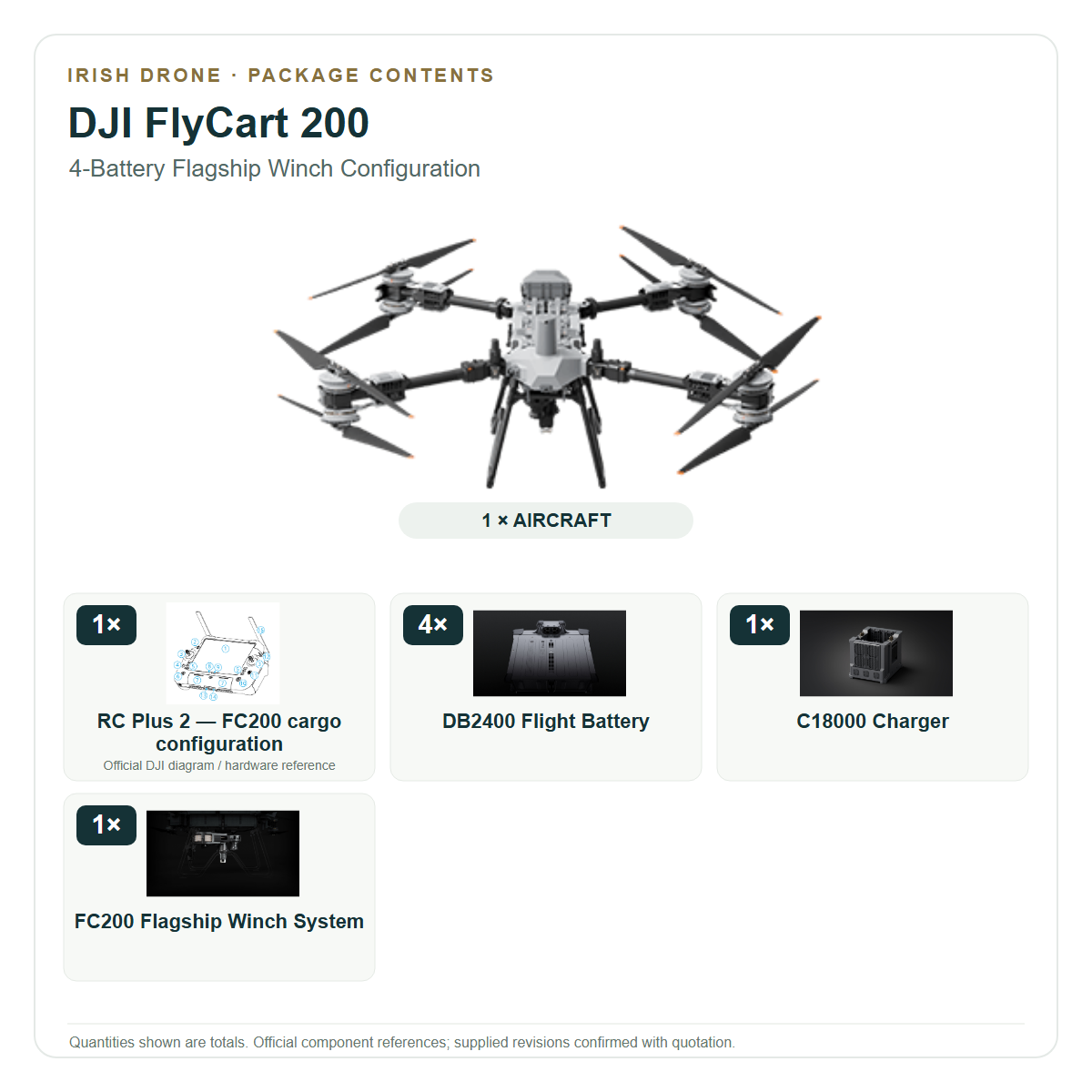
The planned four-battery powered-winch configuration is another quote-only selection. Four total DB2400 batteries change the installed energy configuration; they do not turn its winch into DL200 or establish a different receiving method. Record the battery count and the selected working system separately so a change to one cannot silently alter the other.
Inspect what moves, what carries the load and what releases it
For every method, identify the load-bearing path from aircraft to consignment and the components that must be inspected. Use the precise manufacturer instructions for attachment points, cable or sling condition, mounting and release. A receiving method should not depend on a component whose condition or compatibility is unknown.
DJI’s FC100 flagship winch information requires checks of the hook and cable, and cable retrieval before unloaded flight. Its fixed-lifting-system information separately warns against using the supplied sling simply to tie up the payload instead of connecting through the intended attachment arrangement. Those are different instructions for different systems.
Build a fault response into the work plan. Emergency cable release or cutting is an emergency capability to be assessed, not a normal unloading technique to demonstrate casually. The ground and contingency arrangements must account for what a released load or cable could affect.
Illustrative decision: a small clearing is not the whole receiving area
Illustrative planning example: a team identifies a clearing beside a remote work area. It initially prefers landing delivery because the centre of the clearing is flat. A site review finds loose material and a vehicle route beside the approach, so a landing cannot simply be assumed.
The team then evaluates powered lowering and a fixed-cable method separately. It checks the aircraft’s required position, the suspended assembly, nearby vegetation, the receiver’s location and the unloaded departure. A longer powered cable may change one constraint while adding another; the fixed-cable arrangement may require a different operating height.
The correct result could be a revised receiving point or a decision not to proceed. This example is a method for comparing constraints, not proof that any of the three options is safe at an actual clearing.
Turn the choice into an exact configuration
Specify the selected aircraft, payload-system model, cable arrangement, total flight batteries, charger and controller configuration. For FlyCart 100, distinguish the flagship winch from the dual-battery lifting system by name and model. For FC200, keep the DL200 and FC200 flagship winch as separate quote-only routes.
Ask the supplier and operator to identify the manual revision and the commissioning checks for the exact combination. Test the receiving sequence, stop signals and unavailable-point response using the agreed operational controls. A static equipment inspection and an authorised handling exercise answer different questions; both should have defined acceptance criteria.
Use the related route-planning, crew-training and emergency articles to complete the method. Hardware selection does not confer an aviation permission, establish EU conformity or guarantee that people can safely work beneath the aircraft. The receiving plan remains the reason for the chosen system.
Frequently asked questions
Can FC30 and FC100 winches be interchanged?
No. DJI explicitly states that these two systems are not interchangeable.
Is FC200’s 1.2 m/s winch figure a test at 200 kg?
No. The current Chinese specification attaches the 1.2 m/s figure to a 100 kg load; actual speed varies with load.
Explore the aircraft and packages
Follow the product page for the exact configuration and included equipment. Equipment selection and operating authorisation are separate parts of the project.


Talk to Irish Drone about your project
Send us the site, task, load or application material, intended operating pattern and available charging supply. We can help scope a suitable aircraft and package and discuss the preparation needed for an Irish operation.
Contact usPlan the next part of your operation

Official sources and technical guidance
These links support specific facts in the guide. Check the current revision and operating conditions when preparing a real project.
DJI’s Chinese-market T200 and FC200 references may require China Mainland to be selected in the official site’s region settings; the default region can display a not-found page. Their regional technical data does not establish an Irish configuration or operating approval.


Leave a comment