
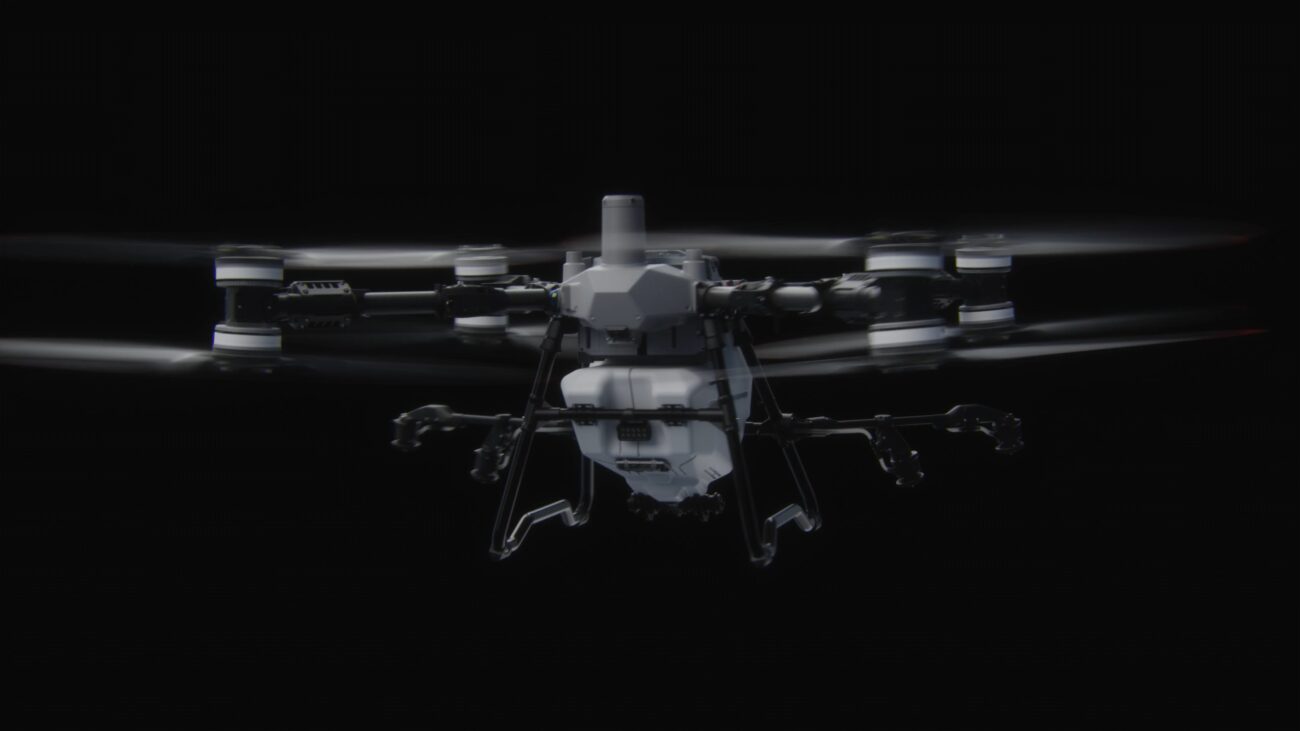
An Agras can have a spraying system without that making an Irish pesticide job lawful. Treat agricultural permission and aviation authorisation as two connected workstreams.

The short answer: do not promise pesticide work from a drone purchase
Before offering pesticide spraying in Ireland, establish written confirmation of the applicable agricultural permissions as well as the aviation basis. A manufacturer video, a foreign contractor’s case study or an IAA operational authorisation does not by itself establish permission to apply a particular pesticide here. The starting legal instruments are Directive 2009/128/EC, Article 9 and Irish S.I. 155/2012, Regulation 10. They need to be read with the relevant current product and equipment requirements.
The IAA’s UAM 016 agricultural guidance, issued in May 2024, states that no Irish aerial-spraying derogation had been adopted at that time. This article does not treat that dated statement as proof that a new scheme exists in 2026. No later official Irish scheme has been verified for this draft. The practical first step is a precise written enquiry to DAFM’s Pesticides Registration and Control Division, describing the intended product, aircraft, equipment and use.
Understand the EU and Irish legal layers
Article 9 of the Sustainable Use Directive sets the EU framework for aerial spraying: prohibition with tightly conditioned derogations in specific cases. That framework does not automatically grant a farmer or contractor an entitlement to spray. National implementation and the product/use conditions matter. In Ireland, Regulation 10 of S.I. 155/2012 requires a Ministerial licence for aerial pesticide spraying and compliance with its conditions. The existence of a legal provision for a licence is different from having an approved, available operating scheme for a particular proposal.
Use a permission matrix with separate rows for the activity, product, equipment, user and aircraft operation. Attach the authority’s response rather than a dealer’s interpretation. If a proposal relies on an exception or recognition of overseas equipment approval, identify the exact provision and obtain confirmation that it applies. Avoid treating policies in France, Germany or another state as Irish permission. An article about a European demonstration may help understand technology, but it cannot settle the law for a farm in Ireland.
Check equipment approval and professional-user competence
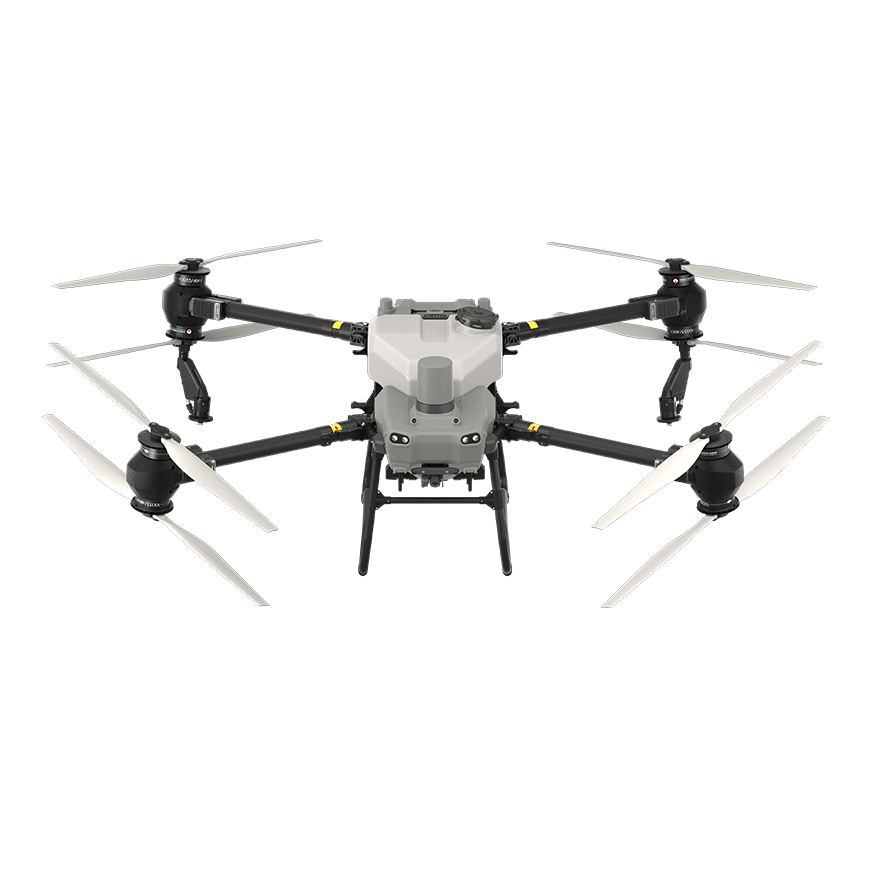
The 2019 amendment, S.I. 438/2019, addresses aircraft-mounted spraying equipment. UAM 016 explains that the Minister’s list and the treatment of overseas equipment approval need attention; its account of the list’s status is dated 2024. A CE mark, an Agras model name or a ground-sprayer inspection certificate should not be presented as proof that every aircraft application requirement has been met. Ask DAFM what current listing, inspection or recognition evidence is needed for the precise system.
Separately, DAFM product-use guidance explains professional-user registration and appropriate training, while its training page makes clear that experience alone does not establish eligibility to register. Remote-pilot competence and professional pesticide competence are separate. A practical commissioning checklist should identify both responsible people, the evidence they hold and the limits of their roles. Avoid claiming that a manufacturer’s familiarisation session provides either a professional pesticide qualification or an IAA operating authorisation.
Fit the agricultural constraints into the aviation concept
Spraying releases material, so it is outside Open-category conditions even if the aircraft would otherwise be small enough. The aviation pathway must fit the actual operation. Depending on the facts, that may involve a suitable predefined route or an individual risk assessment supporting an IAA authorisation. Do not assume every Agras configuration fits an STS. Current Irish application guidance is UAM 012, Issue 6; the flagship SORA guide in this series explains the assessment process.
The agricultural conditions change the aviation concept too. Water protection, public access, nearby homes, sensitive habitats, mixing and refill arrangements can affect the site layout and the area that can be controlled. Define these constraints before drawing the flight route. Dangerous-goods questions also require the actual substance and purpose; the IAA agricultural guidance discusses the particular treatment of agricultural dispensing. Do not generalise this into permission for separate chemical cargo transport, or classify every pesticide application automatically as Certified without the proper analysis.

Use lawful commissioning trials to establish evidence
A sensible technical development sequence can include ground calibration and clean-water tests before any chemical application is contemplated. These are methods to investigate equipment performance, not substitutes for permission. A clean-water flight still releases material and therefore requires the correct aviation basis, site controls and any other applicable conditions. Do not call it a harmless test and conduct it under an unrelated camera-drone operation.
For an illustrative proposal, record the intended crop problem, the reason existing methods are insufficient, the proposed system, test objectives and the evidence needed to compare deposition and drift. An agronomist or relevant technical specialist should determine the biological and application questions. The operator determines how a lawful flight can be planned and controlled. Maintain clear boundaries between measured results, manufacturer claims and hoped-for benefits. A trial plan is more useful than a promise that an aircraft’s maximum flow rate will deliver an agronomic result on every Irish field.
What to ask DAFM and what to ask Irish Drone
Prepare one concise enquiry pack: applicant identity, site and crop, exact product and current label, proposed purpose, aircraft and spraying system, user qualifications, evidence of equipment approval, and the requested legal clarification. Ask whether the intended aerial use is permitted, what written permissions are required and which documents demonstrate compliance. Keep the answer in the project record and revisit it if the product, equipment or method changes.
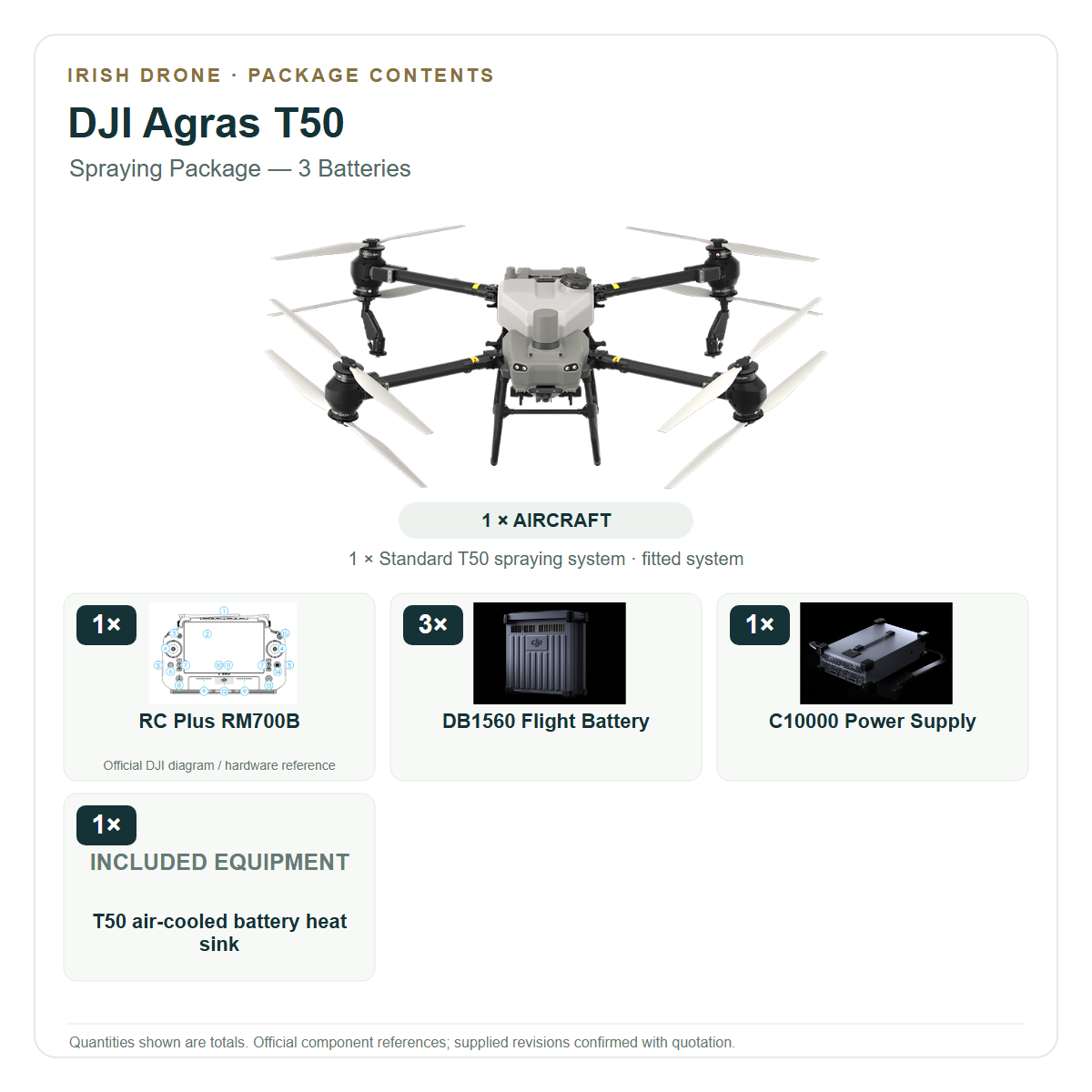
Irish Drone can help you discuss an Agras configuration, assemble the aircraft information and plan the aviation/SORA preparation. The spraying packages show equipment choices; they do not assert that pesticide use in Ireland has been approved. There may also be other applications, such as appropriately assessed non-pesticide spreading or agricultural lifting, but each needs its own material, task and flight checks. Resolve the permission gates before promising services, then buy the hardware that supports a realistic and lawful operating plan.
Keep regulatory correspondence tied to a named proposal and date. A response about one product or trial should not be reused as permission for a different substance, site or commercial service. Record any conditions verbatim in the project file, while explaining them clearly to the crew.
Frequently asked questions
Does SORA authorise pesticide spraying?
No. It supports the aviation risk assessment. Irish agricultural activity, product, equipment and user requirements remain separate.
Can permission from another EU country be used as Irish spraying permission?
Do not assume that. Ask DAFM about the precise product, use and equipment and obtain the applicable Irish confirmation.
Are clean-water trials automatically Open?
No. Releasing material is outside Open conditions, so establish the correct aviation basis before a flight trial.
Explore the aircraft and packages
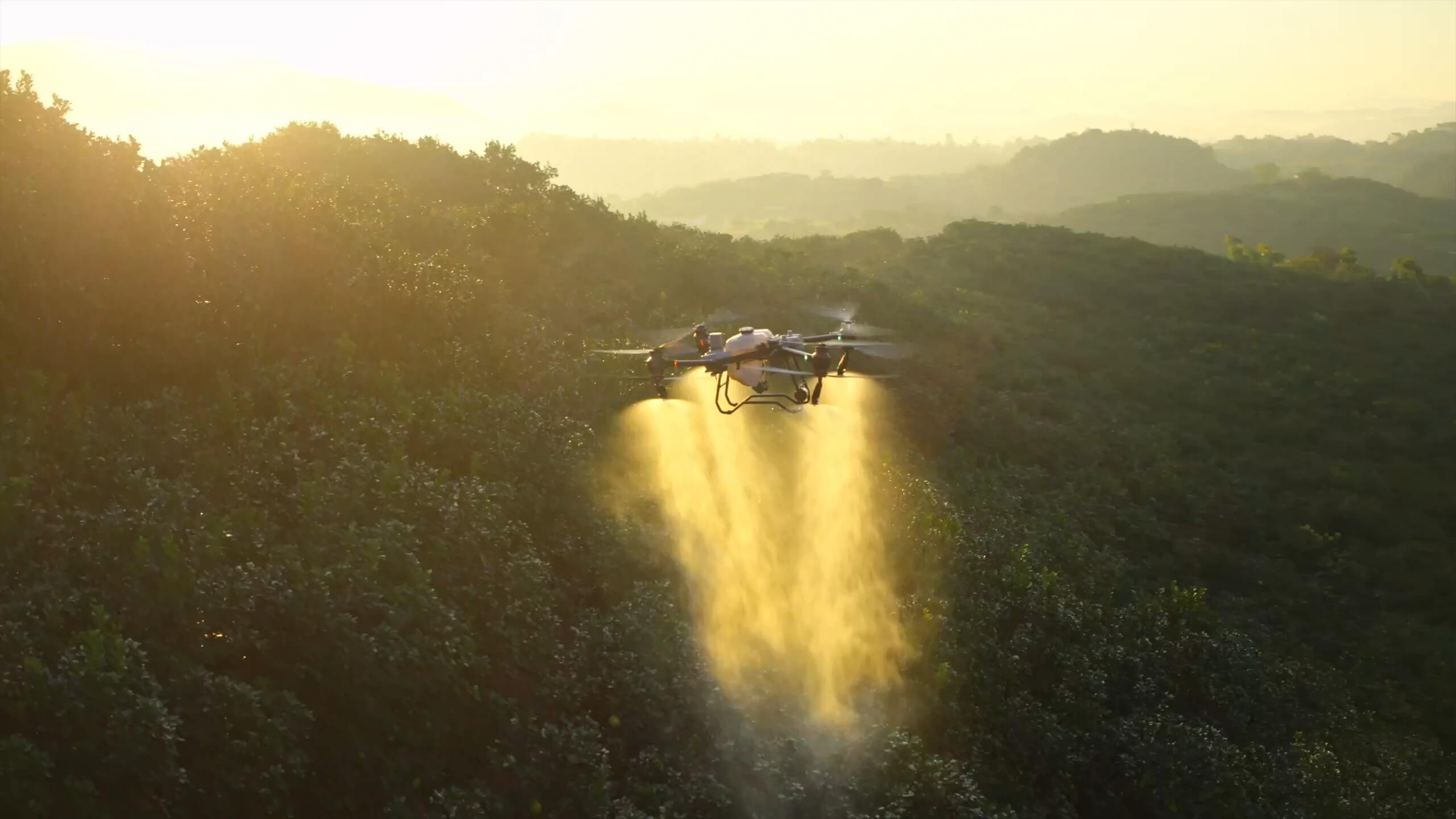
Follow the product page for the exact configuration and included equipment. Equipment selection and operating authorisation are separate parts of the project.

Talk to Irish Drone about your project
Send us the site, task, load or application material, intended operating pattern and available charging supply. We can help scope a suitable aircraft and package and discuss the preparation needed for an Irish operation.
Contact usPlan the next part of your operation


Official sources and technical guidance
These links support specific facts in the guide. Check the current revision and operating conditions when preparing a real project.



Pingback: Agricultural Drone Roles | Spraying, Spreading & Lifting
Pingback: Agras Spraying Calibration | Clean-Water Verification